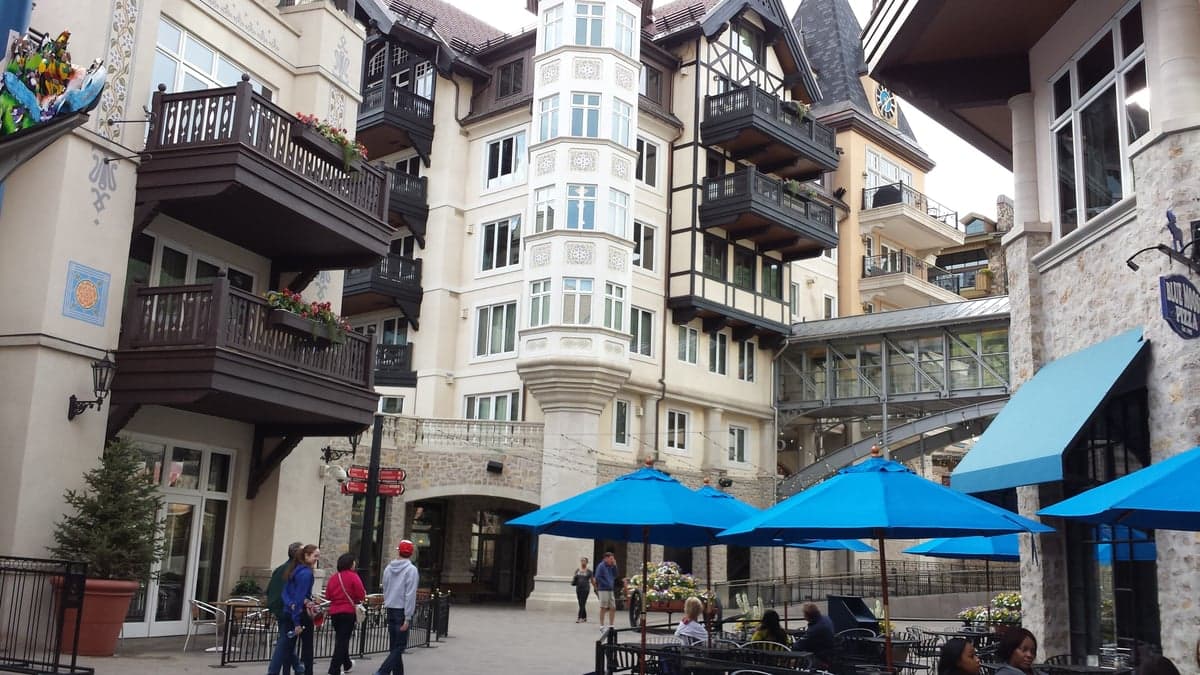
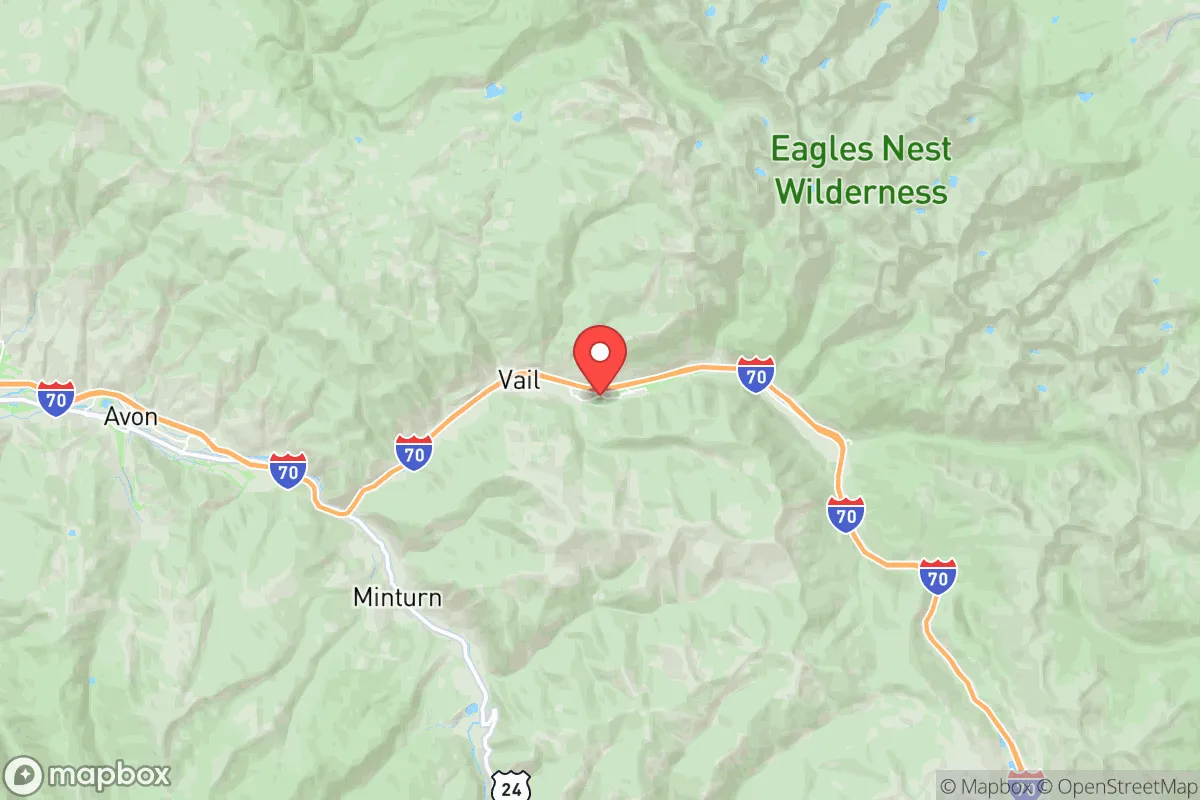
Photo: Wikipedia
Personal Sovereignty in Vail, CO
Viable for self-reliance. Generally workable, though some barriers may limit total independence.
What does Personal Sovereignty tell us?
Personal Sovereignty measures your capacity for self-reliance and independence with minimal government friction. Higher scores mean fewer barriers between you and the way you want to live... but it assumes you have the space you need and good neighbors.
What does this tell us?
Personal Sovereignty measures your capacity for self-reliance and independence with minimal government friction. Higher scores mean fewer barriers between you and the way you want to live... but it assumes you have the space you need and good neighbors.
State Policy
Energy independence: Net exporter (110% of energy produced in-state)
Personal Liberty
Homesteading

Personal Liberty Analysis
Vail, Colorado, presents a complex picture for those prioritizing personal sovereignty. While the town itself is a high-cost, heavily regulated resort enclave, the broader Eagle County and state context offer a mixed bag of constitutional protections and progressive overreach. For the survivalist or prepper, Vail’s immediate environment is a poor fit for self-reliance, but its location within a state that still recognizes certain fundamental rights—like the right to keep and bear arms—means it’s not a total loss. The real question is whether the trade-offs between alpine beauty and personal autonomy are worth it, especially when compared to more liberty-friendly regions in the Mountain West.
Tax burden and regulatory posture in Eagle County
Colorado’s state-level tax structure is relatively friendly, with a flat income tax rate of 4.4% and a state sales tax of 2.9%. However, Vail piles on local taxes that can push the combined sales tax rate to over 10%, making everyday purchases a constant drain. Property taxes are comparatively low due to the Gallagher Amendment’s legacy, but home prices in Vail are astronomical—median home values exceed $2 million—meaning the actual dollar amount paid in property taxes is still high. The regulatory environment is where the real friction lies. Eagle County enforces strict building codes, short-term rental caps, and environmental regulations that make any kind of independent construction or off-grid modification a bureaucratic nightmare. For someone looking to build a self-sufficient homestead, Vail’s permitting process is a gauntlet of fees, inspections, and HOA-style restrictions that effectively kill any serious prepper project. The state’s overall regulatory posture has shifted leftward in recent years, with new mandates on energy efficiency and land use that feel more like control than guidance.
Self-defense and gun law specifics in Colorado
Colorado is a shall-issue state for concealed carry permits, meaning if you pass a background check and complete a training course, the county sheriff must issue the permit. This is a solid foundation for self-defense. However, the state has moved in a restrictive direction since 2020. Magazine capacity is capped at 15 rounds, and universal background checks are required for private sales. Open carry is legal outside of Denver and a few other cities, but in Vail itself, local ordinances can create confusion—town police have been known to hassle open carriers. The biggest concern for the prepper is the state’s red flag law, which allows for temporary firearm seizure based on a complaint without a criminal conviction. Eagle County has seen these orders issued, and the process heavily favors the accuser. For parents, this means a domestic dispute or a neighbor’s grievance could result in your guns being confiscated with minimal due process. The Second Amendment is still respected in rural parts of the state, but Vail’s liberal-leaning local government and tourist-heavy population make it a less secure environment for armed self-defense than, say, the Western Slope counties further from the ski resorts.
Self-reliance and homesteading viability in Vail
Homesteading in Vail is essentially a fantasy for the average person. Lot sizes within town limits are tiny—often less than a quarter-acre—and zoning laws prohibit livestock, large gardens, or any structure that isn’t a single-family home or condo. The altitude (8,000+ feet) and harsh winters make year-round food production nearly impossible without a heated greenhouse, which itself would require permits that are rarely granted. Off-grid feasibility is laughable: the town requires grid connection for electricity and water, and solar panels are heavily regulated by HOAs and historic district rules. Even composting toilets are a gray area. The surrounding national forest land is public, meaning you can’t build on it or claim it. For a prepper looking to raise chickens, store bulk supplies, or drill a well, Vail is a dead end. The closest viable land for a homestead is in less developed parts of Eagle County, like Gypsum or Dotsero, where lot sizes are larger and zoning is more permissive. But even there, water rights are a costly and litigious mess. If self-reliance is your goal, Vail is a place to visit, not to settle.
Personal liberties in Vail: parental rights, medical autonomy, speech, and property
Parental rights in Colorado have been under consistent assault. The state mandates comprehensive sex education in public schools, and parents have limited ability to opt their children out of specific lessons. Vaccine mandates for school attendance are strict, with no philosophical exemption—only medical and religious exemptions are allowed, and the latter is increasingly challenged in court. Medical autonomy is similarly constrained. Colorado has legalized recreational marijuana, which is a plus for personal choice, but the state also has some of the most aggressive vaccine and public health mandates in the country. During the pandemic, Eagle County was among the most restrictive in the state, with mask mandates and business closures enforced zealously. Free speech is protected by the First Amendment, but Vail’s social climate is heavily left-leaning, meaning expressing conservative or prepper viewpoints in public can lead to social ostracism or even professional consequences. Property rights are the weakest link. The town’s strict zoning, historic preservation rules, and short-term rental bans mean you don’t truly own your property—you merely have a lease from the local government that comes with endless strings attached. For a parent or individual who values the right to raise their children without state interference, make their own medical decisions, speak their mind, and control their land, Vail is a hostile environment.
Overall, Vail ranks poorly for personal sovereignty compared to other areas in the Mountain West. The tax burden is high, the regulatory climate is oppressive, and the local culture is hostile to the values of self-reliance and liberty. While Colorado still offers some constitutional protections—like the right to carry a firearm and a flat income tax—the day-to-day reality in Vail is one of constant government oversight and social pressure to conform. For the survivalist or prepper, the town is a trap: beautiful but brittle, expensive but restrictive. If you’re serious about personal sovereignty, look to Wyoming, Idaho, or even the less populated counties of Colorado’s Eastern Plains. Vail is a place to earn a paycheck, not to build a free life.

* Values derived from national, state, county, city and local statistics and may differ in a specific area. Last updated: 2026-04-29T00:31:05.000Z
Narrative content on this page is AI-generated and may contain mistakes. Verify any details that matter before acting on them.
ReloMaps may earn a commission from affiliate links at no extra cost to you.

