Photo: Wikipedia
Quality of Life in Vail, CO
A high quality of life with strong walkability, manageable living costs, healthy neighborhood signals, and solid amenity access.
What does Quality of Life tell us?
Quality of Life blends cost of living, nearby amenities, socioeconomic signals, and neighborhood character. City-level scores represent the whole municipality; individual neighborhoods can differ.
What does this tell us?
Quality of Life blends cost of living, nearby amenities, socioeconomic signals, and neighborhood character. City-level scores represent the whole municipality; individual neighborhoods can differ.
Cost of Living
131% above national average
The Real Cost of Living in Vail, CO for 2026
| Tier | Individual | Family (4) |
|---|---|---|
| Survival | $26k | $48k |
| Comfortable | $202k | $297k |
| Luxury | $210k+ | $326k+ |
| Elite (Top 5%) | $375k+ | $581k+ |
35%
The Area Signal
A metric tracking the socioeconomic signals of the area.
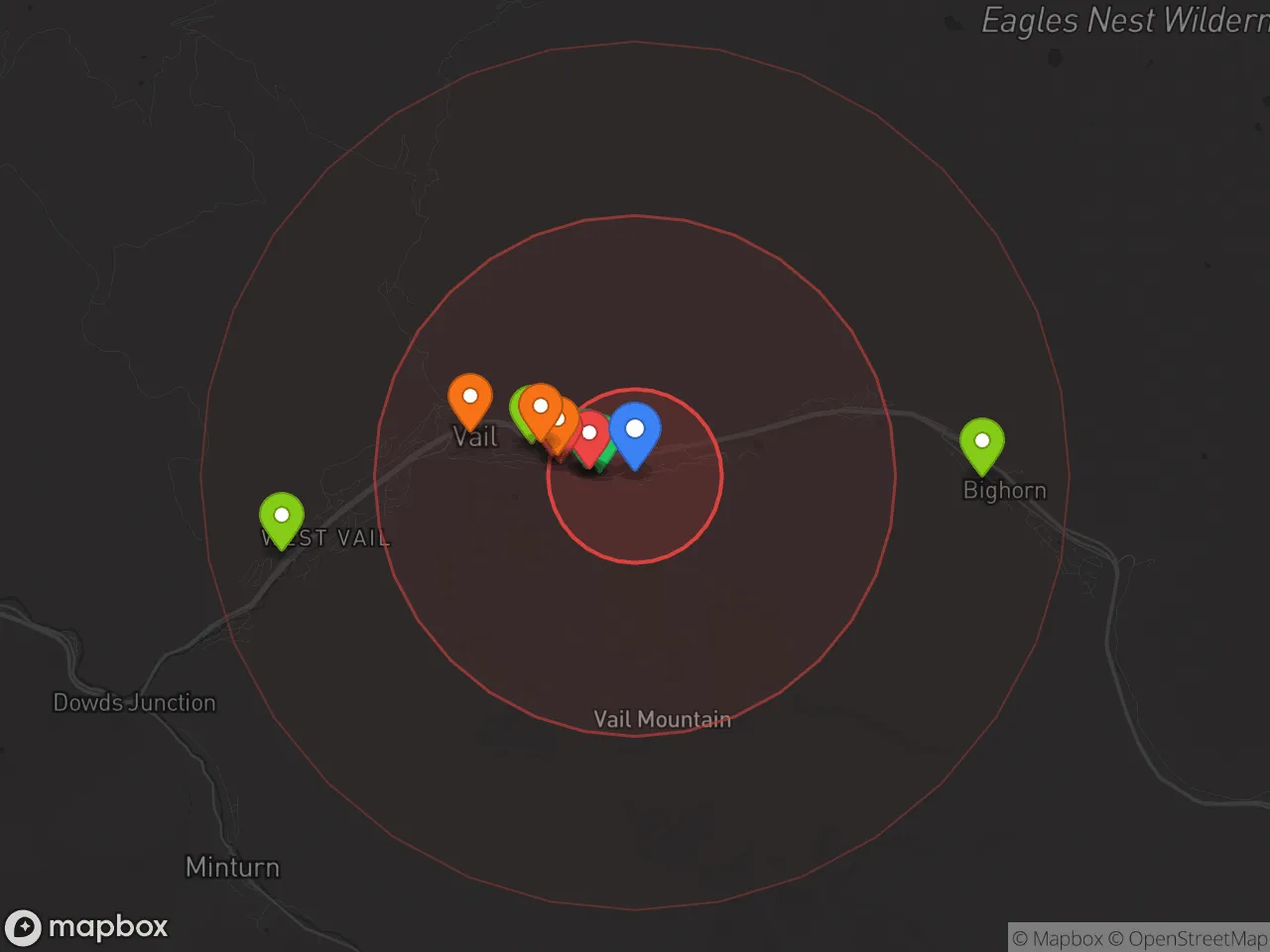
Hobbies
Explore the areaGroceries
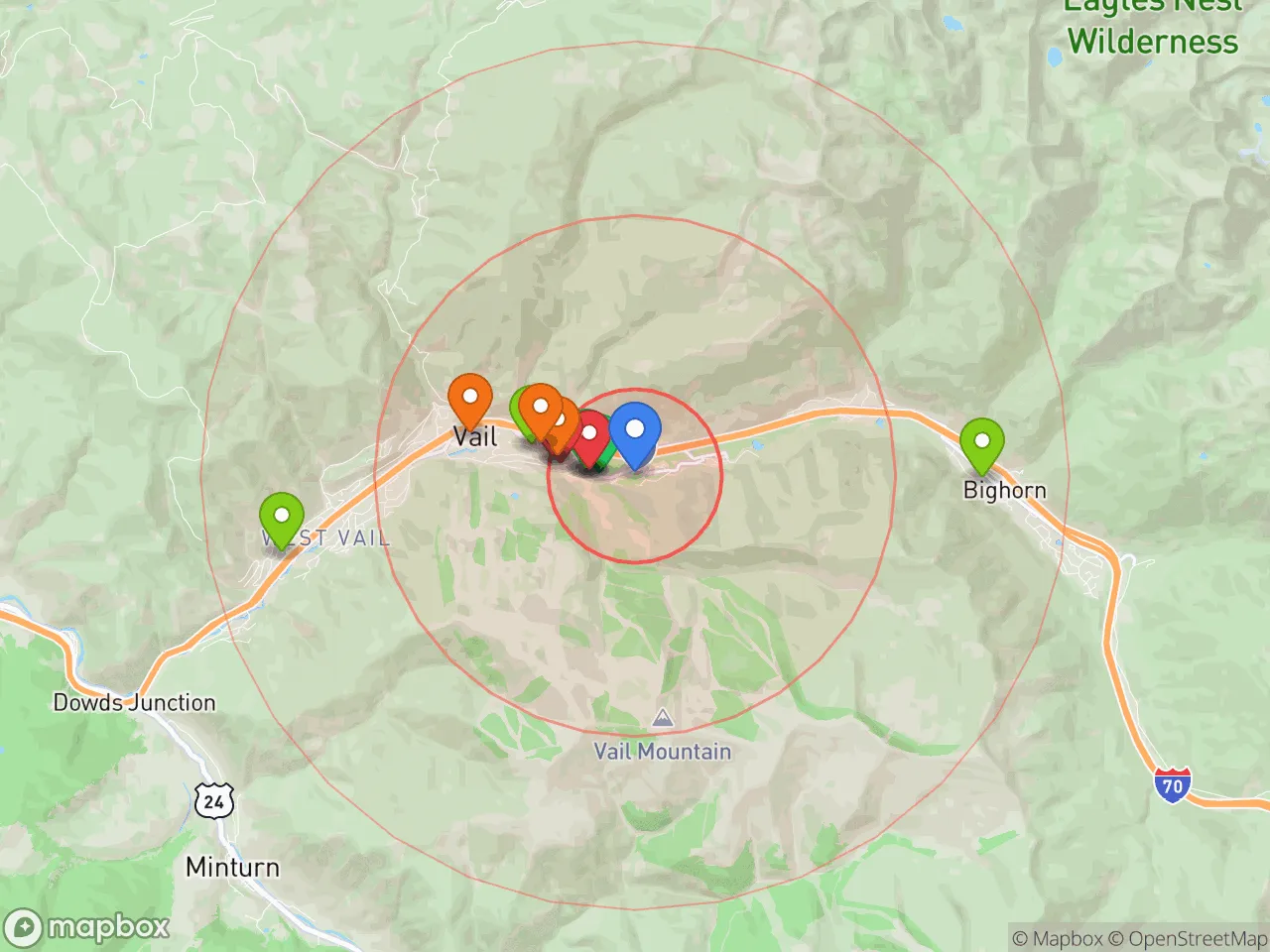
3 within 10 miles
Gas
6 within 10 miles
Hospital
4 within 20 miles
Airport
DEN — Denver International
Post Office
USPS — Vail, CO
Critical Amenities
Quality-of-Life Analysis
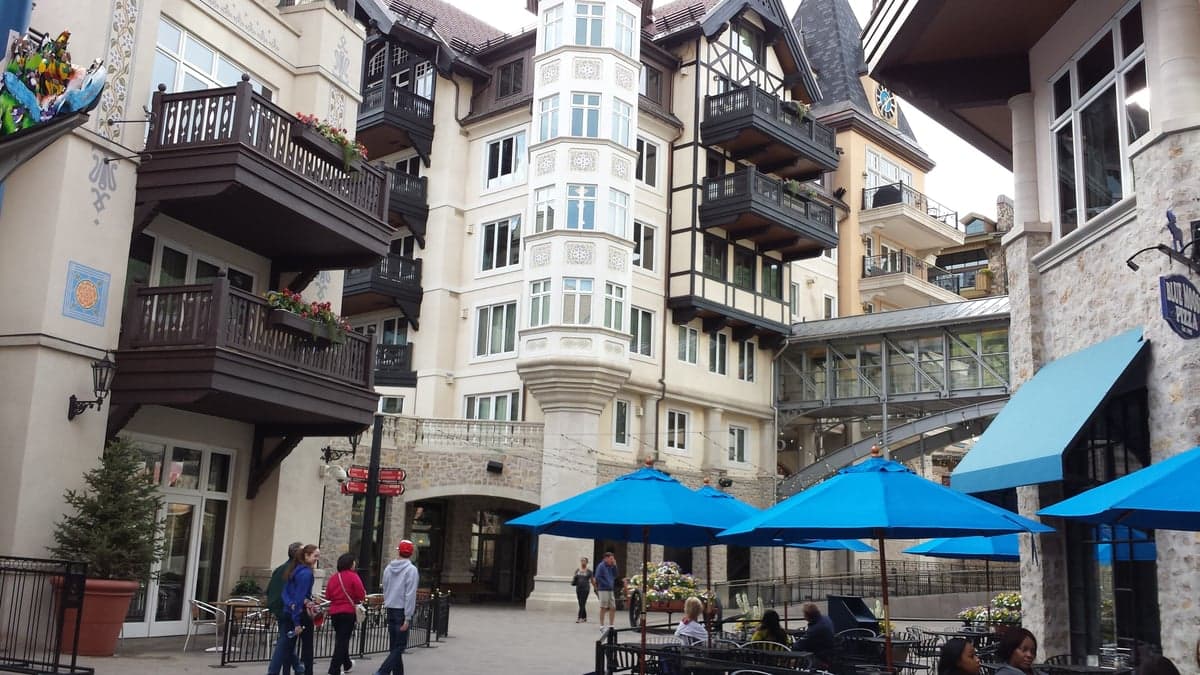
Vail, Colorado, is a world-renowned mountain resort town where quality of life is defined by extraordinary natural beauty and a premium price tag. The permanent population of roughly 5,000 residents is a mix of affluent second-home owners, hospitality and service workers, and outdoor recreation professionals, all drawn by the promise of world-class skiing, hiking, and a tight-knit alpine community. This dynamic creates a unique social fabric where high-end luxury coexists with a gritty, seasonal work ethic, making daily life in Vail distinctly different from a typical American suburb.
Cost of living, housing, and affordability compared to Eagle County
Vail’s cost of living index of 231—more than double the U.S. average—places it among the most expensive small towns in the country. The median home value of $1,040,100 reflects the intense demand for a limited supply of single-family homes and condos within the narrow valley floor. While this figure is staggering, it is roughly 30% higher than the Eagle County median, with towns like Edwards and Avon offering slightly more affordable options. Renting is also steep: the median rent of $1,610 often applies to a studio or one-bedroom, and many service workers share housing to make ends meet. The average commute of just under 19 minutes is a notable advantage—most residents live within a few miles of work, avoiding the lengthy mountain commutes seen in other resort towns like Aspen or Park City. However, for those not in high-income brackets, the affordability gap is stark, and the local economy is heavily dependent on seasonal employment and housing subsidies for workers.
What daily life is like for families, outdoor enthusiasts, and year-round residents
Daily life in Vail revolves around the outdoors and the town’s pedestrian-friendly core. The Vail Recreation District maintains over 300 miles of hiking and biking trails, and the free town bus system makes it easy to get around without a car. Families benefit from the highly rated Eagle County School District, with Vail Mountain School and Red Sandstone Elementary offering strong academic programs. The rhythm of the year is dictated by two peak seasons: winter brings ski-focused social life and high-energy crowds, while summer offers a quieter, community-oriented pace with farmers markets, concerts in Ford Park, and fly fishing on Gore Creek. Amenities are concentrated in Vail Village and Lionshead, which feature upscale dining, boutique shopping, and a robust cultural calendar from the Vail Dance Festival to the Bravo! Vail music series. For year-round residents, the trade-off is clear: extraordinary recreational access and a safe, clean environment in exchange for high costs and a transient social scene that can feel isolating during off-peak months.
Vail is best suited for those who prioritize outdoor adventure and can comfortably absorb the high cost of living—typically affluent retirees, remote workers with six-figure incomes, or professionals in the luxury hospitality and real estate sectors. Families who value a small-town, nature-centric upbringing will find excellent schools and low crime, but should budget carefully for housing. Conversely, budget-conscious workers or those seeking urban diversity and nightlife may struggle with the limited housing supply and seasonal economic swings. For the right person, Vail offers a quality of life unmatched in the lower 48—a place where the mountains are your backyard and the community is bound by a shared love of the alpine environment.

Crime in Vail, CO
Generally safer than 63% of comparable U.S. locations.
Violent CrimeViolent Crime Analysis
Property CrimeProperty Crime Analysis
Crime Analysis
Vail, Colorado, presents a complex safety profile that diverges sharply from the typical resort-town image. While the town is generally safe for visitors and residents during daylight hours and in high-traffic commercial areas, its crime rates—particularly for property offenses—are significantly elevated compared to both state and national averages. The violent crime rate of 319.6 per 100,000 residents and the property crime rate of 3,515.2 per 100,000 place Vail in a category that demands careful consideration, especially given the progressive judicial environment in Eagle County.
Crime in context
Vail’s violent crime rate is roughly on par with the national average but notably higher than the Colorado state average. The property crime rate, however, is a standout concern—it is nearly double the national average and significantly exceeds the Colorado state figure. This disparity is driven largely by thefts, including bicycle thefts, vehicle break-ins, and burglaries targeting vacation homes and rental properties. The town’s transient population and high-value tourist assets create a target-rich environment. Compounding this, Eagle County’s district attorney and local judges have pursued policies that prioritize diversion programs and reduced sentencing for non-violent property offenders, a progressive approach that critics argue fails to deter repeat offenses and keeps more criminals on the streets. This judicial leniency directly impacts public safety by reducing the consequences for theft and burglary, emboldening offenders who view the area as a low-risk, high-reward target.
What residents experience
For year-round residents, the most tangible safety issue is property crime. Leaving a car unlocked or a bike unattended for even a short period can result in a loss. The Vail Police Department is proactive in high-traffic areas like Vail Village and Lionshead, but the sheer volume of visitors makes comprehensive surveillance impossible. Violent crime, while less frequent, does occur, often linked to alcohol-fueled altercations in the town’s bars and late-night establishments. Residents report a general sense of security in their daily routines, but a persistent awareness that their property is at risk. The progressive legal environment means that even when suspects are caught, they often face minimal jail time, a reality that frustrates victims and undermines faith in the justice system. This cycle of arrest and release contributes to a feeling that the system prioritizes offender rehabilitation over victim restitution and public safety.
Neighborhood-level variation in Vail is primarily tied to proximity to the resort core. Areas like East Vail and West Vail, which are more residential and less frequented by tourists, experience lower rates of property crime. In contrast, the core resort villages—Vail Village and Lionshead—see the highest concentration of thefts and burglaries. Gated communities and condominium complexes with private security offer a buffer, but no area is immune. The overall safety picture in Vail is one of a beautiful, high-value environment where the combination of transient opportunity and a lenient local justice system creates a persistent, elevated risk of property crime that residents and visitors must actively manage.
* Values derived from national, state, county, city and local statistics and may differ in a specific area. Last updated: 2026-04-29T00:31:05.000Z
Narrative content on this page is AI-generated and may contain mistakes. Verify any details that matter before acting on them.
ReloMaps may earn a commission from affiliate links at no extra cost to you.

