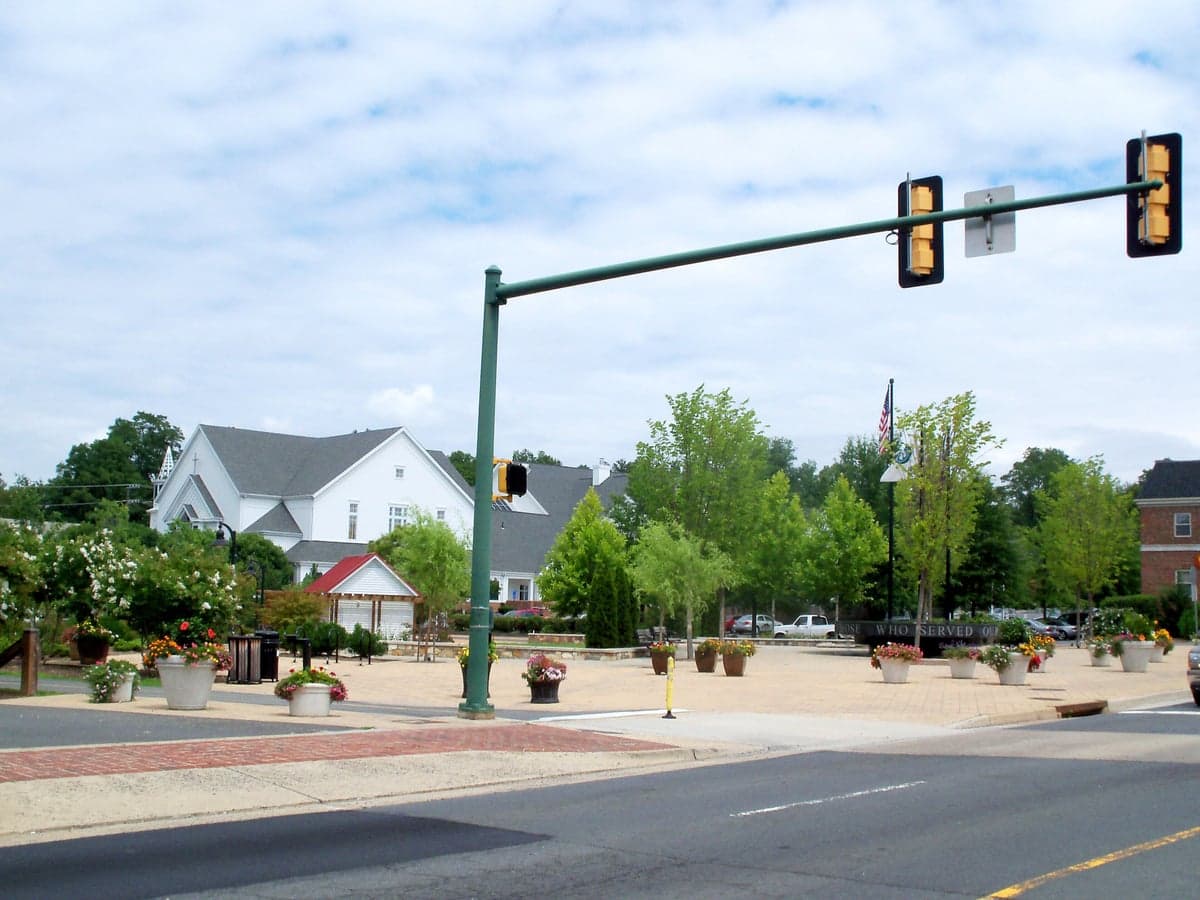
Photo: Wikipedia
Quality of Life in Vienna, VA
A high quality of life with strong walkability, manageable living costs, healthy neighborhood signals, and solid amenity access.
What does Quality of Life tell us?
Quality of Life blends cost of living, nearby amenities, socioeconomic signals, and neighborhood character. City-level scores represent the whole municipality; individual neighborhoods can differ.
What does this tell us?
Quality of Life blends cost of living, nearby amenities, socioeconomic signals, and neighborhood character. City-level scores represent the whole municipality; individual neighborhoods can differ.
Cost of Living
162% above national average
The Real Cost of Living in Vienna, VA for 2026
| Tier | Individual | Family (4) |
|---|---|---|
| Survival | $39k | $73k |
| Comfortable | $187k | $274k |
| Luxury | $365k+ | $566k+ |
| Elite (Top 5%) | $430k+ | $666k+ |
81%
The Area Signal
A metric tracking the socioeconomic signals of the area.
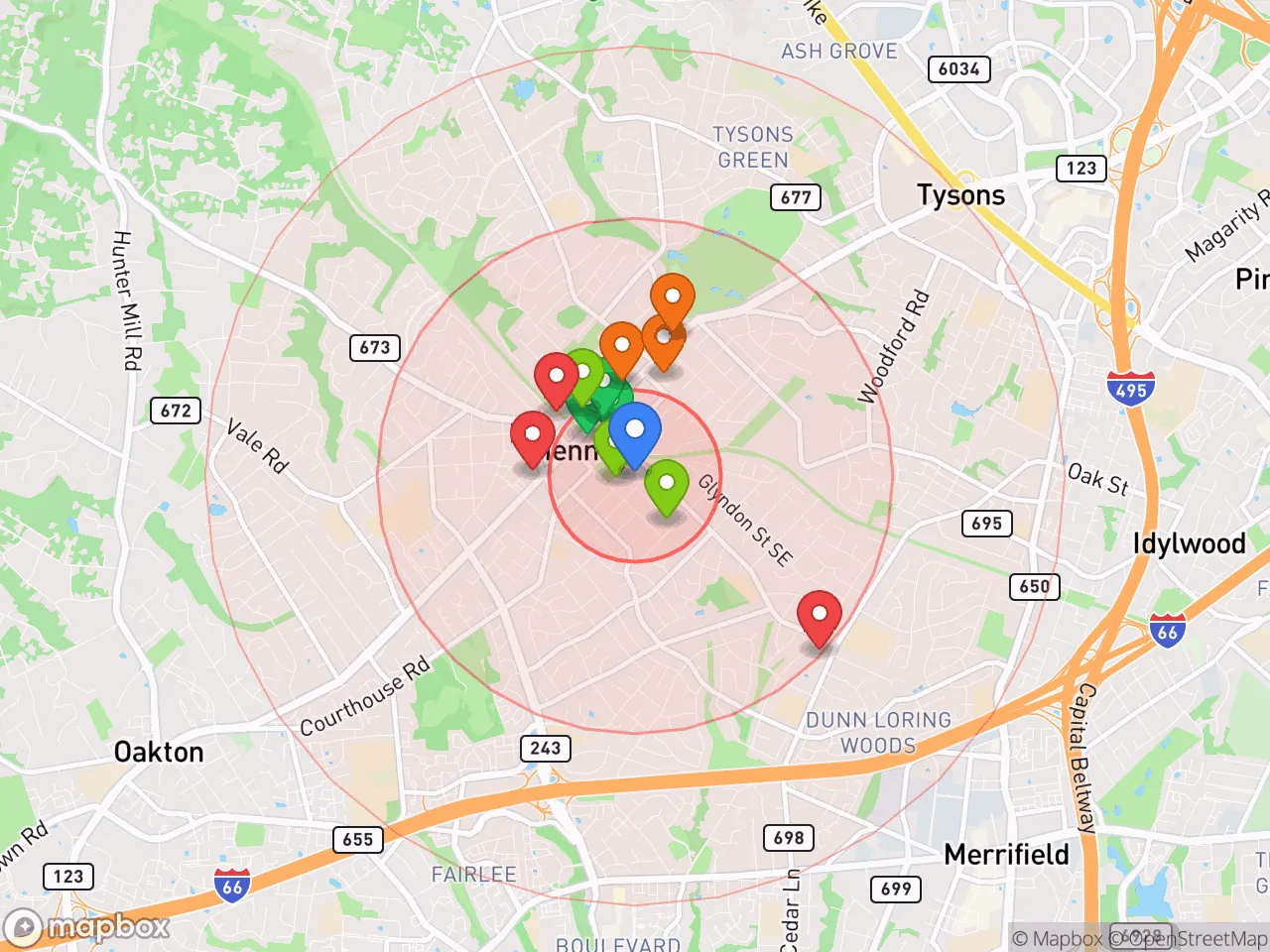
Hobbies
Explore the areaGroceries
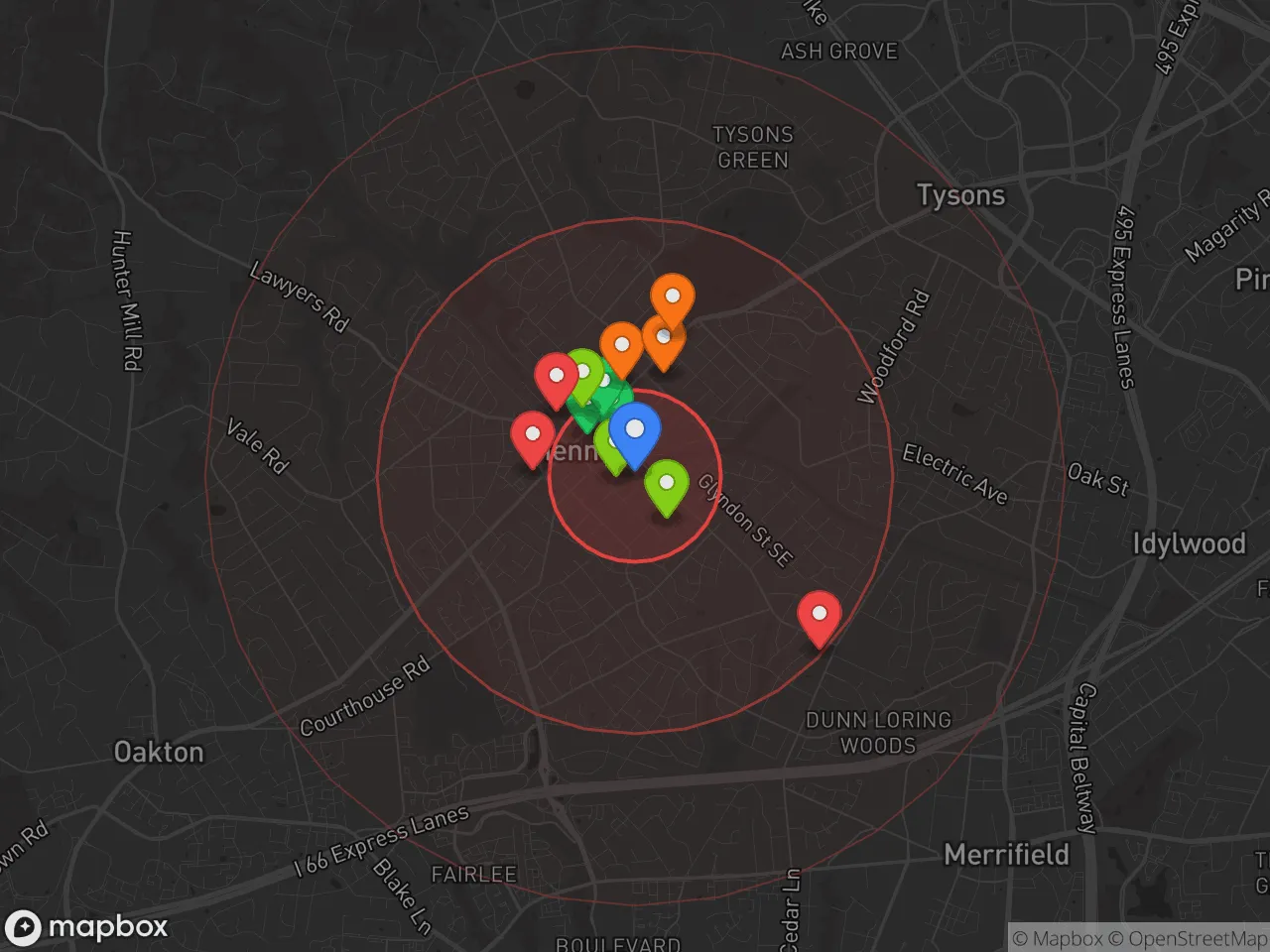
8 within 10 miles
Gas
20 within 10 miles
Hospital
20 within 20 miles
Airport
IAD — Washington Dulles International
Post Office
USPS — Vienna, VA
Critical Amenities
Quality-of-Life Analysis
Vienna, Virginia, is one of the most affluent and sought-after suburbs in the Washington, D.C. metropolitan area, with a cost of living index of 262—more than two and a half times the national average. The town's 16,000 residents are predominantly well-educated professionals, many working in federal government, technology, and consulting, drawn by top-tier public schools and a safe, family-oriented environment. With a median home value of $961,100 and median rent of $2,430, Vienna commands a premium that reflects its proximity to the nation's capital and its reputation as a premier place to raise a family.
Cost of living, housing, and how Vienna compares to nearby suburbs
Vienna's cost of living is among the highest in Northern Virginia, driven almost entirely by housing. The median home value of $961,100 is roughly 30% higher than the Fairfax County median and nearly double the national figure, while the median rent of $2,430 places it well above the regional average. For context, neighboring towns like Falls Church and McLean post similar or higher price points, but Vienna offers slightly more land per home and a quieter, more residential feel. The average commute of 26.7 minutes is shorter than the D.C. metro average of 34 minutes, thanks to direct access to the Orange Line Metro station and major arteries like I-66 and the Dulles Toll Road. While housing costs are steep, residents often justify the expense through lower property taxes relative to Maryland suburbs and the absence of a state income tax on Virginia's first bracket, which helps offset some of the sticker shock.
Schools, amenities, and what daily life feels like in Vienna
Daily life in Vienna revolves around its nationally recognized public school system, with Madison High School, Thoreau Middle School, and Cunningham Park Elementary all consistently rated among the top in Virginia. The town's walkable downtown—centered on Maple Avenue—offers a mix of independent coffee shops, farm-to-table restaurants, and boutique retail, while the nearby Vienna Community Center and 40-acre Meadowlark Botanical Gardens provide recreation and green space. Commuters benefit from the Vienna Metro station, which offers a 25-minute ride to downtown D.C., and the town's extensive network of bike trails connects to the 44-mile Washington & Old Dominion Trail. Weekend routines often include farmers' markets, youth sports leagues at the 12-field Nottoway Park, and community events like the annual Vienna Halloween Parade, one of the largest in the region. The trade-off for this high quality of life is a lack of nightlife and a housing stock dominated by single-family homes, with few rental options beyond the median $2,430 monthly rent.
Vienna is best suited for families and professionals who prioritize exceptional schools, short commutes, and a safe, suburban lifestyle over urban excitement or housing affordability. The town's demographic skews toward dual-income households earning well above the national median, and newcomers should expect to compete in a tight housing market where homes often sell within days. For those who can absorb the cost, Vienna delivers a quality of life that consistently ranks among the highest in the D.C. region, with low crime rates, strong community engagement, and direct access to the economic opportunities of the capital.

Crime in Vienna, VA
Lower crime rates than 89% of comparable U.S. locations.
Violent CrimeViolent Crime Analysis
Property CrimeProperty Crime Analysis
Crime Analysis
Vienna, Virginia, is one of the safest communities in the Washington, D.C. metropolitan area, with crime rates dramatically lower than both state and national averages. The town’s violent crime rate of 84.4 incidents per 100,000 residents is roughly one-fifth the national average, while its property crime rate of 892 per 100,000 is also well below the U.S. norm. However, as a small, affluent town embedded within a large, progressive-leaning metro area, residents must remain aware of broader regional justice system trends that can affect public safety outcomes.
Crime in context
Vienna’s violent crime rate is 84% lower than the national average and significantly below the Virginia state rate of approximately 200 per 100,000. Property crime in Vienna is also low, sitting about 40% below the national benchmark. These figures place Vienna among the safest jurisdictions in Fairfax County, which itself has a violent crime rate of roughly 110 per 100,000. The town benefits from a well-funded local police department and a highly engaged community, but it is not immune to the effects of regional criminal justice policies. Fairfax County and the broader D.C. metro area have seen increasing influence from progressive prosecutors and judges who prioritize diversion programs and reduced sentencing. While these policies aim to address systemic inequities, they can result in repeat offenders cycling back onto the streets sooner, potentially increasing property crime and nuisance offenses in otherwise low-crime suburbs like Vienna.
What residents experience
For the average Vienna resident, serious violent crime such as homicide, robbery, or aggravated assault is extremely rare. The most common public safety concerns are property-related: theft from vehicles, package theft, and occasional residential burglaries. Vienna’s walkable downtown area and Metro-adjacent neighborhoods see higher foot traffic, which correlates with a slight uptick in petty larceny. Residents should also note that the progressive policies of the Fairfax County Commonwealth’s Attorney’s office—such as declining to prosecute certain low-level drug offenses and advocating for shorter sentences—can lead to a perception that property crimes are treated leniently. This does not mean Vienna is unsafe, but it does mean that proactive measures like home security systems, neighborhood watch programs, and locking vehicles are more important than the raw crime numbers alone might suggest.
Neighborhood-level variation is modest but worth noting. Areas closer to the Vienna Metro station and along Maple Avenue (the main commercial corridor) experience slightly higher property crime rates due to increased accessibility and transient populations. In contrast, the residential enclaves west of Nutley Street and near the Wolf Trap National Park are exceptionally quiet, with violent crime virtually nonexistent. Overall, Vienna remains a highly desirable and safe community, but the broader regional trend toward progressive criminal justice reform means residents should remain vigilant and engaged with local policy decisions that affect public safety.
* Values derived from national, state, county, city and local statistics and may differ in a specific area. Last updated: 2026-05-01T04:21:54.000Z
Narrative content on this page is AI-generated and may contain mistakes. Verify any details that matter before acting on them.
ReloMaps may earn a commission from affiliate links at no extra cost to you.

