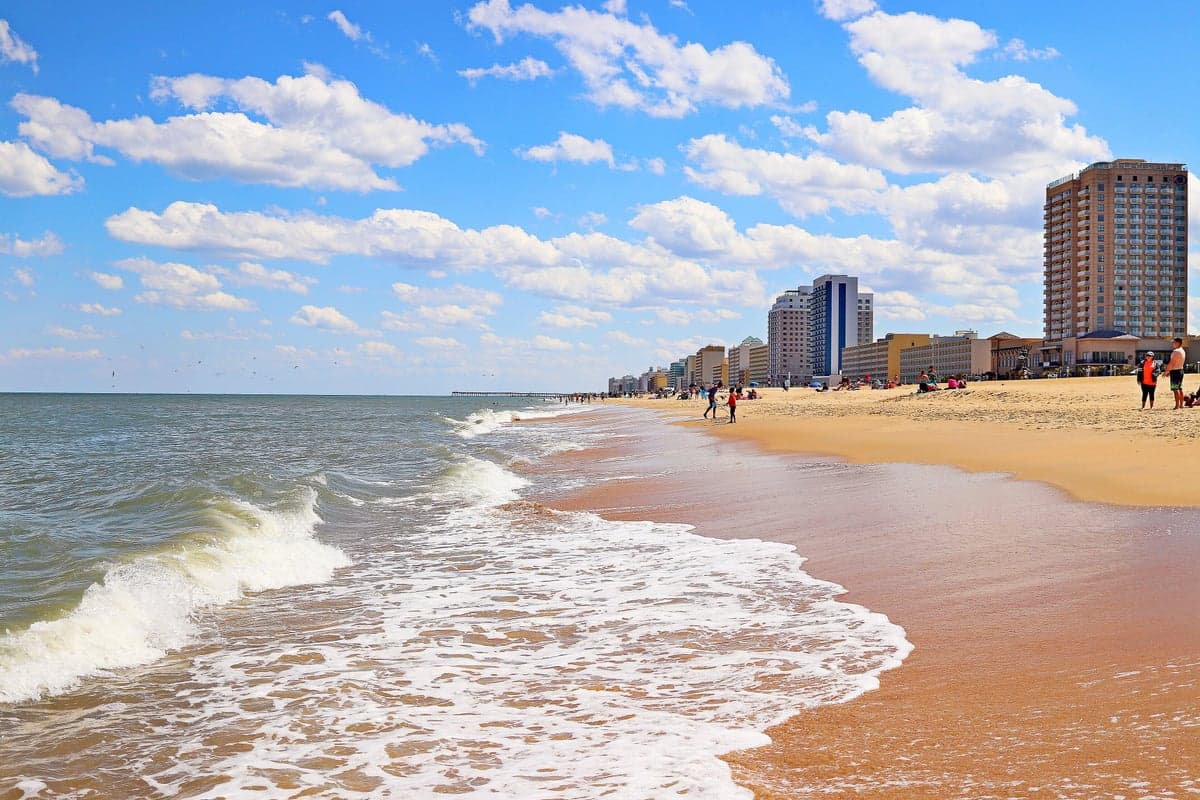
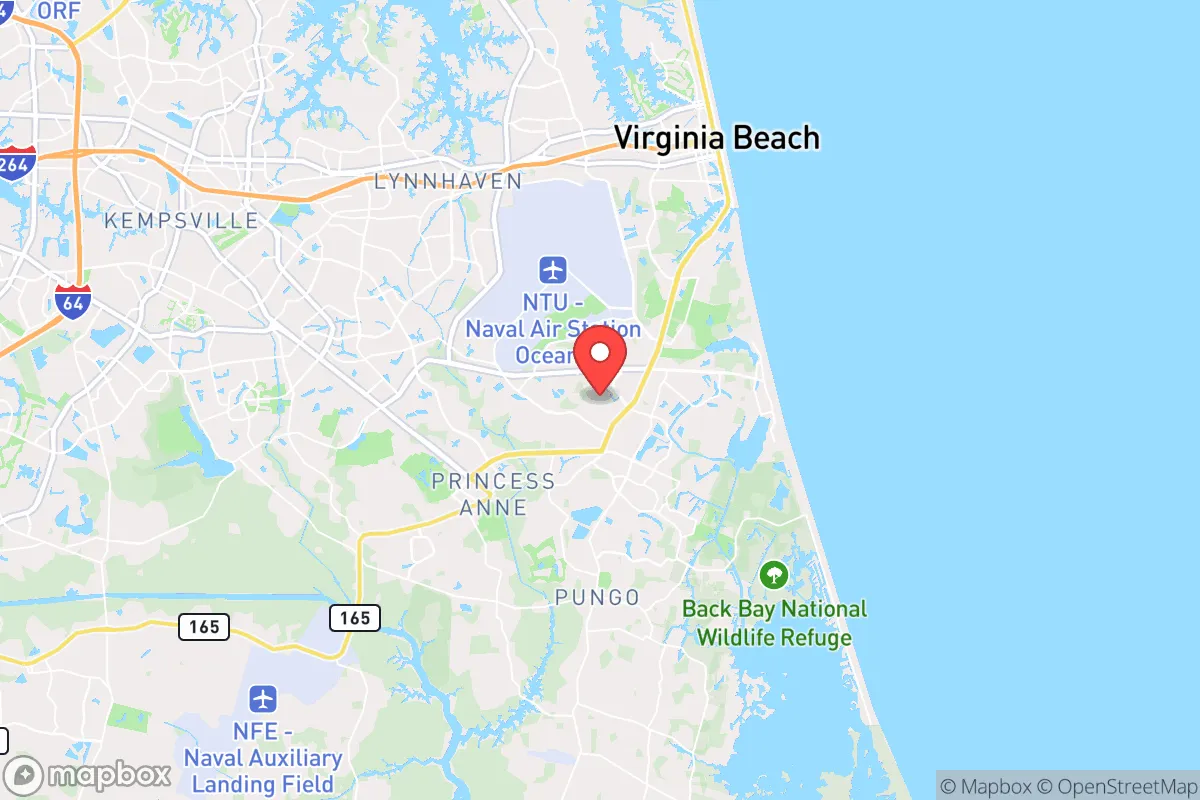
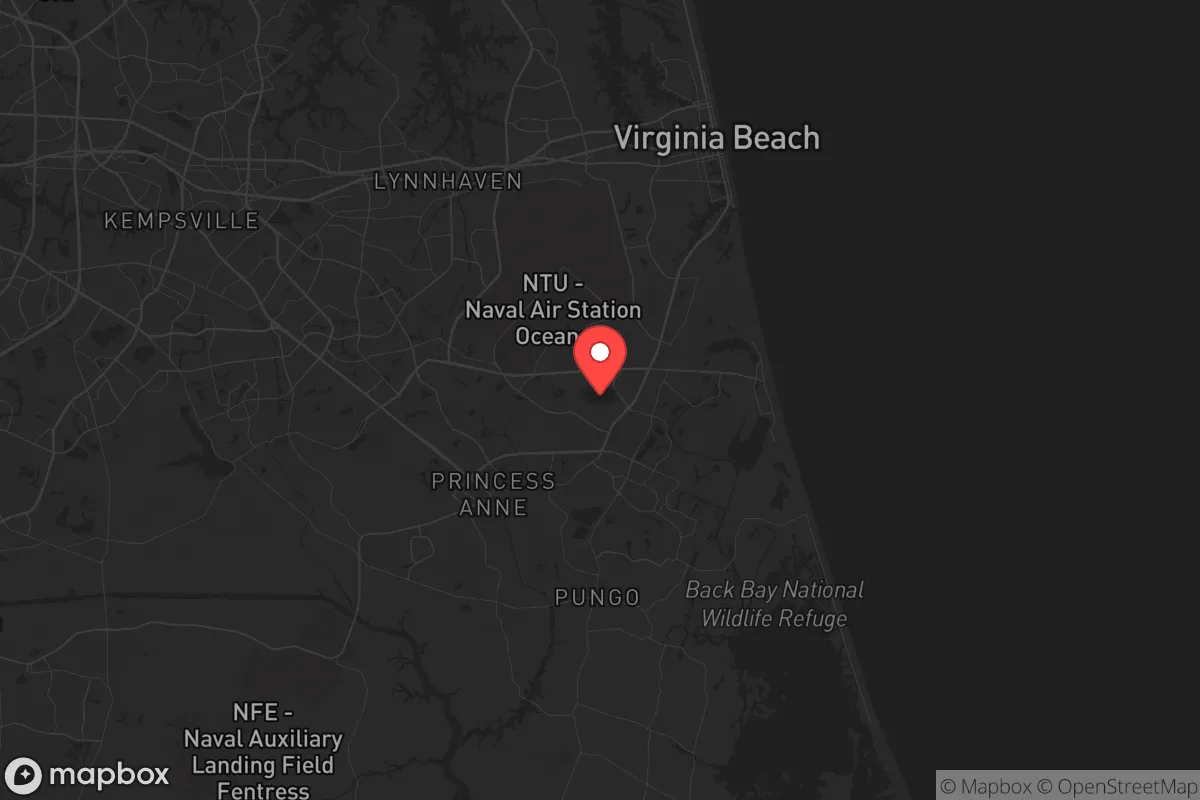
Photo: Wikipedia
Strategic Assessment of Virginia Beach, VA
Multiple tactical vulnerabilities. Population density, target proximity, or disaster risk are likely compounding. A retreat property and exit planning is required.
What does the Strategic Assessment tell us?
Our Strategic Assessment grades tactical survivability of an area. Major population centers, military targets, fallout zones, natural disasters, and border exposure all drive risk — lower exposure means a more defensible position in a crisis.
This is heavily inspired by Joel Skousen's Strategic Relocation book. Highly recommended you checkout the book ($)What does this tell us?
Our Strategic Assessment grades tactical survivability of an area. Major population centers, military targets, fallout zones, natural disasters, and border exposure all drive risk — lower exposure means a more defensible position in a crisis.
This is heavily inspired by Joel Skousen's Strategic Relocation book. Highly recommended you checkout the book ($)Strategic Pillars

Key Distances
Regional Safe Places
Below is our recommended "safe zones" in Virginia and the surrounding area based on our strategic heuristics. For most people, it's unrealistic to live in a “safe zone” full-time due to work, family or other personal reasons. They tend to be more rural. However, many of these areas are perfect for second homes and retreat properties that double as a vacation home or even a short-term rental.
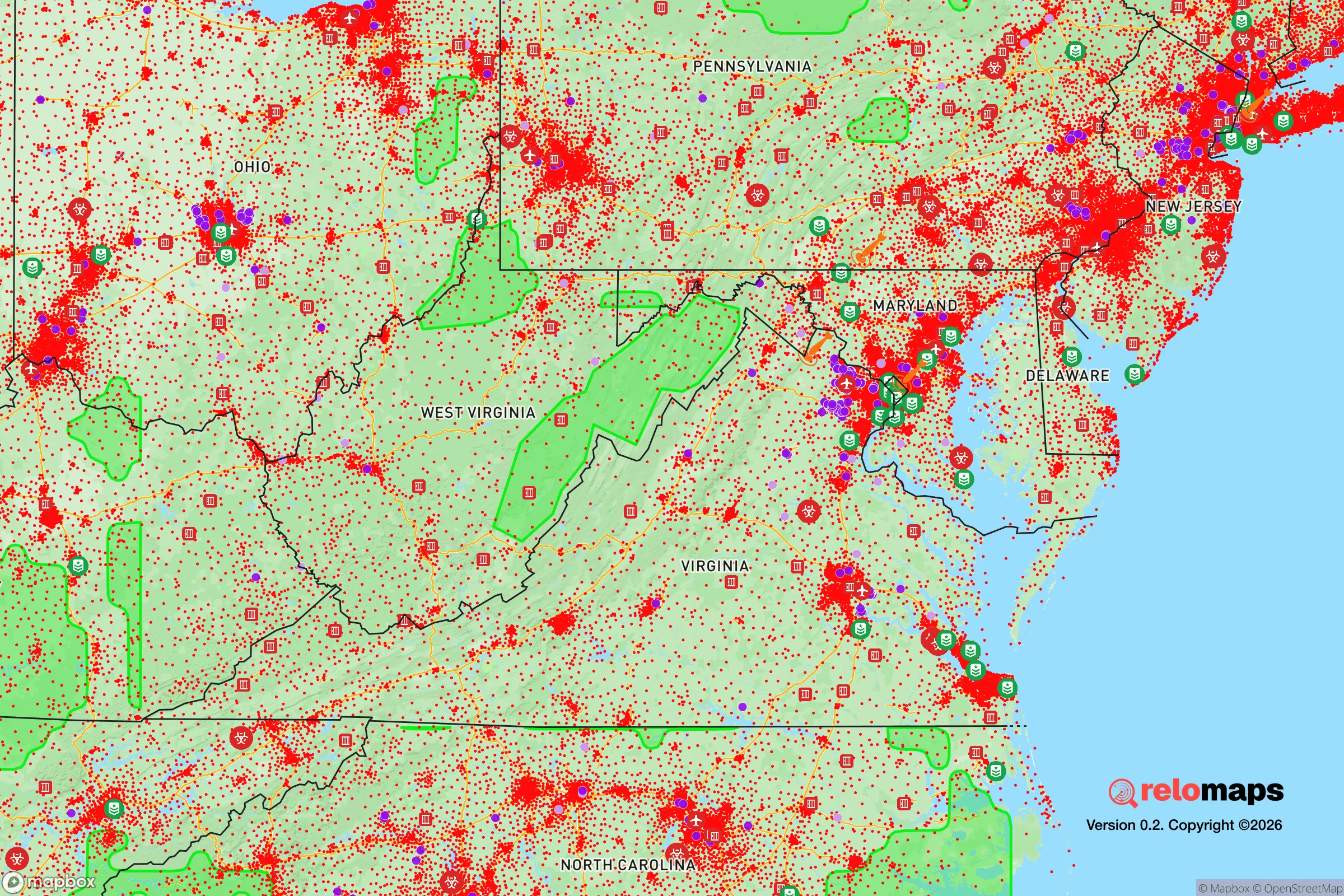
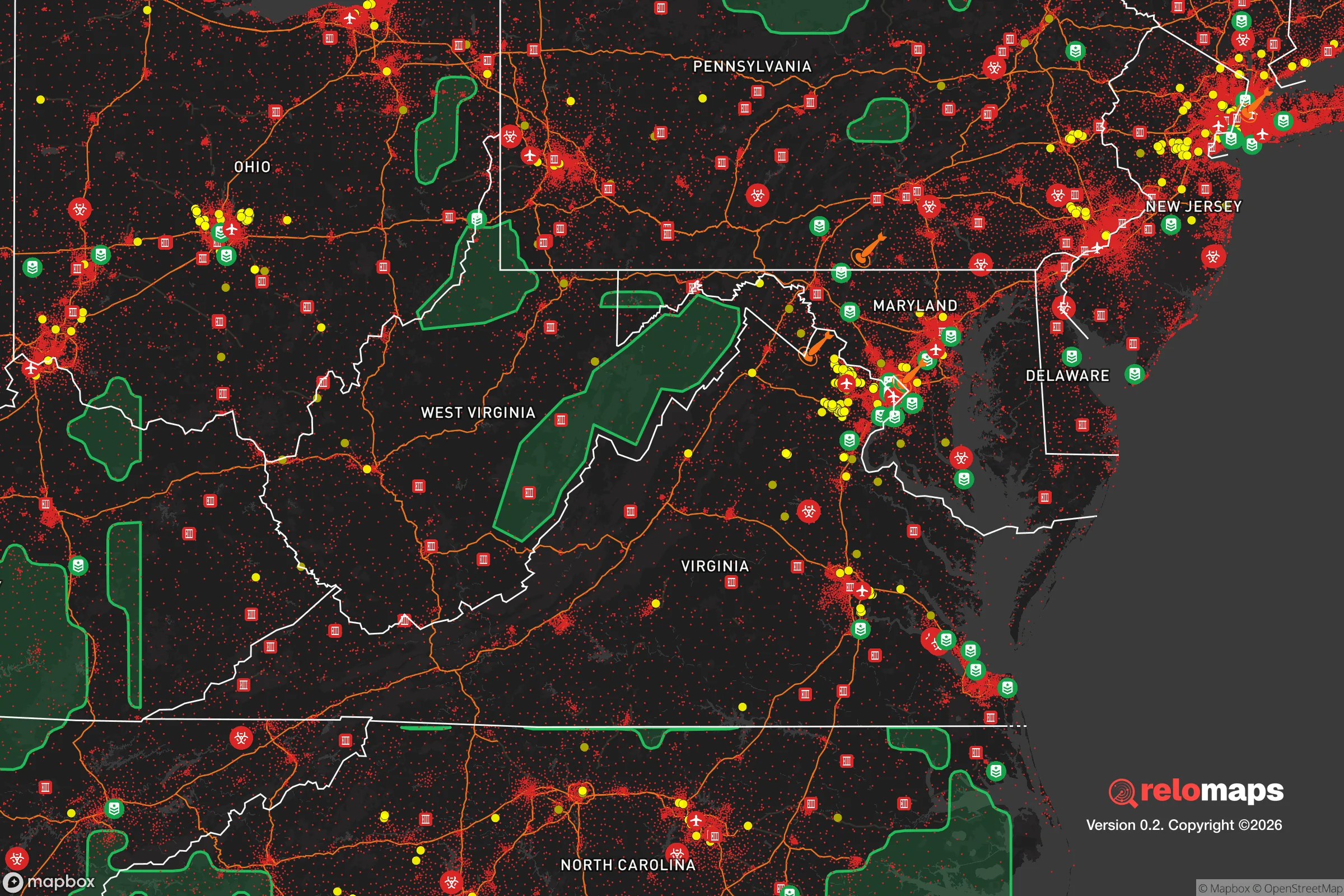


Important Note: For informational purposes only. This does not mean nothing bad ever happens in the green zones. Please use common sense. This is based on public data and modeled with AI. We tried to take a conservative approach but mistakes happen. We update this regularly as new information becomes available.
Solar Generator Recommendations
Backup power matters more here than in safer locations. We've picked three solar generators across budgets and capacity tiers — start with the budget unit if you only need a few essentials, or step up if you want to run a fridge and HVAC for days at a time.

Jackery Portable Power Station Explorer 300
Budget OptionPower on the Go: Weighing only 11 lbs, it's convenient to set up and store with book-sized foldable solar panels

BLUETTI Portable Power Station AC180
Designed for both indoor and outdoor scenarios, AC180 is highly capable as it has a robost capacity and continuous output power.

EF ECOFLOW DELTA Pro Ultra Power Station
Upgraded PickEcoFlow DELTA Pro Ultra is a whole-home energy system designed to grow with your family. Integrated with the Smart Home Panel 2, it scales to meet your evolving energy needs — keeping your home powered, intelligent, and secure through every stage of life.
We earn a commission, at no additional cost to you.
Strategic Assessment Analysis
Virginia Beach offers a mixed strategic picture for the conservative prepper. Its coastal position provides natural buffers and access to maritime escape routes, but its proximity to major military and population centers introduces significant risk vectors. For a relocator prioritizing long-term resilience, the area demands a clear-eyed assessment of both its geographic advantages and its exposure to cascading threats from nearby high-value targets.
Geographic position and natural advantages for long-term survival
Virginia Beach sits at the southeastern tip of the state, where the Chesapeake Bay meets the Atlantic Ocean. This location provides a natural defensive barrier: the city is flanked by water on three sides, limiting ground-based ingress points. The surrounding region includes the Great Dismal Swamp and the Back Bay National Wildlife Refuge, offering dense, undeveloped terrain that could serve as a buffer zone or fallback area. The city’s elevation is low—averaging just 12 feet above sea level—but the flat, sandy soil supports ample groundwater recharge, and the area receives roughly 46 inches of rainfall annually. For a prepper, this means freshwater availability is less of a concern than in arid regions, and the local water table is accessible via shallow wells in many parts of the city. The maritime climate also moderates temperature extremes, reducing the strain on off-grid heating and cooling systems. However, the same proximity to water that offers escape routes also makes the area vulnerable to storm surge and sea-level rise, a trade-off that must be factored into any long-term plan.
Risks, exposures, and proximity to fallout-relevant landmarks
The most significant strategic liability is Virginia Beach’s proximity to Naval Station Norfolk, the world’s largest naval base, located just 20 miles west. This is a Tier-1 target in any major conflict scenario. A kinetic or electromagnetic pulse (EMP) strike on Norfolk would likely disrupt power grids, communications, and supply chains across the entire Hampton Roads region, including Virginia Beach. Additionally, the city itself hosts Naval Air Station Oceana, a master jet base for the U.S. Navy, and Joint Expeditionary Base Little Creek-Fort Story, which specializes in amphibious and special operations. These installations are both assets and liabilities: they provide a strong military presence that could deter localized unrest, but they also make the area a primary target for adversaries. In a civil unrest scenario, the concentration of military personnel and equipment could create a stabilizing force, but the same assets could become a flashpoint if federal authority is contested. The city’s population of roughly 460,000 swells with tourists in summer, adding to the logistical strain during a crisis. For a relocator, the key takeaway is that Virginia Beach is not a retreat; it is a forward operating base with all the risks that entails.
Practical resilience for a relocator: food, water, energy, and defensibility
On the practical side, Virginia Beach offers some genuine advantages for a prepared individual or family. The local food system is robust: the area is part of the Mid-Atlantic agricultural belt, with farms in neighboring Chesapeake and Suffolk producing soybeans, corn, and livestock. The Atlantic and Chesapeake Bay provide year-round access to seafood, including blue crabs, oysters, and finfish, which can be caught or trapped with basic gear. Water is plentiful from the Lake Gaston pipeline and the Norfolk aquifer, but municipal supply is vulnerable to power loss and contamination. A prepper should plan for a well or rainwater catchment system, as the city’s flat terrain makes surface water collection feasible. Energy infrastructure is a mixed bag: the region is served by Dominion Energy, which relies on a mix of natural gas, nuclear (Surry Power Station, 40 miles west), and renewables. A grid-down scenario would likely require solar panels with battery storage, as the area’s frequent cloud cover reduces solar efficiency in winter. Defensibility is the weakest link. The city’s suburban sprawl and dense neighborhoods make it difficult to secure a single property without drawing attention. Rural areas to the south and west, such as Pungo or Creeds, offer more acreage and lower population density, but they also lack the infrastructure for rapid resupply. For a relocator, the best approach is to secure a property with a well, septic, and solar array in one of these outlying communities, while maintaining a low profile and building relationships with like-minded neighbors.
The overall strategic picture for Virginia Beach is one of high risk and moderate reward. It is not a place to ride out a major conflict or a complete societal collapse, given its target-rich environment and population density. However, for those who can afford the real estate and are willing to invest in hardening a property, it offers a unique combination of natural resources, military stability, and maritime escape options. The key is to treat Virginia Beach as a staging area rather than a final destination—a place to build skills, stockpile supplies, and maintain a network, with a pre-planned bug-out route to the rural interior or the coast. For the conservative prepper who values community and access to resources over absolute isolation, Virginia Beach can work, but only with a clear-eyed plan and a willingness to adapt to its inherent vulnerabilities.

* Values derived from national, state, county, city and local statistics and may differ in a specific area. Last updated: 2026-04-24T01:53:40.000Z
Narrative content on this page is AI-generated and may contain mistakes. Verify any details that matter before acting on them.
ReloMaps may earn a commission from affiliate links at no extra cost to you.

