Photo: Wikipedia
Find The Best Places To Live in Rappahannock County
PRO TIP! You can paste a Zillow or Redfin link to get info on that property.
Best Places to Live in Rappahannock County
Cities & Towns in Rappahannock County
Cities in Rappahannock County
What It's Like Living in Rappahannock County, VA
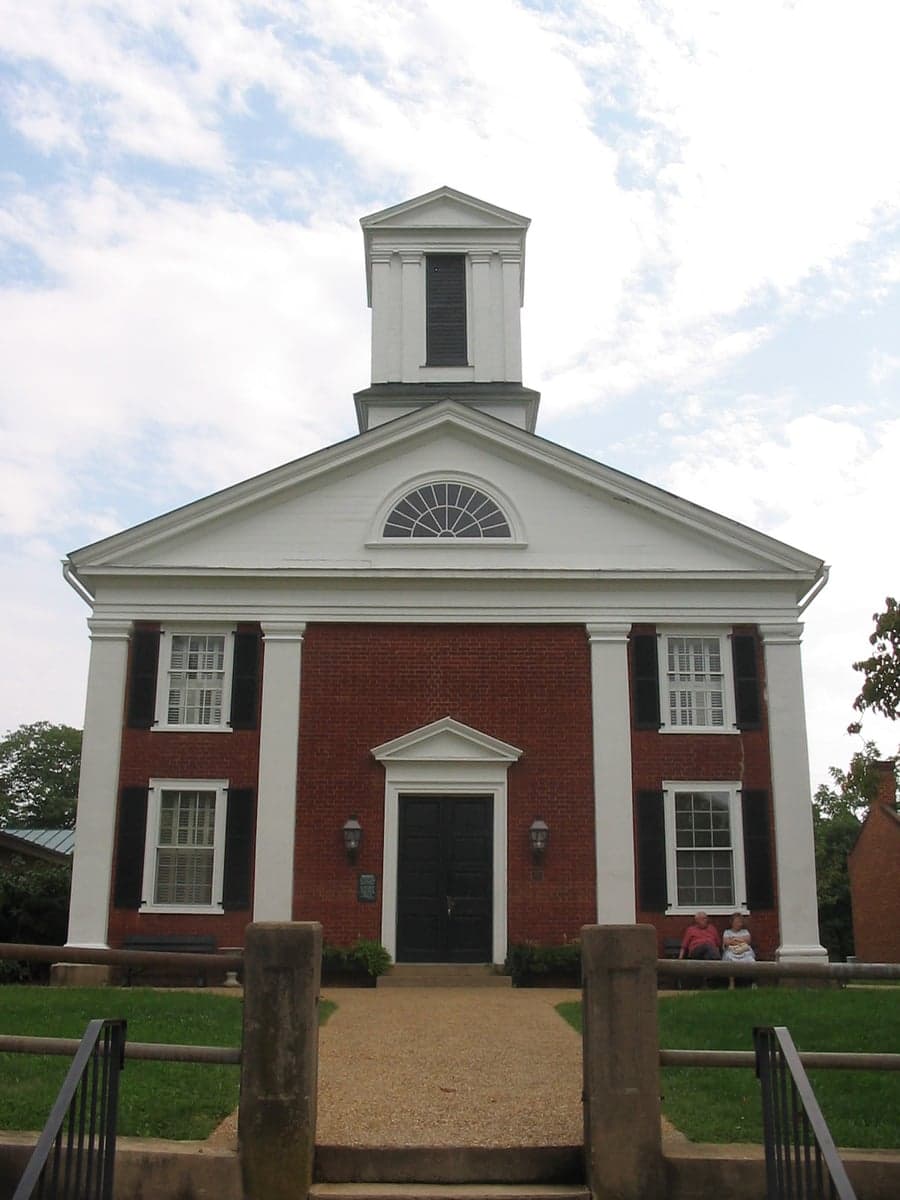
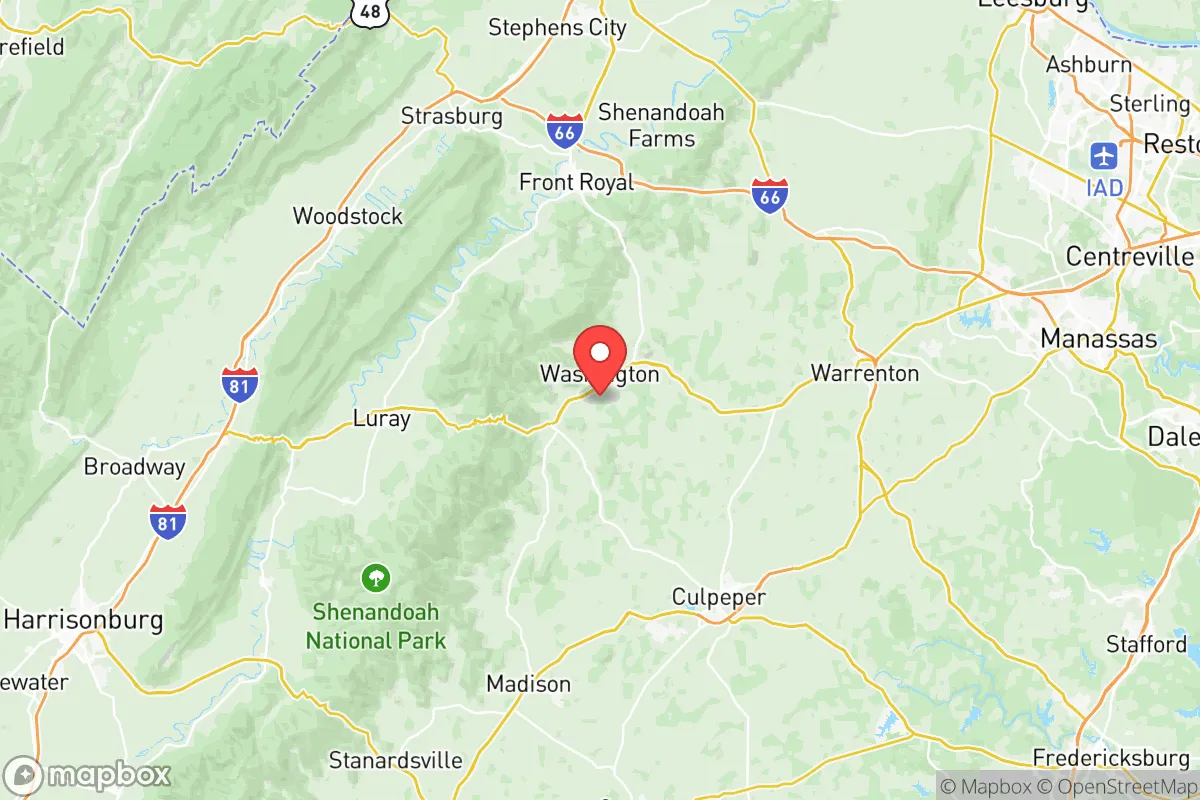
Living in Rappahannock County means trading stoplights for stop signs and convenience-store chatter for genuine quiet. This is the smallest county in Virginia by population—just over 7,400 residents—and it feels like a place that time forgot on purpose. There’s no Walmart, no traffic light, and no chain restaurants; instead, you get winding roads through the Blue Ridge foothills, a handful of general stores, and a pace of life that forces you to slow down whether you’re ready or not.
The Daily Rhythm in a Place Without a Stoplight
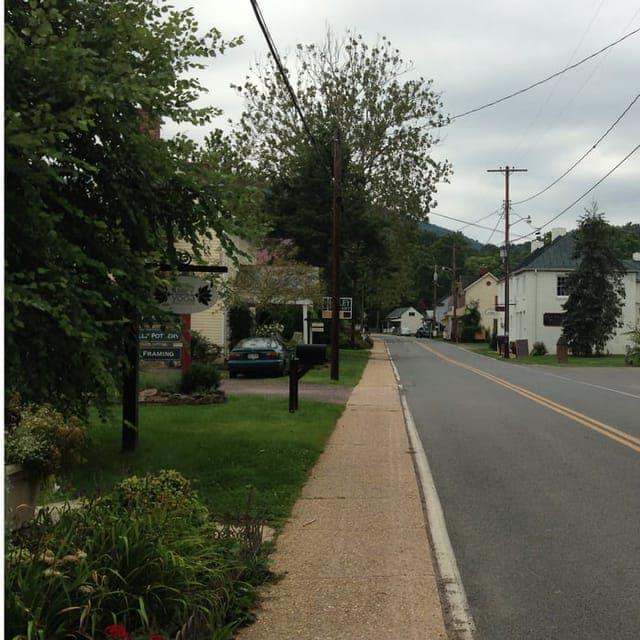
Most mornings here start with a drive. The average commute clocks in at about 36 minutes, which makes sense when the nearest grocery store or hardware store might be 20 minutes away in Little Washington—the county seat and the only real town—or across the line into Warrenton in Fauquier County. People who live here tend to work remotely, farm, or run small businesses; the county’s median income of $98,125 reflects a mix of telecommuters and landowners, not factory wages. You’ll see folks grabbing coffee at the Rappahannock County Mercantile in Little Washington, picking up produce at the Rappahannock Farmers Market on Saturday mornings, or stopping by Copper Fox Antiques in Sperryville for a weekend find. Evenings are quiet—dinner at Patty’s Place in Sperryville or a glass of wine at Gadino Cellars is about as lively as it gets. The median age of 50.1 tells you this isn’t a place for the nightlife crowd; it’s for people who value solitude, space, and knowing their neighbors by first name.
Who Fits In—and Who Doesn’t
Rappahannock County attracts a specific type: people who don’t mind driving 30 minutes for milk, who own a pair of hiking boots and a good rain jacket, and who can afford a home that’s likely to cost $490,200—well above the national median, with a cost of living index of 141. That price tag puts it out of reach for many young families, but it also means the county has avoided the sprawl that’s swallowed parts of Warrenton and Culpeper. The kind of person who thrives here is often a remote professional, a retiree, or a creative looking for cheap land relative to Charlottesville (45 minutes south) or Washington, D.C. (90 minutes east). Families do live here, but the school system is small—just one elementary, one middle, and one high school—and the community revolves heavily around school events like Friday-night football games at Rappahannock County High School. If you want your kids in a big district with every extracurricular, this isn’t it. If you want them to know every kid in their class by name, it might be.
What There Is to Do (and What There Isn’t)
Outdoor life is the main event. Shenandoah National Park runs along the county’s western edge, and the Rappahannock River cuts through the middle, offering fishing, tubing, and hiking on the Hazel River Trail. The Rappahannock County Park in Washington has ball fields and a walking track, but most recreation happens on private land or in the national forest. For entertainment, the Rappahannock Art Center in Sperryville hosts rotating exhibits, and the Little Washington Theatre shows second-run movies on weekends. The biggest annual event is the Rappahannock County Fair in August—think livestock shows, carnival rides, and a demolition derby that draws people from Flint Hill and Huntly. There’s also the Rappahannock Winter Festival in December, with a Christmas parade through Little Washington. What you won’t find: a movie theater, a bowling alley, a mall, or any chain restaurant. The closest Target is 35 minutes away in Culpeper. That’s either a feature or a bug, depending on your tolerance for driving.
Pros and Cons of Living Here
- Pro: Genuine quiet. No highway noise, no streetlights, no sirens. The violent crime rate of 210.4 per 100,000 is slightly above the national average, but most crime here is property-related—theft from unlocked cars, not random violence. Neighbors look out for each other.
- Con: Isolation. The 36-minute average commute is real, and if you need a specialist doctor, a major airport, or a decent selection of restaurants, you’re driving to Warrenton, Culpeper, or even Charlottesville. Snow can shut down the winding roads for days.
- Pro: Strong community identity. The county has a fierce independent streak—locals fought to keep out a Walmart in the 2000s, and the Rappahannock County Board of Supervisors is known for resisting development. People here take pride in the lack of chain stores.
- Con: Limited job market. With a median age of 50.1 and only 35.6% of adults holding a college degree, the local economy leans on agriculture, tourism, and remote work. If you lose your job, you’re likely commuting or moving.
- Pro: Access to nature. You can be on the Appalachian Trail in 20 minutes from Sperryville, and the Skyline Drive entrance is right there. Hunting, fishing, and horseback riding are part of daily life for many.
- Con: High cost of living. The 141 cost-of-living index is driven almost entirely by housing. Median home values at $490,200 mean renters struggle—there are very few rental properties, and those that exist are expensive for the area.
Rappahannock County isn’t for everyone, and it doesn’t try to be. It’s a place where you trade convenience for character, where the biggest decision of your week might be whether to drive to Little Washington or Sperryville for dinner. If that sounds like a good trade, you’ll fit right in.

* Values derived from national, state, county, city and local statistics and may differ in a specific area. Last updated: 2026-09-19T01:45:25.000Z
Narrative content on this page is AI-generated and may contain mistakes. Verify any details that matter before acting on them.
ReloMaps may earn a commission from affiliate links at no extra cost to you.

