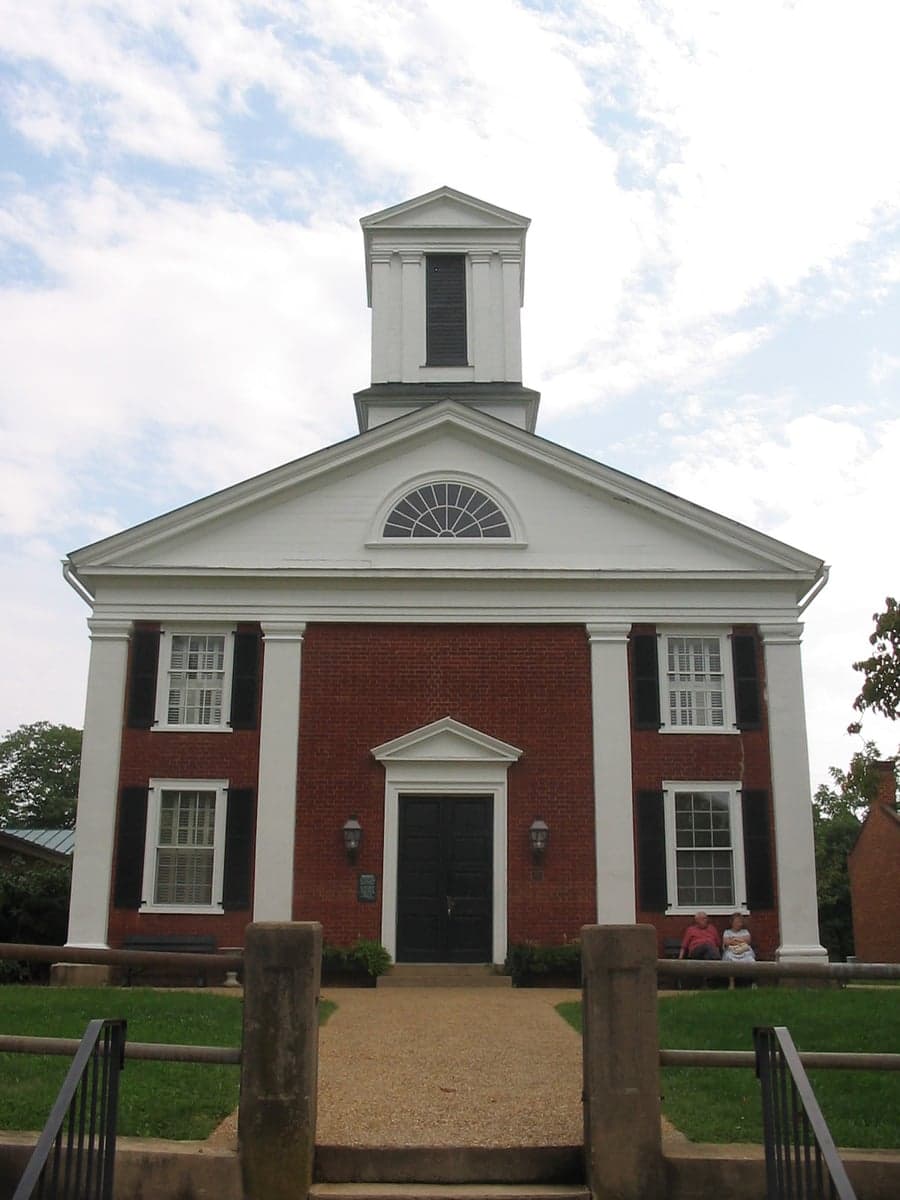
Photo: Wikipedia
Quality of Life in Rappahannock County
A livable area that tracks near national norms for affordability, walkability, and neighborhood health.
What does Quality of Life tell us?
Quality of Life measures an area by evaluating factors like cost of living, nearby amenities, country club access, airport proximity, socioeconomic signals and neighborhood character. For large states, this is a general average — quality of life can vary dramatically between metro areas, suburbs, and rural communities within the same state.
What does this tell us?
Quality of Life measures an area by evaluating factors like cost of living, nearby amenities, country club access, airport proximity, socioeconomic signals and neighborhood character. For large states, this is a general average — quality of life can vary dramatically between metro areas, suburbs, and rural communities within the same state.
Cost of Living
41% above national average
70%
The Real Cost of Living in Rappahannock County for 2026
| Tier | Individual | Family (4) |
|---|---|---|
| Survival | $22k | $42k |
| Comfortable | $95k | $140k |
| Luxury | $177k+ | $275k+ |
| Elite (Top 5%) | $238k+ | $369k+ |
Quality-of-Life Analysis
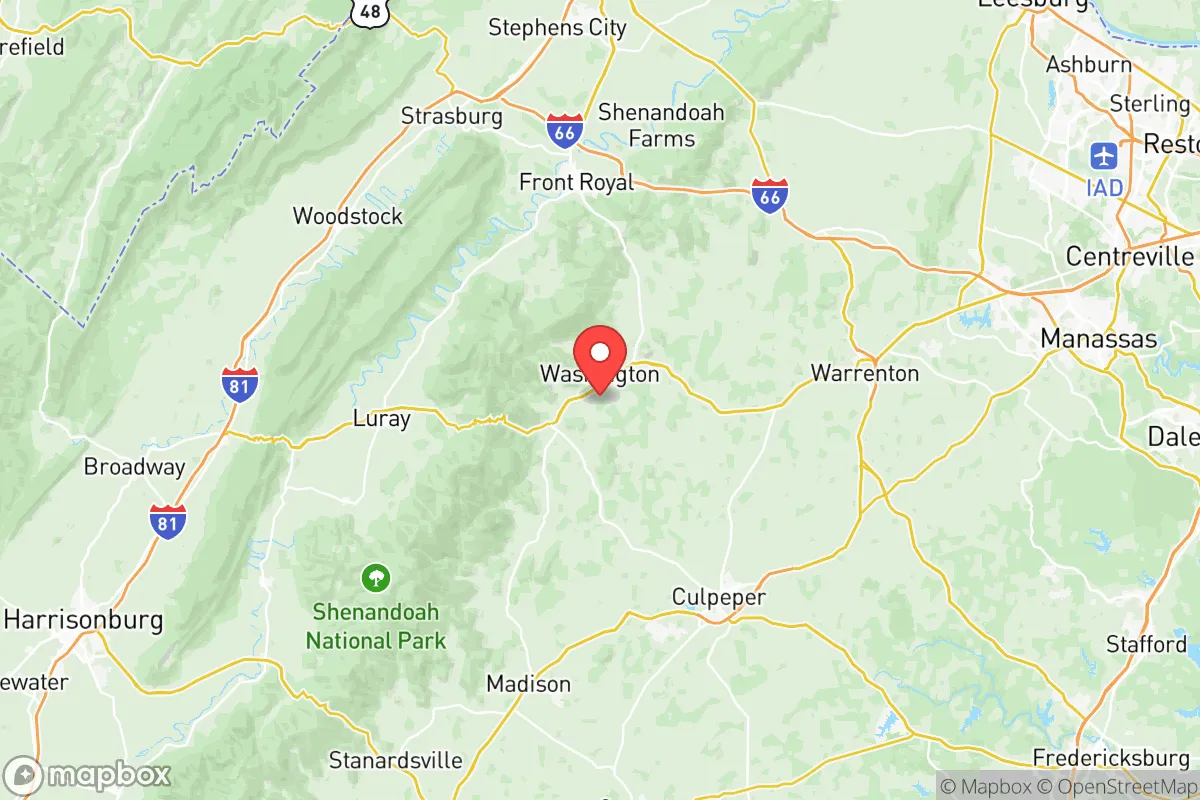
Rappahannock County, Virginia, offers a quality-of-life spectrum that ranges from the walkable, amenity-rich village of Washington to the deeply secluded hollows of the Blue Ridge foothills, drawing both second-home owners seeking weekend retreats and long-time farming families who have worked the land for generations. The county’s character is defined by its lack of a single dominant town; instead, it is a patchwork of small crossroads communities, each with a distinct identity, connected by winding two-lane roads. With a cost-of-living index of 141 (41% above the U.S. average) and a median home value of $490,200, the county leans expensive, but the price tag buys proximity to Shenandoah National Park and a pace of life that feels decades removed from the Washington, D.C. metro area, despite an average commute of 36.4 minutes for those who do make the drive.
Largest town(s) & population centers
The unincorporated village of Washington (population roughly 135) functions as the county’s de facto cultural and commercial hub, despite its tiny size. Daily life here revolves around the historic inns—the Inn at Little Washington and the Thornton River Grille—along with a handful of art galleries, a well-stocked general store, and the county library. Residents walk between the post office and the café, and the village green hosts seasonal farmers markets. Sperryville, about six miles west, is the other main population node, centered on the intersection of U.S. 211 and U.S. 522. Sperryville offers a more working-class feel, with a hardware store, a brewery, a distillery, and the Rappahannock County Public Library branch. Both towns serve as gathering points for the county’s 7,300 residents, but neither has a supermarket or a hospital; residents drive 20–30 minutes to Culpeper or Warrenton for groceries and medical care.
Smaller towns & rural pockets
Beyond Washington and Sperryville, the county is dotted with unincorporated communities that anchor distinct rural neighborhoods. Flint Hill, along U.S. 522, is a quiet crossroads with a post office, a volunteer fire station, and a handful of historic homes; it is popular with equestrian families due to its proximity to the Shenandoah National Park boundary. Woodville, near the Madison County line, is even more sparsely populated, with a single general store and a strong community of organic farms and vineyards. Viewtown, Slate Mills, and Huntly are unincorporated areas where homes sit on 10- to 50-acre parcels, often accessed by gravel roads. These pockets offer the deepest privacy and the lowest property taxes (the county’s real estate tax rate is $0.53 per $100 of assessed value), but they also lack public water, sewer, and high-speed internet in many stretches.
Cost & lifestyle range
The cost of living varies sharply across the county. At the high end, Washington and the immediate surroundings command median home values well above the county average of $490,200, with renovated historic homes and modern farmhouses often listing between $600,000 and $1.2 million. The median rent of $1,384 is modest by Northern Virginia standards but high for a rural county, reflecting limited rental inventory. At the lower end, Woodville and Flint Hill offer older fixer-uppers and mobile homes on acreage for $250,000–$350,000, though these properties often require well and septic maintenance. Lifestyle differences are equally pronounced: Washington residents can walk to dinner and gallery openings, while those in Huntly or Slate Mills may drive 15 minutes to the nearest paved road. Amenities like the Rappahannock County Park (with ball fields and a community pool) and the county’s two public schools (Rappahannock County Elementary and Rappahannock County High School) serve the entire county, but access to them varies by location.
Rappahannock County is best suited for those who value solitude, natural beauty, and a strong sense of community over convenience and urban amenities. Retirees, remote workers with reliable internet (Starlink is common in the hollows), and second-home owners from the D.C. area thrive here, while families seeking schools, jobs, or shopping may find the trade-offs too steep. The county’s spectrum of options—from the social village life of Washington to the off-grid quiet of Woodville—ensures that almost any rural lifestyle preference can be met, provided the buyer is prepared for the realities of rural living.

Crime in Rappahannock County
Generally safer than 60% of comparable U.S. locations.
Violent CrimeViolent Crime Analysis
Property CrimeProperty Crime Analysis
Crime Analysis
Rappahannock County, Virginia, is one of the safest rural counties in the Commonwealth, with a violent crime rate of 210.4 per 100,000 residents and a property crime rate of 1,393.7 per 100,000. These figures place the county well below national averages for both categories, though property crime remains a more tangible concern for residents in unincorporated areas like Sperryville and Washington. The county’s small population—roughly 7,300—and its distance from major urban centers contribute to a generally low-risk environment, but localized trends and the influence of the broader judicial district warrant careful attention.
Crime in context
Rappahannock County’s violent crime rate of 210.4 per 100,000 is roughly 40% lower than the national average of 380 per 100,000 and significantly below Virginia’s state average of 240 per 100,000. Property crime, at 1,393.7 per 100,000, is also below the national figure of 1,954 per 100,000, though it is slightly elevated compared to Virginia’s average of 1,250 per 100,000. The county is part of the 20th Judicial Circuit, which includes the more populous and liberal-leaning city of Warrenton in Fauquier County. This circuit’s district attorney and judges, who operate under progressive sentencing philosophies, have been criticized by local law enforcement for prioritizing diversion programs and reduced incarceration for repeat property offenders. This judicial approach has a direct impact on Rappahannock County, as criminals arrested in the county are processed through the same circuit, potentially leading to earlier releases and higher recidivism for property crimes like theft and burglary in towns such as Flint Hill and Castleton.
What residents experience
For most residents, daily life in Rappahannock County feels very safe. Violent crime is rare, with the county recording zero homicides in most years and only a handful of aggravated assaults annually. The primary safety concern is property crime, particularly theft from vehicles and outbuildings in rural areas. Sperryville, the county’s largest village and a gateway to Shenandoah National Park, sees a disproportionate share of these incidents due to tourist traffic and transient populations. Similarly, the historic town of Washington experiences occasional break-ins at unoccupied vacation homes. The county sheriff’s office maintains a visible presence, but response times can exceed 20 minutes in remote areas like Huntly and Viewtown. Residents are advised to secure vehicles and outbuildings, especially during peak tourist seasons. The progressive judicial policies in the 20th Circuit mean that even when property crime suspects are arrested, they often face minimal jail time, which frustrates victims and undermines deterrence. This is a particular concern for elderly residents living alone in isolated areas, who may feel vulnerable to repeat offenders cycling through the system.
Neighborhood-level variation is limited in Rappahannock County due to its rural character, but some patterns emerge. The unincorporated area around Chester Gap, near the Warren County line, has slightly higher reported incidents of larceny, likely due to its proximity to the more urbanized Front Royal area. In contrast, the western portion of the county, including Boston and Woodville, sees almost no crime, with residents often leaving doors unlocked. The county’s lack of a municipal police force means all law enforcement is handled by the sheriff’s office, which has 15 sworn deputies. This limited staffing, combined with the lenient judicial environment in Warrenton, means that property crime is underreported and under-prosecuted. For those considering relocation, the safest choice is to live in the more remote western communities, while those in Sperryville or Washington should invest in security systems and remain vigilant about opportunistic theft. The overall safety picture is positive, but the progressive justice system in the 20th Circuit is a persistent negative factor that residents and newcomers must account for.
* Values derived from national, state, county, city and local statistics and may differ in a specific area. Last updated: 2026-09-19T01:45:25.000Z
Narrative content on this page is AI-generated and may contain mistakes. Verify any details that matter before acting on them.
ReloMaps may earn a commission from affiliate links at no extra cost to you.

