
Photo by Nathaniel Villaire on Unsplash
Personal Sovereignty in Richmond City County
Viable for self-reliance. Generally workable, though some barriers may limit total independence.
What does Personal Sovereignty tell us?
Personal Sovereignty measures your capacity for self-reliance and independence with minimal government friction. Higher scores mean fewer barriers between you and the way you want to live... but it assumes you have the space you need and good neighbors.
What does this tell us?
Personal Sovereignty measures your capacity for self-reliance and independence with minimal government friction. Higher scores mean fewer barriers between you and the way you want to live... but it assumes you have the space you need and good neighbors.
State Policy
Energy independence: Importer (20% of energy produced in-state)
Personal Liberty
Homesteading

Personal Liberty Analysis
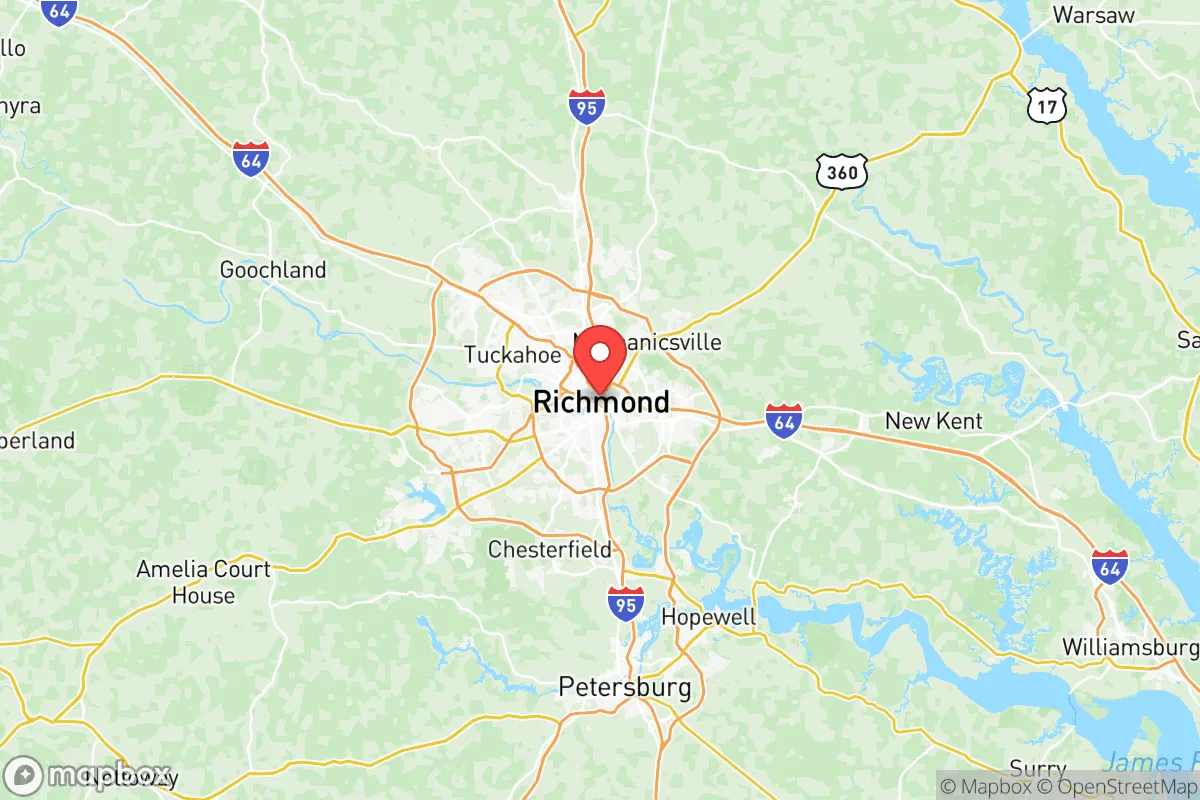
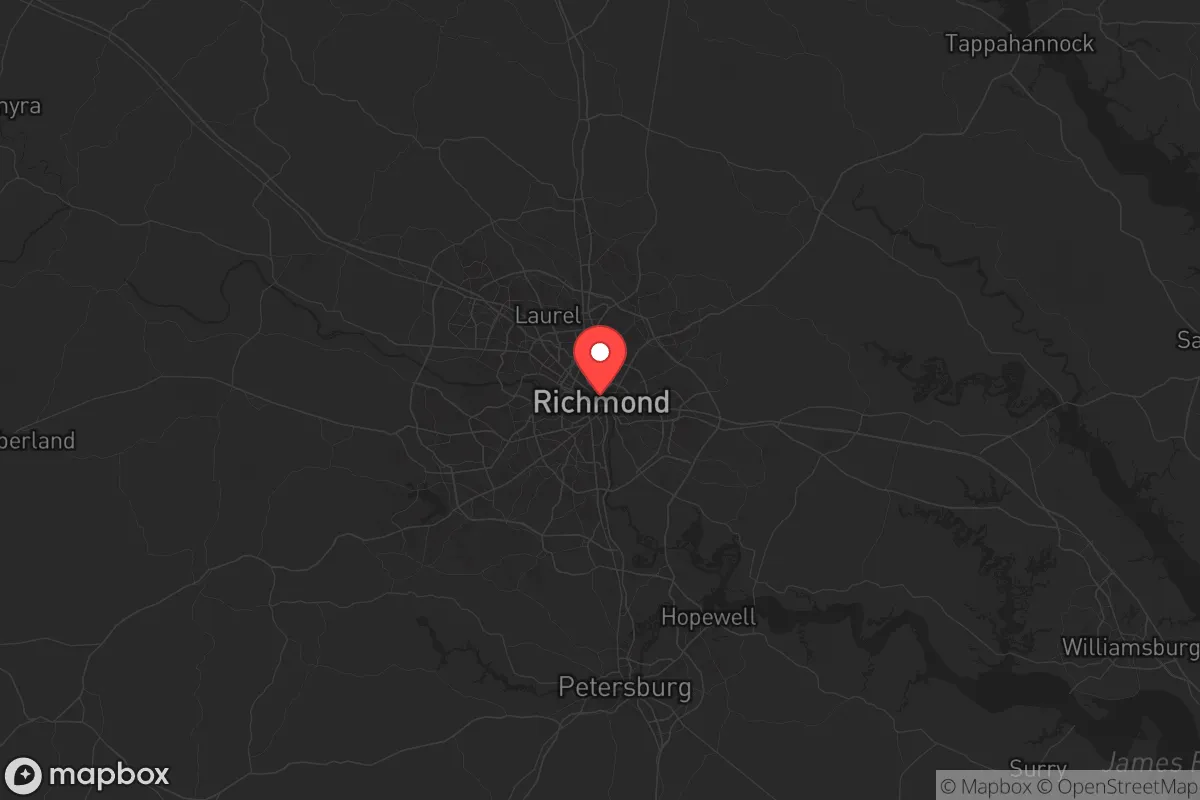
Richmond City County presents a paradox for the liberty-minded individual: the urban core of Virginia’s capital is a dense, high-regulation environment where personal sovereignty is constantly negotiated against state and local authority, yet the surrounding county and exurban fringe offer pockets where self-reliance and autonomy are still viable. For the single prepper or family seeking to minimize government overreach, the key is understanding that Richmond City itself is a political island—heavily Democratic, with a city council that has pursued zoning restrictions, tax increases, and public health mandates that rankle conservative sensibilities. However, the broader Richmond region, including areas like Chesterfield County to the south and Hanover County to the north, provides a starkly different regulatory climate where property rights, gun culture, and homesteading opportunities are far more robust. The sovereignty picture here is not uniform; it is a patchwork where your zip code determines how much the state and local government can intrude on your daily life.
Tax burden and regulatory posture in Richmond City vs. surrounding counties
Richmond City’s tax burden is among the highest in Virginia for its size, with a combined state and local sales tax rate of 6.0% (the state maximum) and a real estate tax rate of $1.20 per $100 of assessed value as of 2025. This is significantly steeper than neighboring Chesterfield County ($0.96) or Hanover County ($0.85). For a prepper or homesteader, the city’s regulatory posture is equally burdensome: Richmond has strict building codes, a lengthy permitting process for any structural changes, and a zoning code that effectively bans most forms of backyard agriculture, livestock, or accessory dwelling units on standard residential lots. The city’s recent push for “green” building mandates and energy efficiency upgrades adds another layer of compliance cost. In contrast, Chesterfield County and Hanover County have more permissive zoning for outbuildings, gardens, and even small-scale poultry operations, and their tax rates leave more capital in your hands for self-reliance investments. For the liberty-minded individual, the regulatory drag of Richmond City is a clear negative—government overreach is baked into the local code, and fighting it requires time and money that could be spent on preparedness.
Self-defense and gun law specifics in the Richmond region
Virginia is a “shall-issue” state for concealed carry permits, and Richmond City does not impose its own additional restrictions beyond state law—meaning no city-specific magazine bans or assault weapon prohibitions. However, the political climate in the city is hostile to gun rights: the Richmond City Council has repeatedly passed symbolic resolutions supporting state-level gun control, and the Richmond Police Department is known for aggressive enforcement of “brandishing” and “disorderly conduct” statutes that can be used to harass lawful carriers. For the survivalist, the practical reality is that open carry is legal in Virginia without a permit, but doing so in downtown Richmond or near the Capitol Square will attract police attention and potential legal hassle. The better move is to live in Chesterfield or Hanover counties, where sheriff’s offices are pro-Second Amendment, and where you can find gun ranges, training facilities, and a community that doesn’t view firearms as a threat. Specific towns like Midlothian (Chesterfield) and Ashland (Hanover) have a strong gun culture, with multiple indoor and outdoor ranges within a 20-minute drive. For the prepper, the key takeaway is that while Richmond City won’t confiscate your guns, it will make you feel like an outsider for carrying them—a subtle but real erosion of personal sovereignty.
Self-reliance and homesteading viability: lot sizes, zoning, and off-grid feasibility
Richmond City’s dense urban grid—with typical lot sizes of 0.1 to 0.25 acres—makes any serious homesteading or off-grid living nearly impossible. The city’s zoning code prohibits keeping chickens, goats, or bees on most residential lots, and any attempt to install solar panels or rainwater collection systems requires permits and inspections that can take months. For the prepper seeking self-reliance, the city is a dead end. However, the exurban fringe of Richmond City County—areas like Varina (eastern Henrico) and Montpelier (western Hanover)—offers a different story. Here, lot sizes of 1 to 5 acres are common, zoning is agricultural or rural residential, and you can legally keep livestock, build a workshop, and install off-grid infrastructure without bureaucratic pushback. Goochland County, just west of Richmond, is particularly attractive for homesteaders, with 5-acre minimum lot sizes in many rural zones and a county government that is historically pro-property rights. Off-grid feasibility is limited by Virginia’s building codes (which still require a septic system and well permit), but solar panels, battery storage, and rainwater cisterns are all legal and increasingly common. For the family looking to reduce dependence on the grid and the state, the smart move is to buy land in the western or northern exurbs, not in the city itself.
Personal liberties: parental rights, medical autonomy, speech, and property
Virginia’s state-level legal framework provides a baseline of personal liberties, but Richmond City’s local governance has a track record of overreach. On parental rights, Virginia law gives parents broad authority over their children’s education and medical decisions, but the Richmond City school board has pushed for policies that undermine this—such as mandatory social-emotional learning curricula and gender identity policies that do not require parental notification. For the conservative parent, this is a red flag. On medical autonomy, Virginia does not have a state-level vaccine mandate, but Richmond City has used emergency powers to impose mask mandates and vaccine requirements for city employees, setting a precedent for future health-related overreach. Free speech is protected under the First Amendment, but the city has a history of restricting public assembly near government buildings and has been criticized for selective enforcement of noise ordinances against political protesters. Property rights are the strongest area: Virginia’s “right to farm” laws and lack of statewide rent control mean that landowners in the county have significant control over their property, but Richmond City’s zoning and historic district regulations can severely limit what you can do with your home. For the liberty-minded individual, the city’s local government is a persistent threat to personal autonomy, while the surrounding counties offer a far more respectful environment.
Overall, Richmond City County is a study in contrasts for the sovereignty-seeking individual. The city itself is a high-tax, high-regulation environment where personal freedoms are constantly under pressure from a progressive local government. But the broader region—especially Chesterfield, Hanover, and Goochland counties—offers a much more favorable climate for self-reliance, gun rights, and homesteading. For the prepper or conservative family, the strategic choice is clear: live in the exurbs, commute if necessary, and treat Richmond City as a place to work or visit, not to build your life. Compared to deep-blue strongholds like Northern Virginia or the Tidewater region, the Richmond exurbs are a relative haven for personal sovereignty—but you have to be intentional about where you plant your flag.

* Values derived from national, state, county, city and local statistics and may differ in a specific area. Last updated: 2026-05-29T05:06:34.000Z
Narrative content on this page is AI-generated and may contain mistakes. Verify any details that matter before acting on them.
ReloMaps may earn a commission from affiliate links at no extra cost to you.

