
Photo by Nathaniel Villaire on Unsplash
Find The Best Places To Live in Richmond City County
PRO TIP! You can paste a Zillow or Redfin link to get info on that property.
Best Places to Live in Richmond City County
Cities & Towns in Richmond City County
Cities in Richmond City County
What It's Like Living in Richmond City County, VA
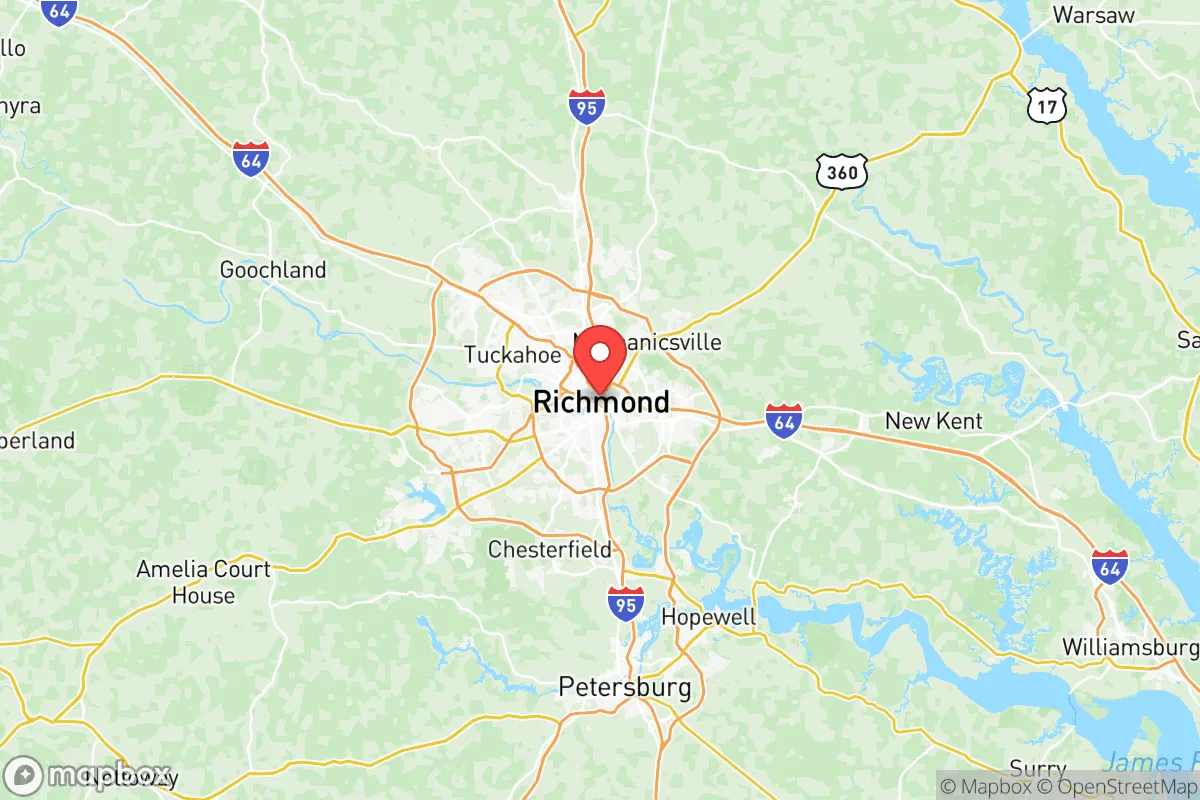
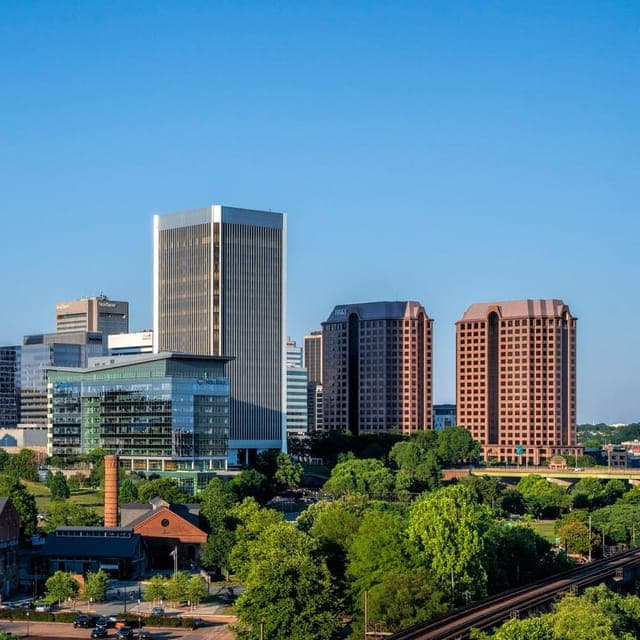
Living in Richmond City County, VA, feels like being part of a city that’s both proudly historic and restlessly modern, where the James River cuts through the middle and defines much of the local identity. It’s a place where you can grab craft beer in Scott’s Addition, paddleboard on the river in the morning, and catch a Flying Squirrels minor league baseball game at The Diamond that evening. The county is essentially the city of Richmond itself, a compact urban core of about 227,595 people that packs a lot of personality into its 62 square miles, with a median age of 34.5 that keeps the energy young and the weekend plans varied.
The Daily Rhythm: River City Living
Most people here don’t spend their weekends in a big-box store parking lot. Instead, daily life revolves around the James River Park System, a 600-acre urban oasis that draws runners, mountain bikers, and kayakers to spots like Belle Isle and the Pipeline Trail. The average commute is a mercifully short 22 minutes, which means you can live in the Fan District or the Museum District and get to work downtown in under 15 minutes without the soul-crushing traffic of Northern Virginia. The median income sits at $62,671, which is enough to afford the median home value of $328,100, though that cost of living index of 114 (14% above the national average) means housing isn’t cheap for everyone, especially younger renters competing for apartments in trendy areas like Shockoe Bottom.
For families, the public schools are a mixed bag—some, like those in the West End, are highly regarded, while others struggle with funding and performance, leading many parents to consider private options or move to neighboring Henrico County. The city’s 44.1% college-educated population feeds a knowledge-economy workforce anchored by Virginia Commonwealth University (VCU), the largest employer in the county, along with major health systems like Bon Secours and HCA. You’ll find a lot of young professionals, academics, and creative types here, along with a solid base of government workers and tradespeople who keep the city’s old infrastructure running.
Sports, Festivals, and Where You’ll Spend Your Evenings
Sports culture in Richmond is passionate but not overwhelming. The Richmond Flying Squirrels (the San Francisco Giants’ Double-A affiliate) draw solid crowds at The Diamond, but the real energy is around VCU Rams basketball at the Siegel Center, where games are loud, student-driven, and a genuine city event. High school football is a big deal at schools like Huguenot and Thomas Jefferson, but it doesn’t dominate the calendar the way it does in rural Virginia. What does dominate is the festival scene: the Richmond Folk Festival in October brings 200,000 people to the riverfront for free music and food, and the Watermelon Festival in Carytown is a quirky local tradition that shuts down the main drag for a day of seed-spitting contests and live bands.
For nightlife, you’ve got options. Scott’s Addition is the craft beer and cider hub, with spots like The Veil Brewing Co. and Buskey Cider drawing crowds of 20- and 30-somethings. The Fan District offers more laid-back bars like The Jasper and the venerable Bamboo Café, a dive bar that’s been around since the 1940s. Outdoor enthusiasts spend weekends on the James River, either floating in tubes from Reedy Creek to the 14th Street takeout or hiking the Buttermilk Trail. The city’s location on the fall line means the river has Class III and IV rapids right through downtown, something you won’t find in many other U.S. cities.
Pros and Cons of Living in Richmond City County
The honest upsides are real: a walkable urban core, a strong sense of local identity that resists chain-store homogenization, and a cost of living that, while rising, still beats D.C. or Charlotte. The violent crime rate of 206.6 per 100,000 is a genuine concern, particularly in certain neighborhoods like parts of the East End and Southside, and it’s something that comes up in conversations with longtime residents. Property crime is also an issue, especially car break-ins in popular areas like Carytown. On the weather front, summers are hot and humid, with July highs often hitting the low 90s, while winters are mild but gray, with occasional snow that shuts the city down for a day or two.
What frustrates locals most is the city’s infrastructure—potholes are legendary, and the Richmond Public Schools system has faced years of underfunding and leadership turnover. But what keeps people here is the cultural richness: the Virginia Museum of Fine Arts is free and world-class, the historic architecture in Church Hill and the Fan District is stunning, and the food scene punches well above its weight, with James Beard-nominated restaurants like L’Opossum and Mama J’s serving soul food that draws lines out the door. If you’re someone who values authenticity over polish, and you don’t mind a little grit alongside your history, Richmond City County is a place that rewards you with genuine character and a community that’s fiercely proud of its quirks.

* Values derived from national, state, county, city and local statistics and may differ in a specific area. Last updated: 2026-05-29T05:06:34.000Z
Narrative content on this page is AI-generated and may contain mistakes. Verify any details that matter before acting on them.
ReloMaps may earn a commission from affiliate links at no extra cost to you.

