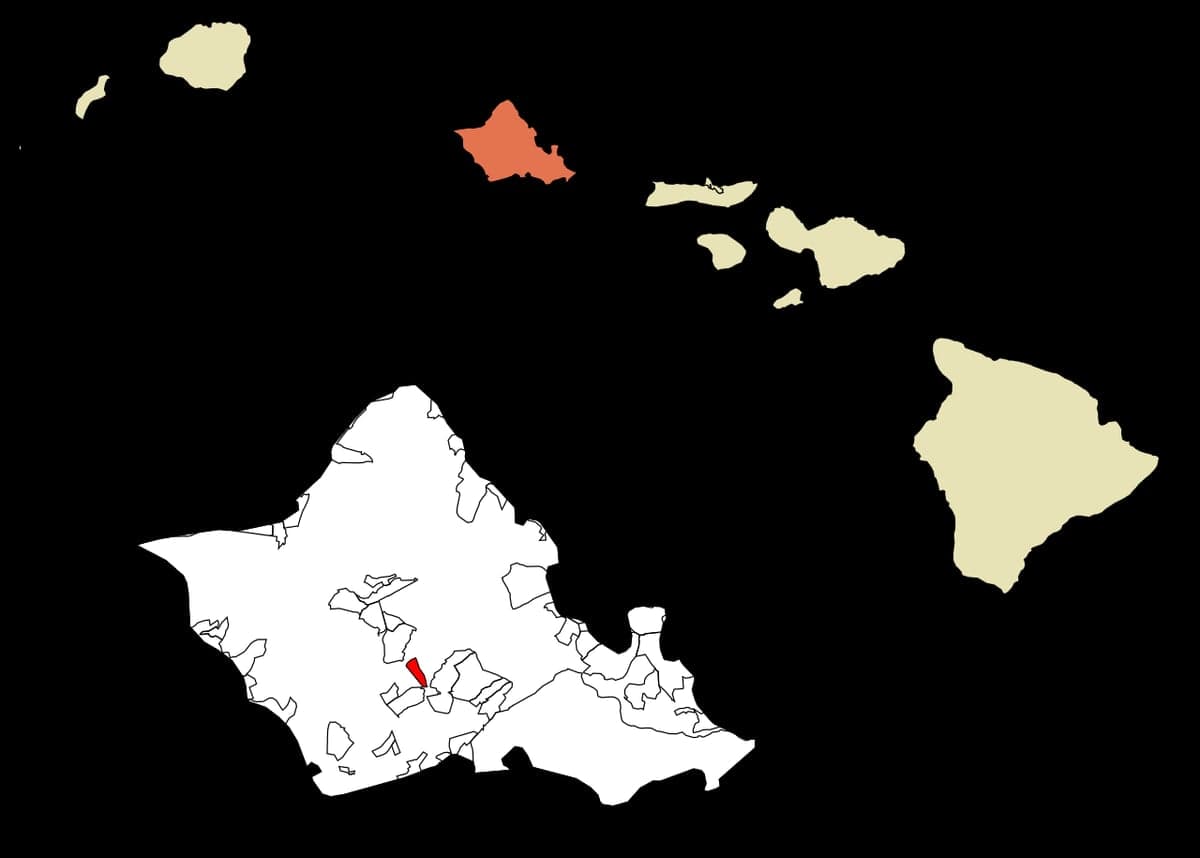
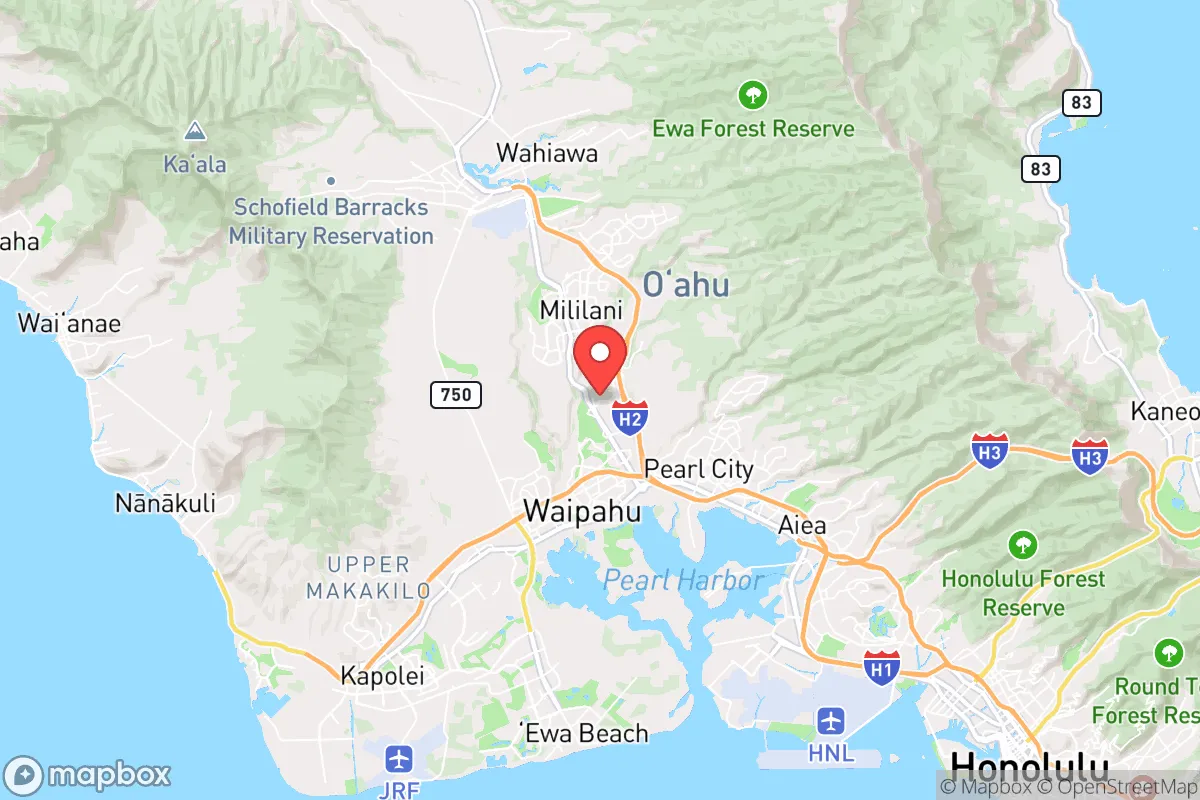
Photo: Wikipedia
Personal Sovereignty in Waipio, HI
Moderate friction. Expect trade-offs in some aspect of personal liberty and independence.
What does Personal Sovereignty tell us?
Personal Sovereignty measures your capacity for self-reliance and independence with minimal government friction. Higher scores mean fewer barriers between you and the way you want to live... but it assumes you have the space you need and good neighbors.
What does this tell us?
Personal Sovereignty measures your capacity for self-reliance and independence with minimal government friction. Higher scores mean fewer barriers between you and the way you want to live... but it assumes you have the space you need and good neighbors.
State Policy
Energy independence: Importer (2% of energy produced in-state)
Personal Liberty
Homesteading

Personal Liberty Analysis
Waipio, Hawaii, presents a complex and often contradictory environment for personal sovereignty. While the islands offer a profound sense of physical isolation and a slower pace of life that many preppers and liberty-minded individuals find appealing, the reality is that Hawaii’s state government exerts some of the most extensive control over personal freedoms in the nation. For a single individual or family considering a strategic relocation, Waipio offers a unique trade-off: deep geographic autonomy from the mainland’s chaos, but a heavy regulatory and tax burden that can feel like a different kind of cage. The key is understanding that the "aloha" spirit does not extend to the state’s tax code, gun laws, or land-use regulations.
Tax burden and regulatory posture in Hawaii
Hawaii’s tax burden is among the highest in the United States, and this is a critical factor for anyone prioritizing financial sovereignty. The state has a progressive income tax with rates that can climb to 11%, and the general excise tax (GET) is applied to nearly every transaction, including rent and services—a hidden cost that eats away at disposable income. For a prepper mindset, this means every dollar earned is heavily taxed before it can be saved or invested in self-sufficiency measures like land, equipment, or supplies. The regulatory posture is equally aggressive: Hawaii has some of the strictest land-use laws in the country, governed by the state Land Use Commission, which zones nearly all land into conservation, agricultural, or urban districts. Building permits, even for small structures, can be a bureaucratic nightmare, and property taxes, while relatively moderate compared to income taxes, are assessed on a county basis (Honolulu County for Waipio). The state’s heavy reliance on tourism and imported goods also means that any disruption to supply chains—a core prepper concern—will hit Hawaii harder than almost anywhere else. In short, the state’s fiscal and regulatory grip is a significant drag on personal autonomy.
Self-defense and gun law specifics in Hawaii
For those who view the Second Amendment as a cornerstone of personal sovereignty, Hawaii is one of the most restrictive states in the union. The state has a "may-issue" concealed carry system that, in practice, is nearly impossible to obtain a permit for—even after the Bruen decision, the process remains onerous and subject to local police chief discretion. Open carry is effectively banned. Furthermore, Hawaii has a strict firearm registration system, a ban on "assault weapons" (defined broadly), and a 10-round magazine limit. For a prepper or survivalist, this means that building a robust personal defense arsenal is legally difficult and heavily monitored. The state also has a "red flag" law, allowing for the temporary seizure of firearms without a criminal conviction, which is a major red flag for anyone concerned about government overreach. While Waipio itself is a relatively rural area with lower crime rates than urban Honolulu, the legal framework makes it impossible to rely on firearms as a primary means of self-defense or community defense. The practical reality is that self-defense in Hawaii relies more on situational awareness, physical security of your home, and community relationships than on firepower.
Self-reliance and homesteading viability in Waipio
Waipio’s agricultural zoning and rural character offer genuine potential for self-reliance, but the path is paved with red tape. Lot sizes in the area vary, but many parcels are one acre or larger, which is sufficient for a substantial garden, small livestock (chickens, goats), and rainwater catchment systems—all critical for off-grid living. The climate is forgiving, with year-round growing seasons, so food sovereignty is a realistic goal. However, the state’s Department of Agriculture and county planning departments impose strict rules on what you can build, how you can use the land, and even what you can plant (invasive species restrictions are real). Off-grid feasibility is high in theory—solar power is viable, and many homes already use catchment water—but getting permits for a new off-grid dwelling can take years and thousands of dollars in fees. The county also has strict wastewater and septic regulations. For a prepper, the land itself is a huge asset, but the bureaucratic overhead means you need significant capital and patience to turn it into a true homestead. The trade-off is that once established, you are largely insulated from the mainland’s grid vulnerabilities and supply chain disruptions.
Personal liberties: parental rights, medical autonomy, speech, and property
Hawaii’s record on personal liberties is a mixed bag that leans toward government control. Parental rights are relatively strong in terms of homeschooling (low regulation, no mandatory notification for some forms), but the state has a universal vaccine mandate for school attendance and has shown a willingness to enforce public health orders aggressively—a major concern for those wary of medical autonomy. Medical freedom is limited: Hawaii has strict prescription drug monitoring and has been a leader in vaccine mandates. On speech, the state generally respects First Amendment rights, but the insular nature of island communities can create a social pressure to conform, which is a softer but real constraint on personal expression. Property rights are the biggest sore point: the state’s land-use laws, combined with a powerful county planning department, mean that what you can do with your own land is heavily dictated by government. Eminent domain is a real concern, especially near conservation areas. For a liberty-minded individual, the constant presence of the state in everyday decisions—from what you can build to how you can defend yourself—is a significant drag on the sense of personal sovereignty.
In the broader context of the United States, Waipio offers a unique but compromised form of personal sovereignty. The geographic isolation and rural character provide a buffer from the chaos of the mainland, and the potential for self-reliance on the land is real. However, the state’s heavy tax burden, draconian gun laws, and pervasive regulatory control over land use and personal health decisions mean that you are trading one set of constraints for another. For a prepper or survivalist, Waipio is best seen as a "retreat" location—a place to ride out a societal collapse due to its isolation—but not a place to exercise full personal liberty in the present. If your primary concern is escaping government overreach, states in the interior West or Southeast will offer far more breathing room. But if you value physical distance from the mainland’s problems and are willing to navigate a thicket of regulations, Waipio can be a viable, if imperfect, sanctuary.

* Values derived from national, state, county, city and local statistics and may differ in a specific area. Last updated: 2026-05-01T05:59:00.000Z
Narrative content on this page is AI-generated and may contain mistakes. Verify any details that matter before acting on them.
ReloMaps may earn a commission from affiliate links at no extra cost to you.

