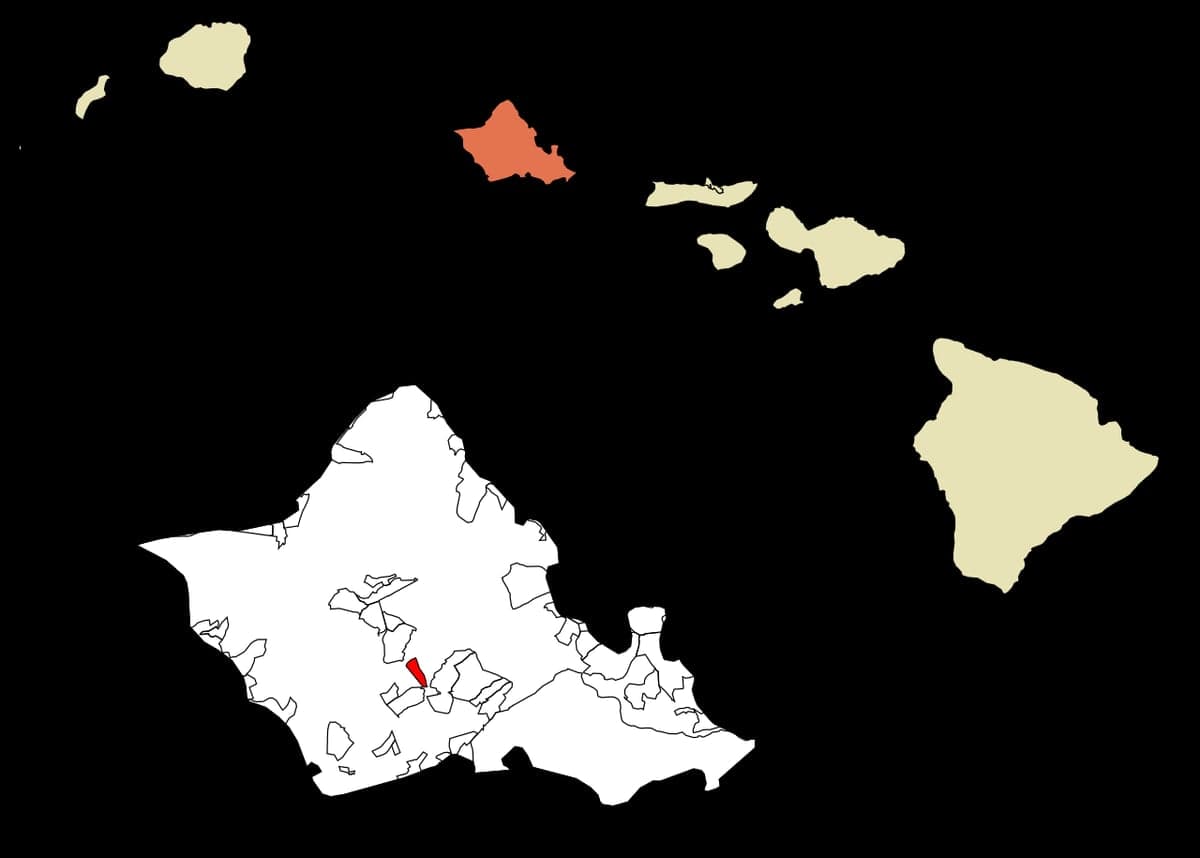
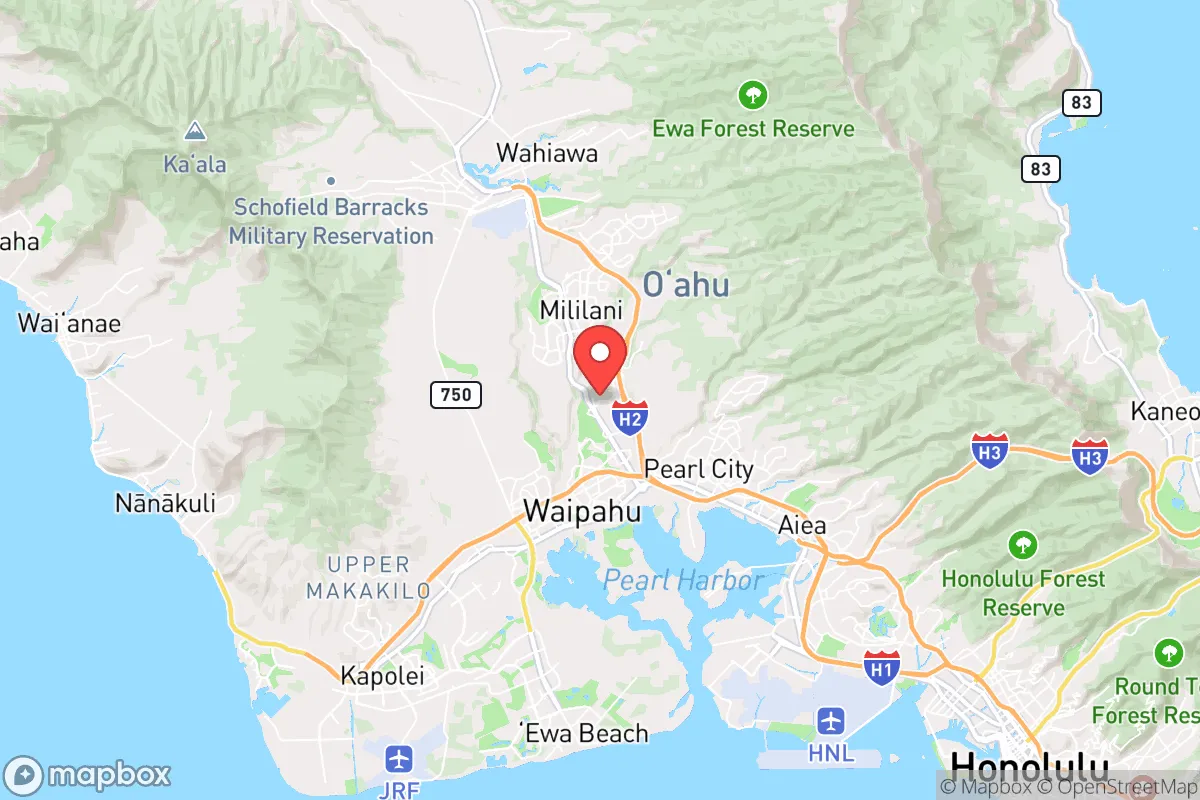
Photo: Wikipedia
Quality of Life in Waipio, HI
A high quality of life with strong walkability, manageable living costs, healthy neighborhood signals, and solid amenity access.
What does Quality of Life tell us?
Quality of Life blends cost of living, nearby amenities, socioeconomic signals, and neighborhood character. City-level scores represent the whole municipality; individual neighborhoods can differ.
What does this tell us?
Quality of Life blends cost of living, nearby amenities, socioeconomic signals, and neighborhood character. City-level scores represent the whole municipality; individual neighborhoods can differ.
Cost of Living
117% above national average
The Real Cost of Living in Waipio, HI for 2026
| Tier | Individual | Family (4) |
|---|---|---|
| Survival | $36k | $67k |
| Comfortable | $105k | $155k |
| Luxury | $154k+ | $239k+ |
| Elite (Top 5%) | $182k+ | $282k+ |
69%
The Area Signal
A metric tracking the socioeconomic signals of the area.
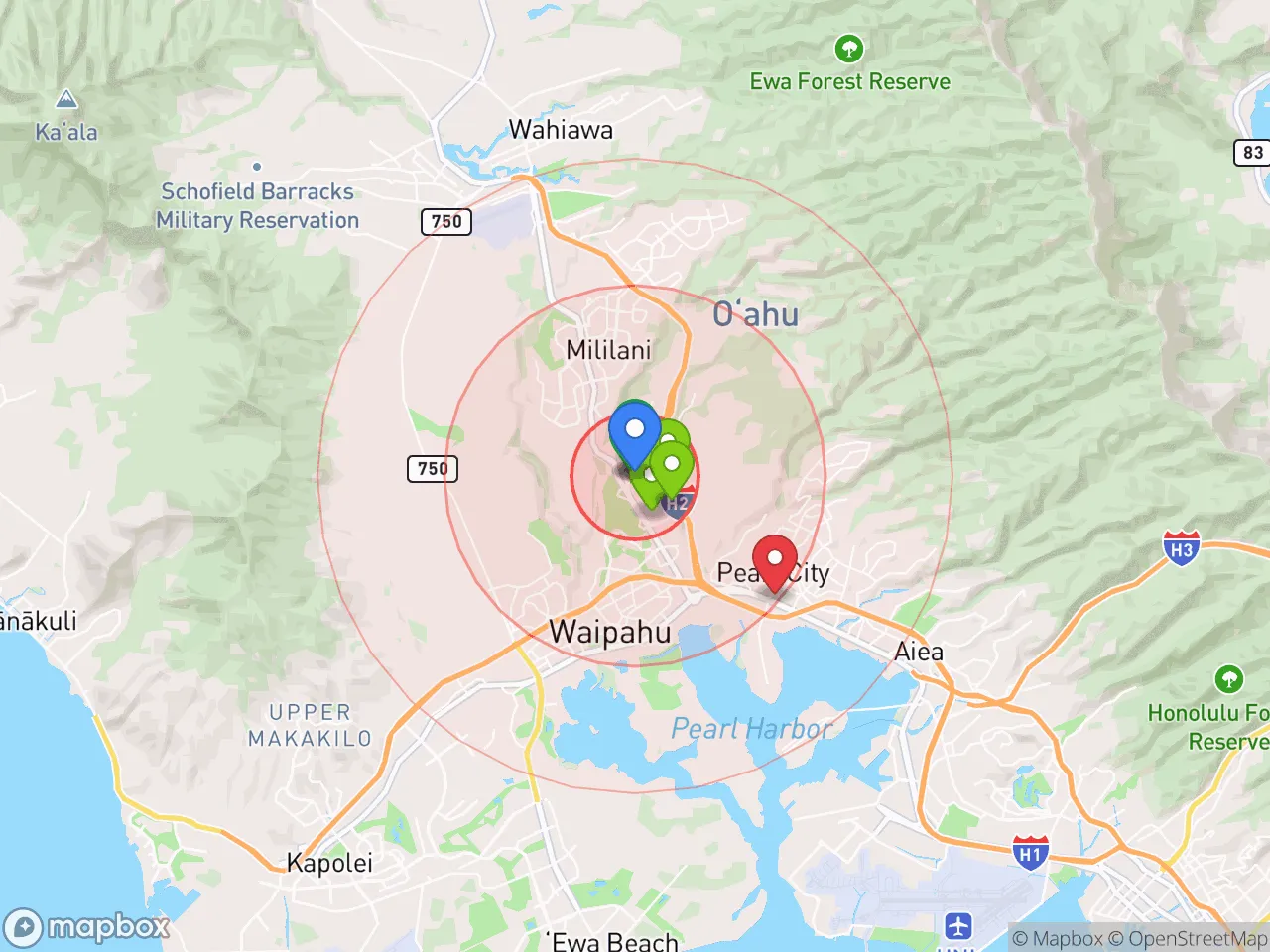
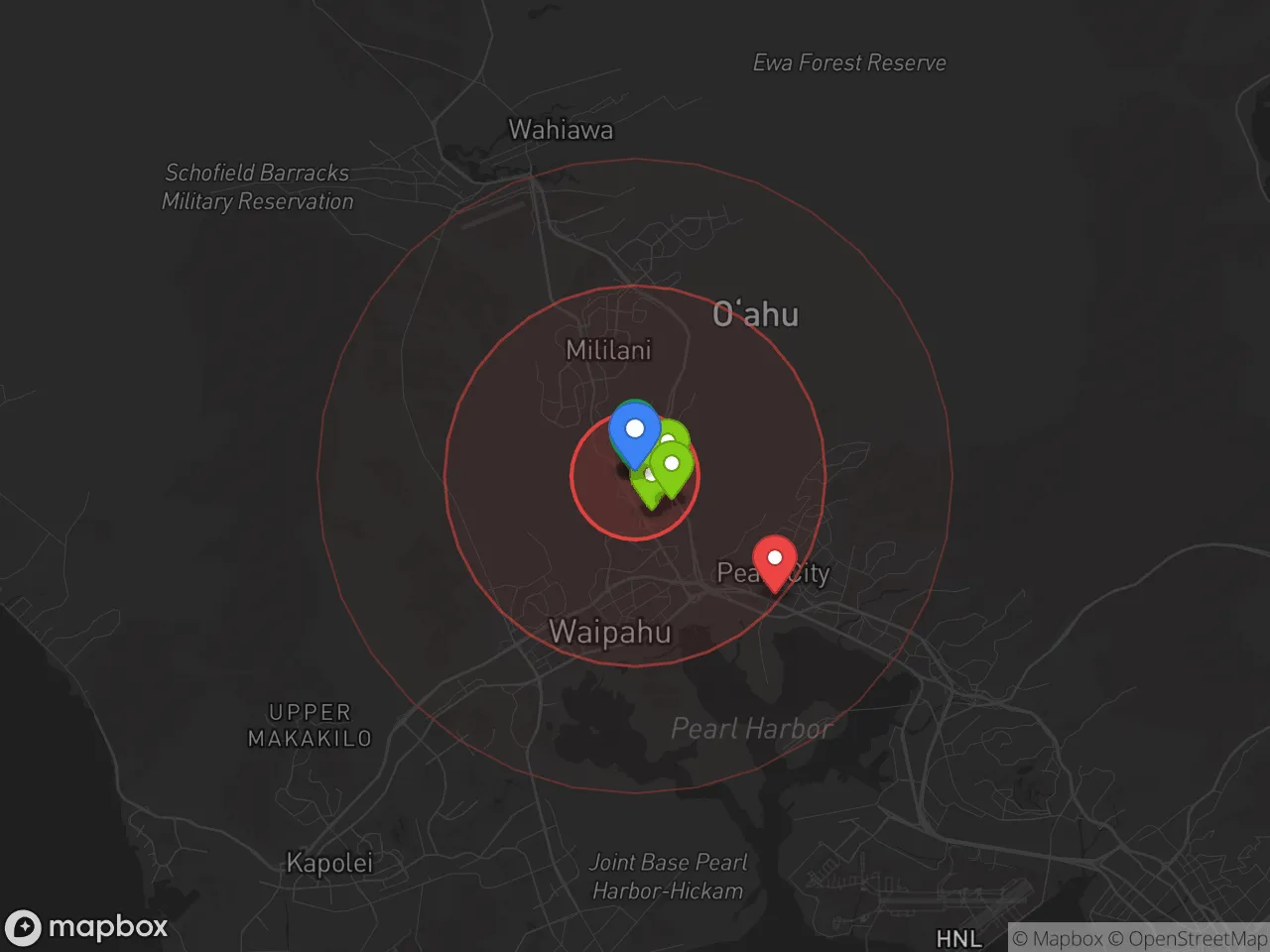
Hobbies
Explore the areaGroceries
5 within 10 miles
Gas
20 within 10 miles
Hospital
16 within 20 miles
Airport
Daniel K. Inouye International Airport
Post Office
USPS — Mililani, HI
Critical Amenities
Quality-of-Life Analysis
Waipio, a census-designated place on Oahu's central Leeward Coast, is an affluent, family-oriented community that offers a suburban lifestyle distinct from the bustle of Honolulu. With a cost of living index of 217—more than double the national average—the area attracts established professionals, military families connected to nearby Joint Base Pearl Harbor-Hickam, and long-term residents who prioritize space, newer housing stock, and a quieter pace of life. The population skews toward homeowners and households with children, creating a stable, community-focused atmosphere where daily life revolves around local parks, schools, and shopping centers rather than tourist attractions.
Cost of living, housing prices, and how Waipio compares to nearby areas
Waipio's cost of living index of 217 reflects Hawaii's overall high expenses, but the area is notably more affordable than Honolulu proper (index ~260) and comparable to other Leeward suburbs like Mililani (index ~215). The median home value of $709,500 is significantly lower than Honolulu's median of roughly $1.1 million, yet still far above the national median of $350,000. Renters face a median monthly rent of $2,248, which is typical for Oahu's suburban ring but roughly $300–$400 less than similar units in East Honolulu or Kailua. The average commute of 28.6 minutes is manageable by Oahu standards—shorter than the 35+ minute drives from Kapolei or Ewa Beach—thanks to Waipio's proximity to the H-1 freeway and the planned Skyline rail extension. However, residents should budget for higher utility costs (electricity rates are roughly double the mainland average) and grocery prices that run 30–50% above the U.S. norm. Property taxes in Honolulu County are relatively low at about 0.35% of assessed value, which helps offset some of the housing sticker shock.
What daily life is like for families: schools, shopping, and recreation
Daily life in Waipio centers on the Waipio Town Center and the nearby Waikele Premium Outlets, which provide grocery stores, restaurants, and retail without requiring a drive into Honolulu. The area is served by the Hawaii Department of Education's Leeward District, with Waipio Elementary School and Waipahu Intermediate School as the primary public options; both have average to above-average test scores compared to statewide benchmarks. For private education, Trinity Christian School and St. Joseph School in nearby Waipahu offer K–8 programs. Recreation is anchored by Waipio Soccer Complex (home to youth leagues and weekend tournaments) and Waipio Peninsula Dog Park, one of Oahu's largest off-leash areas. The Waipio Cultural Garden Park features walking paths and native Hawaiian plantings, while the nearby Pearl Harbor Historic Sites are a 15-minute drive. The area lacks a major hospital—the nearest emergency room is at Pali Momi Medical Center in Aiea (10 minutes east)—but urgent care clinics are available at the Waipio Town Center. Traffic congestion is heaviest during weekday morning and evening commutes on the H-1, though the 28.6-minute average commute suggests most residents work within the central Leeward corridor or at Pearl Harbor.
Waipio is best suited for families and professionals who want a suburban, car-dependent lifestyle with newer homes, good schools, and reasonable (by Oahu standards) commutes. It is less ideal for singles seeking nightlife or walkable urban amenities—those are found in Honolulu's Kakaako or Waikiki neighborhoods. Retirees on fixed incomes may struggle with the high cost of living unless they purchased a home before the recent price surge. For military personnel stationed at Joint Base Pearl Harbor-Hickam, Waipio offers a 15-minute drive and access to base amenities, making it one of the most practical off-base housing options on the island. Ultimately, Waipio delivers a stable, family-centric quality of life that trades urban energy for space, safety, and community—a trade-off that suits its residents well.

Crime in Waipio, HI
Generally safer than 64% of comparable U.S. locations.
Violent CrimeViolent Crime Analysis
Property CrimeProperty Crime Analysis
Crime Analysis
Waipio, a residential community on Oahu’s central plateau, presents a mixed safety profile. While its violent crime rate of 200.2 per 100,000 residents is notably lower than the national average, its property crime rate of 1,586.9 per 100,000 is significantly higher, placing property theft and burglary as the primary concerns for residents. As a census-designated place within the larger urban corridor of Honolulu, Waipio’s safety picture is shaped by its proximity to a major metropolitan area and the broader criminal justice policies of Honolulu County.
Crime in context
Waipio’s violent crime rate of 200.2 per 100,000 is roughly half the U.S. national average of about 380 per 100,000, and it is also below the Hawaii state average. This suggests that serious offenses like homicide, robbery, and aggravated assault are relatively uncommon in the community. However, the property crime rate of 1,586.9 per 100,000 is well above the national average of approximately 1,954 per 100,000, but still represents a tangible risk. The gap between low violent crime and elevated property crime is a common pattern in many suburban areas near large metro centers. It is important to note that Honolulu County, like many urban jurisdictions, has been influenced by progressive prosecutorial policies. These policies, while often intended to reduce incarceration, can result in shorter sentences and reduced consequences for property offenders, potentially contributing to higher recidivism and a greater number of active criminals in the community. This dynamic is a legitimate concern for residents who may see repeat property crime offenders cycling through the justice system.
What residents experience
For those living in Waipio, the most common safety issue is property crime, particularly theft from vehicles, package theft, and burglary. The area’s many townhome and single-family home communities, combined with its convenient access to the H-2 freeway, make it a target for opportunistic thieves. Residents often report that unlocked cars and visible packages are common targets. While violent confrontations are rare, the persistent property crime creates a sense of unease and requires proactive measures like security cameras, neighborhood watch participation, and consistent home security habits. The local Honolulu Police Department (HPD) patrols the area, but response times can be delayed during peak hours due to the broader demands of the metro region.
Neighborhood-level variation in Waipio is modest but noticeable. The older, more established single-family home sections near Waipio Elementary School tend to have slightly lower reported crime rates than the denser townhome complexes along Waipio Uka Street and Waipio Point Access Road. The areas immediately adjacent to the Waipio Shopping Center and the Waipio Soccer Complex see higher foot traffic and a corresponding uptick in petty theft and vehicle break-ins. Overall, Waipio is considered a safe place to live by Hawaii standards, but the elevated property crime rate and the influence of metro-area criminal justice policies mean that residents should remain vigilant and take standard urban-suburban precautions.
* Values derived from national, state, county, city and local statistics and may differ in a specific area. Last updated: 2026-05-01T05:59:00.000Z
Narrative content on this page is AI-generated and may contain mistakes. Verify any details that matter before acting on them.
ReloMaps may earn a commission from affiliate links at no extra cost to you.

