Photo: Wikipedia
Find The Best Places To Live
in Waipio
PRO TIP! You can paste a Zillow or Redfin link to get info on that property.
What It's Like Living in Waipio, HI
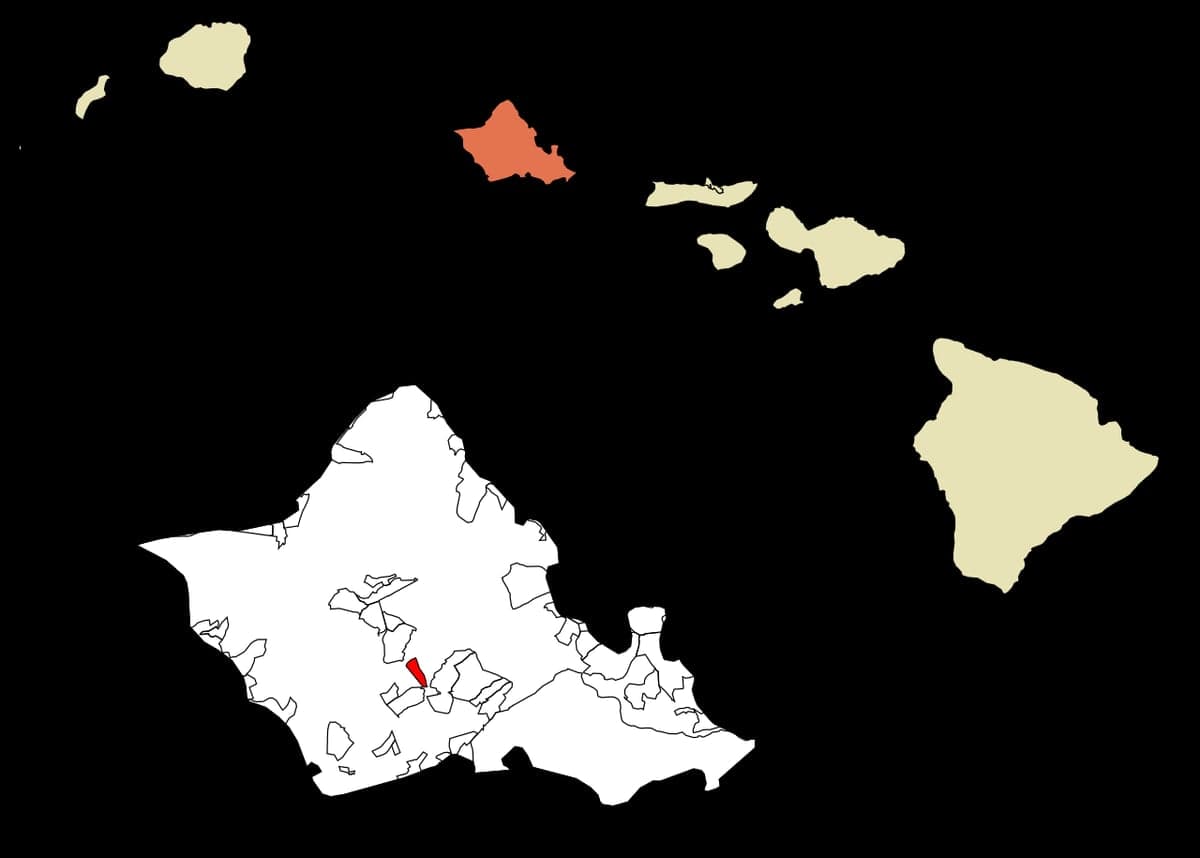
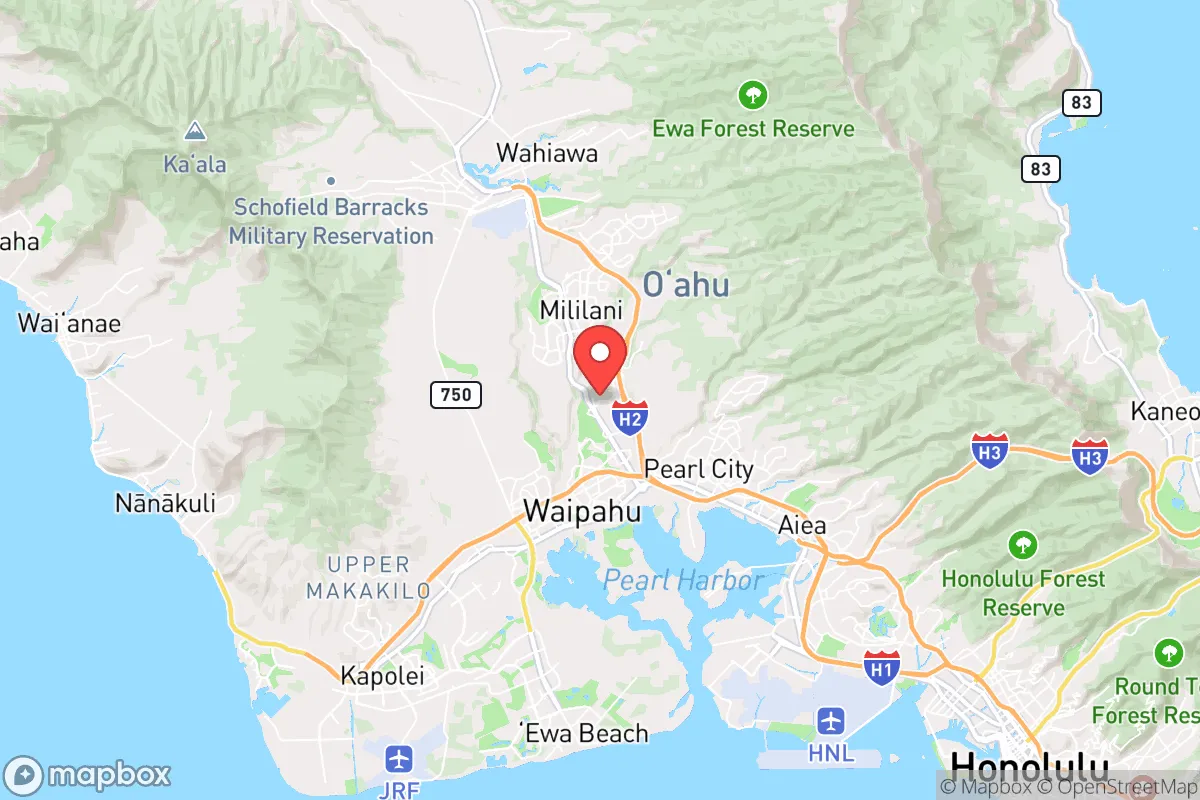
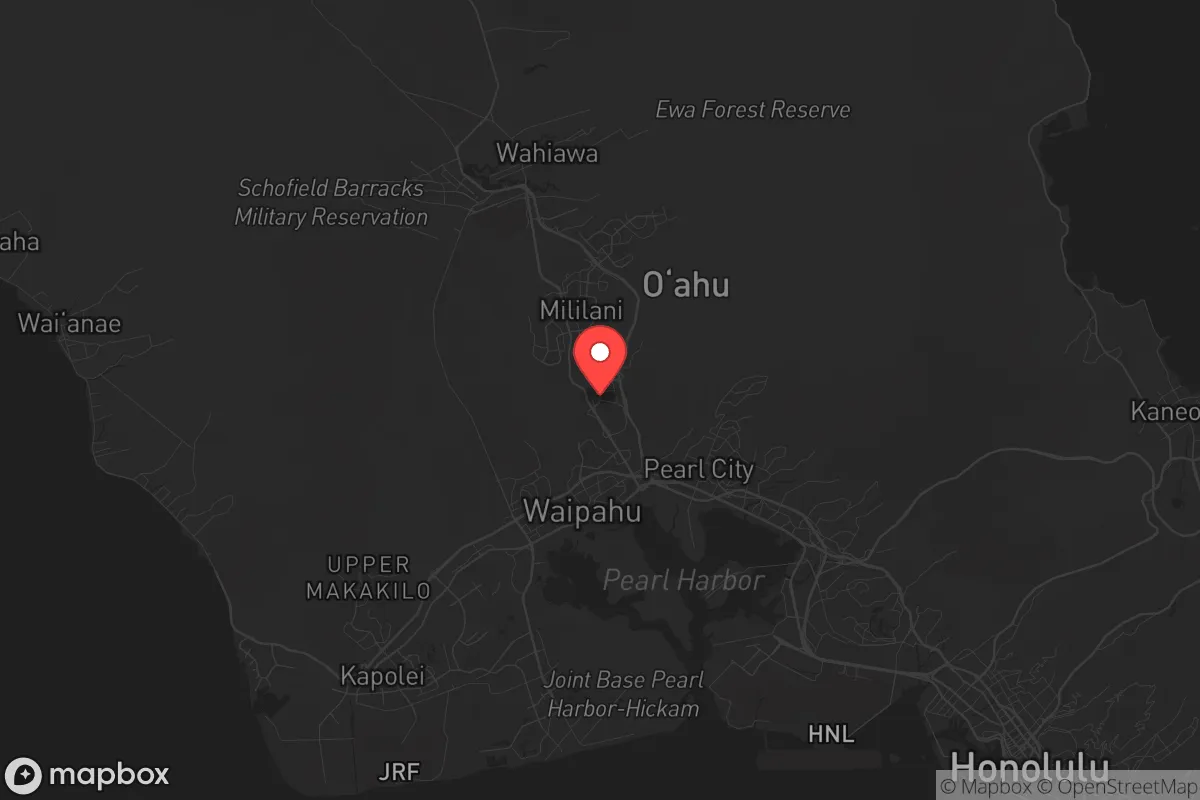
Waipio, Hawaii, feels less like a tourist postcard and more like a real, lived-in town where people raise families and build careers. Tucked between Pearl City and Mililani on Oahu’s central plain, this community of about 11,200 residents has a quiet, suburban pulse that’s distinct from the beachfront frenzy of Waikiki or the rural pace of the North Shore. It’s a place where the mountains loom close, the trade winds blow steady, and most folks know each other by their kids’ school or their weekend soccer game.
Daily Rhythm: What Life Actually Looks Like Here
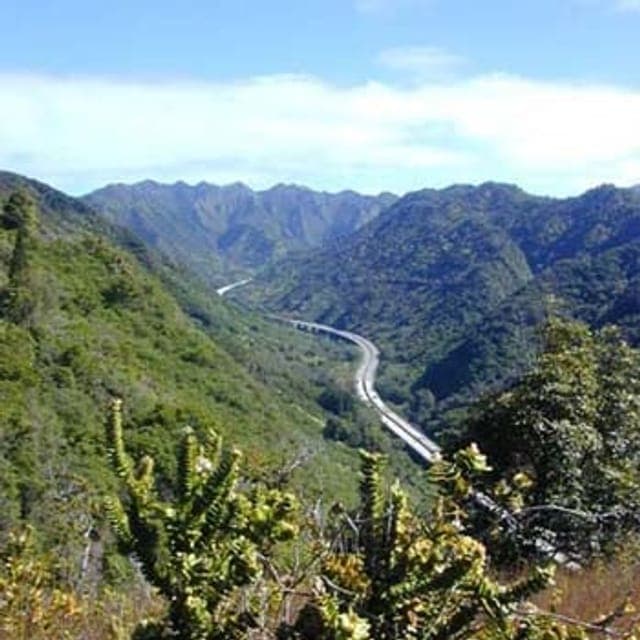
Most mornings in Waipio start early, often with a commute. The average drive to work is about 28 minutes, which is typical for Oahu—long enough to finish a podcast but short enough that you’re not dreading it. The H-2 freeway is the main artery, and it moves reasonably well outside of peak hours, though locals know to avoid the merge near Ka Uka Boulevard between 7:30 and 8:30 a.m. People shop at the Waipio Shopping Center or the newer Ka Makana Alii complex, which has a Target, a Foodland, and a handful of local plate-lunch spots. Weekends often mean a trip to the Waipio Soccer Complex for youth games or a hike up the nearby Waimano Trail, where the views of Pearl Harbor and the southern coast are worth the sweat. The median age here is 44.2, which tilts the vibe toward established families and empty-nesters rather than a young party crowd. It’s a place where you’ll see minivans and sedans, not rental Jeeps.
Who Fits In—and Who Might Not
Waipio tends to attract people who value stability over novelty. The median household income sits at $106,164, well above the national average, which reflects a workforce heavy on professionals—military personnel stationed at nearby Pearl Harbor or Schofield Barracks, healthcare workers at the Waipio Medical Center, and white-collar commuters to Honolulu. About 27.7% of residents hold a college degree, which is modest by mainland standards but typical for a bedroom community where practical skills and steady jobs matter more than credentials. Single individuals might find the social scene limited unless they’re into hiking, running clubs, or church groups; the nightlife is basically nonexistent. Parents, on the other hand, often thrive here. The public schools—Waipio Elementary, Waipio Intermediate, and Waipahu High—are deeply woven into community life, with weekend craft fairs and fundraisers that double as social gatherings. If you’re looking for a place where your kids can ride bikes on quiet streets and you can borrow a lawnmower from a neighbor, this is it.
Sports, Entertainment, and What People Do for Fun
High school sports are a genuine deal in Waipio. Waipahu High School’s football and volleyball games draw solid crowds, especially when they face rival Mililani or Kapolei. There’s no pro team on the island that locals claim as their own—the University of Hawaii Rainbow Warriors get some love, but it’s not a rabid following. Instead, the big entertainment is outdoor and family-oriented. The Waipio Cultural Garden Park hosts occasional festivals, like the annual Waipio Community Fair in summer, with food trucks, live Hawaiian music, and keiki (kids) activities. For a night out, locals drive 15 minutes to Pearlridge Center for the movies or to Aiea for a decent izakaya. The best restaurant in Waipio itself is probably Yama’s Fish Market, where the ahi poke and lau lau are as good as anything on the windward side. The cost of living index is 217, which means a simple dinner out can feel like a splurge—but the quality of the fish and the aloha spirit in the service make it worth it.
Pros and Cons of Living in Waipio
Longtime residents will tell you the biggest upside is the weather and the community feel. The trade winds keep temperatures in the low 80s year-round, and the rain mostly falls at night. The violent crime rate is 200.2 per 100,000, which is higher than the national average but concentrated in specific pockets; most people feel safe walking their dogs after dark. The real frustration is the cost. The median home value is $709,500, and even with a six-figure income, buying a single-family home requires a hefty down payment or a dual-income household. Rentals are tight, too—a two-bedroom apartment often goes for $2,500 a month. Traffic is the other sore spot: the H-2 backs up toward Honolulu in the morning and toward the North Shore in the evening, and a fender bender can turn a 28-minute commute into an hour. But for the kind of person who values quiet mornings, neighborly waves, and a sense of rootedness, those trade-offs are simply part of the deal. Waipio isn’t trying to impress anyone—it’s just trying to be home.

Similar towns to Waipio
* Values derived from national, state, county, city and local statistics and may differ in a specific area. Last updated: 2026-05-01T05:59:00.000Z
Narrative content on this page is AI-generated and may contain mistakes. Verify any details that matter before acting on them.
ReloMaps may earn a commission from affiliate links at no extra cost to you.

