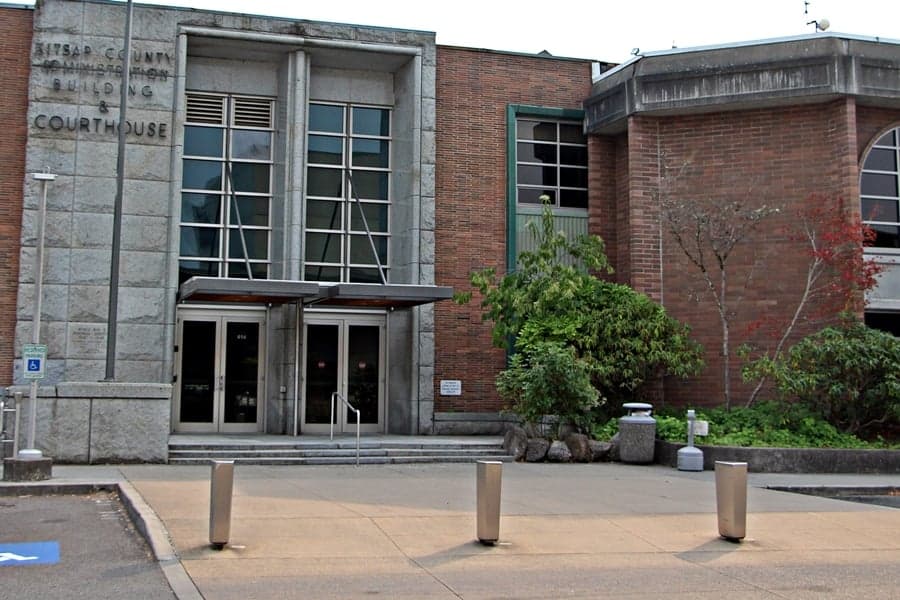
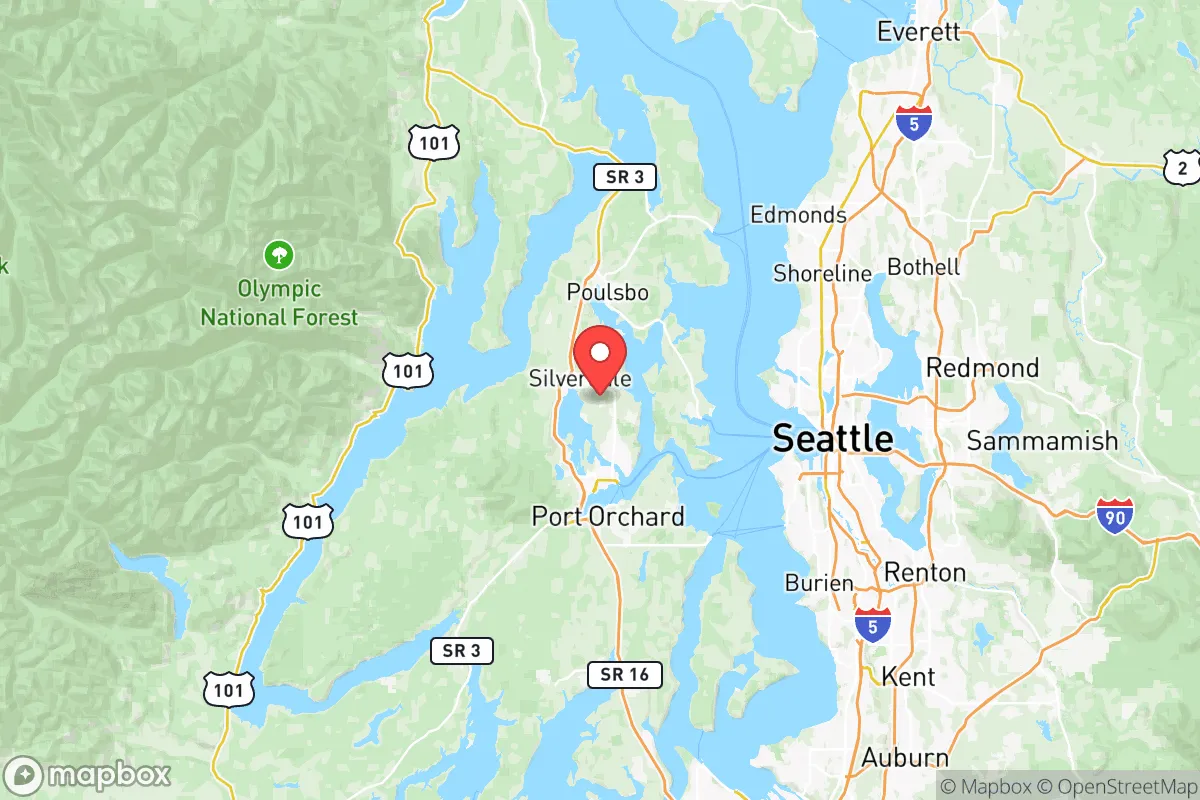
Photo: Wikipedia
Personal Sovereignty in Kitsap County
Viable for self-reliance. Generally workable, though some barriers may limit total independence.
What does Personal Sovereignty tell us?
Personal Sovereignty measures your capacity for self-reliance and independence with minimal government friction. Higher scores mean fewer barriers between you and the way you want to live... but it assumes you have the space you need and good neighbors.
What does this tell us?
Personal Sovereignty measures your capacity for self-reliance and independence with minimal government friction. Higher scores mean fewer barriers between you and the way you want to live... but it assumes you have the space you need and good neighbors.
State Policy
Energy independence: Importer (55% of energy produced in-state)
Personal Liberty
Homesteading

Personal Liberty Analysis
Kitsap County offers a mixed personal sovereignty environment shaped by Washington State’s relatively high regulatory floor and the county’s own more moderate, rural-leaning character. While state-level taxes and gun laws impose notable constraints, the county’s zoning flexibility, lower population density, and active homesteading community provide meaningful room for self-reliance compared to the Seattle metro area. For a conservative-leaning individual or family, Kitsap represents a middle ground—less autonomy than Idaho or Eastern Washington, but significantly more than King County or Portland.
Tax burden and regulatory posture: how Kitsap compares to surrounding areas
Washington State has no personal income tax, which is a major plus for sovereignty-minded residents. However, the state’s reliance on a high sales tax (10.1% in most of Kitsap County) and above-average property taxes offsets this advantage. The effective property tax rate in Kitsap County is roughly 1.1% of assessed value, slightly above the national average, and annual increases are capped at 1% plus new construction under the state’s levy limit—a modest protection against runaway assessments. Regulatory posture is mixed: the state imposes strict environmental rules under the Growth Management Act (GMA), which limits rural development and requires comprehensive planning. In practice, this means Bremerton and Port Orchard have more streamlined permitting for small-scale projects, while rural areas like Poulsbo and Kingston face longer review times for building permits, especially near shorelines or wetlands. The county’s building department is generally described as professional but not overly aggressive; permit fees for a typical single-family home run $2,000–$4,000, comparable to other Western Washington counties. For businesses, the state’s Business & Occupation (B&O) tax applies to gross receipts, which can be a burden for small operations—though Kitsap’s local business license fees are modest ($50–$150 annually). Overall, the tax burden is moderate by national standards, but the regulatory environment is heavier than in states like Texas or Florida, particularly for land use and environmental compliance.
Self-defense and gun law specifics: what Kitsap County gun owners need to know
Washington State has some of the more restrictive gun laws in the Pacific Northwest, and Kitsap County operates under these state mandates. A permit is required to purchase a pistol (the standard 10-day waiting period applies), and all firearm sales—including private transfers—must go through a licensed dealer with a background check. The state’s 2023 ban on “large-capacity” magazines (over 10 rounds for rifles, over 15 for handguns) is enforced in Kitsap, though enforcement varies by jurisdiction. Open carry is legal without a permit, but concealed carry requires a license (issued by the county sheriff, typically processed within 30 days). The sheriff’s office in Kitsap County is generally viewed as pro-Second Amendment; Sheriff John Gese has publicly stated his office will not enforce certain state gun restrictions he deems unconstitutional, a stance that resonates with local gun owners. In practice, this means Bremerton and Silverdale have a visible gun culture, with multiple indoor ranges and gun shops, while Bainbridge Island (more liberal-leaning) has fewer such businesses and a more restrictive local ordinance on discharging firearms. Stand-your-ground laws do not exist in Washington; the state uses a “duty to retreat” standard in public spaces, though the castle doctrine applies inside one’s home. For self-defense training, Kitsap has several reputable instructors and a strong community of competitive shooters. The bottom line: if you want to carry a firearm daily, you can—but you’ll need a license, you’re limited to 10-round magazines, and you must retreat if safely possible outside your home.
Self-reliance and homesteading viability: lot sizes, zoning, and off-grid feasibility
Kitsap County offers genuine homesteading potential, especially in its rural northern and southern reaches. Minimum lot sizes in unincorporated areas are 2.5 acres in most rural zones, with some agricultural zones requiring 5 acres. This is far more generous than King County’s typical 1-acre minimum, and allows for substantial self-sufficiency. Port Gamble and Hansville (northern Kitsap) are popular with homesteaders for their larger parcels, lower land prices (around $150,000–$250,000 for 2–5 acres), and proximity to the Olympic Peninsula’s resources. Zoning permits chickens, goats, and up to two cows on parcels of 2.5 acres or more; beekeeping is allowed on any residential lot. Off-grid living is feasible but regulated: the county requires a septic system for any dwelling, and well permits are available but subject to state water rights laws. Solar panels are permitted without special permits for roof-mounted systems, but ground-mounted arrays over 20 square feet require a building permit. Rainwater collection is legal and encouraged for non-potable uses, but potable rainwater systems must meet state health department standards. Bremerton and Port Orchard have more restrictive urban growth area (UGA) boundaries that limit homesteading to smaller lots (typically 6,000–10,000 square feet), making them less viable for serious self-reliance. The county’s climate—mild, with 40–50 inches of rain annually—supports year-round gardening, and the growing season runs from April to October. For those willing to navigate the permitting process, Kitsap is one of the more homestead-friendly counties in Western Washington, though it still requires more paperwork than rural Idaho or Montana.
Personal liberties: parental rights, medical autonomy, speech, and property
Parental rights in Kitsap County are generally respected, though state law limits local control. Washington has a “parents’ bill of rights” that affirms parental authority over education and medical decisions, but it does not allow opt-outs from LGBTQ-inclusive curriculum or vaccine mandates for school attendance. In practice, North Kitsap School District (covering Poulsbo and Kingston) has a more conservative school board that has resisted some state mandates, while Bainbridge Island School District is more progressive. Medical autonomy is constrained by state law: Washington has no religious or philosophical exemption for childhood vaccines required for school entry, though medical exemptions are available. The state’s assisted suicide law (Death with Dignity Act) is legal, but access to alternative medical treatments like ivermectin or off-label use of drugs is limited by state medical board oversight. Speech protections are strong under both the state and federal constitutions; Kitsap County has no local ordinances restricting political speech or signage beyond standard time/place/manner rules. Property rights are a mixed bag: the state’s Growth Management Act limits what you can do with your land, especially near critical areas (wetlands, shorelines, steep slopes). In Seabeck and Holly (rural west Kitsap), property owners face stricter shoreline buffer requirements (often 200 feet from the high-water mark) that can prevent building or even clearing vegetation. However, the county’s code enforcement is complaint-driven and generally not aggressive; most property disputes are resolved through neighborly negotiation rather than government action. For those who value medical freedom and parental control, Kitsap is less permissive than states like Florida or Texas, but more so than California or Oregon.
Overall, Kitsap County offers a moderate level of personal sovereignty that appeals to those who want more freedom than the Seattle metro but aren’t ready for the full libertarian lifestyle of rural Idaho or Montana. The tax burden is manageable, gun laws are restrictive but not enforced aggressively by local sheriffs, homesteading is viable on larger parcels in the county’s rural north and south, and personal liberties are generally respected within state constraints. For a conservative-leaning family or individual, Kitsap represents a pragmatic choice—a place where you can own land, carry a firearm, and raise your children with traditional values, while accepting that Washington’s blue-state framework will limit some choices. The key is choosing the right location within the county: Hansville, Port Gamble, Seabeck, and Holly offer the most autonomy, while Bainbridge Island and central Bremerton lean more progressive and regulated. If your priority is maximum personal freedom, look east to Idaho; but if you need to stay in Washington for work or family, Kitsap County is one of the better options for maintaining a self-reliant, independent lifestyle.

* Values derived from national, state, county, city and local statistics and may differ in a specific area. Last updated: 2026-10-20T23:16:14.000Z
Narrative content on this page is AI-generated and may contain mistakes. Verify any details that matter before acting on them.
ReloMaps may earn a commission from affiliate links at no extra cost to you.

