Quality of Life in Watertown Town, MA
Above-average quality of iife. The area offers a reasonable cost of living, decent mobility, and a mix of neighborhood amenities.
What does Quality of Life tell us?
Quality of Life blends cost of living, nearby amenities, socioeconomic signals, and neighborhood character. City-level scores represent the whole municipality; individual neighborhoods can differ.
What does this tell us?
Quality of Life blends cost of living, nearby amenities, socioeconomic signals, and neighborhood character. City-level scores represent the whole municipality; individual neighborhoods can differ.
Cost of Living
126% above national average
The Real Cost of Living in Watertown Town, MA for 2026
| Tier | Individual | Family (4) |
|---|---|---|
| Survival | $38k | $71k |
| Comfortable | $143k | $210k |
| Luxury | $209k+ | $324k+ |
| Elite (Top 5%) | $246k+ | $382k+ |
59%
The Area Signal
A metric tracking the socioeconomic signals of the area.
Hobbies
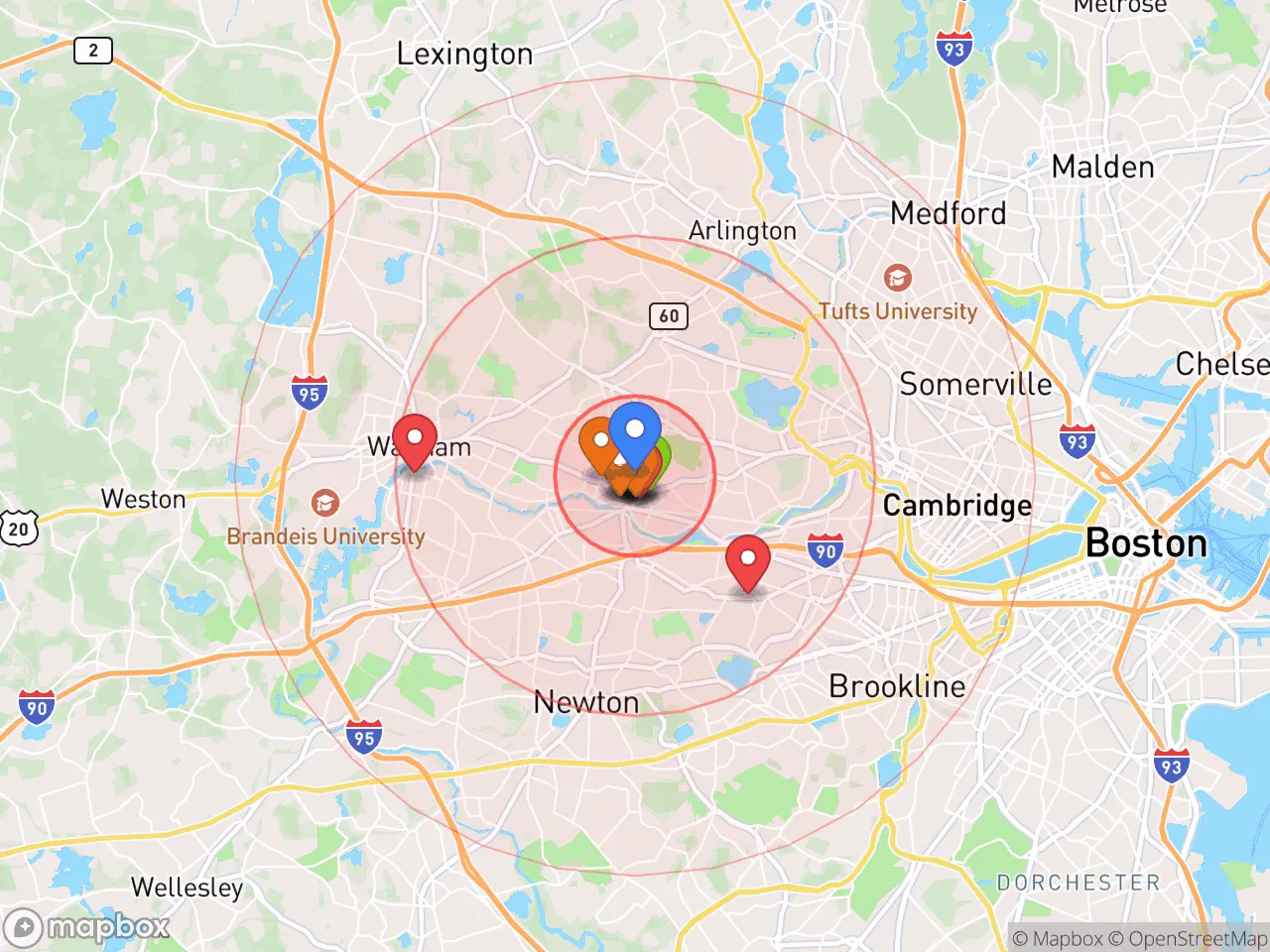
Explore the areaGroceries
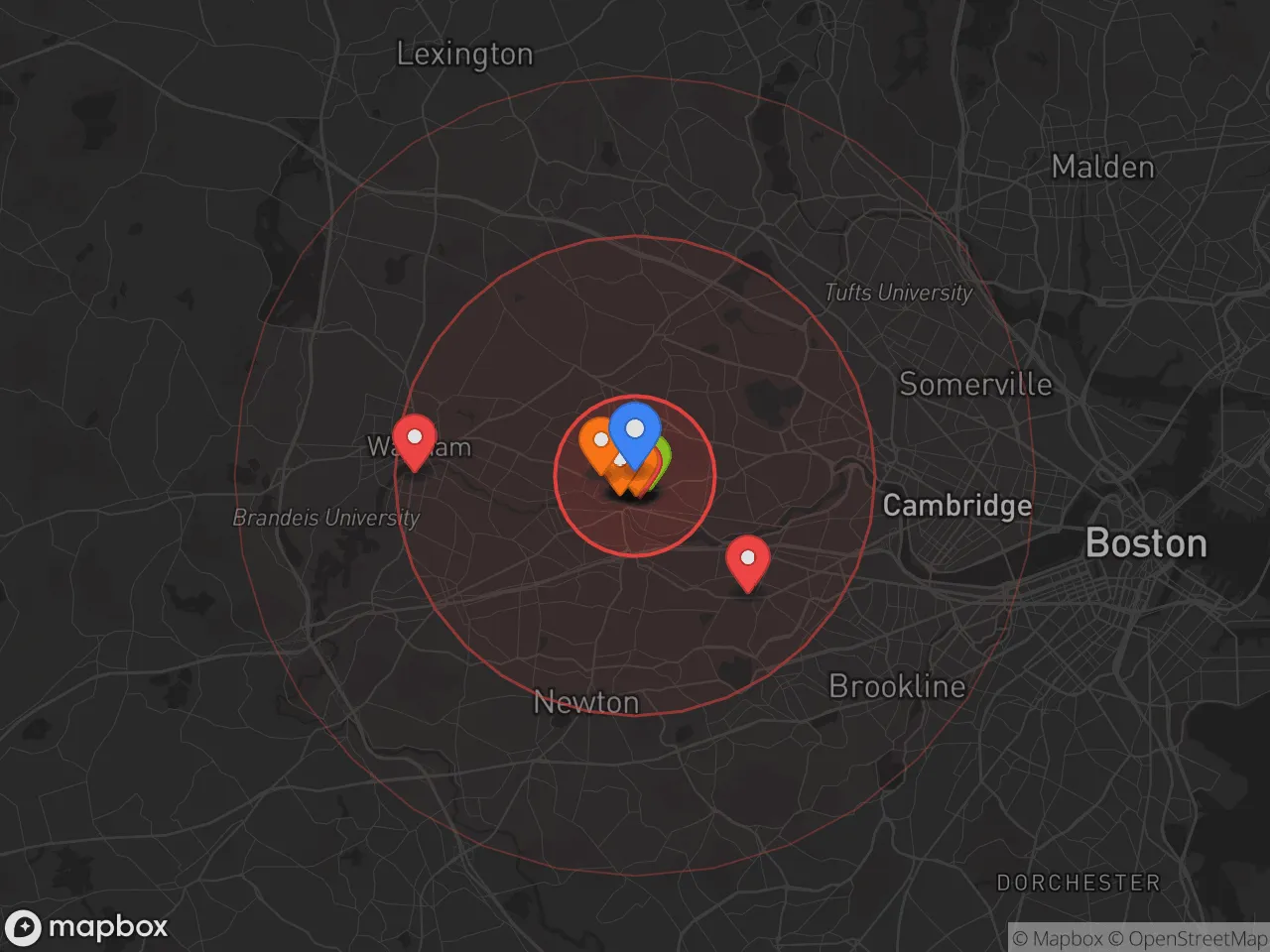
6 within 10 miles
Gas
20 within 10 miles
Hospital
20 within 20 miles
Airport
PDX — Portland International Jetport
Post Office
USPS — Watertown Town, MA
Critical Amenities
Quality-of-Life Analysis
Watertown Town, Massachusetts, is a densely settled, affluent inner-ring suburb of Boston where the cost of living index reaches 226—more than double the national average—reflecting a community of well-educated professionals, academics, and families drawn by its proximity to Cambridge and Boston. The town’s population of roughly 35,000 skews toward dual-income households and long-term residents, with a median age near 38 and a high proportion of residents holding graduate degrees, many employed in the region’s tech, biotech, and education sectors. Watertown offers a distinctly suburban feel within an urban orbit, balancing historic New England charm with the pressures of a high-demand housing market.
Cost of living, housing affordability, and how Watertown compares to nearby suburbs
Watertown’s cost of living index of 226 is driven overwhelmingly by housing, with a median home value of $737,600 and median gross rent of $2,357 per month. While these figures are steep by national standards, they are notably lower than in neighboring Cambridge (median home value above $900,000) and Arlington (around $800,000), making Watertown a relative value for buyers seeking a Boston-adjacent address. Renters face a market where a two-bedroom apartment typically commands $2,500–$3,000, though the town’s rent control history (ended in 1995) means some older units remain below market. Property taxes are moderate for Massachusetts at roughly $7.50 per $1,000 of assessed value, but the overall affordability challenge is real: a household needs an annual income well above $150,000 to comfortably afford a median-priced home. For comparison, nearby Waltham and Newton offer similar commute times but with Newton’s home values pushing past $1.2 million, reinforcing Watertown’s position as a middle-ground option for those priced out of Cambridge but unwilling to sacrifice urban access.
Schools, local amenities, and what daily life feels like for residents
Watertown’s public school system serves about 3,000 students and earns above-average ratings, with Watertown High School offering a robust Advanced Placement program and a 92% graduation rate. The town’s daily rhythm is shaped by its walkable village centers—especially along Mount Auburn Street and Arsenal Street—where independent coffee shops, Armenian bakeries (a nod to the town’s historic Armenian community), and casual restaurants anchor neighborhood life. The Charles River runs along Watertown’s southern edge, providing a 20-mile bike and pedestrian path that connects to Boston and Cambridge, heavily used by commuters and weekend runners. The Arsenal Yards development has added a cinema, grocery store, and retail to the former arsenal site, giving residents a mixed-use hub without needing to drive. The average commute of 26 minutes is among the shortest for Boston suburbs, aided by MBTA bus routes and the 71 and 73 trolley lines that link to Harvard Square in under 20 minutes. Traffic on main arteries like Arsenal Street and Watertown Square can be congested during peak hours, but many residents find the trade-off acceptable for the convenience.
Watertown is best suited for professionals and families who prioritize short commutes to Cambridge and Boston, value walkable neighborhoods with local character, and can absorb the high housing costs that come with the territory. It is less ideal for those seeking a quiet, low-density suburb or a lower cost of living, as the town’s density (over 6,000 people per square mile) and premium pricing reflect its urban-adjacent appeal. For buyers and renters who want a genuine New England town with strong schools, river access, and a 26-minute commute to Kendall Square, Watertown delivers a pragmatic compromise between city energy and suburban stability.

Crime in Watertown Town, MA
Generally safer than 71% of comparable U.S. locations.
Violent CrimeViolent Crime Analysis
Property CrimeProperty Crime Analysis
Crime Analysis
Watertown Town, Massachusetts, reports a violent crime rate of 235.8 per 100,000 residents and a property crime rate of 813.5 per 100,000, placing it in a moderate safety tier for a Boston-adjacent suburb. While these figures are lower than the national average for violent crime, they reflect a community that must contend with the spillover effects of a large metropolitan area where progressive judicial policies often prioritize offender rehabilitation over public protection. Residents should weigh these statistics against the reality that lenient sentencing and district attorney policies in the Greater Boston region can lead to higher recidivism and more property crimes than in more conservative jurisdictions.
Crime in context
Watertown’s violent crime rate of 235.8 per 100,000 is roughly 35% lower than the national average of about 380 per 100,000, but it is significantly higher than the statewide Massachusetts average of approximately 300 per 100,000. The property crime rate of 813.5 per 100,000 is about 30% below the national average of 1,150 per 100,000, yet it remains elevated compared to many smaller, more rural Massachusetts towns. This pattern is typical for inner-ring suburbs of Boston, where proximity to a large metro area brings both economic opportunity and crime spillover. Middlesex County, which includes Watertown, has seen property crime rates fluctuate with regional trends, and the influence of progressive district attorneys in nearby Suffolk County (Boston) and Middlesex County itself has been cited by local law enforcement as a factor in repeat property offenses.
What residents experience
Daily life in Watertown involves a tangible awareness of property crime, particularly theft from vehicles and package theft, which are common nuisances in dense suburban settings. Violent crime is less frequent but not absent, with incidents often concentrated near commercial corridors like Arsenal Street and the Watertown Mall area. The town’s police department maintains a visible presence and community policing initiatives, but residents report that the broader regional justice system’s focus on diversion and reduced incarceration means that repeat offenders, especially those involved in theft and drug-related crimes, cycle back into the community quickly. This creates a sense of frustration among homeowners and small business owners who feel that the system prioritizes offender rights over victim restitution and public safety.
Neighborhood-level variation is notable. Areas closer to the Cambridge and Boston borders, such as the East Watertown neighborhood, experience higher crime rates due to easier access for transient offenders and proximity to public transit hubs. In contrast, the more residential West Watertown and areas near the Charles River see lower incident rates, though property crime remains a concern town-wide. Watertown’s overall safety is best described as moderate—safer than Boston proper but requiring vigilance, especially regarding property security and awareness of the regional judicial climate that can undermine deterrence.
* Values derived from national, state, county, city and local statistics and may differ in a specific area. Last updated: 2026-04-23T04:55:31.000Z
Narrative content on this page is AI-generated and may contain mistakes. Verify any details that matter before acting on them.
ReloMaps may earn a commission from affiliate links at no extra cost to you.

