Political ClimatePolitical Climate in Watertown Town, MA
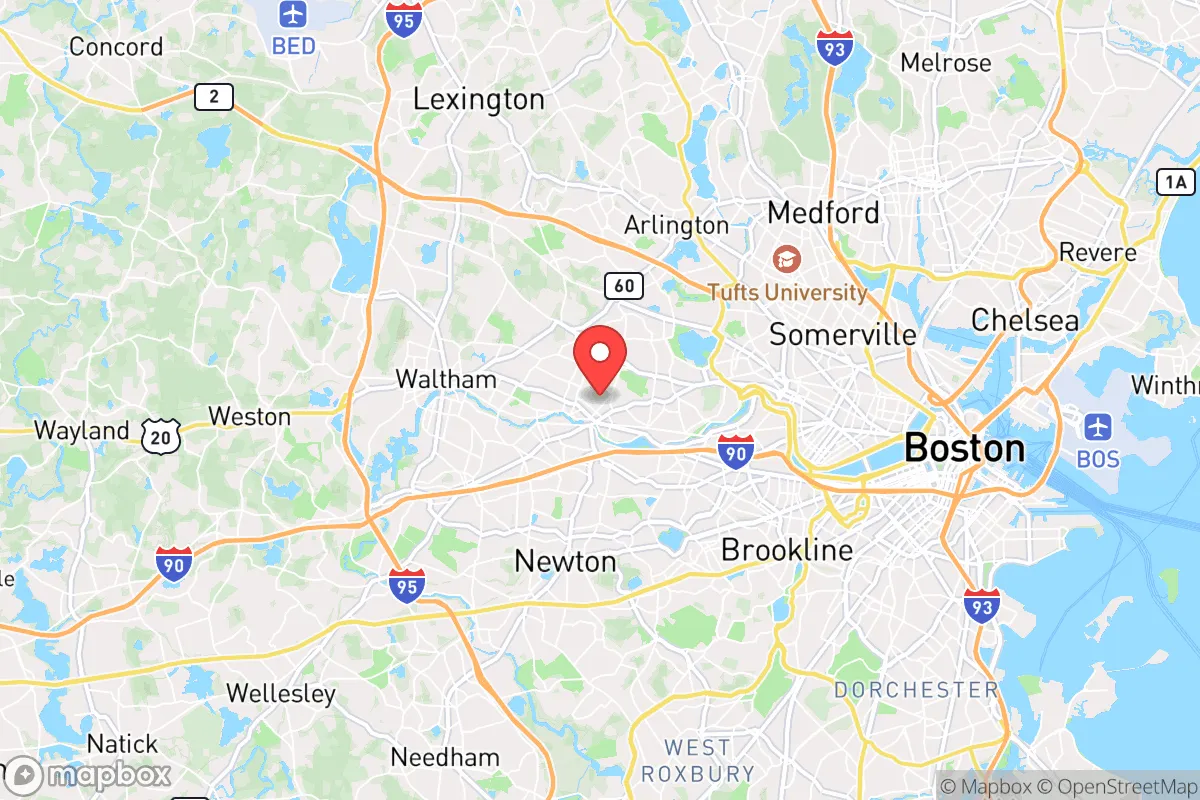
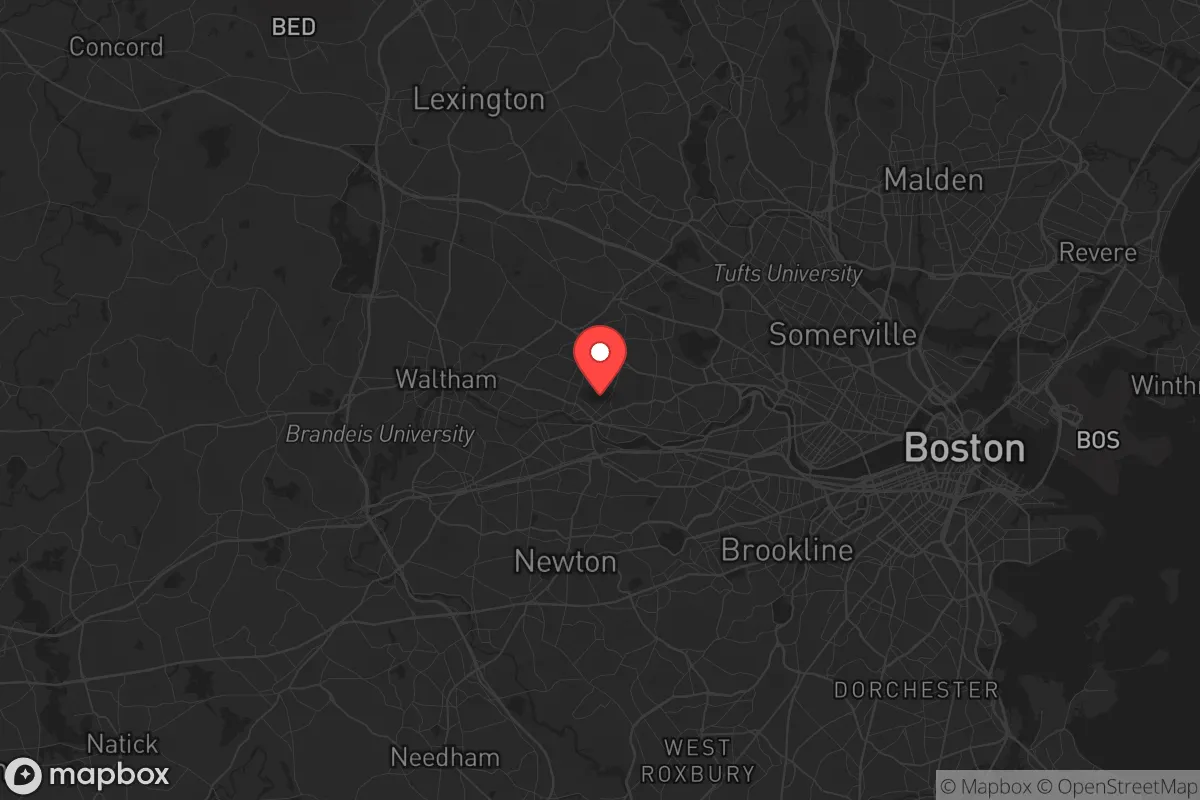
District shown is the primary district for this city’s centroid. Cities may span multiple districts.
Local Political AnalysisPolitical Analysis of Watertown Town, MA
Watertown Town leans heavily Democratic, with a Cook PVI of D+24, meaning it votes about 24 points more Democratic than the national average. In practical terms, this has been the case for decades, but the shift in recent years has been less about party affiliation and more about the intensity of the ideology. It used to be a place where you could have a reasonable disagreement over a beer at the Deluxe Town Diner. Now, the local discourse feels a lot more rigid, with a growing number of residents—especially newer ones from Cambridge and Somerville—bringing a more activist, progressive energy that can feel like it leaves little room for dissent.
How it compares
To understand Watertown, you have to look at its neighbors. Directly to the east, Cambridge and Somerville are the epicenters of Massachusetts progressivism, with rent control debates, bike lane battles, and a general "we know best" attitude that can rub a working-class guy the wrong way. Watertown used to be a nice middle ground—a place for families who wanted good schools and safe streets without the full-on political theater. But as housing prices in Cambridge have exploded, a wave of transplants has pushed west, bringing their politics with them. Compare that to towns just a few miles west, like Waltham or Lexington, which still have a more moderate, "live and let live" vibe. Even Arlington, just north, has a more established, less frantic political scene. Watertown is now firmly in the progressive camp, and the contrast with the more independent-minded towns to the west is stark.
What this means for residents
For a long-time resident, the biggest change is the feeling that local government is increasingly comfortable telling you how to live. The push for "Vision Zero" traffic policies sounds nice, but it's led to more speed bumps, narrower lanes, and a general sense that the town is more interested in making a political statement than in actually moving people efficiently. There's also a growing pressure on small businesses, with new regulations and zoning changes that favor big developers and chain stores over the mom-and-pop shops that gave Watertown its character. The school system, while still good, is now a battleground for curriculum debates that would have been unthinkable 20 years ago. The bottom line is that personal freedoms—like how you get around, what kind of business you run, or even what you say at a town meeting—are being quietly chipped away in the name of "progress."
Culturally, Watertown has lost some of its old-school, blue-collar soul. The Armenian bakeries and family-run hardware stores are still there, but they're surrounded by more juice bars and boutique fitness studios. The town's policy decisions—like the recent push for a "sanctuary city" designation and the aggressive pursuit of state-level housing mandates—signal a clear direction. It's a place that's becoming less about individual choice and more about collective, top-down solutions. If you value a community where you can mostly be left alone to live your life, Watertown is still a decent place, but the window for that kind of freedom is closing faster than most people realize. The next five years will tell if it becomes just another Cambridge suburb or if it can hold onto some of its independent spirit.

State Political ClimatePolitical Climate in Massachusetts
State Political AnalysisPolitical Environment in the State
Massachusetts has long been one of the most reliably Democratic states in the nation, with a partisan lean that has only deepened over the past two decades. In the 2024 presidential election, the state voted for the Democratic candidate by a margin of roughly 30 points, a shift from the 23-point margin in 2004. The dominant coalition is a blend of urban progressives, suburban moderates, and a shrinking but vocal Republican minority concentrated in the central and southeastern parts of the state. For a conservative considering relocation, the political climate here is a challenging one, characterized by a steady march toward progressive policies that many residents feel have eroded personal freedoms and local control.
Urban vs. rural divide
The political map of Massachusetts is a stark study in contrasts. The Boston metro area, including cities like Cambridge, Somerville, and Brookline, is the engine of the state’s progressive tilt. These areas consistently deliver 80-90% of their votes to Democratic candidates, driven by a dense population of academics, tech workers, and young professionals. In contrast, the western and central parts of the state, such as Worcester County and the Berkshires, show a more mixed picture. Worcester itself has trended left in recent cycles, but its surrounding towns like Holden and Paxton remain reliably red. The southeastern corner, including Plymouth and Bristol counties, has seen some of the most dramatic shifts. For instance, Fall River and New Bedford, once working-class Democratic strongholds, have become more competitive, with Trump improving his margins there in 2020 and 2024. However, the rural towns of the Berkshires, like Great Barrington and Stockbridge, have actually moved left as wealthy second-home owners from New York and Boston have moved in, displacing the old Yankee Republican base.
Policy environment
The state’s policy environment is a textbook case of progressive governance. Massachusetts has a flat income tax rate of 5%, but a 2022 ballot question added a 4% surtax on income over $1 million, making the effective top rate 9%. Property taxes are high, averaging about 1.2% of home value, but they are locally controlled, which offers some variation. The regulatory posture is among the most burdensome in the country, particularly in housing and energy. The state’s MassSave program mandates energy audits and efficiency upgrades for home sales, adding thousands to transaction costs. In education, Massachusetts has the nation’s highest-performing public schools, but also some of the most restrictive charter school caps, limiting parental choice. Healthcare is heavily regulated, with the state’s 2006 health reform law serving as a model for the Affordable Care Act. On election law, Massachusetts has no-excuse mail-in voting and same-day registration, which conservatives argue weakens ballot security. The state also has some of the strictest gun laws in the country, including a 2024 law that bans the sale of many semi-automatic firearms and requires a license to purchase ammunition.
Trajectory & freedom
Over the past five years, Massachusetts has become less free by almost any measure. The 2024 gun law, signed by Governor Maura Healey, is a prime example: it bans the sale of AR-15-style rifles and requires fingerprinting for ammunition purchases, a move that gun rights advocates see as a direct infringement on Second Amendment rights. On parental rights, the state passed a 2023 law that prohibits schools from notifying parents if a child changes their gender identity or pronouns, a policy that has sparked heated school board meetings in suburbs like Lexington and Newton. Medical autonomy has also been curtailed; the state’s 2020 law requiring COVID-19 vaccines for school attendance, though since repealed, set a precedent for government mandates. Property rights are under pressure from the state’s MBTA Communities Act, which forces towns near transit to rezone for multi-family housing, overriding local zoning boards. On taxation, the 2022 millionaire’s tax has already led to reports of high-net-worth individuals relocating to New Hampshire or Florida, a trend that is accelerating.
Civil unrest & political movements
Massachusetts has a long history of political activism, but recent years have seen a sharpening of divisions. The 2020 Black Lives Matter protests in Boston were large and mostly peaceful, but they also led to the defunding of the Boston Police School Program, a move that many residents felt was performative. On the right, the Massachusetts Fiscal Alliance and local gun rights groups like the Gun Owners’ Action League have been active, but they are outmatched by progressive organizations like ACLU Massachusetts and Progressive Massachusetts. Immigration politics are a flashpoint: the state is a sanctuary state, and cities like Boston and Somerville have declared themselves sanctuary cities. In 2023, the state’s right-to-shelter law, which guarantees housing for homeless families, was overwhelmed by an influx of migrants, leading to a crisis that saw families sleeping in airport terminals. This has fueled a growing backlash, with towns like Wrentham and Norwood voting in local elections to oppose migrant shelters. Election integrity has been a minor issue, with the state’s mail-in voting system drawing scrutiny, but no major fraud has been proven.
Projection
Looking ahead five to ten years, the trajectory is clear: Massachusetts will continue to move left, but the pace may slow as demographic and economic pressures mount. The state’s population is aging and slowly declining, with net domestic outmigration to lower-tax states like Florida and Texas. The in-migration from international sources, particularly from Asia and Latin America, will likely keep the state’s overall population stable, but these new arrivals tend to vote Democratic, reinforcing the status quo. The MBTA Communities Act will gradually densify the suburbs, potentially diluting the remaining conservative enclaves. However, the backlash against the migrant crisis and the high cost of living could create openings for a more centrist or even conservative message in places like Worcester and the South Coast. A new resident moving in now should expect to find a state where government intervention in daily life is the norm, from housing to healthcare to education, and where individual freedoms are increasingly subject to collective mandates.
Bottom line for a new resident: If you value low taxes, gun rights, parental control over education, and local zoning autonomy, Massachusetts will be a difficult place to live. The state offers world-class schools and healthcare, but at the cost of significant personal liberty and a high cost of living. You’ll find like-minded conservatives in the rural towns of the central and southeastern parts of the state, but you’ll be fighting an uphill battle against a well-entrenched progressive machine. If you’re considering a move here, be prepared for a political environment that is actively hostile to many conservative values, and plan accordingly.
* Values derived from national, state, county, city and local statistics and may differ in a specific area. Last updated: 2026-04-23T04:55:31.000Z
Narrative content on this page is AI-generated and may contain mistakes. Verify any details that matter before acting on them.
ReloMaps may earn a commission from affiliate links at no extra cost to you.

