 Popular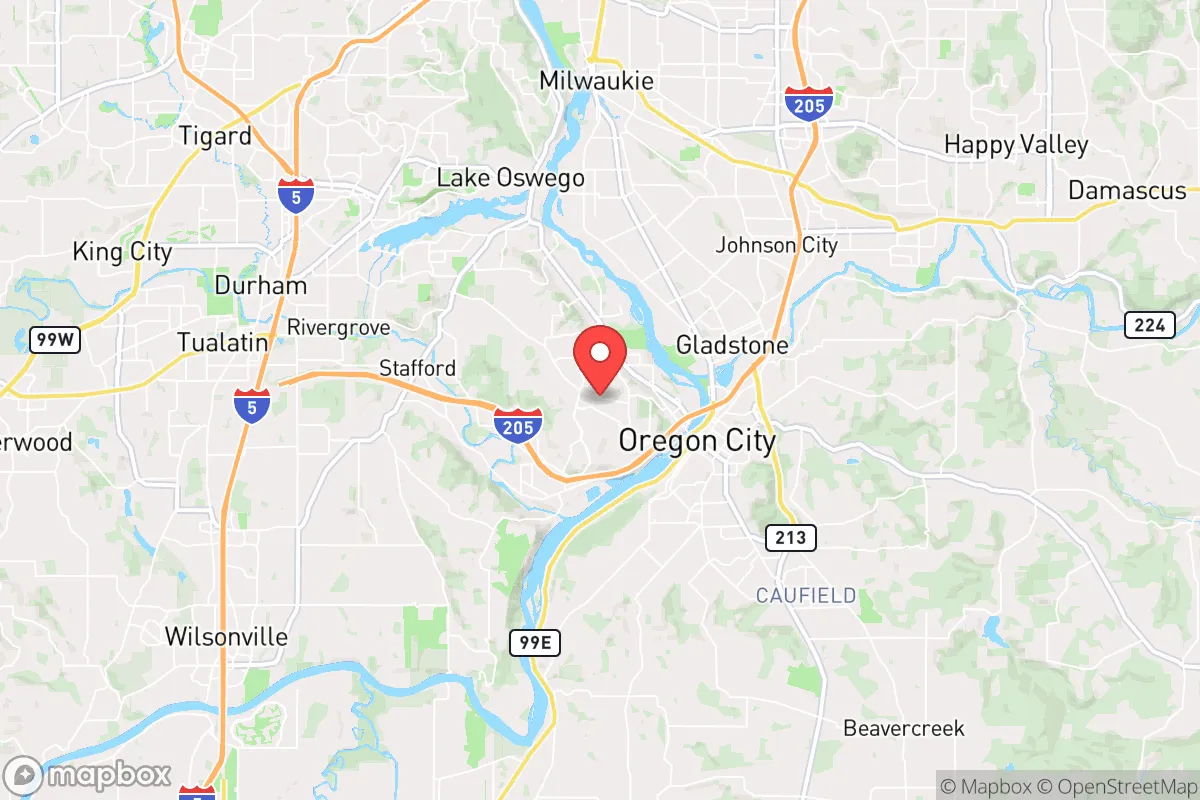
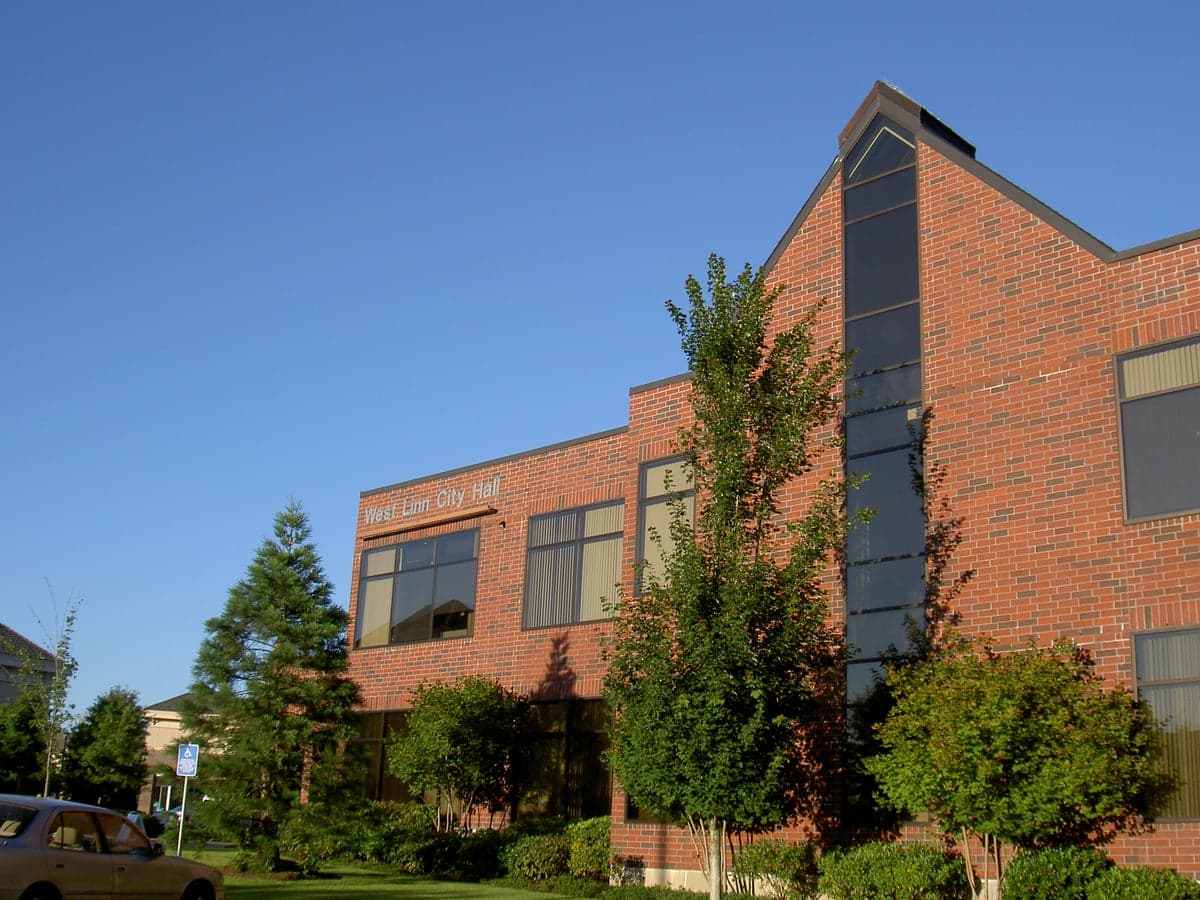
Photo: Wikipedia
Political ClimatePolitical Climate in West Linn, OR
District shown is the primary district for this city’s centroid. Cities may span multiple districts.
Local Political AnalysisPolitical Analysis of West Linn, OR
West Linn, Oregon, has a Cook PVI of D+4, meaning it leans about four points more Democratic than the national average, but that number doesn’t tell the whole story. This town used to be a reliably moderate, family-oriented place where folks valued their privacy, property rights, and local control. Over the last decade, though, you’ve seen a steady shift leftward—driven largely by new arrivals from Portland and California who bring a more progressive, activist mindset. The result is a community that’s increasingly split between old-guard conservatives and a vocal, organized progressive bloc, with the latter gaining ground in city council races and school board decisions.
How it compares
Drive ten minutes east to Oregon City, and you’ll feel a different vibe—it’s still more working-class and politically mixed, with a stronger conservative presence in local elections. Head south to Tualatin or Wilsonville, and you’ll find similar suburban battlegrounds, but West Linn stands out for its higher concentration of well-educated, affluent transplants who tend to vote blue. The contrast is sharpest with nearby Canby or Estacada, where voters consistently reject the kind of land-use restrictions and social policies that gain traction in West Linn. Even Lake Oswego, just north, has a similar D+ lean but a more established, less polarized political culture. In West Linn, the tension feels personal—neighbors arguing over mask mandates in schools, zoning changes that limit what you can do with your own property, and a growing push for equity initiatives that many longtime residents see as government overreach into family life and local business.
What this means for residents
If you value personal freedoms—like deciding how to use your land, what your kids learn in school, or whether to follow state-level mandates without local pushback—West Linn’s political drift is something to watch closely. The city council has passed resolutions supporting statewide climate and housing policies that limit single-family zoning and increase density, which directly affects property rights. School board meetings have become battlegrounds over curriculum transparency and parental rights, with progressive majorities often siding with district administration over concerned parents. For conservatives, it means you can’t take local governance for granted anymore; you have to show up, vote in every primary, and engage with neighborhood groups just to keep the balance from tipping further. The near-term outlook suggests more of the same—a slow, steady march toward progressive policies unless there’s a concerted pushback. Long-term, if the trend continues, West Linn could resemble Portland’s inner suburbs, where local control has been largely replaced by county and state mandates.
Culturally, West Linn still has its quiet, tree-lined streets and strong sense of community, but the political undercurrent is unmistakable. You’ll see more yard signs for progressive candidates than conservative ones, and local events often feature booths for climate action or social justice groups. The biggest policy distinction is the city’s embrace of Metro’s urban growth boundary and density targets, which means less flexibility for homeowners who want to build a shop or expand without jumping through hoops. For a conservative resident, the advice is simple: get involved, stay informed, and don’t assume the old West Linn is still here—because it’s changing faster than many realize.

State Political ClimatePolitical Climate in Oregon
State Political AnalysisPolitical Environment in the State
Oregon has long been seen as a progressive stronghold, but the reality is far more complicated—and for conservatives, increasingly concerning. The state’s overall partisan lean is solidly Democratic at the statewide level, with every presidential election since 1988 going blue, but that blue margin has been shrinking in recent cycles. In 2020, Joe Biden won Oregon by 16 points, down from Hillary Clinton’s 11-point margin in 2016, and in 2024, that gap narrowed further to roughly 12 points. The real story is a deepening urban-rural chasm, with the Portland metro area and the Willamette Valley driving the leftward tilt, while vast stretches of eastern and southern Oregon are as red as any place in Texas or Idaho. Over the past 20 years, the state has shifted from a moderate, live-and-let-live ethos to a more aggressive progressive policy machine, and that trajectory is accelerating.
Urban vs. rural divide
The political map of Oregon is a tale of two states. The Portland metro area—Multnomah, Washington, and Clackamas counties—accounts for nearly half the state’s population and votes overwhelmingly Democratic. In 2024, Multnomah County gave Biden 78% of the vote, while rural Lake County in the south-central high desert gave Trump 82%. The Willamette Valley cities of Eugene and Salem are also deep blue, with Lane County and Marion County trending left. But step outside I-5, and the landscape flips. Central Oregon’s Deschutes County (Bend) has become a battleground, flipping from red to purple as California transplants pour in; it voted for Biden by just 2 points in 2020 and Trump by 3 in 2024. Eastern Oregon counties like Union, Wallowa, and Baker are reliably red, while southern Oregon’s Jackson County (Medford) and Josephine County (Grants Pass) are conservative strongholds, though Medford itself is slowly drifting left. The rural-urban split is so stark that some eastern counties have floated secession proposals, including the “Greater Idaho” movement, which has gained traction in 13 counties that have voted to explore joining Idaho. That movement isn’t just symbolic—it reflects a deep cultural and political alienation that’s only growing.
Policy environment
Oregon’s policy environment is a mixed bag that tilts heavily toward government intervention. The state has no sales tax, which sounds great, but it’s replaced by some of the highest income and property taxes in the nation. The top marginal income tax rate is 9.9%, and property taxes are capped by Measure 50 but still run high in urban areas. The regulatory posture is aggressively progressive: Oregon has a statewide rent control law (2019’s SB 608), a carbon cap-and-trade program (though it’s been paused and reworked), and some of the strictest land-use laws in the country under the 1973 Senate Bill 100, which limits development and drives up housing costs. On education, Oregon ranks near the bottom nationally in graduation rates (around 80%), and the state’s teachers’ union is powerful. Healthcare is dominated by the Oregon Health Plan, the state’s Medicaid expansion, which covers about 1 in 4 residents. Election laws are notably permissive: Oregon was the first state to vote entirely by mail (1998), and it automatically registers voters when they get a driver’s license. There’s no voter ID requirement, which has raised concerns about election integrity among conservatives. The state also legalized recreational marijuana in 2014 and decriminalized small amounts of hard drugs in 2020 via Measure 110—a policy that has been widely criticized for fueling homelessness and public drug use, and which the legislature partially rolled back in 2024.
Trajectory & freedom
Oregon is becoming less free for conservatives, and the trend is accelerating. On gun rights, the state passed Measure 114 in 2022, which requires a permit to purchase a firearm, bans magazines over 10 rounds, and mandates a background check for every sale. It’s been tied up in court, but if upheld, it would be one of the strictest gun laws in the nation. On parental rights, the 2023 passage of HB 2002 allows minors as young as 15 to access gender-affirming care without parental consent, and schools are not required to notify parents if a child changes their name or pronouns—a major flashpoint for conservative families. On speech, Oregon has no hate speech law per se, but Portland’s city council has repeatedly tried to restrict public protest permits and noise ordinances in ways that critics say chill free expression. Medical autonomy took a hit with the state’s COVID-19 vaccine mandate for healthcare workers and school staff, which remained in place longer than most states. Property rights are constrained by the land-use system, which makes it nearly impossible to build new housing in rural areas without years of permitting. On taxation, there’s no relief in sight—the state’s budget has grown 50% in the last decade, and a 2024 ballot measure to cap income tax growth failed. The overall trajectory is toward more regulation, higher taxes, and less individual liberty, especially for those who don’t align with progressive orthodoxy.
Civil unrest & political movements
Oregon has been a flashpoint for civil unrest, particularly in Portland. The 2020 George Floyd protests turned into months of nightly clashes between demonstrators and federal law enforcement, with the city becoming a national symbol of left-wing activism. The “Wall of Moms” and “Patriot Prayer” groups both made headlines, and the city saw millions in property damage. Since then, the protest scene has cooled but not disappeared—antifa and far-left groups remain active, and conservative counter-protests are common. The “Greater Idaho” movement is the most visible right-wing political movement, with 13 counties voting to explore secession. Immigration politics are tense: Oregon is a sanctuary state (1987’s SB 100), and Portland has a “sanctuary city” policy that limits cooperation with ICE. In 2023, the state passed a law barring local law enforcement from sharing information about immigration status. Election integrity remains a hot-button issue: the state’s all-mail voting system has been criticized for lack of chain-of-custody controls, and in 2022, a ballot drop box in Portland was set on fire, destroying hundreds of ballots. The 2024 election saw a surge in Republican voter registration in rural counties, but Democratic dominance in the metro areas still carries the day. New residents will notice the political tension in everyday life—yard signs, bumper stickers, and even grocery store conversations can get heated.
Projection
Over the next 5-10 years, Oregon is likely to become more polarized and more progressive. Demographic trends favor the left: the Portland metro area continues to grow, while rural counties are losing population. In-migration from California, which has been steady for decades, brings more progressive voters, though there’s a counter-current of conservatives moving to Idaho and Texas. The “Greater Idaho” movement may gain more symbolic victories, but actual secession is legally and politically improbable. The state’s housing crisis—driven by land-use restrictions and rent control—will likely worsen, pushing more moderate voters out of the state. On policy, expect more gun control, more parental rights battles, and higher taxes. The 2024 legislative session saw a push for a wealth tax and a corporate activity tax increase, both of which failed but will return. The biggest wildcard is the homelessness and drug crisis: if Measure 110’s rollback doesn’t improve conditions, voters may swing toward more moderate or conservative candidates in future elections. But for now, the state’s political machinery is firmly in progressive hands, and that’s not changing soon.
Bottom line for a new resident: If you’re a conservative considering Oregon, you need to go in with eyes wide open. The state’s natural beauty and outdoor lifestyle are unmatched, but the political climate is hostile to many conservative values. You’ll find like-minded communities in places like Grants Pass, Redmond, or Baker City, but you’ll be fighting an uphill battle at the state level. Expect higher taxes, more regulation, and a culture that increasingly views traditional values as suspect. If you’re willing to be a minority voice and engage in local politics, you can make a difference—but if you’re looking for a state that respects your freedoms, Oregon is not the safe bet it once was.
* Values derived from national, state, county, city and local statistics and may differ in a specific area. Last updated: 2026-04-24T14:03:16.000Z
Narrative content on this page is AI-generated and may contain mistakes. Verify any details that matter before acting on them.
ReloMaps may earn a commission from affiliate links at no extra cost to you.

