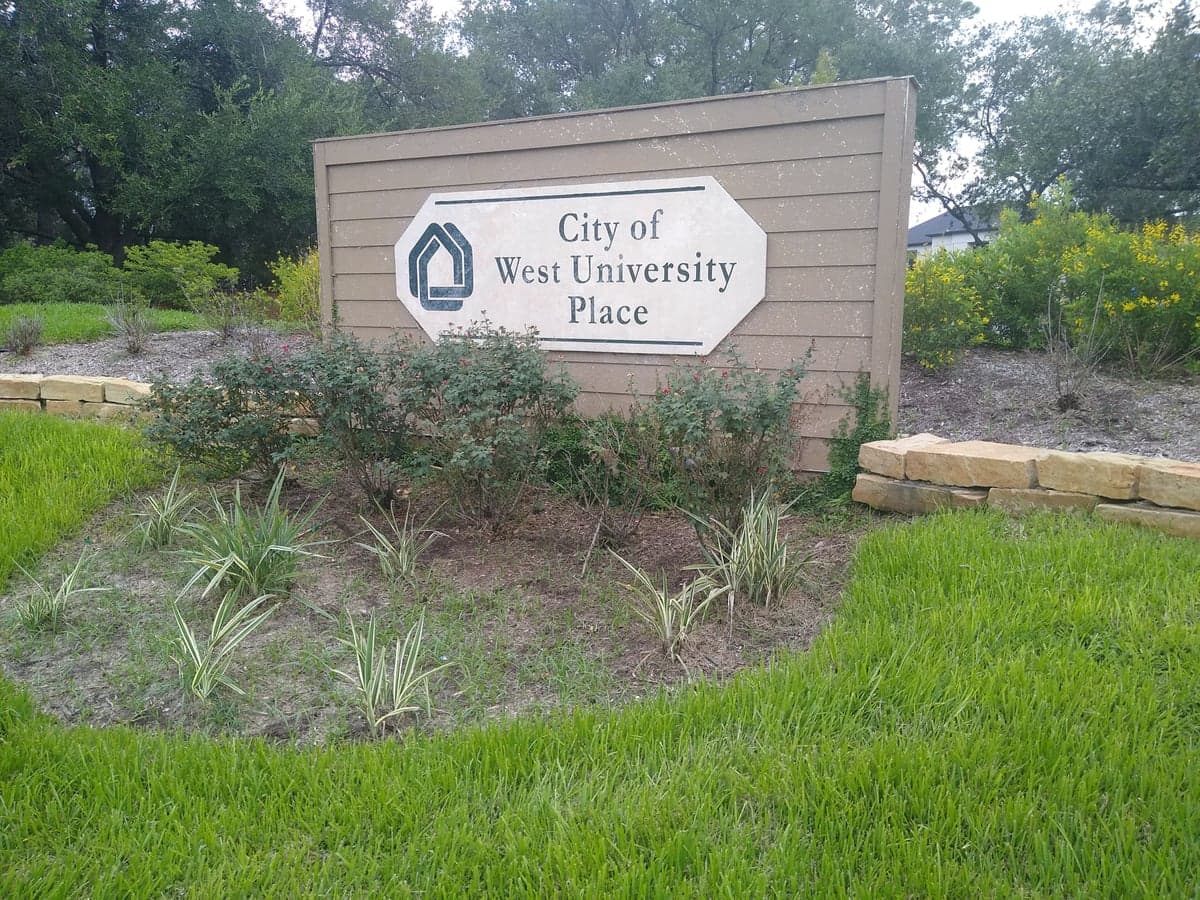
Photo: Wikipedia
Quality of Life in West University Place, TX
Above-average quality of iife. The area offers a reasonable cost of living, decent mobility, and a mix of neighborhood amenities.
What does Quality of Life tell us?
Quality of Life blends cost of living, nearby amenities, socioeconomic signals, and neighborhood character. City-level scores represent the whole municipality; individual neighborhoods can differ.
What does this tell us?
Quality of Life blends cost of living, nearby amenities, socioeconomic signals, and neighborhood character. City-level scores represent the whole municipality; individual neighborhoods can differ.
Cost of Living
254% above national average
The Real Cost of Living in West University Place, TX for 2026
| Tier | Individual | Family (4) |
|---|---|---|
| Survival | $120k | $226k |
| Comfortable | $554k | $815k |
| Luxury | $452k+ | $700k+ |
| Elite (Top 5%) | $681k+ | $1.1M+ |
31%
The Area Signal
A metric tracking the socioeconomic signals of the area.


Hobbies
Explore the areaGroceries
5 within 10 miles
Gas
0 within 10 miles
Hospital
3 within 20 miles
Airport
IAH — Bush Iah Terminal C
Post Office
USPS — Katy, TX
Critical Amenities
Quality-of-Life Analysis
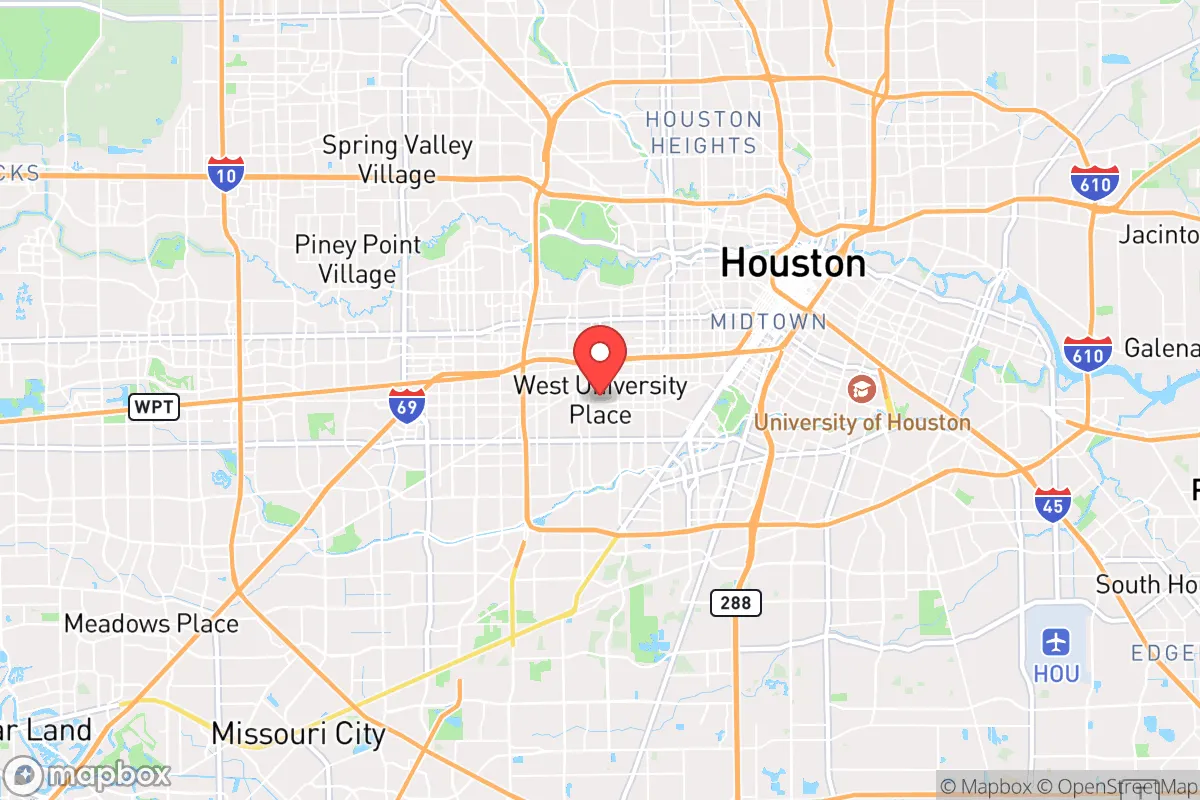
West University Place, often called "West U," is an affluent, family-oriented enclave inside the 610 Loop in southwest Houston, home to roughly 15,000 residents. With a cost-of-living index of 354 (more than 3.5 times the U.S. average), the city is one of the most expensive in the Houston metro area, attracting professionals, executives, and families who prioritize top-tier schools, low crime, and a walkable, small-town feel within a major city. The population is predominantly white-collar, with a high concentration of lawyers, doctors, and energy-sector executives, and the median household income exceeds $250,000.
What it costs to live in West University Place and how it compares to nearby neighborhoods
Housing is the primary driver of West U's extreme cost of living. The median home value sits at $1,406,600, roughly four times the Houston metro median, while the median rent is $3,000 per month—comparable to rents in downtown Houston or the Galleria area but for significantly more space and a quieter setting. For context, a similar-sized home in neighboring Bellaire (just west) might cost 10–15% less, while homes in the Houston Museum District or Rice Village (both nearby) can be even pricier per square foot. The average commute is a short 20.2 minutes, well below the Houston regional average of 28 minutes, thanks to West U's central location near the Texas Medical Center, Uptown, and downtown. Property taxes are high (roughly 2.0–2.2% of assessed value), but residents pay no city income tax, and the trade-off is access to some of the state's best public schools and city services. Most homes are single-family detached houses on tree-lined streets, with very few apartments or condos, reinforcing the area's exclusive, suburban character.
Daily life, schools, and amenities in West University Place
Daily life in West U revolves around its walkable village center, Colonial Park, and the highly rated West University Elementary School (part of the Houston ISD, consistently rated A by the TEA). The city's own police department keeps crime rates extremely low—violent crime is nearly nonexistent, and property crime rates are a fraction of Houston's citywide averages. Residents walk or bike to the West U Recreation Center, the public library, and local eateries like Baba Yega or Kenny & Ziggy's. The neighborhood is also minutes from Rice University, the Houston Zoo, and Hermann Park, offering cultural and recreational outlets without a long drive. The rhythm is distinctly family-centric: weekend mornings see strollers and dogs on the sidewalks, and the city's strict noise and parking ordinances preserve a quiet, orderly atmosphere. There are no major shopping malls within city limits, but the nearby Rice Village and Galleria provide upscale retail and dining.
West University Place is best suited for affluent families, professionals working in the Texas Medical Center or downtown, and empty-nesters who value top-ranked public schools, safety, and a tight-knit community within a 20-minute commute to Houston's core. Singles and renters on a typical Houston salary will find the housing market prohibitive, and those seeking nightlife or urban density will prefer Montrose or Midtown. For buyers who can afford the premium, West U offers a rare combination of suburban safety, urban proximity, and elite public education that few other Houston neighborhoods can match.

Crime in West University Place, TX
Lower crime rates than 90% of comparable U.S. locations.
Violent CrimeViolent Crime Analysis
Property CrimeProperty Crime Analysis
Crime Analysis
West University Place, a small, affluent enclave within the Houston metro area, reports a violent crime rate of 32.9 incidents per 100,000 residents and a property crime rate of 1,060.3 per 100,000. While these figures place the city well below national averages for violent offenses, the property crime rate is a notable concern for a community of its size and wealth. The overall safety picture is one of low violent threat but persistent property-related risks, typical of many high-value suburban neighborhoods near a major urban core.
Crime in context
West University Place’s violent crime rate is roughly one-tenth the national average and significantly lower than the Texas state rate of approximately 447 per 100,000. However, the property crime rate of 1,060.3 per 100,000 is about 30% higher than the national average of roughly 1,954 per 100,000, but still well below the Texas state average of approximately 2,300 per 100,000. The disparity between violent and property crime is stark: residents are far more likely to experience theft, burglary, or vehicle break-ins than assault or robbery. This pattern aligns with the city’s demographics—dense, walkable neighborhoods with high-value homes and vehicles attract property crime, while the community’s low population density and strong police presence suppress violent incidents.
What residents experience
For daily life, the primary safety concern is property crime, particularly package theft, vehicle break-ins, and residential burglaries. The city’s proximity to Houston’s major thoroughfares (Interstate 69 and Loop 610) provides easy access for transient criminals. Residents commonly report incidents of "porch piracy" and unlocked-car thefts, especially near the commercial corridors along University Boulevard and Bellaire Boulevard. Violent crime is rare and typically isolated to domestic incidents or disputes, rarely affecting public spaces or schools. The West University Place Police Department maintains a visible presence, with officers patrolling neighborhoods and responding quickly to calls, which contributes to a general sense of security among residents.
Neighborhood-level variation is minimal but noticeable. Areas closer to the Rice University campus and the Texas Medical Center—particularly the blocks between University Boulevard and Holcombe Boulevard—see slightly higher foot traffic and associated petty theft. In contrast, the quieter, tree-lined streets north of Bellaire Boulevard and east of Edloe Street experience fewer incidents. The city’s strict zoning and homeowner association rules also help maintain a uniform, low-crime environment. However, readers should be aware that West University Place falls under the jurisdiction of Harris County, where progressive district attorneys and judges have been criticized for lenient sentencing and reduced prosecution of property crimes. This judicial environment can embolden repeat offenders, meaning that even a low violent crime rate does not guarantee that property crimes will be effectively deterred or punished. Residents are advised to invest in home security systems, participate in neighborhood watch programs, and remain vigilant about locking vehicles and securing packages.
* Values derived from national, state, county, city and local statistics and may differ in a specific area. Last updated: 2026-04-14T00:03:05.000Z
Narrative content on this page is AI-generated and may contain mistakes. Verify any details that matter before acting on them.
ReloMaps may earn a commission from affiliate links at no extra cost to you.

