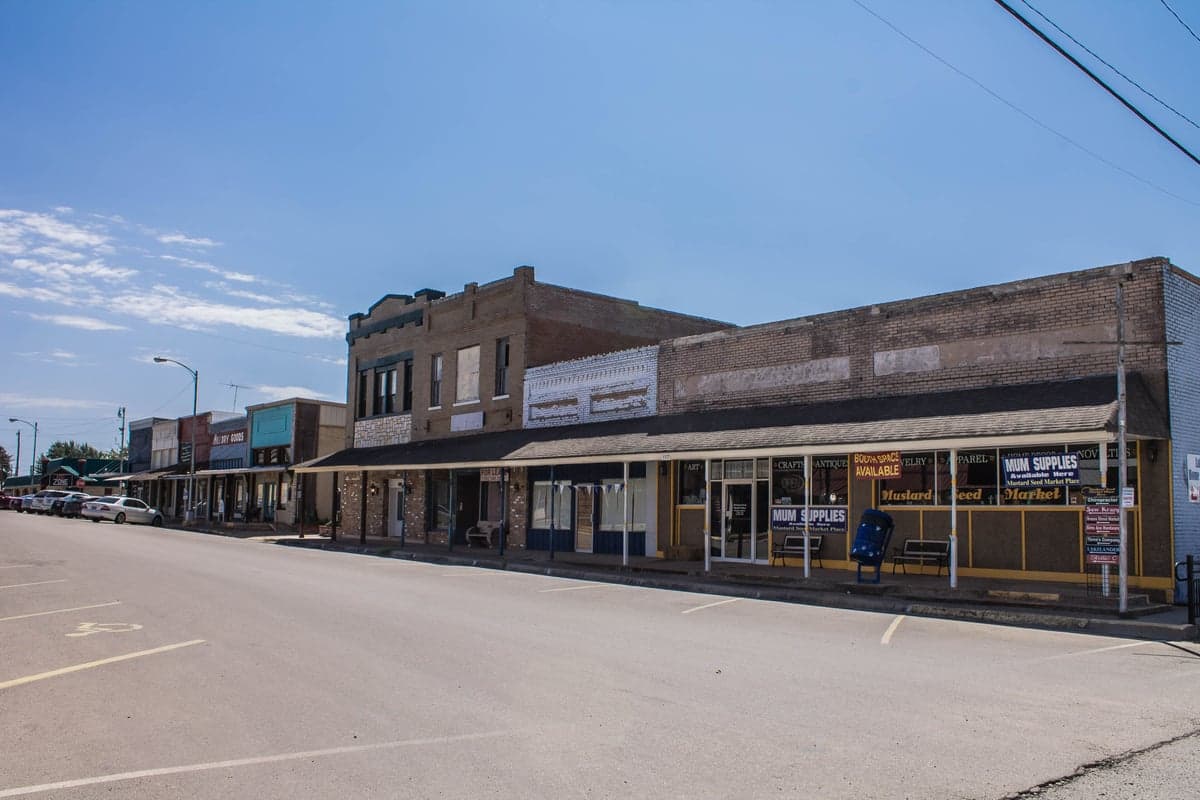
Photo: Wikipedia
Quality of Life in Whitney, TX
Above-average quality of iife. The area offers a reasonable cost of living, decent mobility, and a mix of neighborhood amenities.
What does Quality of Life tell us?
Quality of Life blends cost of living, nearby amenities, socioeconomic signals, and neighborhood character. City-level scores represent the whole municipality; individual neighborhoods can differ.
What does this tell us?
Quality of Life blends cost of living, nearby amenities, socioeconomic signals, and neighborhood character. City-level scores represent the whole municipality; individual neighborhoods can differ.
Cost of Living
41% below national average
The Real Cost of Living in Whitney, TX for 2026
| Tier | Individual | Family (4) |
|---|---|---|
| Survival | $13k | $25k |
| Comfortable | $22k | $33k |
| Luxury | $76k+ | $118k+ |
| Elite (Top 5%) | $97k+ | $150k+ |
127%
The Area Signal
A metric tracking the socioeconomic signals of the area.
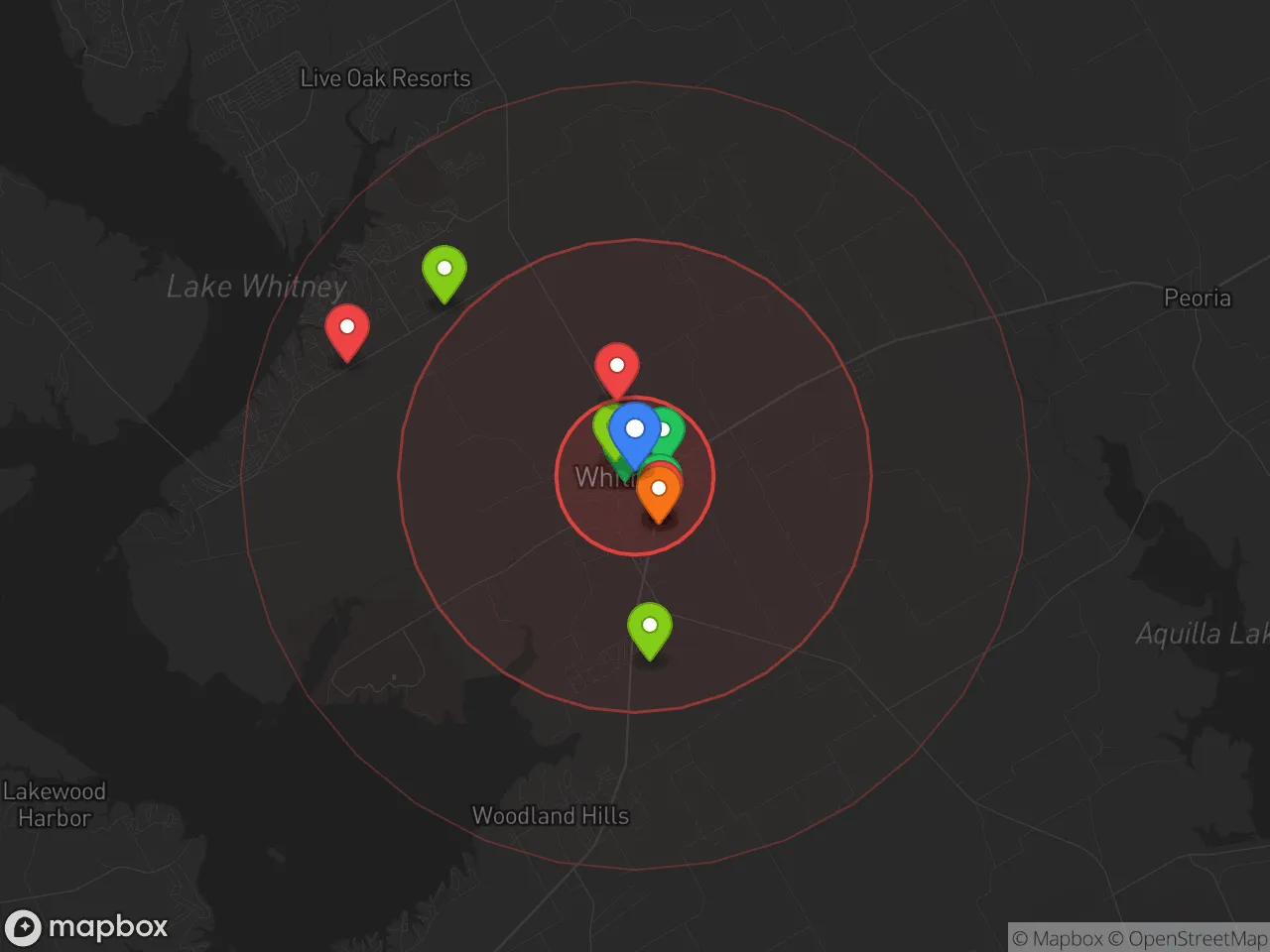
Hobbies
Explore the areaGroceries
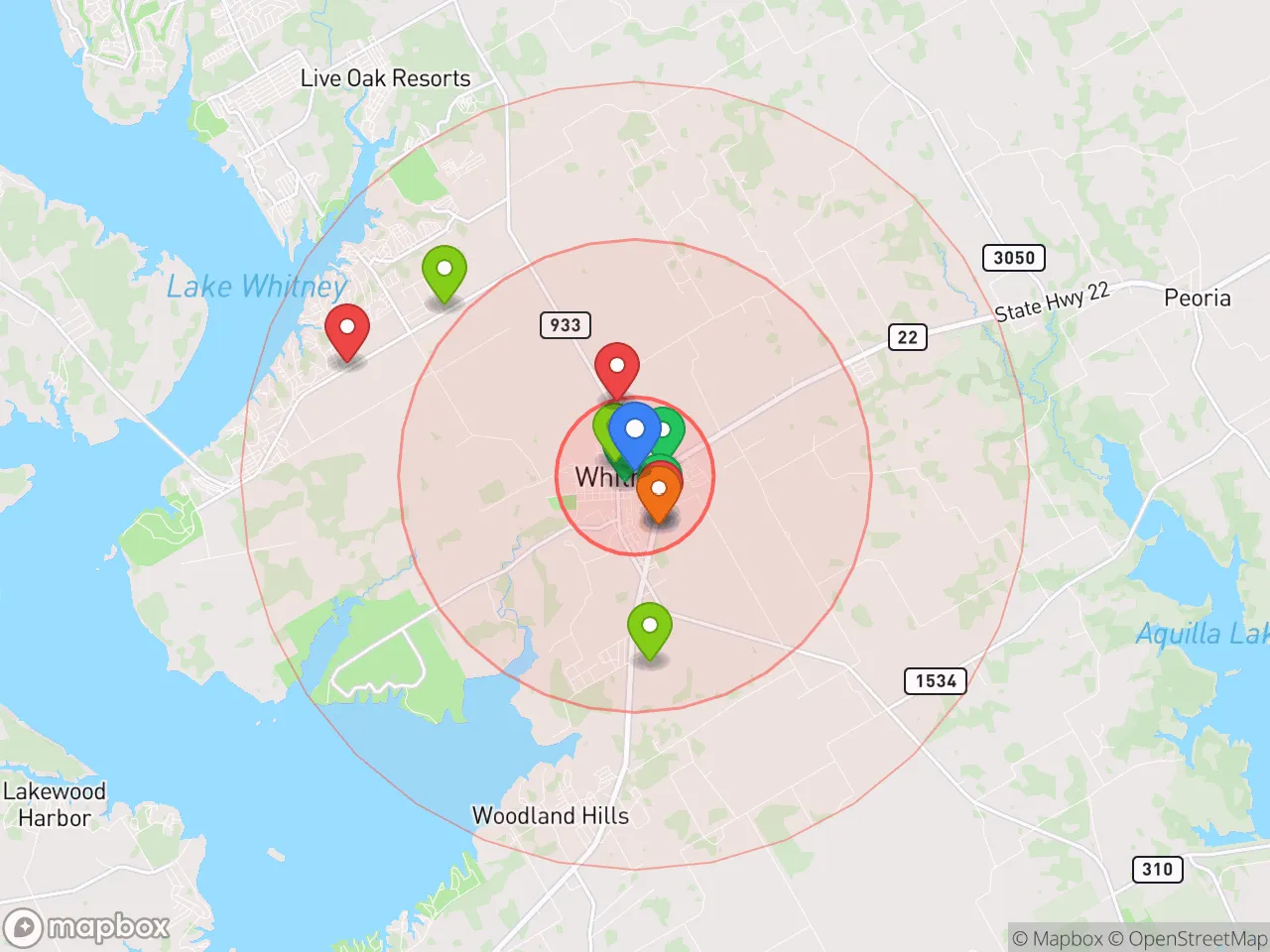
1 within 10 miles
Gas
7 within 10 miles
Hospital
2 within 20 miles
Airport
DFW — Dallas/Fort Worth International
Post Office
USPS — Whitney, TX
Critical Amenities
Quality-of-Life Analysis
Whitney, Texas, presents a notably affordable quality of life that attracts a mix of retirees, lake-focused families, and commuters seeking a slower pace near Lake Whitney. With a cost of living index of 59—well below the U.S. average of 100—the area draws residents who prioritize space and recreation over urban career density. The population skews older and more settled, with a median age around 48, reflecting a community built around lakefront leisure and small-town routines rather than rapid growth or nightlife.
Cost of living, housing, and how Whitney compares to nearby towns
Whitney’s housing market is among the most affordable in the Lake Whitney region. The median home value sits at $115,500, roughly half the Texas statewide median of about $230,000, while median rent is $818—well below the national median of $1,200. This affordability is a primary draw for buyers priced out of Hillsboro (median home value ~$145,000) or Waco (~$195,000). However, the trade-off is a longer average commute of 37.7 minutes, as many residents drive to jobs in Hillsboro (20 minutes north), Waco (40 minutes east), or even Fort Worth (75 minutes north). Property taxes in Hill County hover around 1.6–1.8% of assessed value, which is typical for rural Texas but can offset some housing savings. For renters, the limited inventory of apartments means most rentals are single-family homes or duplexes, often requiring a car for errands and school drop-offs.
Amenities, schools, and what daily life actually feels like
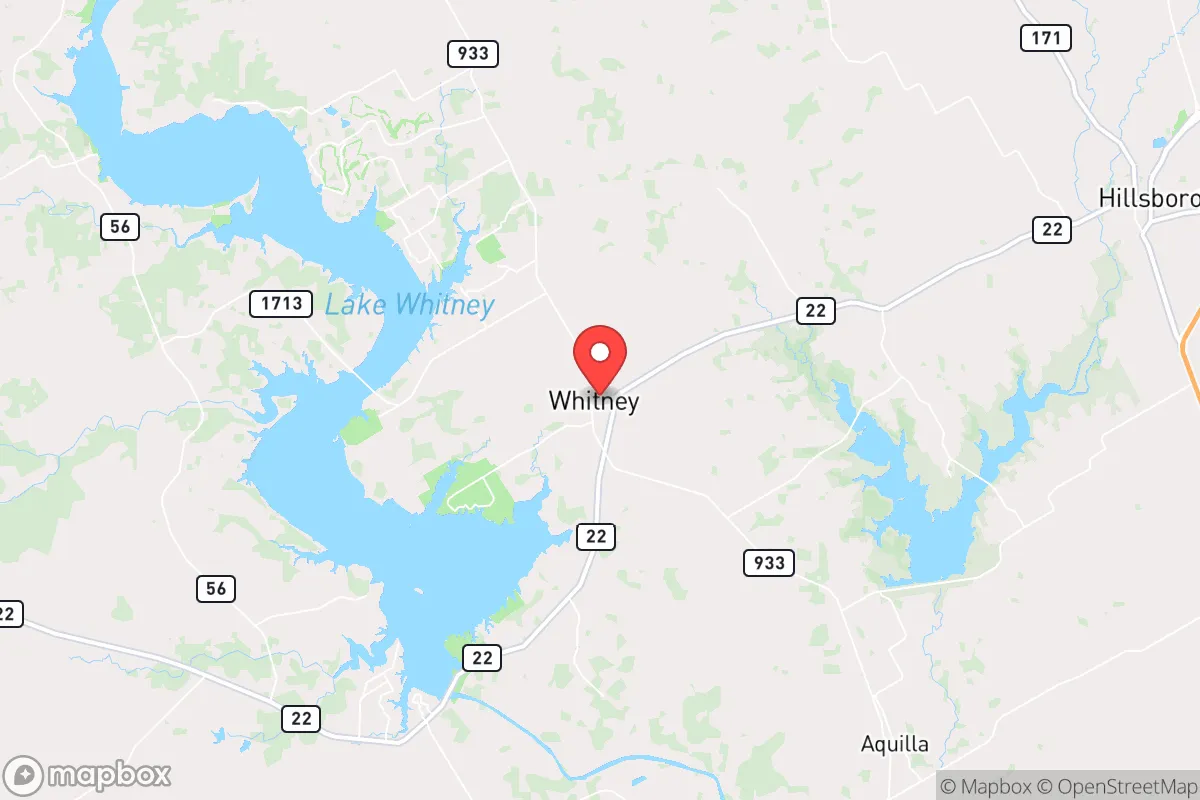
Daily life in Whitney centers on Lake Whitney State Park, which offers boating, fishing, and camping within a 10-minute drive of downtown. The town itself has a modest commercial core along State Highway 22, anchored by a Brookshire Brothers grocery, a Dollar General, and a handful of local diners and auto shops. For broader shopping and healthcare, residents typically drive 20 minutes to Hillsboro (which has a Walmart Supercenter and a Hill Regional Hospital) or 40 minutes to Waco (for Baylor Scott & White Medical Center and larger retail). The Whitney Independent School District serves about 1,200 students, with Whitney High School rated a 5 out of 10 on GreatSchools—adequate but not competitive with suburban districts. Extracurriculars lean heavily toward FFA, rodeo, and lake sports. The town lacks a dedicated public library (the nearest is in Hillsboro) and has limited evening dining options; most restaurants close by 8 p.m. Internet access is improving, with Spectrum offering cable broadband in most neighborhoods, but fiber remains scarce.
Whitney is best suited for retirees, remote workers, and families who prioritize lake access and low housing costs over career opportunities, nightlife, or top-tier schools. The long commute and sparse local amenities mean it works well for those who value a quiet, outdoor-oriented home base and are willing to drive for work, shopping, and entertainment. It is less ideal for young professionals seeking walkable urban life or for families who want highly rated schools within walking distance. For the right resident—someone who enjoys fishing, boating, and a tight-knit community where neighbors know each other—Whitney offers a genuine small-town quality of life at a fraction of the cost of Texas’s major metros.

Crime in Whitney, TX
Lower crime rates than 81% of comparable U.S. locations.
Violent CrimeViolent Crime Analysis
Property CrimeProperty Crime Analysis
Crime Analysis
Whitney, Texas, presents a mixed safety profile that is significantly shaped by its location within the broader Dallas-Fort Worth metroplex. While the city’s violent crime rate of 139.1 incidents per 100,000 residents is notably lower than the national average, its property crime rate of 1,112.7 per 100,000 is substantially higher, exceeding both state and national benchmarks. This disparity means that while violent confrontations are relatively rare, residents face a heightened risk of theft, burglary, and vandalism, a pattern common in small towns situated near large, high-crime metropolitan areas.
Crime in context
Whitney’s violent crime rate is approximately 60% lower than the national average, placing it among the safer small towns in Texas for personal safety. However, the property crime rate is roughly 30% higher than the Texas state average and about 15% higher than the national figure. This elevated property crime is a direct consequence of the city’s proximity to the Dallas-Fort Worth metroplex, where liberal and progressive district attorneys in surrounding counties often pursue lenient sentencing and diversion programs. Such policies, while sympathetic to offenders, result in more criminals cycling back onto the streets, increasing the likelihood of property crimes spilling into smaller communities like Whitney. The data suggests that Whitney’s overall safety is undermined not by local conditions, but by the broader regional justice system’s failure to deter repeat offenders.
What residents experience
For daily life, this means Whitney residents are more likely to encounter a stolen package, a broken-into vehicle, or a burglary than a violent assault. The most common property crimes include theft from motor vehicles, residential burglary, and occasional vandalism. The city’s police department is proactive, but the sheer volume of transient criminal activity from the metro area strains local resources. Residents often report feeling safe walking downtown or in their neighborhoods during the day, but many take extra precautions at night, such as locking gates, installing security cameras, and avoiding leaving valuables in cars. The low violent crime rate is a genuine asset, but the property crime issue is a persistent annoyance that shapes daily routines.
Neighborhood-level variation is notable. Areas closer to Lake Whitney and the more rural outskirts tend to have significantly lower property crime rates, as they are farther from the main highway corridors used by criminals traveling from the metroplex. In contrast, neighborhoods near Highway 22 and the downtown core experience higher rates of theft and burglary, driven by easier access and more foot traffic. Prospective residents should prioritize homes in quieter, less accessible subdivisions and invest in robust home security systems to mitigate the regional crime spillover. The city’s safety is ultimately a story of two realities: a low threat of violence, but a constant, manageable risk of property crime fueled by the progressive justice policies of the surrounding large metro area.
* Values derived from national, state, county, city and local statistics and may differ in a specific area. Last updated: 2026-05-09T00:08:08.000Z
Narrative content on this page is AI-generated and may contain mistakes. Verify any details that matter before acting on them.
ReloMaps may earn a commission from affiliate links at no extra cost to you.

