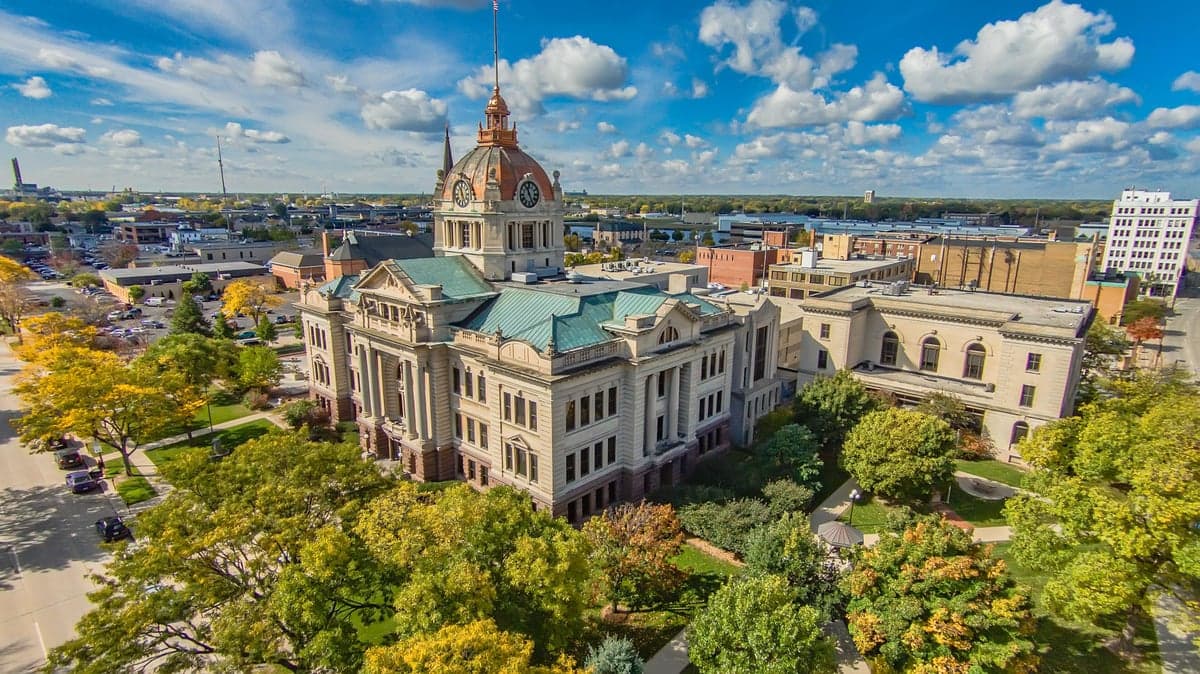
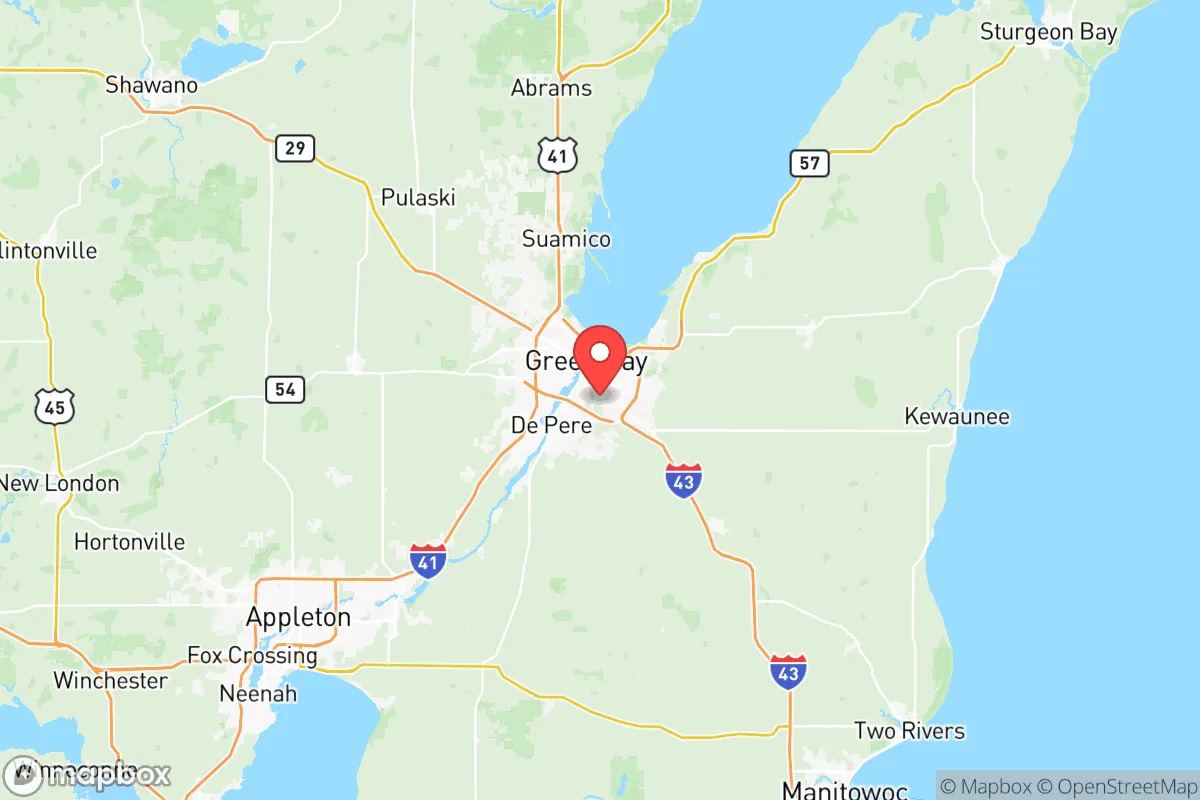
Photo: Wikipedia
Find The Best Places To Live in Brown County
PRO TIP! You can paste a Zillow or Redfin link to get info on that property.
Best Places to Live in Brown County
Cities & Towns in Brown County
Cities in Brown County
What It's Like Living in Brown County, WI
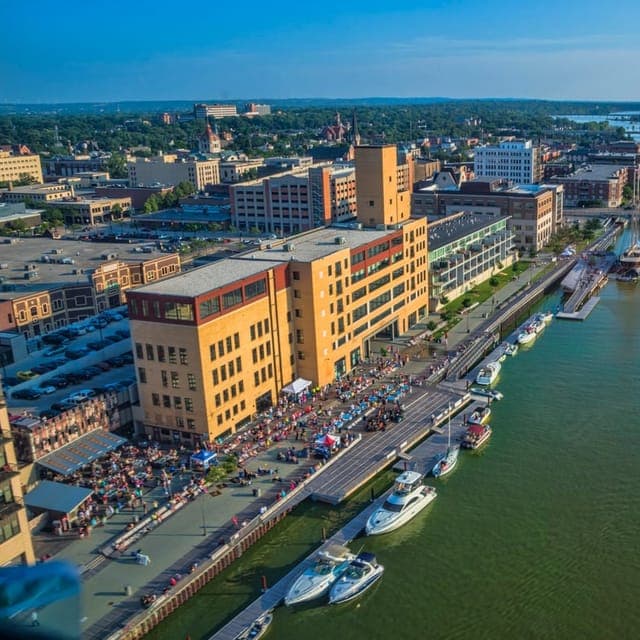
Living in Brown County, Wisconsin means you're part of a region that balances small-city convenience with genuine rural and suburban breathing room. Green Bay is the anchor, but the county's character stretches from the working-class river towns like De Pere and Allouez to the quieter farm country around Denmark and Wrightstown. It's a place where Friday-night high school football is a serious event, where the Packers are a year-round religion, and where you can be on a hiking trail in ten minutes or at a Lambeau Field tailgate in twenty.
The Daily Rhythm: Work, Commute, and Where You Actually Spend Time
Most people in Brown County work in or around Green Bay, with major employers like Bellin Health, Schreiber Foods, and the sprawling Georgia-Pacific paper mill anchoring the local economy. The average commute is just over 19 minutes, which means you can live in a quieter spot like Suamico or Howard and still be at your desk in under half an hour. That short drive is a genuine quality-of-life perk — you're not burning an hour of your day just getting to and from work. The median household income here is $77,490, and with a cost of living index of 85 (15 percent below the national average), that money goes further than it would in many other parts of the Midwest. People spend their weekends at the Bay Beach Wildlife Sanctuary, grabbing bratwurst at a neighborhood cookout, or hitting the farmers markets in De Pere and downtown Green Bay. Shopping leans practical — you'll find Meijer, Festival Foods, and local hardware stores rather than high-end boutiques.
Sports, Community, and the Packers Factor
You cannot understand Brown County without understanding the Green Bay Packers. Lambeau Field sits right in the middle of the county, and on game days the entire region shifts its schedule around kickoff. Tailgating starts at dawn in the parking lots off Lombardi Avenue, and even people who don't follow football closely get swept into the energy. Beyond the NFL, high school sports are a genuine community anchor — Ashwaubenon, De Pere, and Pulaski all draw big crowds for Friday-night football and basketball tournaments. The Green Bay Gamblers (USHL hockey) and the Green Bay Booyah (Northwoods League baseball) offer affordable pro-adjacent entertainment in the summer. For a county of 269,425 people, the sports culture punches well above its weight, and it's one of the main ways newcomers break into social circles.
What's There to Do: Outdoors, Festivals, and Local Hangouts
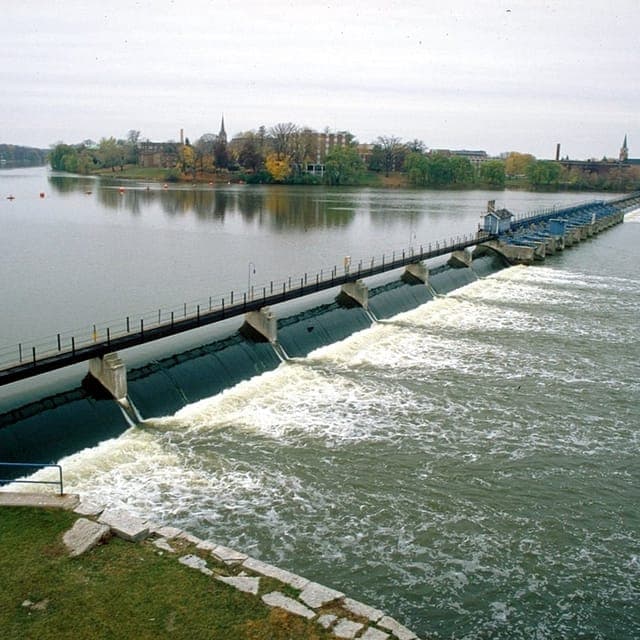
Outdoor life is a big draw here. The Fox River runs right through the county, and the Fox River State Trail gives you a paved route for biking and walking from Green Bay all the way south to the county line. The Bay of Green Bay itself offers fishing, boating, and kayaking, with popular launches in the town of Scott and at the mouth of the river. In winter, people ice fish, snowmobile on the county's extensive trail network, or head to the ski hill at nearby Titletown District. The biggest annual event is Artstreet, a massive outdoor arts festival that takes over downtown Green Bay every August. For food, you'll find classic Wisconsin supper clubs like The Blackstone in De Pere and the Union Hotel in Wrightstown, plus a growing craft beer scene with breweries like Stillmank Brewing and Badger State Brewing. The Neville Public Museum and the Meyer Theatre provide indoor options when the weather turns cold.
Pros and Cons of Living Here
- Pro: Affordability. The median home value is $245,900, and with a cost of living index of 85, first-time buyers and families can actually find a house without bidding wars. You can get a solid three-bedroom in Howard or Bellevue for well under $300,000.
- Pro: Community feel. People know their neighbors. Schools are a central hub — the Pulaski Community School District and the De Pere School District both have strong reputations and active parent involvement. The median age is 37.9, which reflects a mix of young families and established homeowners.
- Con: Winter is long. Snow season runs from November through March, and lake-effect snow from the Bay can dump a foot overnight. If you hate shoveling and cold, this is a real consideration.
- Con: Limited nightlife and cultural diversity. If you're used to a big city's restaurant scene or a vibrant music club circuit, Green Bay will feel quiet. The bar scene is solid but leans toward sports bars and taverns rather than cocktail lounges. The violent crime rate is 237.4 per 100,000, which is below the national average but worth noting for the city's core neighborhoods.
- Con: Career ceiling. The economy is stable but not dynamic. If you're in tech, finance, or specialized professional services, you may find fewer opportunities than in Milwaukee or Madison. Many people commute to those cities or work remotely.
The kind of person who fits in here is someone who values stability, community, and outdoor recreation over constant excitement. It's a place for raising kids, building a career in healthcare or manufacturing, and enjoying the simple rhythms of a four-season life. If that sounds like you, Brown County will feel like home.

* Values derived from national, state, county, city and local statistics and may differ in a specific area. Last updated: 2026-08-23T03:15:36.000Z
Narrative content on this page is AI-generated and may contain mistakes. Verify any details that matter before acting on them.
ReloMaps may earn a commission from affiliate links at no extra cost to you.

