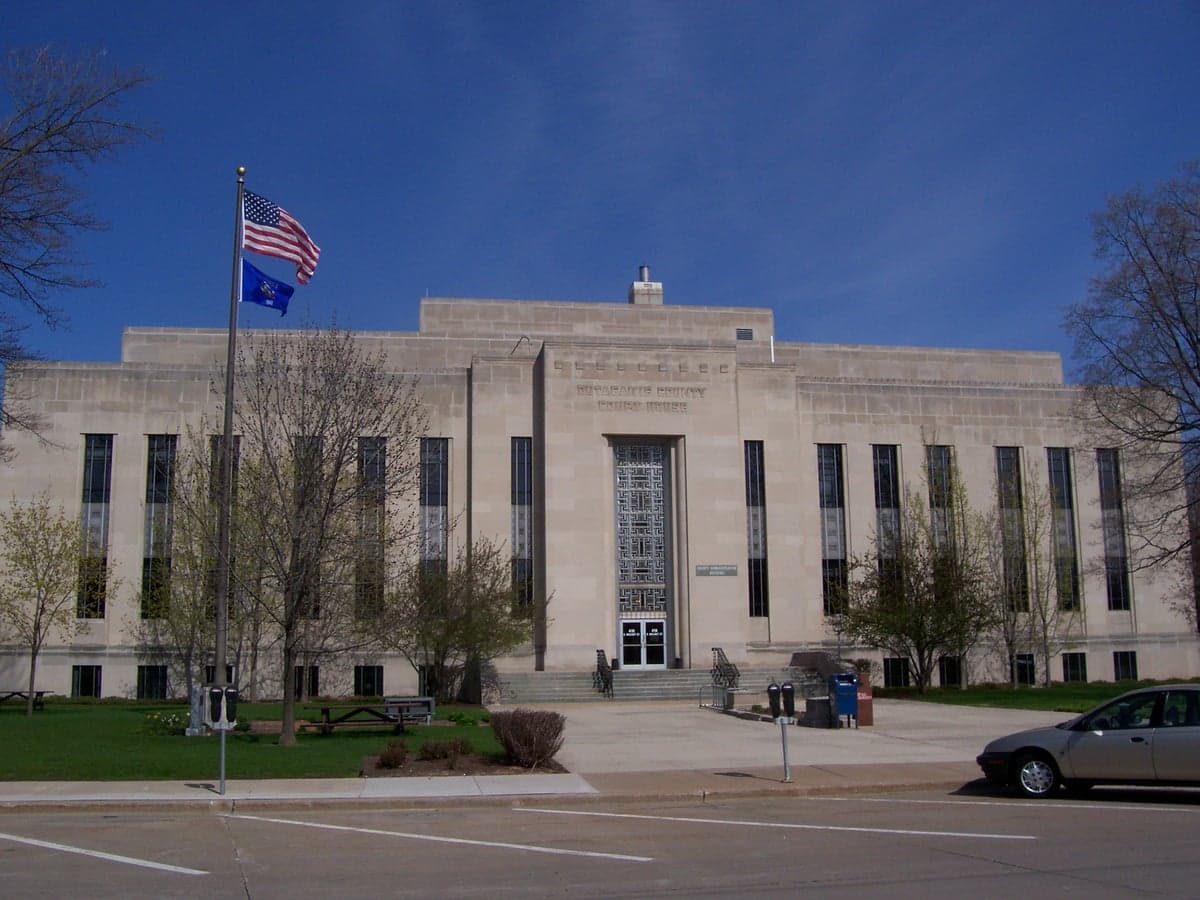
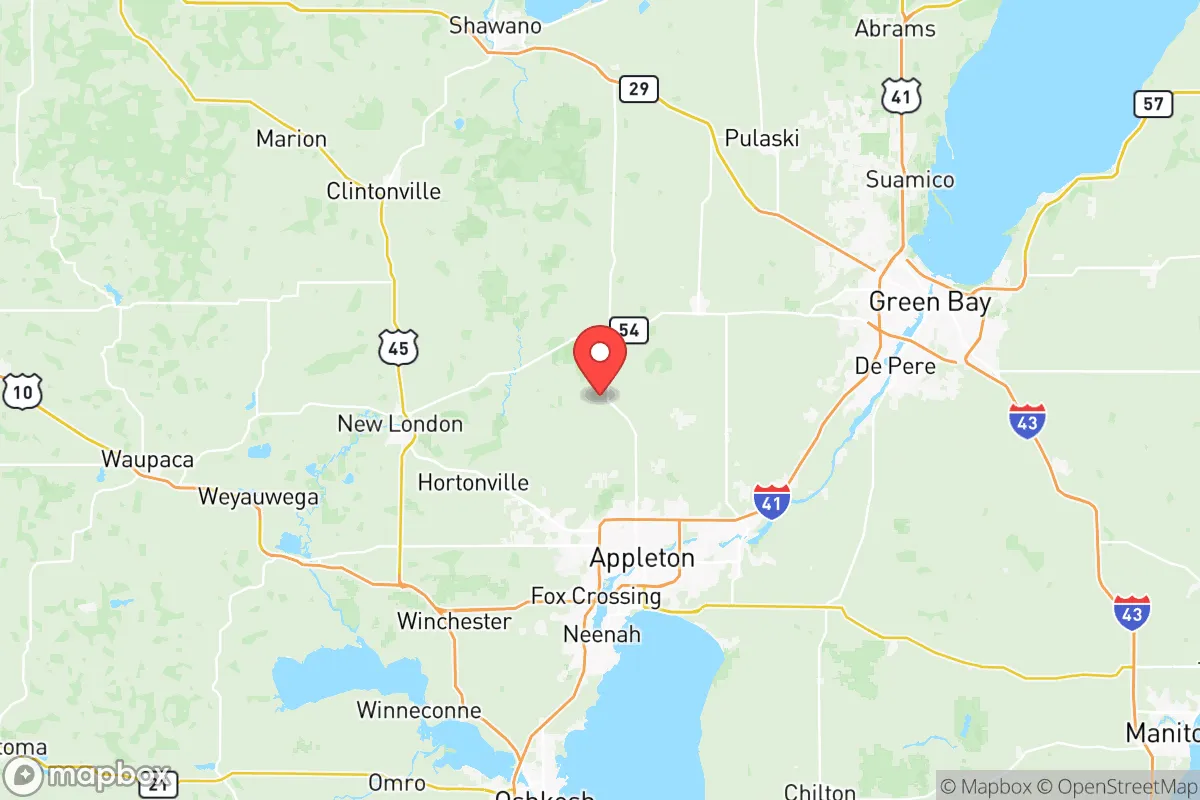
Photo: Wikipedia
Quality of Life in Outagamie County
A livable area that tracks near national norms for affordability, walkability, and neighborhood health.
What does Quality of Life tell us?
Quality of Life measures an area by evaluating factors like cost of living, nearby amenities, country club access, airport proximity, socioeconomic signals and neighborhood character. For large states, this is a general average — quality of life can vary dramatically between metro areas, suburbs, and rural communities within the same state.
What does this tell us?
Quality of Life measures an area by evaluating factors like cost of living, nearby amenities, country club access, airport proximity, socioeconomic signals and neighborhood character. For large states, this is a general average — quality of life can vary dramatically between metro areas, suburbs, and rural communities within the same state.
Cost of Living
14% below national average
119%
The Real Cost of Living in Outagamie County for 2026
| Tier | Individual | Family (4) |
|---|---|---|
| Survival | $16k | $30k |
| Comfortable | $47k | $70k |
| Luxury | $148k+ | $229k+ |
| Elite (Top 5%) | $174k+ | $270k+ |
Quality-of-Life Analysis
Outagamie County offers a broad spectrum of quality-of-life options, from the urban amenities of its largest city to the quiet, agricultural rhythms of its unincorporated hamlets. With a cost of living index of 86 (well below the national average of 100), the county attracts a diverse mix of residents: young professionals and families drawn to the job centers of Appleton and Kaukauna, along with those seeking slower-paced, rural lifestyles in communities like Black Creek or Shiocton. The county’s character is defined by this contrast, where a 20-minute average commute can take a resident from a cornfield to a downtown office park in the same drive.
Largest town(s) & population centers
Appleton is the county’s economic and cultural hub, home to Lawrence University, the Fox Cities Performing Arts Center, and a walkable downtown with a robust restaurant scene. Daily life here is oriented around a mix of professional jobs (healthcare, manufacturing, education) and urban amenities like the Fox River Trail system. Kaukauna, the second-largest city, offers a more industrial, family-oriented feel with a historic downtown along the Fox River and a strong sense of community centered on its school system and parks. Little Chute and Combined Locks are smaller, tightly-knit villages that feel like suburbs of Appleton, with a heavy Dutch Catholic heritage evident in local festivals and architecture. These population centers provide the county’s highest density of services, retail, and employment, making them ideal for those who want walkable neighborhoods and short commutes.
Smaller towns & rural pockets
Outside the Fox River Valley corridor, Outagamie County opens into farmland and small villages. Seymour, known as the "Home of the Hamburger," is a classic small town with a historic downtown square and a strong agricultural base. Black Creek and Shiocton are even smaller, offering a quiet, rural lifestyle with access to the Wolf River for fishing and kayaking. Unincorporated areas like Center Valley and Freedom (the latter a census-designated place) are essentially crossroads communities surrounded by dairy farms and crop fields. These areas attract residents who prioritize land, privacy, and a slower pace, often trading proximity to big-box retail for lower property taxes and larger lots. The Town of Ellington and Town of Greenville (the latter rapidly suburbanizing) represent the transition zone, where new subdivisions sit alongside century-old farmsteads.
Cost & lifestyle range
The cost of living varies noticeably across the county. Appleton sits at the higher end, with a median home value of $244,100 and median rent of $998, reflecting its status as the regional employment center. Housing in Kaukauna and Little Chute is slightly more affordable, though still above the county average. At the lower end, Seymour and Black Creek offer significantly cheaper housing, often with older homes on larger lots. The lifestyle range is equally broad: a resident in downtown Appleton can walk to a coffee shop and a concert venue, while a resident in the Town of Cicero might drive 15 minutes to the nearest grocery store. The county’s average commute of just over 20 minutes is a key advantage, allowing rural residents to work in Appleton or Green Bay without enduring a long drive. Property taxes in Outagamie County are moderate compared to neighboring counties, but vary by municipality, with rural towns generally having lower mill rates than the cities.
Outagamie County is best suited for those who value choice and balance. A young professional can live in a downtown Appleton apartment and bike to work, while a farming family can operate a dairy in the Town of Maple Creek and still be within 30 minutes of a regional hospital. The county’s strength lies in its ability to offer both urban energy and rural tranquility within a short drive, making it a practical fit for a wide range of budgets and lifestyle preferences.

Crime in Outagamie County
Generally safer than 61% of comparable U.S. locations.
Violent CrimeViolent Crime Analysis
Property CrimeProperty Crime Analysis
Crime Analysis
Outagamie County, Wisconsin, reports a violent crime rate of 237.4 incidents per 100,000 residents and a property crime rate of 1,002.8 per 100,000, placing it in a moderate safety tier relative to both state and national averages. While the county is not among Wisconsin’s most dangerous, its crime numbers are elevated enough to warrant attention from prospective residents, particularly those considering the more urbanized areas around Appleton and Grand Chute. The county’s overall safety picture is shaped by a mix of smaller, low-crime communities and higher-crime corridors along the Fox River Valley, with local law enforcement and judicial policies playing a significant role in outcomes.
Crime in context
Outagamie County’s violent crime rate of 237.4 per 100,000 is roughly 35% below the national average of about 380 per 100,000 but sits above the Wisconsin state average of approximately 290 per 100,000. Property crime in the county, at 1,002.8 per 100,000, is notably higher than the Wisconsin average of roughly 850 per 100,000 and approaches the national figure of about 1,100 per 100,000. These numbers place Outagamie in a middle tier among Wisconsin’s 72 counties — safer than Milwaukee County or Brown County but riskier than rural counties like Waupaca or Shawano. The elevated property crime rate is driven largely by thefts and vehicle break-ins in the Appleton metropolitan area, which includes the city of Appleton, the village of Grand Chute, and the town of Menasha. The county’s violent crime is concentrated in a handful of neighborhoods, with Appleton accounting for the majority of aggravated assaults and robberies.
What residents experience
Residents of Outagamie County experience crime very differently depending on where they live. In the city of Appleton, which has a population of about 75,000, residents report higher rates of theft, vandalism, and drug-related offenses, particularly in the downtown and south-side neighborhoods near College Avenue. The village of Grand Chute, which borders Appleton to the west, sees a significant share of property crime due to its dense retail corridor along Wisconsin Avenue and Highway 41. In contrast, the smaller communities of Kaukauna, Little Chute, and Combined Locks report substantially lower crime rates, with violent crime in these villages often falling below 100 per 100,000. The town of Greenville, a fast-growing suburb northeast of Appleton, has maintained very low crime figures, making it one of the county’s safest residential options. Residents in the more progressive judicial districts, including Appleton’s municipal court and Outagamie County Circuit Court, have expressed concern that lenient sentencing policies contribute to repeat property offenses and a revolving-door effect for drug offenders. The county’s district attorney, who operates under a state-level framework, has faced criticism from some residents for prioritizing diversion programs over incarceration, a pattern that critics argue leaves victims without adequate recourse and emboldens chronic offenders.
Neighborhood-level variation within Outagamie County is pronounced. The safest areas tend to be the outlying villages and rural townships — such as Freedom, Seymour, and Black Creek — where violent crime is rare and property crime rates hover around 300 to 400 per 100,000. The most challenging areas are concentrated in Appleton’s central and south-side neighborhoods, where poverty rates are higher and police response times can be slower. The Fox River Valley’s urban corridor, stretching from Appleton through Kaukauna and into Little Chute, sees a moderate but persistent level of property crime, with vehicle break-ins and package thefts being the most common complaints. Prospective residents should prioritize neighborhoods with strong community watch programs and consider the judicial philosophy of the local courts, as progressive sentencing policies in Appleton have been linked to higher recidivism rates for property crimes. Overall, Outagamie County offers a range of safety profiles, from very safe rural enclaves to moderately risky urban areas, and the choice of municipality can dramatically affect a household’s day-to-day security.
* Values derived from national, state, county, city and local statistics and may differ in a specific area. Last updated: 2026-08-08T14:13:52.000Z
Narrative content on this page is AI-generated and may contain mistakes. Verify any details that matter before acting on them.
ReloMaps may earn a commission from affiliate links at no extra cost to you.

