Photo: Wikipedia
Quality of Life in Woodland Park, CO
A high quality of life with strong walkability, manageable living costs, healthy neighborhood signals, and solid amenity access.
What does Quality of Life tell us?
Quality of Life blends cost of living, nearby amenities, socioeconomic signals, and neighborhood character. City-level scores represent the whole municipality; individual neighborhoods can differ.
What does this tell us?
Quality of Life blends cost of living, nearby amenities, socioeconomic signals, and neighborhood character. City-level scores represent the whole municipality; individual neighborhoods can differ.
Cost of Living
71% above national average
The Real Cost of Living in Woodland Park, CO for 2026
| Tier | Individual | Family (4) |
|---|---|---|
| Survival | $31k | $59k |
| Comfortable | $95k | $140k |
| Luxury | $139k+ | $216k+ |
| Elite (Top 5%) | $164k+ | $254k+ |
69%
The Area Signal
A metric tracking the socioeconomic signals of the area.
Hobbies
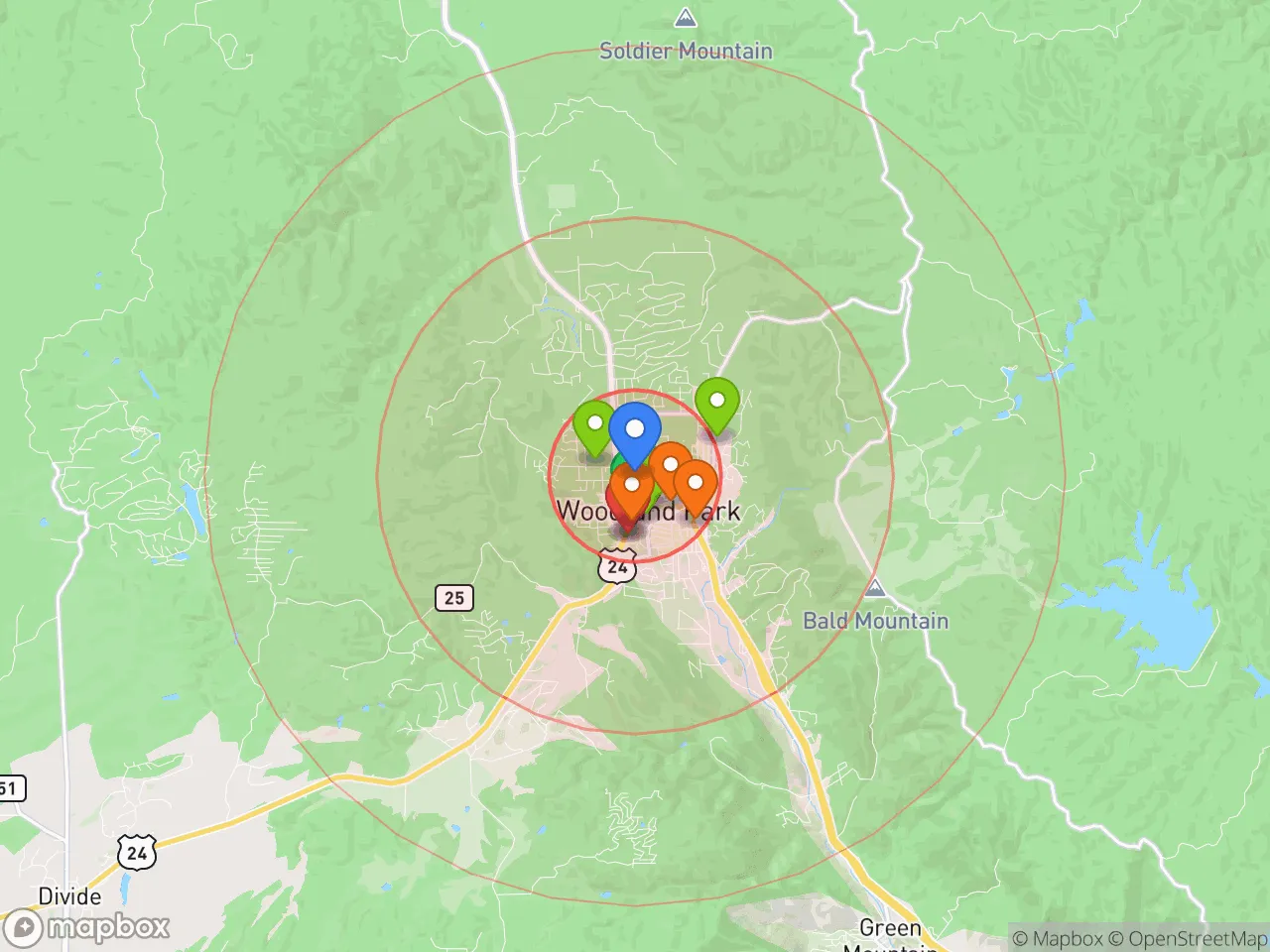
Explore the areaGroceries
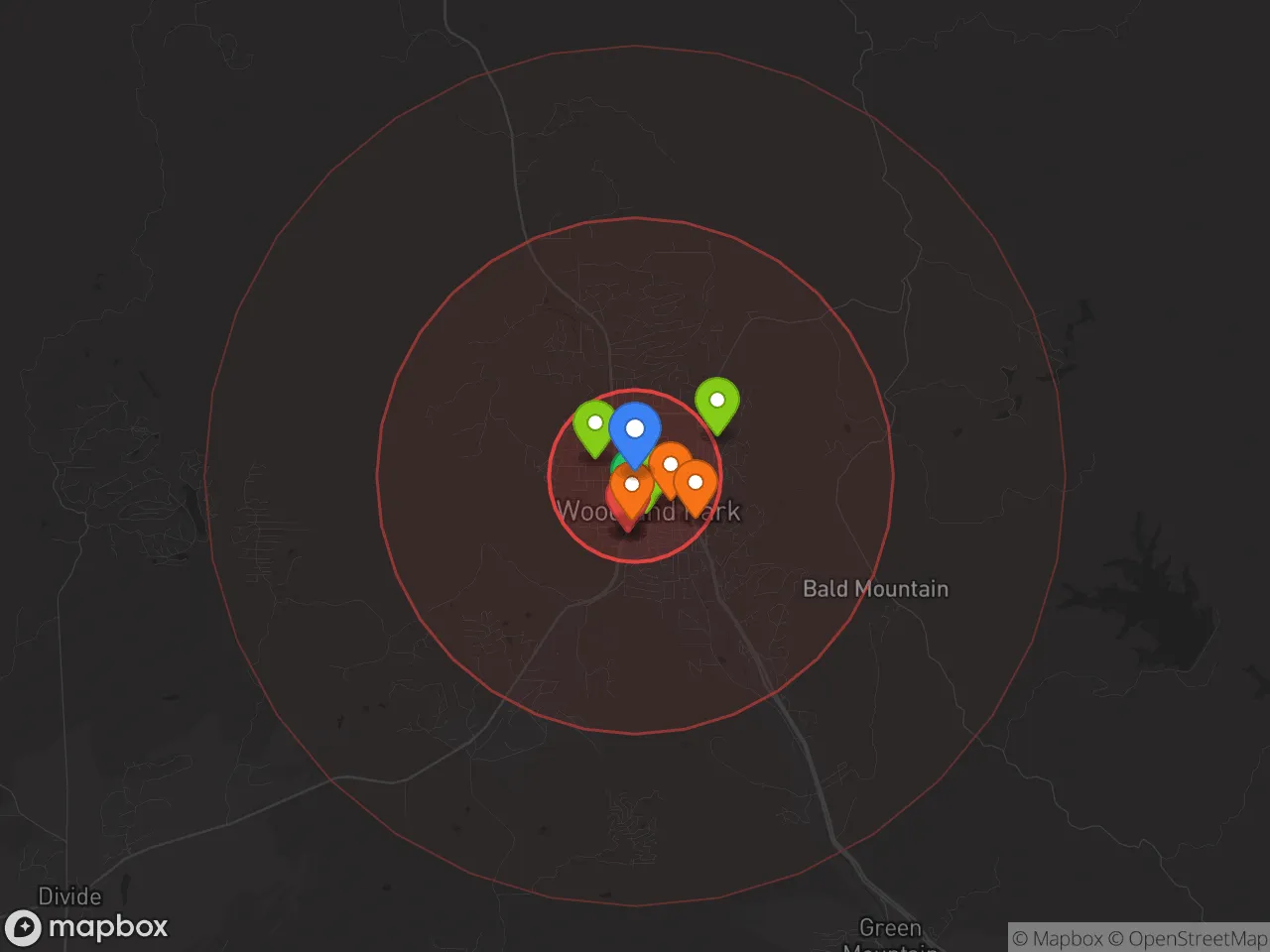
4 within 10 miles
Gas
5 within 10 miles
Hospital
11 within 20 miles
Airport
DEN — Denver International
Post Office
USPS — Woodland Park, CO
Critical Amenities
Quality-of-Life Analysis
Woodland Park, Colorado, is a high-altitude mountain town that attracts a notably affluent and educated demographic, with a cost of living index of 171 (71% above the U.S. average) reflecting its desirability as a bedroom community for Colorado Springs and a haven for remote workers and retirees. The population skews older and wealthier than the state average, drawn by the promise of a quieter, nature-focused lifestyle within striking distance of urban amenities. Median household incomes here comfortably exceed the national median, supporting a community where outdoor recreation, privacy, and small-town character are prized over urban convenience.
Cost of living, housing affordability, and how Woodland Park compares to Colorado Springs
Woodland Park’s housing market is the primary driver of its high cost of living. The median home value sits at $489,400, significantly above the Colorado statewide median of roughly $465,000 and nearly double the national figure. For renters, the median monthly rent of $1,971 is comparable to Colorado Springs but offers less inventory and older stock. The average commute of 27.5 minutes is a key trade-off: many residents drive south on U.S. Highway 24 to jobs in Colorado Springs, where home values are about 15% lower and rental options are more plentiful. Property taxes in Teller County are relatively low (around 0.5% of assessed value), which partially offsets the high purchase price for homeowners. However, the overall cost of living index of 171 means that a household earning $100,000 in a typical U.S. city would need roughly $171,000 to maintain the same standard of living here. For those priced out of the immediate town core, nearby communities like Divide or Florissant offer slightly lower land prices but longer commutes and fewer services.
What daily life is like for families: schools, amenities, and local rhythm
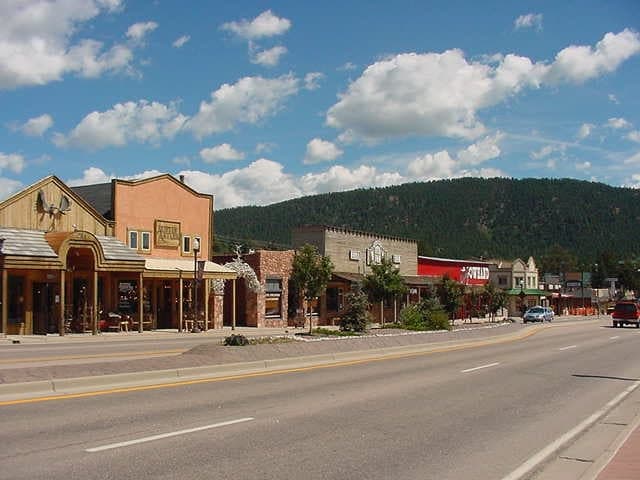
Daily life in Woodland Park revolves around its walkable downtown core along West Highway 24, anchored by the historic Ute Pass Cultural Center and a handful of locally owned cafes, breweries, and boutique shops. The town’s public schools, part of Woodland Park School District RE-2, serve roughly 2,500 students and have earned above-average ratings from GreatSchools, with Woodland Park High School offering a strong Advanced Placement program. For groceries and errands, residents rely on a single Safeway and a few smaller markets; most major shopping trips require the 30-minute drive to Colorado Springs. Outdoor amenities dominate leisure time: the 1,200-acre Mueller State Park and the 13-mile Ring the Peak Trail system are minutes from town, and the South Platte River offers year-round fishing. The town’s elevation of 8,465 feet means a shorter growing season and heavier winter snow than Colorado Springs, but also cooler summers and dramatic mountain views. Healthcare is limited to a small clinic and a critical-access hospital; specialists and emergency services are in Colorado Springs.
Woodland Park is best suited for families and professionals who prioritize mountain living, low crime rates, and strong schools over urban convenience and lower housing costs. Remote workers, retirees, and those employed in Colorado Springs’ defense and tech sectors will find the commute manageable and the community welcoming. Those seeking nightlife, diverse dining, or a lower cost burden should look instead to Fountain or Monument, which offer similar commute times with more affordable housing and denser amenities. For buyers willing to pay a premium for altitude, quiet, and immediate access to national forest, Woodland Park delivers a distinctive quality of life unmatched by Front Range suburbs.

Crime in Woodland Park, CO
Lower crime rates than 89% of comparable U.S. locations.
Violent CrimeViolent Crime Analysis
Property CrimeProperty Crime Analysis
Crime Analysis
Woodland Park, Colorado, is a notably safe community, with violent crime rates far below national averages and property crime rates that, while higher than the state median, remain manageable for residents who take standard precautions. The city's violent crime rate of 49.5 incidents per 100,000 people is roughly one-sixth the national average, making it one of the safer small cities in the Front Range region. Property crime, at 1,065 per 100,000, is about 20% below the national average but slightly above Colorado's statewide rate, driven largely by vehicle break-ins and theft from unsecured sheds or garages.
Crime in context
Woodland Park's violent crime rate is exceptionally low even by Colorado standards. The state's average violent crime rate hovers around 380 per 100,000, meaning Woodland Park residents face a risk of violent victimization that is 87% lower than the typical Coloradan. Property crime in Woodland Park is roughly on par with the national average of 1,342 per 100,000, but it is notably higher than the Colorado state average of approximately 900 per 100,000. This discrepancy is largely attributable to the city's role as a gateway to Pike National Forest and seasonal tourism, which brings transient visitors and opportunistic theft. Residents should be aware that the broader Teller County justice system, while not as progressive as those in Denver or Boulder, still reflects a state-level trend toward leniency in property crime sentencing, which can result in repeat offenders cycling through quickly.
What residents experience
In practice, most Woodland Park residents describe the community as safe and tight-knit. The most common crimes are theft from vehicles (often unlocked overnight), package theft from porches, and occasional burglaries of vacation homes. Violent crime is rare and typically involves domestic disputes or isolated incidents rather than random attacks. The Woodland Park Police Department maintains a visible presence, and neighborhood watch programs are active in subdivisions like Mountain Shadows and the area around Shining Mountain Golf Course. However, because the city sits just 20 miles west of Colorado Springs, some property crime is driven by individuals traveling from the larger metro area, where progressive district attorneys in El Paso County have adopted diversion programs that can reduce jail time for nonviolent offenders. This dynamic means that a small number of repeat property criminals may cycle through the area, though the overall risk remains low.
Neighborhood-level variation is modest but worth noting. The downtown core and areas near Highway 24 see slightly higher property crime due to foot traffic and tourist activity. Residential pockets like the subdivisions off Baldwin Street and the newer developments near the Woodland Park Library report very low crime, with most incidents limited to opportunistic theft. The most rural edges of the city, bordering national forest land, experience occasional vehicle break-ins at trailheads but virtually no violent crime. Overall, Woodland Park offers a level of safety that is rare for a community within commuting distance of a major metro area, provided residents lock vehicles, secure outbuildings, and remain aware of transient theft risks.
* Values derived from national, state, county, city and local statistics and may differ in a specific area. Last updated: 2026-04-29T00:34:54.000Z
Narrative content on this page is AI-generated and may contain mistakes. Verify any details that matter before acting on them.
ReloMaps may earn a commission from affiliate links at no extra cost to you.

