Photo: Wikipedia
Political ClimatePolitical Climate in Woodmont, CT
District shown is the primary district for this city’s centroid. Cities may span multiple districts.
Local Political AnalysisPolitical Analysis of Woodmont, CT
Woodmont, Connecticut, leans heavily Democratic, with a Cook PVI of D+8, meaning it votes about eight points more Democratic than the national average. That’s a pretty stark shift from what this area used to look like, and it’s not just a blip—it’s a long-term trend. If you’re looking at the political climate here, you’re looking at a place that’s been moving steadily leftward, especially over the last decade, and that trajectory has real consequences for anyone who values personal freedoms and limited government.
How it compares
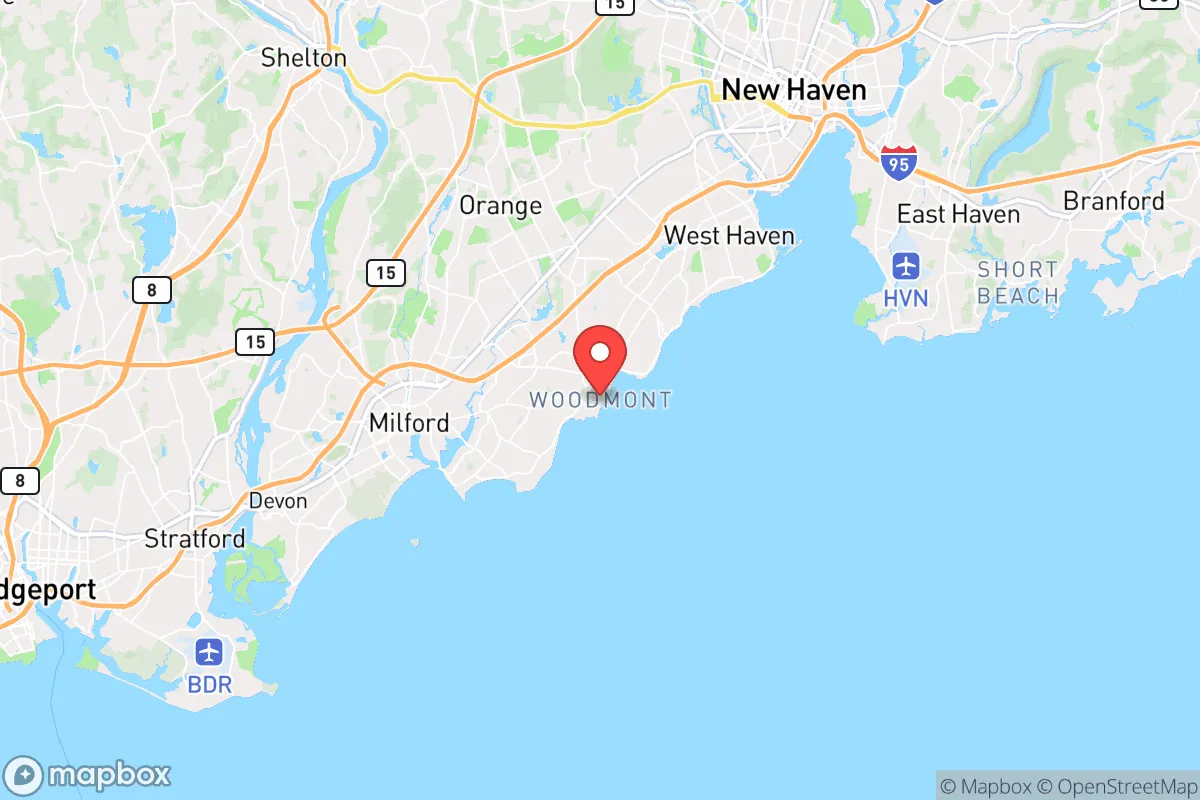
To understand Woodmont, you have to look at its neighbors. Head a few miles north or east into towns like Orange or Bethany, and you’ll find a more balanced mix—places where conservative voices still have a real seat at the table. But Woodmont itself is a different story. It’s part of the broader New Haven orbit, and that influence is hard to miss. Compare it to a place like Milford, which is just next door and has a more moderate reputation, and you’ll see Woodmont is noticeably more progressive. The contrast is even sharper if you drive out to towns like Oxford or Seymour, where you’ll find folks who are a lot more skeptical of the kind of top-down policies that get pushed through in Hartford. In Woodmont, the local politics tend to align with the state’s Democratic leadership, which means you’re seeing more support for things like strict zoning regulations, higher taxes, and expansive social programs. That’s a far cry from the more hands-off, individual-liberty approach you’d find in those surrounding communities.
What this means for residents
For someone living here, the practical impact is pretty direct. You’re dealing with a local government that’s generally comfortable with a bigger role in your daily life—whether that’s through property tax rates that keep climbing, land-use rules that make it harder to do what you want with your own property, or school policies that lean into progressive curriculum changes. If you’re the kind of person who believes that your rights end where the government’s reach begins, this can feel suffocating. The shift hasn’t been overnight, but it’s been consistent. I’ve seen it myself: what used to be a quiet, let-live beach community has become a place where you’re more likely to hear about new ordinances or mandates than about what’s actually working for the people who live here. In the near term, I don’t see that changing—if anything, the pressure from Hartford and the broader New Haven influence will keep pushing things further left. Long term, it’s a real concern if you value keeping government out of your wallet and your personal choices.
Cultural and policy distinctions
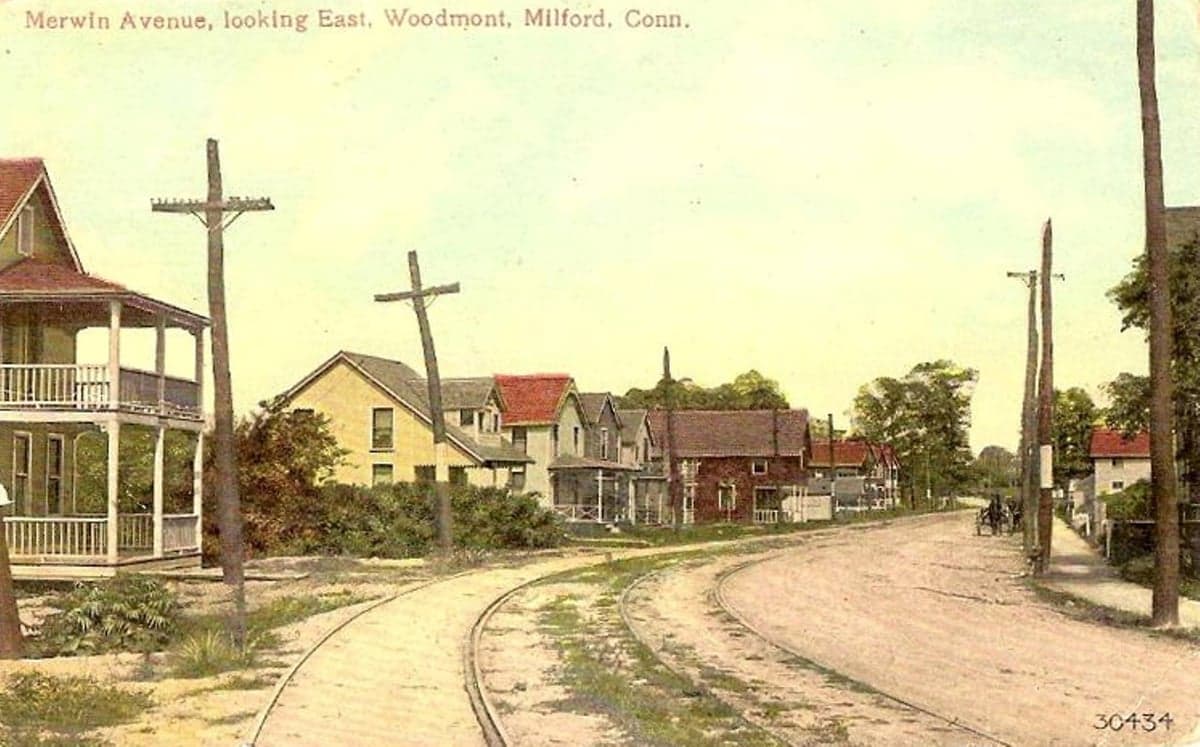
One thing that stands out about Woodmont is its identity as a small coastal enclave—it’s got that beach-town feel, with a tight-knit community that used to be pretty independent-minded. But the cultural vibe has shifted. You’ll see more signs for progressive causes in yards and more local chatter about state-level initiatives that expand government authority, like stricter environmental mandates or housing density pushes. There’s a real tension here between the old-school New England libertarian streak—the “leave me alone” attitude—and the newer, more collectivist approach that’s taken hold. If you’re considering a move here, just know that the political climate isn’t neutral; it’s actively leaning into policies that can feel like overreach. It’s not the same Woodmont it was twenty years ago, and for anyone who values personal freedom, that’s something to keep a close eye on.

State Political ClimatePolitical Climate in Connecticut
State Political AnalysisPolitical Environment in the State
Connecticut has shifted from a moderate swing state into a solidly Democratic stronghold over the past two decades, with Democrats now holding every statewide office, both U.S. Senate seats, and a supermajority in the state legislature. The state voted for Hillary Clinton by 13 points in 2016, Joe Biden by 20 points in 2020, and Kamala Harris by roughly 14 points in 2024, reflecting a consistent leftward drift. However, this blue veneer masks a deep geographic and cultural divide: the wealthy, commuter-heavy suburbs of Fairfield County and the urban cores of Hartford, New Haven, and Bridgeport drive the Democratic margins, while the eastern and northwestern parts of the state remain reliably Republican. For a conservative considering relocation, the state’s political trajectory is concerning, but the picture is more nuanced than the raw numbers suggest.
Urban vs. rural divide
The political map of Connecticut is a tale of three regions. Fairfield County, home to towns like Greenwich, Stamford, and Darien, is the engine of Democratic dominance—these affluent, New York City-commuter suburbs have become increasingly progressive, with Greenwich swinging from a Republican stronghold to a Democratic-leaning town over the last decade. The urban cores—Hartford, New Haven, and Bridgeport—are deep blue, delivering margins of 70-80% for Democratic candidates, powered by union households, public sector workers, and minority communities. In contrast, the eastern half of the state, including Litchfield County and towns like Torrington, Killingly, and Plainfield, votes reliably Republican, often by 15-20 points. The rural northwest, around Sharon and Cornwall, is more libertarian-leaning, with a mix of conservative and independent voters who resent Hartford’s one-party rule. The divide is stark: in 2024, Fairfield County gave Harris a 25-point margin, while Windham County in the east went for Trump by 12 points. This geographic split means a conservative moving to the right town can find a like-minded community, but the state-level policies will still feel imposed from the urban centers.
Policy environment
Connecticut’s policy environment is a textbook case of progressive governance that many conservatives find overbearing. The state has the highest combined state and local tax burden in the nation, with a progressive income tax topping 6.99% and property taxes among the highest in the country—Greenwich homeowners often pay over $10,000 annually on a median home. The regulatory posture is aggressive: the state has a strict paid family and medical leave program (PFMLA) funded by a payroll tax, a $15 minimum wage indexed to inflation, and some of the nation’s toughest environmental regulations, including a ban on single-use plastic bags and a push for all-electric new construction by 2024. Education policy is dominated by teachers’ unions, with the state spending over $20,000 per pupil annually—among the highest in the U.S.—yet student outcomes in Bridgeport and Hartford remain poor. Healthcare is heavily regulated, with the state running its own exchange (Access Health CT) and expanding Medicaid under Obamacare. Election laws are among the most permissive: no-excuse absentee voting, early voting (passed in 2023), and automatic voter registration. For a conservative, the policy environment feels like a slow, steady expansion of government into daily life, from what you drive to how you take time off work.
Trajectory & freedom
Connecticut is becoming less free by almost any measure of personal liberty, especially for gun owners, parents, and taxpayers. The state passed some of the nation’s strictest gun laws after the Sandy Hook tragedy in 2012, including a ban on “assault weapons” and high-capacity magazines, and in 2023 it added a ban on open carry and raised the purchasing age to 21. On parental rights, the state has moved aggressively in the opposite direction of red states: in 2021, it passed a law requiring schools to adopt policies affirming LGBTQ+ students’ gender identity without parental notification, and in 2023 it expanded this to include “safe harbor” protections for transgender youth from out-of-state parents seeking to restrict care. Medical freedom took a hit with the state’s strict COVID-19 vaccine mandates for healthcare workers and school employees, which remained in place longer than most states. Property rights are constrained by some of the nation’s most aggressive affordable housing mandates, like the 8-30g law, which allows developers to override local zoning in towns like Westport and Fairfield if they don’t meet a 10% affordable housing threshold. The state also passed a “clean slate” law automatically erasing certain criminal records, which conservatives argue undermines public safety. The trajectory is clear: each legislative session brings new restrictions on gun rights, new mandates on schools, and new taxes or fees.
Civil unrest & political movements
Connecticut has seen relatively little civil unrest compared to larger states, but the political movements are active and visible. The Black Lives Matter protests in 2020 were large in New Haven and Hartford, leading to the passage of police reform bills that limited qualified immunity and banned chokeholds. On the right, the “CT 2A” gun rights movement is vocal, with regular rallies at the state capitol, though it has little legislative success. Immigration politics are a flashpoint: Connecticut is a sanctuary state (since 2013), with laws prohibiting local police from cooperating with federal immigration enforcement, and in 2024, the state expanded this to limit ICE access to state databases. This has caused tension in more conservative towns like Danbury and Shelton, where some residents feel the policy encourages illegal immigration. Election integrity controversies have been muted compared to swing states, but conservatives point to the state’s widespread use of drop boxes and no-excuse absentee voting as vulnerabilities. A notable flashpoint was the 2023 debate over “parental rights” in school curriculum, which saw hundreds of parents packing school board meetings in Southington and Wallingford to protest LGBTQ+ inclusive materials. For a new resident, the political climate feels less like open conflict and more like a slow, bureaucratic erosion of traditional values, with the occasional flare-up at a town hall.
Projection
Over the next 5-10 years, Connecticut is likely to become more progressive, not less. Demographic trends are working against conservatives: the state’s population is aging, with young people moving to lower-cost, lower-tax states like Florida and Texas, while the remaining population becomes more diverse and urban. In-migration is minimal—Connecticut lost population in 2023 for the third straight year—and the people moving in tend to be from New York City, bringing progressive voting habits. The state’s fiscal situation is precarious, with a massive unfunded pension liability ($40 billion+), which will likely force either tax hikes or service cuts, both of which will accelerate the exodus of middle-class families. The Democratic supermajority is unlikely to be broken anytime soon, as gerrymandered districts and the concentration of Democratic voters in the cities make the legislature uncompetitive. A conservative moving in now should expect: higher taxes, more gun restrictions, expanded sanctuary policies, and continued erosion of parental rights in schools. The only silver lining is that the state’s small size means you can find a conservative enclave—Litchfield County or the Quiet Corner around Pomfret—where local government is still sane, but you’ll be fighting state-level policies every step of the way.
For a conservative considering Connecticut, the bottom line is this: you can find a good life here in the right town, with excellent schools, low crime in the suburbs, and beautiful natural scenery, but you will be paying for it with high taxes and living under a government that increasingly views your values as obstacles to be overcome. The state is not a place for someone who wants to see their political beliefs reflected in policy—it’s a place for someone who is willing to hunker down in a like-minded community and fight the long game at the local level. If you’re looking for a state that respects your gun rights, your parental authority, or your wallet, Connecticut is not that state, and it’s not going to become one anytime soon.
* Values derived from national, state, county, city and local statistics and may differ in a specific area. Last updated: 2026-04-19T07:40:42.000Z
Narrative content on this page is AI-generated and may contain mistakes. Verify any details that matter before acting on them.
ReloMaps may earn a commission from affiliate links at no extra cost to you.

