Photo: Wikipedia
Quality of Life in Woodmont, CT
A high quality of life with strong walkability, manageable living costs, healthy neighborhood signals, and solid amenity access.
What does Quality of Life tell us?
Quality of Life blends cost of living, nearby amenities, socioeconomic signals, and neighborhood character. City-level scores represent the whole municipality; individual neighborhoods can differ.
What does this tell us?
Quality of Life blends cost of living, nearby amenities, socioeconomic signals, and neighborhood character. City-level scores represent the whole municipality; individual neighborhoods can differ.
Cost of Living
61% above national average
The Real Cost of Living in Woodmont, CT for 2026
| Tier | Individual | Family (4) |
|---|---|---|
| Survival | $30k | $56k |
| Comfortable | $88k | $129k |
| Luxury | $161k+ | $250k+ |
| Elite (Top 5%) | $256k+ | $396k+ |
69%
The Area Signal
A metric tracking the socioeconomic signals of the area.


Hobbies
Explore the areaGroceries
4 within 10 miles
Gas
0 within 10 miles
Hospital
3 within 20 miles
Airport
JFK — John F. Kennedy International
Post Office
USPS — New Haven, CT
Critical Amenities
Quality-of-Life Analysis
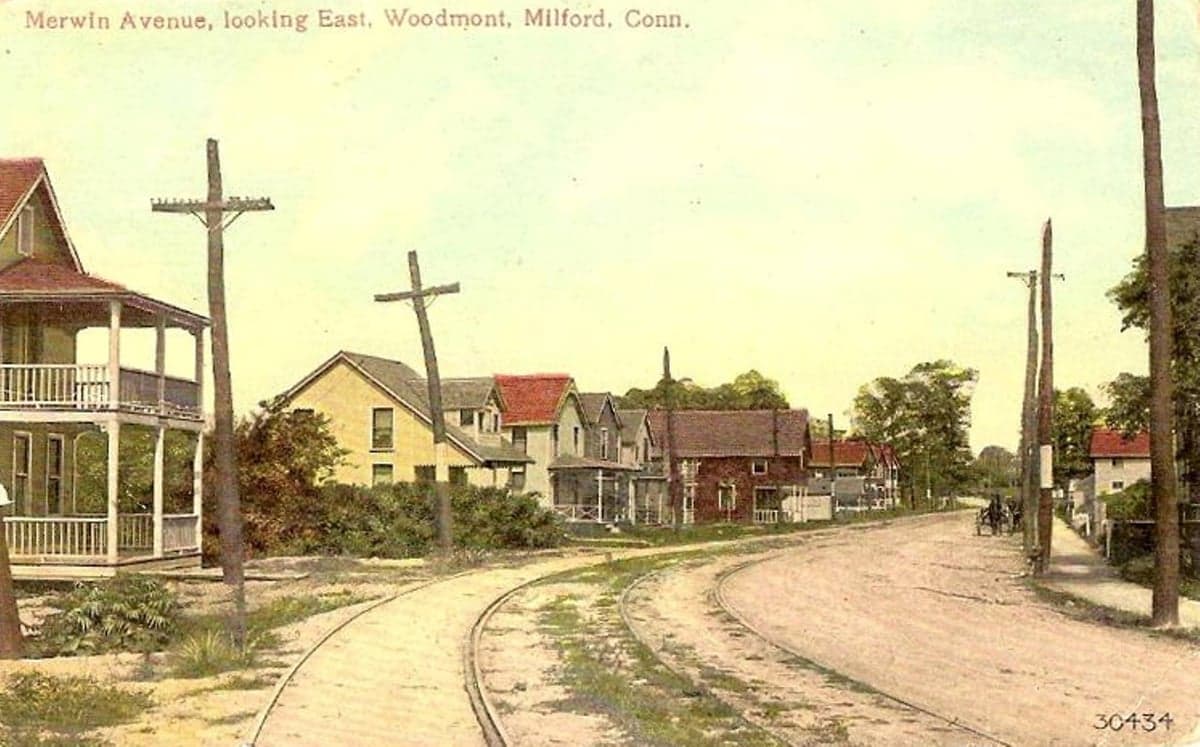
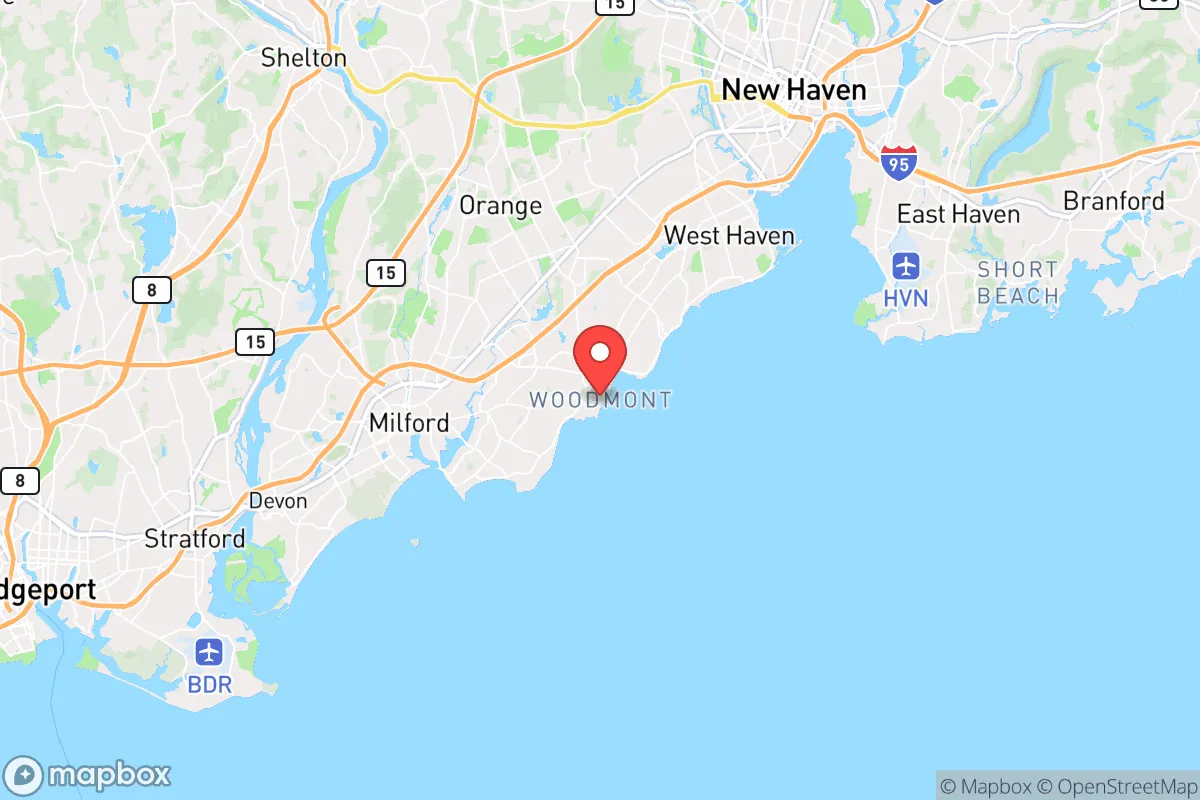
Woodmont, Connecticut, is a small coastal village within the city of Milford that commands a quality of life defined by its high affluence and tight-knit, family-oriented character. With a cost of living index of 161—well above the national average of 100—the area attracts professionals, executives, and retirees who prioritize waterfront living, top-tier schools, and a slower pace within striking distance of New York City. The community is predominantly white-collar, with a median household income significantly above the state average, and its residents tend to be long-term homeowners who value privacy and local tradition over urban amenities.
Cost of living, housing affordability, and how Woodmont compares to nearby towns
Woodmont’s cost of living is 61% higher than the U.S. average, driven almost entirely by its housing market. The median home value sits at $452,200, which is roughly 15% higher than the Milford citywide median and nearly double the national figure. For renters, the median monthly rent of $1,879 is comparable to pricier shoreline communities like Madison or Guilford but remains below the $2,200+ averages seen in direct coastal towns like Stony Creek. Compared to nearby New Haven (COL index 98) or Bridgeport (COL index 95), Woodmont is dramatically more expensive, but it undercuts the hyper-premium markets of Westport (COL index 175) and Darien (COL index 200). The trade-off is clear: residents pay a premium for a detached single-family home on or near Long Island Sound, with many properties dating to the early 20th century and commanding lot premiums. Property taxes in Milford are moderate for Connecticut—roughly 2.1% of assessed value—but the high home values still produce substantial annual bills. For buyers, the affordability gap versus inland Milford (where median values hover around $350,000) is stark, making Woodmont a deliberate lifestyle choice rather than a budget-friendly option.
Local amenities, school quality, and the daily rhythm of life in Woodmont
Daily life in Woodmont revolves around its beach association, the Woodmont Beach Association, which provides residents with private beach access, a pavilion, and summer social events. The village’s compact downtown—anchored by the Woodmont Farmers Market and a handful of local eateries like the Woodmont Grill—offers walkable errands but lacks the retail density of Milford’s Post Road. For families, the primary draw is the Milford public school system, consistently rated among the top in New Haven County. Woodmont’s zoned elementary school, John F. Kennedy School, feeds into Harborside Middle School and Joseph A. Foran High School, all of which post above-average test scores and graduation rates above 95%. The average commute time of 32 minutes reflects a significant number of residents driving to jobs in New Haven (15 minutes), Bridgeport (20 minutes), or taking Metro-North from the Milford station (a 10-minute drive) into Manhattan (roughly 90 minutes total). The daily rhythm is quiet: mornings see beach walks and school drop-offs, afternoons involve yard work or kayaking on the Housatonic River, and evenings are spent at the beach club or in private backyards. There is no nightlife to speak of, and the nearest major entertainment is in downtown Milford or New Haven.
Woodmont is best suited for families and professionals who can absorb its high housing costs in exchange for a safe, scenic, and school-focused environment. Retirees also thrive here, particularly those downsizing from larger inland homes who want walkable beach access and a low-maintenance social scene. The village is less ideal for young singles or renters seeking urban energy, as the rental stock is limited and expensive, and the social calendar is dominated by family and community events. For those who value a quiet, affluent coastal lifestyle with strong schools and a manageable commute to New Haven or New York, Woodmont offers a distinctive quality of life that justifies its premium price tag.

Crime in Woodmont, CT
Generally safer than 72% of comparable U.S. locations.
Violent CrimeViolent Crime Analysis
Property CrimeProperty Crime Analysis
Crime Analysis
Woodmont, Connecticut, is a small coastal village within the city of Milford that reports crime rates significantly below national averages, though property crime warrants attention. With a violent crime rate of 107.9 incidents per 100,000 residents and a property crime rate of 1,139.8 per 100,000, the area is safer than roughly 70% of U.S. communities. However, as part of the broader New Haven metro area, Woodmont is subject to the policies of a judicial system that leans progressive, a factor that can influence recidivism and the overall sense of public safety.
Crime in context
Woodmont’s violent crime rate is less than one-third the national median, making serious offenses like homicide, robbery, and aggravated assault rare events. The property crime rate, while higher, still sits about 35% below the U.S. average. For comparison, the national violent crime rate hovers near 380 per 100,000, and property crime around 1,950 per 100,000. These numbers place Woodmont in a favorable position relative to both the state of Connecticut and the country as a whole. Yet residents should note that Connecticut’s criminal justice system, particularly in larger metro counties like New Haven, has adopted progressive sentencing reforms and bail policies that critics argue reduce accountability. In practice, this can mean shorter sentences for repeat property offenders and a higher likelihood of encountering individuals cycling through the system without meaningful rehabilitation.
What residents experience
Daily life in Woodmont feels safe, with most crime limited to opportunistic thefts from vehicles or minor vandalism rather than violent confrontations. The village’s tight-knit beach community and active neighborhood watch programs contribute to a low-fear environment. However, the progressive judicial philosophy prevalent in the region—emphasizing diversion programs and reduced incarceration—can create a disconnect between low reported crime rates and actual public confidence. Residents may find that offenders caught for property crimes are quickly back on the street, a pattern that erodes trust in the justice system’s ability to protect victims. For families and retirees considering relocation, this means the statistical safety is real, but the legal environment may not align with expectations for strict enforcement and victim-centered outcomes.
Neighborhood-level variation within Woodmont is minimal due to its small size and homogeneous residential character. The waterfront areas and streets closer to the Long Island Sound see slightly higher foot traffic and occasional petty theft, while interior blocks remain quiet. Proximity to Milford’s downtown and the Metro-North station does not significantly alter risk, as most serious crime in the region concentrates in New Haven proper, about 10 miles north. For those seeking a coastal Connecticut community with low violent crime but a cautious eye on property offenses and progressive judicial trends, Woodmont offers a balanced but not risk-free profile.
* Values derived from national, state, county, city and local statistics and may differ in a specific area. Last updated: 2026-04-19T07:40:42.000Z
Narrative content on this page is AI-generated and may contain mistakes. Verify any details that matter before acting on them.
ReloMaps may earn a commission from affiliate links at no extra cost to you.

