 Popular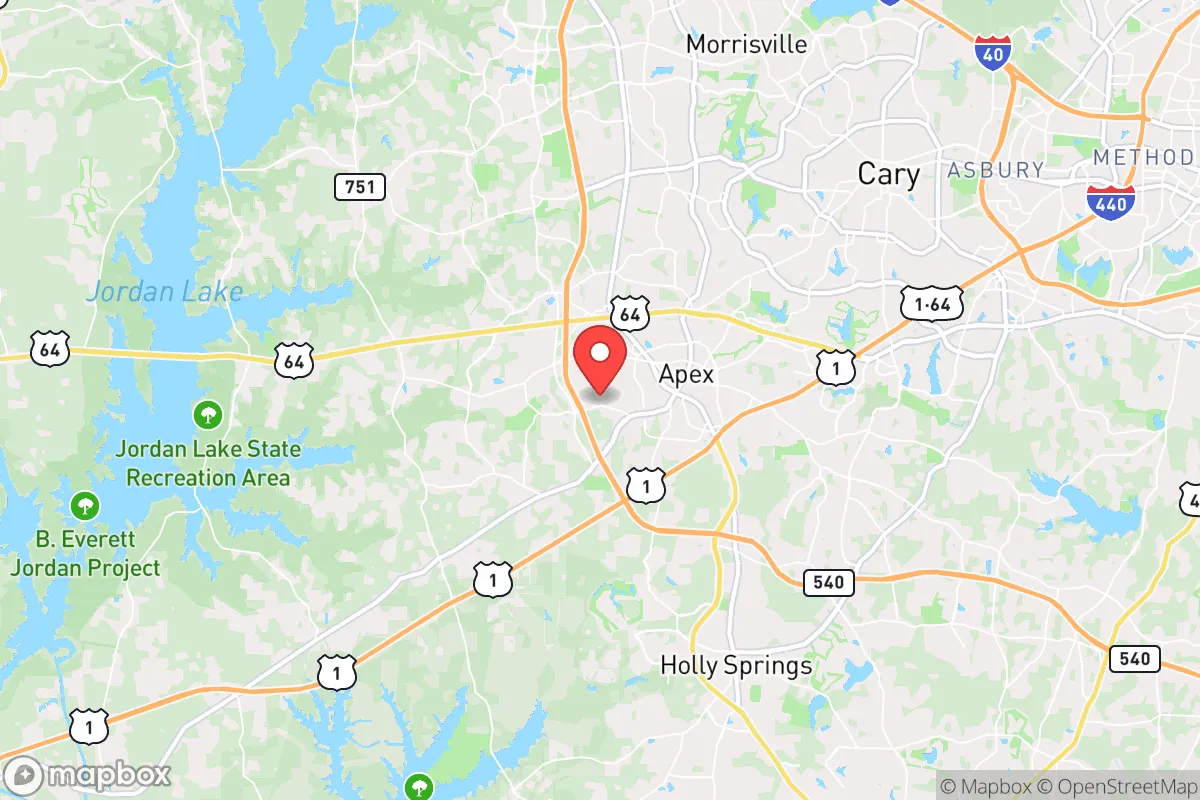
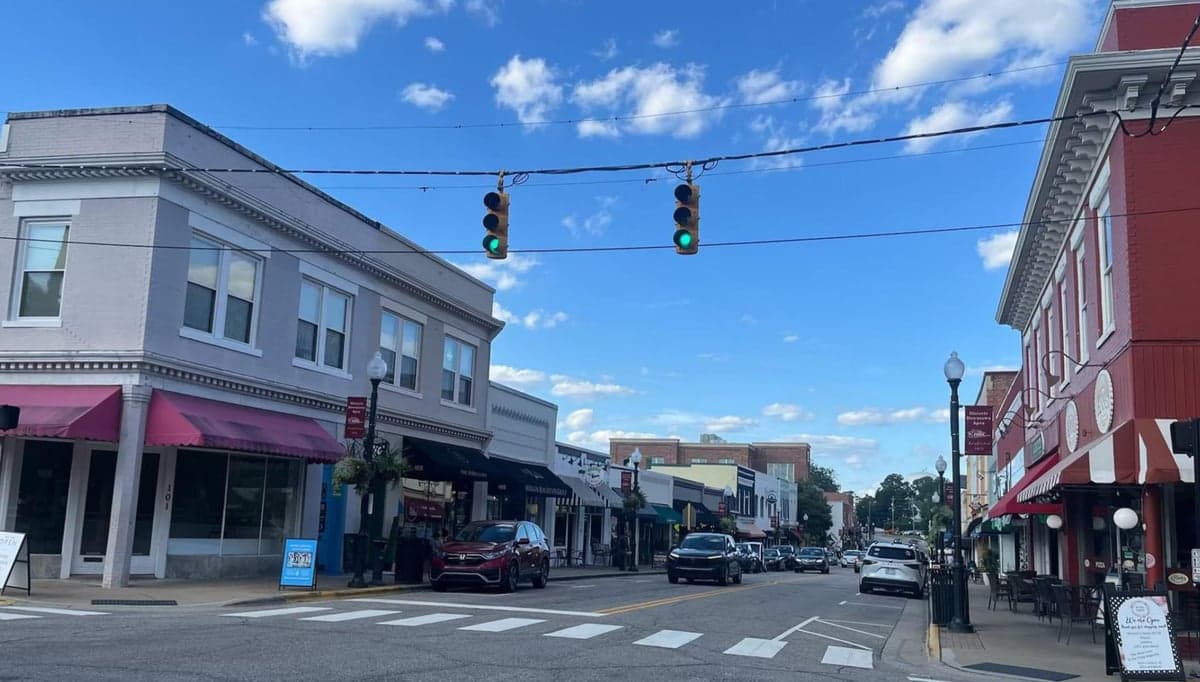
Photo: Wikipedia
Quality of Life in Apex, NC
A high quality of life with strong walkability, manageable living costs, healthy neighborhood signals, and solid amenity access.
What does Quality of Life tell us?
Quality of Life blends cost of living, nearby amenities, socioeconomic signals, and neighborhood character. City-level scores represent the whole municipality; individual neighborhoods can differ.
What does this tell us?
Quality of Life blends cost of living, nearby amenities, socioeconomic signals, and neighborhood character. City-level scores represent the whole municipality; individual neighborhoods can differ.
Cost of Living
65% above national average
The Real Cost of Living in Apex, NC for 2026
| Tier | Individual | Family (4) |
|---|---|---|
| Survival | $28k | $54k |
| Comfortable | $100k | $147k |
| Luxury | $202k+ | $313k+ |
| Elite (Top 5%) | $238k+ | $368k+ |
94%
The Area Signal
A metric tracking the socioeconomic signals of the area.
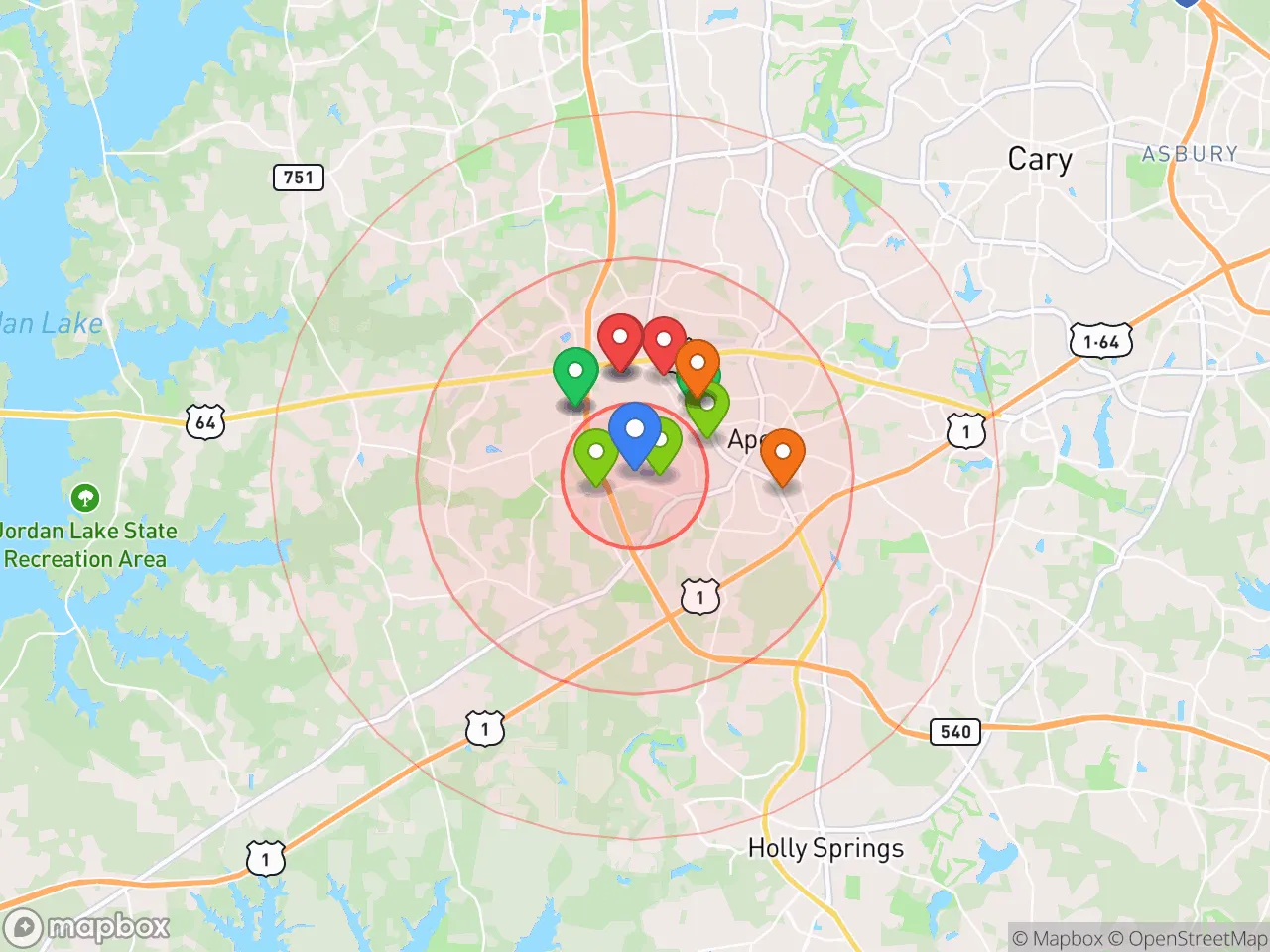
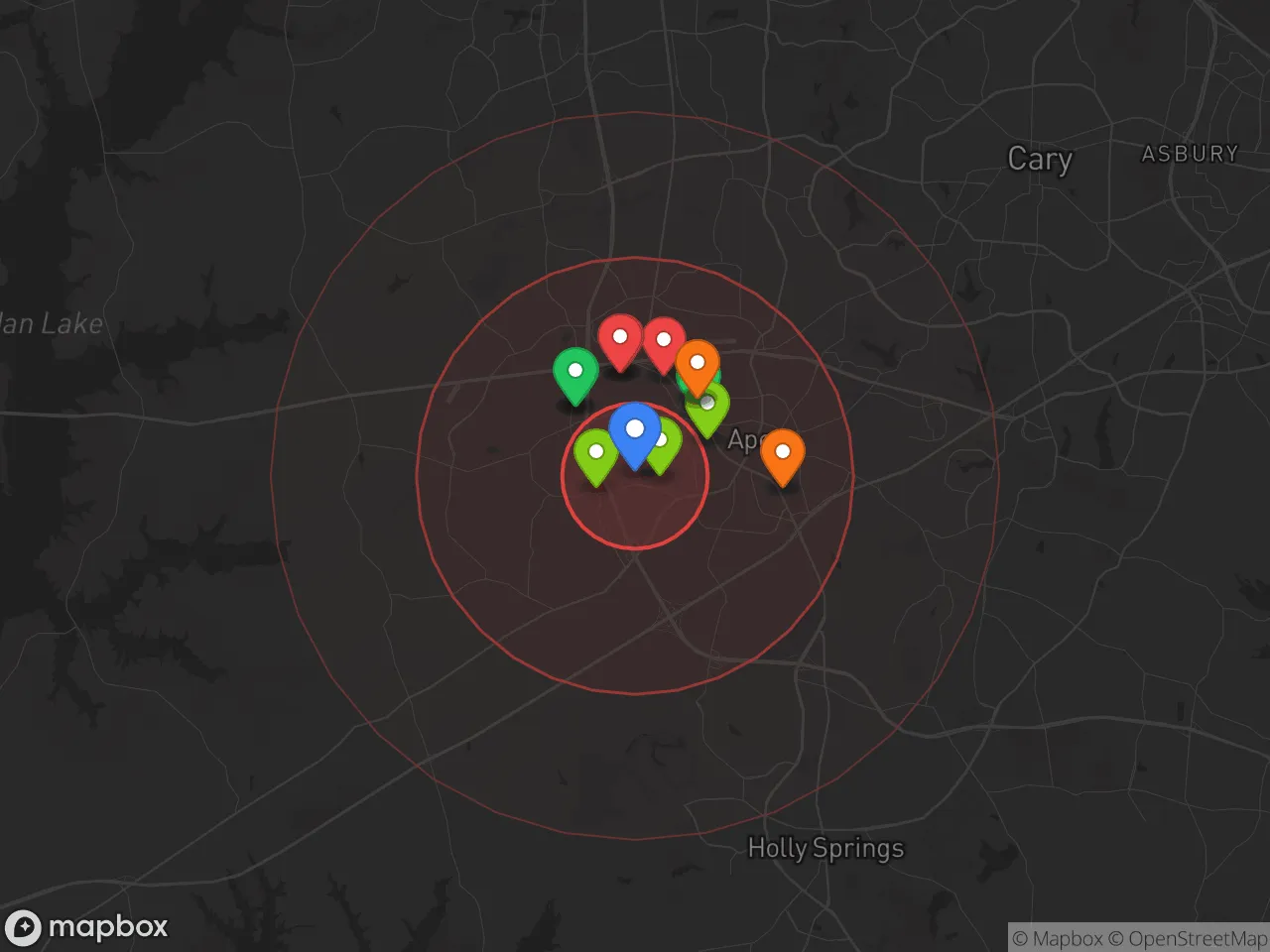
Hobbies
Explore the areaGroceries
8 within 10 miles
Gas
20 within 10 miles
Hospital
12 within 20 miles
Airport
RDU — Raleigh–Durham International
Post Office
USPS — Apex, NC
Critical Amenities
Quality-of-Life Analysis
Apex, North Carolina, consistently ranks among the most desirable suburbs in the Raleigh-Durham metro, driven by a cost of living index of 165 (65% above the national average) that reflects its premium housing market and high median household incomes. The town attracts a demographic mix of young families seeking top-tier schools, tech and biotech professionals commuting to Research Triangle Park (RTP), and established professionals drawn to its historic downtown and low crime rates. With a median home value of $514,800 and median rent of $1,784, Apex commands a significant premium over neighboring towns like Holly Springs and Cary, yet remains more affordable than comparable suburbs in Northern Virginia or the Northeast.
Cost of living, housing affordability, and how Apex compares to nearby towns
Housing is the primary driver of Apex's elevated cost of living. The median home value of $514,800 is roughly 30% higher than the Wake County median of $395,000 and nearly double the national median. Renters face a median monthly rent of $1,784, which is about 15% higher than in nearby Fuquay-Varina but comparable to Cary. The average commute of 24.1 minutes is slightly below the Raleigh metro average of 27 minutes, reflecting Apex's strategic location near US-1, US-64, and the Triangle Expressway. Property taxes in Wake County are moderate at roughly 0.85% of assessed value, but the high home prices mean annual tax bills often exceed $4,300. For buyers, the market remains competitive: homes typically sell within 10–14 days, and many listings go above asking price. Renting offers a lower barrier to entry, but the rent-to-income ratio (around 28% for median earners) still strains budgets compared to national norms.
Schools, amenities, and what daily life is like for families
Daily life in Apex revolves around its highly rated Wake County Public School System, where schools like Apex High School (rated 9/10 on GreatSchools) and Salem Elementary consistently earn top marks. The town's historic downtown—centered on Salem Street—features locally owned restaurants, a farmers market, and seasonal events like PeakFest and the Christmas parade. For outdoor recreation, the 160-acre Apex Community Park offers sports fields, a lake, and walking trails, while the nearby Jordan Lake State Recreation Area provides boating and camping. The town's walkability is limited to the downtown core; most errands require a car. Commuters benefit from direct access to RTP (20–25 minutes) and downtown Raleigh (30 minutes). The rhythm is distinctly suburban: families fill the parks on weekends, traffic on US-64 and NC-55 peaks during rush hours, and the town's population has grown by over 40% since 2010, fueling new construction in subdivisions like Haddon Hall and Beaver Creek.
Professionals and families who prioritize top-ranked schools, low crime rates, and a strong sense of community will find Apex a compelling choice, provided they can absorb the housing premium. The town is less suited for singles seeking nightlife or renters on tight budgets, as the rental market offers limited options under $1,500. Retirees may appreciate the quiet neighborhoods and access to healthcare via nearby Duke Raleigh Hospital and WakeMed Cary, though property taxes on a $500k+ home can strain fixed incomes. For those who can afford it, Apex delivers a high quality of life with minimal trade-offs—a rare combination in the fast-growing Triangle region.

Crime in Apex, NC
Lower crime rates than 86% of comparable U.S. locations.
Violent CrimeViolent Crime Analysis
Property CrimeProperty Crime Analysis
Crime Analysis
Apex, North Carolina, consistently ranks among the safest cities in the state, with violent crime rates dramatically below national averagescars. The town's overall crime rate sits at roughly 765 incidents per 100,000 residents, a figure that is less than half the national average and significantly lower than the rates in nearby Raleigh and Cary. This strong safety record is a primary driver of Apex's reputation as a desirable family-oriented suburb, though residents should remain aware of property crime trends and the broader regional context of the Raleigh-Durham metro area.
Crime in context
Apex's violent crime rate of 46.9 per 100,000 residents is exceptionally low—roughly one-eighth the national average of about 380 per 100,000 and well below the North Carolina state average of approximately 350 per 100,000. Property crime, at 718.3 per 100,000, is also below the national average of roughly 1,950 per 100,000, though it is slightly above the state average for property offenses. These figures place Apex among the safest municipalities in Wake County, a jurisdiction that has seen rising concern over progressive prosecutorial policies. The Wake County District Attorney's office, led by a progressive Democrat since 2018, has implemented policies such as declining to prosecute certain low-level drug offenses and reducing cash bail for non-violent offenders. While these measures aim to reduce incarceration, critics argue they contribute to a revolving-door justice system that emboldens repeat property offenders and undermines public confidence in safety.
What residents experience
For most Apex residents, daily life is marked by a palpable sense of security. The town's low violent crime rate means incidents like robbery, assault, and homicide are rare, and the community's well-lit downtown and active neighborhood watch programs reinforce this feeling. However, property crime—particularly theft from vehicles and package theft—is the most common concern. Apex Police Department data shows that larceny accounts for roughly 60% of all reported crime, with many incidents occurring in retail areas like the Beaver Creek Commons shopping center. The progressive justice policies in the broader metro area, including Wake County's emphasis on diversion programs and reduced sentencing, mean that repeat property offenders often cycle back into the community quickly. This creates a low-grade but persistent risk for residents, especially those living near major thoroughfares or apartment complexes.
Neighborhood-level variation is notable. Established subdivisions like Haddon Hall and the areas around Apex Peakway tend to report the lowest crime rates, while newer developments near U.S. Highway 1 and the Holly Springs border see slightly higher property crime. Gated communities and those with active homeowners' associations generally experience fewer incidents. For the most current block-level data, residents can consult the Apex Police Department's online crime mapping tool, which updates weekly and allows users to filter by offense type and location. Overall, Apex remains a safe choice for families and professionals, but the influence of progressive criminal justice policies in the surrounding county warrants ongoing vigilance, particularly regarding property crime prevention.
* Values derived from national, state, county, city and local statistics and may differ in a specific area. Last updated: 2026-10-10T16:26:26.000Z
Narrative content on this page is AI-generated and may contain mistakes. Verify any details that matter before acting on them.
ReloMaps may earn a commission from affiliate links at no extra cost to you.

