Photo: Wikipedia
Quality of Life in Coconino County
A livable area that tracks near national norms for affordability, walkability, and neighborhood health.
What does Quality of Life tell us?
Quality of Life measures an area by evaluating factors like cost of living, nearby amenities, country club access, airport proximity, socioeconomic signals and neighborhood character. For large states, this is a general average — quality of life can vary dramatically between metro areas, suburbs, and rural communities within the same state.
What does this tell us?
Quality of Life measures an area by evaluating factors like cost of living, nearby amenities, country club access, airport proximity, socioeconomic signals and neighborhood character. For large states, this is a general average — quality of life can vary dramatically between metro areas, suburbs, and rural communities within the same state.
Cost of Living
31% above national average
59%
The Real Cost of Living in Coconino County for 2026
| Tier | Individual | Family (4) |
|---|---|---|
| Survival | $22k | $42k |
| Comfortable | $80k | $118k |
| Luxury | $126k+ | $195k+ |
| Elite (Top 5%) | $157k+ | $243k+ |
Quality-of-Life Analysis
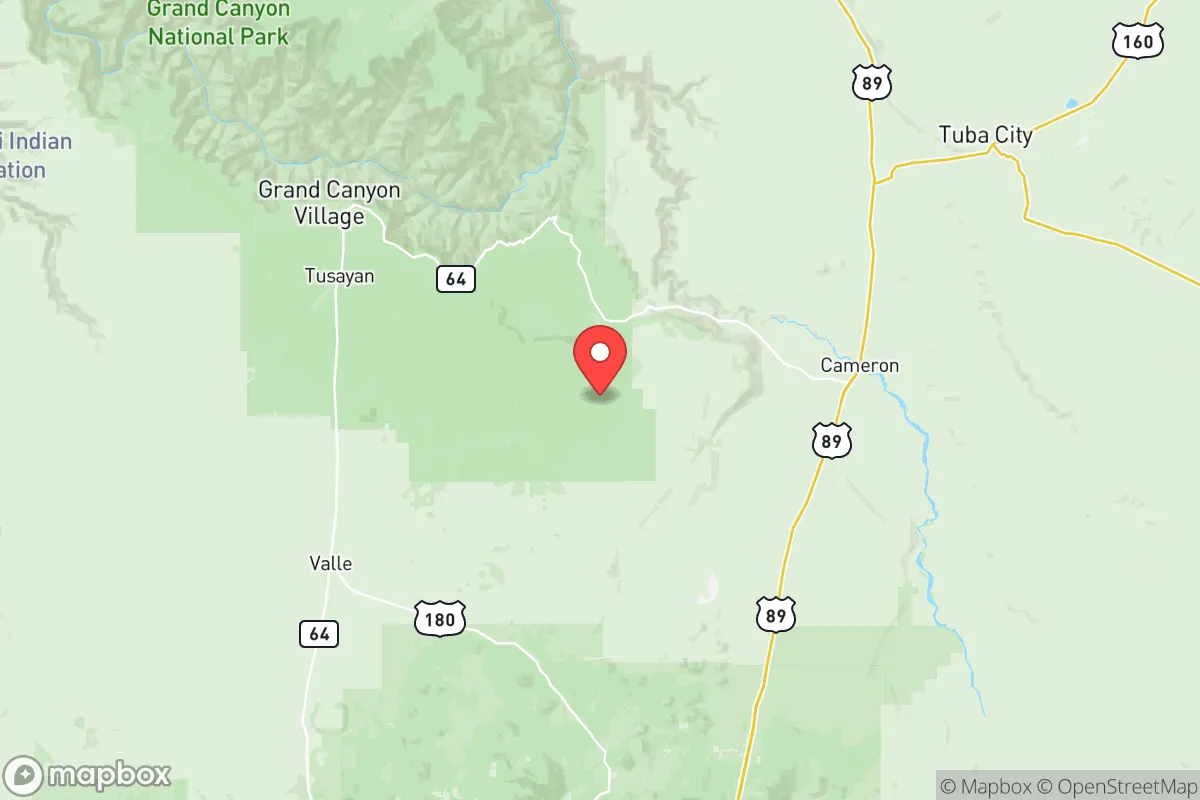
Coconino County, Arizona, offers one of the most dramatic quality-of-life spectrums in the Southwest, ranging from the bustling college town of Flagstaff to remote, off-grid communities on the Colorado Plateau. The county’s character is defined by its geography—high-elevation ponderosa pine forests in the south give way to the red-rock deserts of the Navajo Nation and the Grand Canyon in the north. This diversity attracts distinct populations: university students and outdoor professionals in Flagstaff, tribal members and artists in smaller communities, and homesteaders seeking solitude in the vast rural stretches.
Largest town(s) & population centers
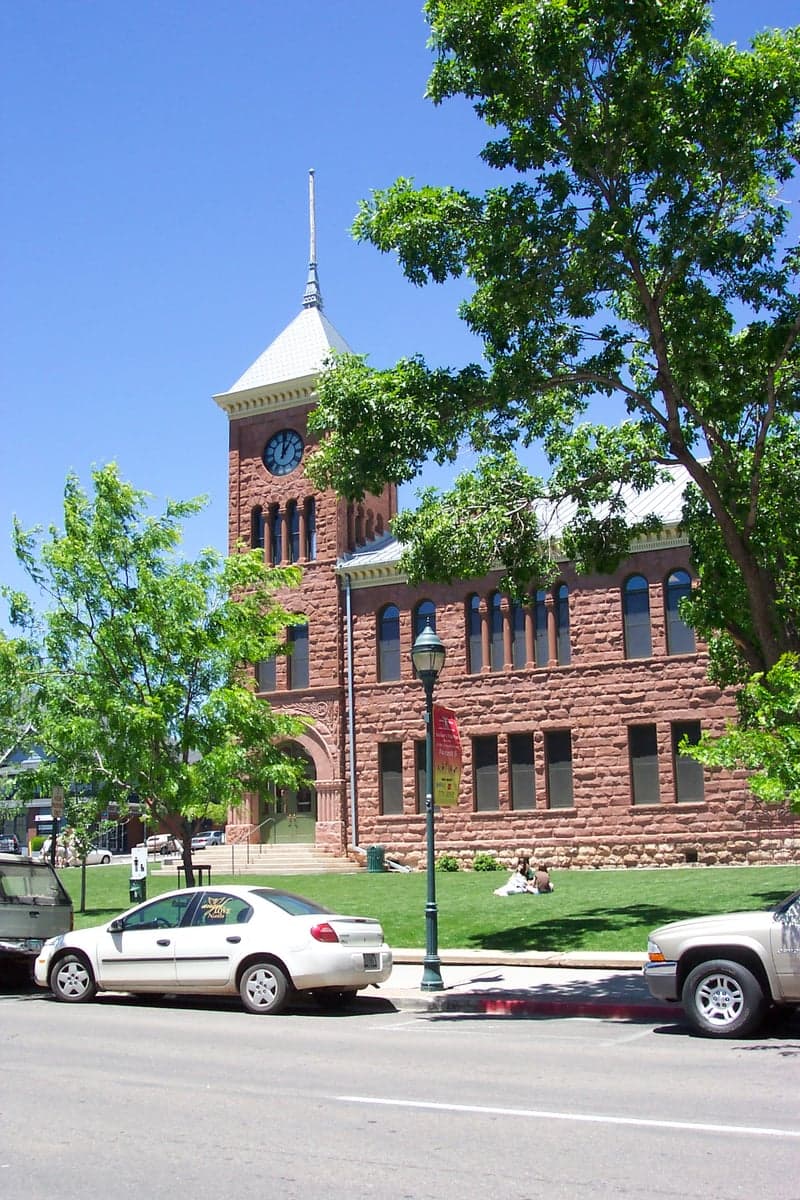
Flagstaff is the county’s undisputed hub, home to roughly 77,000 residents and Northern Arizona University (NAU). Daily life here revolves around a walkable downtown with breweries, coffee shops, and the historic railroad depot, while the San Francisco Peaks provide year-round recreation—skiing in winter, hiking in summer. The city’s economy is anchored by NAU, the Flagstaff Medical Center, and outdoor gear manufacturers like W.L. Gore & Associates. Commute times average just 19 minutes, well below the national average, making it feasible to live in the city and work at the university or hospital. Page, at the county’s northern edge near Lake Powell, is a smaller population center (about 7,500) driven by tourism and the Glen Canyon Dam, with a more transient, service-oriented feel. Williams (pop. 3,200) and Fredonia (pop. 1,300) serve as gateway communities to the Grand Canyon, offering a slower pace with seasonal tourism spikes.
Smaller towns & rural pockets
Beyond the main corridors, Coconino County contains distinct smaller communities. Sedona (partially in the county) is a world-renowned red-rock destination, but its high-end galleries and spas cater to a wealthy, retiree-heavy demographic—quite different from Flagstaff’s student energy. Tusayan, just outside the Grand Canyon’s South Rim, is a tiny unincorporated village (pop. 550) where nearly every resident works in tourism or park management. On the Navajo Nation, Kaibito and LeChee are rural chapters with limited services, where many homes lack running water and residents commute long distances to Page or Flagstaff for work. The Mormon Lake area, southeast of Flagstaff, is a sparsely populated ranching community with seasonal cabins and a tiny year-round population. These pockets offer extreme solitude but require self-sufficiency—grocery stores and medical clinics can be 30–60 minutes away.
Cost & lifestyle range
The county’s cost of living index of 131 (31% above the U.S. average) masks wide internal variation. Flagstaff is the most expensive area, with a median home value of $413,200 and median rent of $1,406—prices driven by limited housing supply and high demand from NAU faculty and remote workers. In contrast, Page and Williams offer more affordable housing, with median home values around $300,000–$350,000, though rental options are scarce. Rural areas like Kaibito or Mormon Lake have lower land costs but higher transportation expenses (fuel, vehicle maintenance) due to long commutes. The lifestyle range is stark: Flagstaff residents enjoy farmers’ markets, bike lanes, and a robust arts scene, while those in Fredonia or Tusayan may drive 45 minutes for a sit-down restaurant or pharmacy. The county’s average commute of 19 minutes is misleading—it reflects Flagstaff’s compact layout, but rural residents often face 40–60 minute drives to work or school.
This county suits people who value access to world-class natural landscapes—the Grand Canyon, San Francisco Peaks, and Lake Powell—over urban convenience. Flagstaff attracts professionals and students who want a walkable, amenity-rich lifestyle with outdoor recreation at the doorstep. Smaller towns and rural pockets appeal to those seeking lower housing costs, tribal community ties, or complete isolation, but require tolerance for limited services and long drives. The key trade-off is between Flagstaff’s high cost and high convenience versus the affordability and solitude of the county’s far-flung corners.

Crime in Coconino County
Crime rates similar to the national median for U.S. locations.
Violent CrimeViolent Crime Analysis
Property CrimeProperty Crime Analysis
Crime Analysis
Coconino County, Arizona, presents a mixed safety profile shaped by its vast geography, which spans the urban hub of Flagstaff, the tourist corridor of Sedona, and remote communities like Page and Williams. The county's overall violent crime rate of 366.4 per 100,000 residents and property crime rate of 1,453.3 per 100,000 place it above national averages, but these figures mask significant variation between its cities and unincorporated areas. Understanding where crime concentrates and how local justice policies affect public safety is critical for anyone considering relocation to this high-desert region.
Crime in context
Compared to Arizona's statewide violent crime rate of roughly 430 per 100,000 and the national average of about 380 per 100,000, Coconino County's violent crime rate sits slightly below the state figure but remains elevated relative to safer rural counties in the Southwest. Property crime in the county is notably high, driven largely by vehicle thefts and burglaries in Flagstaff and along the Interstate 40 corridor. Flagstaff, as the county seat and largest city, accounts for a disproportionate share of reported incidents, while smaller towns like Sedona and Williams report lower violent crime rates but still struggle with property offenses tied to tourism. The county's remote northern reaches, including the Navajo Nation communities near Page, face unique challenges with underreporting and limited law enforcement resources, making official statistics less reliable for those areas.
What residents experience
Daily life in Coconino County varies sharply by location. In Flagstaff, residents frequently cite property crime—particularly theft from vehicles and catalytic converter thefts—as a persistent nuisance, with the downtown and Southside neighborhoods seeing the highest incident densities. Violent crime in Flagstaff is concentrated in specific areas, including the railroad corridor and parts of the Sunnyside neighborhood, but random street violence is uncommon. Sedona, while statistically safer for violent crime, experiences a high volume of property theft from rental cars and trailhead parking lots, a direct consequence of its popularity as a tourist destination. Williams and Tusayan, smaller gateway communities to the Grand Canyon, report lower overall crime but face seasonal spikes during peak tourism months. Residents in unincorporated areas like Kachina Village and Mountainaire often describe a quieter experience, though isolation can delay emergency response times.
A critical factor shaping safety perceptions is the judicial philosophy of Coconino County's elected officials. The county's District Attorney, as of 2026, operates under a progressive framework that emphasizes diversion programs and reduced sentencing for non-violent offenders. While this approach aims to reduce recidivism and address root causes of crime, critics argue it has contributed to a revolving-door effect for repeat property offenders in Flagstaff. Residents in the city's core neighborhoods report frustration with low-level thefts that rarely result in jail time, a pattern that mirrors concerns in other liberal-leaning jurisdictions like Tucson and Phoenix. For those prioritizing strict law enforcement, the more conservative judicial climate in neighboring Yavapai County—home to Cottonwood and Camp Verde—may offer a contrasting environment, though those communities lie outside Coconino's boundaries.
Neighborhood-level variation is pronounced. In Flagstaff, the University Heights area near Northern Arizona University sees elevated property crime due to student turnover, while the Ponderosa Trails subdivision on the east side reports lower incidents. Sedona's West Sedona district has higher crime density than the gated communities in Oak Creek Canyon. Prospective residents should consult local police department crime maps and consider that the county's vast size means safety conditions can change dramatically within a 20-minute drive.
* Values derived from national, state, county, city and local statistics and may differ in a specific area. Last updated: 2026-05-27T17:34:20.000Z
Narrative content on this page is AI-generated and may contain mistakes. Verify any details that matter before acting on them.
ReloMaps may earn a commission from affiliate links at no extra cost to you.

