 Popular
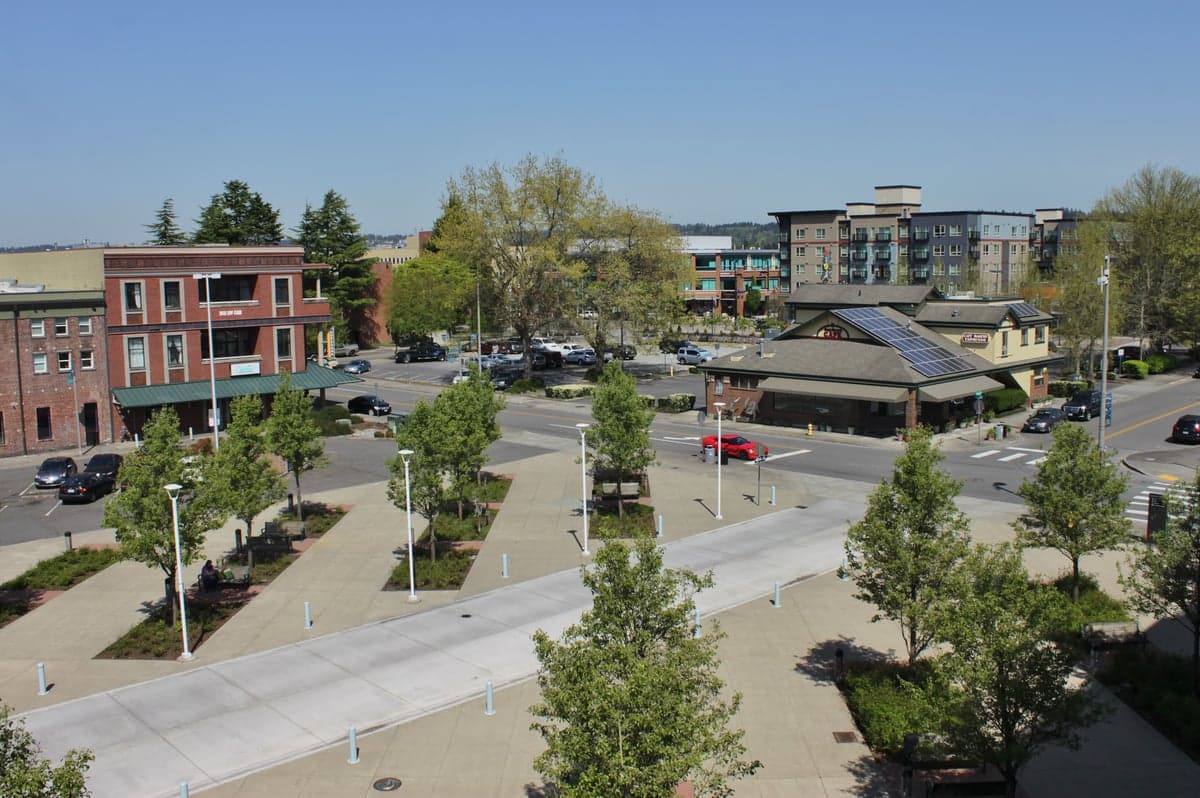
Photo: Wikipedia
Personal Sovereignty in Auburn, WA
Viable for self-reliance. Generally workable, though some barriers may limit total independence.
What does Personal Sovereignty tell us?
Personal Sovereignty measures your capacity for self-reliance and independence with minimal government friction. Higher scores mean fewer barriers between you and the way you want to live... but it assumes you have the space you need and good neighbors.
What does this tell us?
Personal Sovereignty measures your capacity for self-reliance and independence with minimal government friction. Higher scores mean fewer barriers between you and the way you want to live... but it assumes you have the space you need and good neighbors.
State Policy
Energy independence: Importer (55% of energy produced in-state)
Personal Liberty
Homesteading

Personal Liberty Analysis
Auburn, Washington, sits in a state where personal sovereignty is under constant pressure from expansive government authority, making it a location that requires careful strategic consideration for those prioritizing autonomy. While the city itself offers a degree of practical self-reliance, it operates within King and Pierce Counties, both of which enforce some of the most restrictive state-level policies in the nation on firearms, taxation, and parental rights. For a survivalist or prepper mindset, Auburn represents a compromise—a place with decent infrastructure for self-sufficiency but where you must actively work to preserve your freedoms against a backdrop of increasing government overreach.
Tax burden and regulatory posture in Auburn and Washington State
Washington State imposes a heavy tax burden on residents, primarily through a regressive sales tax structure that hits middle-income earners hardest. The state has no personal income tax, which is a significant advantage for those earning wages or running small businesses, but it compensates with a combined state and local sales tax rate in Auburn that typically exceeds 10.2%, among the highest in the nation. Property taxes are moderate but have been rising steadily, with King County levying an effective rate around 0.93% of assessed value, while Pierce County is slightly lower at roughly 0.87%. The regulatory environment is dense, particularly for housing and land use. Auburn's zoning codes are strict, with most residential lots under 7,000 square feet in the city limits, limiting large-scale homesteading. The state's Growth Management Act forces cities to concentrate development, making it difficult to secure rural acreage within Auburn proper. For a prepper, this means you'll likely need to look at unincorporated areas of Pierce County—like the outskirts near Sumner or Bonney Lake—to find parcels over an acre where you can build without endless permitting battles. The state's energy regulations also add costs, with Washington's clean fuel standard and carbon pricing pushing up gasoline and utility bills, a hidden tax on self-reliance.
Self-defense and gun law specifics in Auburn
Washington's gun laws have become increasingly hostile to the Second Amendment, and Auburn residents must navigate a web of restrictions that erode personal defense capabilities. The state banned the sale of many semi-automatic rifles—often mislabeled "assault weapons"—in 2023, and magazine capacity is capped at 10 rounds for rifles and 15 rounds for handguns. A 10-day waiting period applies to all firearm purchases, and private transfers require a background check through a licensed dealer, effectively ending private sales between individuals. Open carry is legal without a permit, but the state's preemption law is weak, and some local jurisdictions have attempted to restrict it further. Concealed carry requires a permit, which is shall-issue but involves a fingerprint-based background check and a fee. The most concerning development for preppers is the state's "red flag" law, which allows law enforcement or family members to petition a court to seize firearms based on vague claims of "dangerousness," with no criminal conviction required. This creates a chilling effect on lawful gun owners who might be targeted by vindictive neighbors or overzealous officials. For self-defense at home, Auburn's police response times in the city average 8-12 minutes, but in the more rural fringes, it can stretch to 20 minutes or more, making personal firearms a necessity rather than a choice. The state's ban on standard-capacity magazines also limits your ability to defend against multiple threats, a serious consideration for anyone serious about home defense.
Self-reliance and homesteading viability in Auburn
Auburn offers mixed prospects for homesteading and off-grid living, heavily dependent on whether you're inside city limits or in the surrounding unincorporated areas. Within the city, lot sizes are small, and zoning restricts keeping livestock—chickens are allowed with a permit, but goats, pigs, or larger animals are generally prohibited. The city's building codes also mandate connection to municipal water and sewer, making true off-grid living impossible inside Auburn proper. However, the agricultural zones in the Green River Valley, particularly east of Highway 167, offer larger parcels where you can keep livestock and grow substantial gardens. The soil in the valley is rich volcanic loam, excellent for food production, and the growing season runs from April to October, allowing for two crop cycles with careful planning. Water rights are a critical issue—Washington's water code is complex, and drilling a well requires a permit from the Department of Ecology, which can take months and cost $10,000-$20,000. Rainwater collection is legal but limited to 5,000 gallons of storage without a permit, and you must use it only for outdoor irrigation. Solar power is viable, with Auburn averaging 152 sunny days per year, but the state's net metering policies are favorable only if you stay grid-tied; going fully off-grid requires expensive battery systems and may trigger additional permitting. For a prepper, the best strategy is to buy a property in unincorporated Pierce County, where zoning is looser, and you can build a shop or barn without the city's interference. The proximity to the Cascade foothills also offers foraging, hunting, and fishing opportunities, but you'll need to navigate Washington's strict hunting regulations and tag systems.
Personal liberties in Auburn: parental rights, medical autonomy, speech, and property
Personal liberties in Auburn are constrained by Washington's progressive state government, which has aggressively expanded its authority over families, healthcare, and property. Parental rights have been weakened by laws that allow minors to consent to certain medical procedures—including reproductive health and gender transition treatments—without parental notification, a major concern for conservative parents. The state's education system, including the Auburn School District, has adopted curriculum that emphasizes critical race theory and social-emotional learning, often without parental opt-out options. Homeschooling is legal but requires filing an annual declaration of intent and meeting state learning goals, with the state retaining oversight authority. Medical autonomy is limited by Washington's vaccine mandates, which apply to healthcare workers, school staff, and some private employers, and the state's public health orders during emergencies have shown a willingness to override individual choice. Free speech is protected under the First Amendment, but the state's hate crime laws and social media regulations create a chilling effect on controversial opinions, particularly around political or religious topics. Property rights are under constant threat from environmental regulations, with the state's Shoreline Management Act and Critical Areas Ordinances restricting what you can do on your land near waterways or wetlands. The city of Auburn also enforces strict noise ordinances and nuisance codes that can be used against preppers who run generators, store supplies, or practice firearms training on their property. For a sovereign-minded individual, these constraints mean you must be proactive—join local land-use boards, attend city council meetings, and build relationships with neighbors to protect your rights from gradual erosion.
Overall, Auburn offers a moderate level of personal sovereignty compared to the rest of Washington, but it falls far short of the freedom found in states like Idaho, Montana, or Texas. The city's location near the Cascade foothills provides some buffer from the worst of urban overreach, but you're still subject to a state government that views individual autonomy as secondary to collective goals. For a prepper or survivalist, Auburn is a strategic compromise—you get decent access to land, water, and resources, but you must constantly defend your rights against a regulatory apparatus that grows more intrusive each year. The key to thriving here is to stay informed, join local advocacy groups like the Washington State Rifle Association or the Washington Farm Bureau, and be prepared to push back against every new ordinance or law that chips away at your freedom. If you're willing to fight for your sovereignty, Auburn can work, but it's not a place where you can simply retreat and be left alone.

* Values derived from national, state, county, city and local statistics and may differ in a specific area. Last updated: 2026-04-21T11:11:02.000Z
Narrative content on this page is AI-generated and may contain mistakes. Verify any details that matter before acting on them.
ReloMaps may earn a commission from affiliate links at no extra cost to you.

