 Popular
Photo: Wikipedia
Find The Best Places To Live
in Auburn
PRO TIP! You can paste a Zillow or Redfin link to get info on that property.
What It's Like Living in Auburn, WA
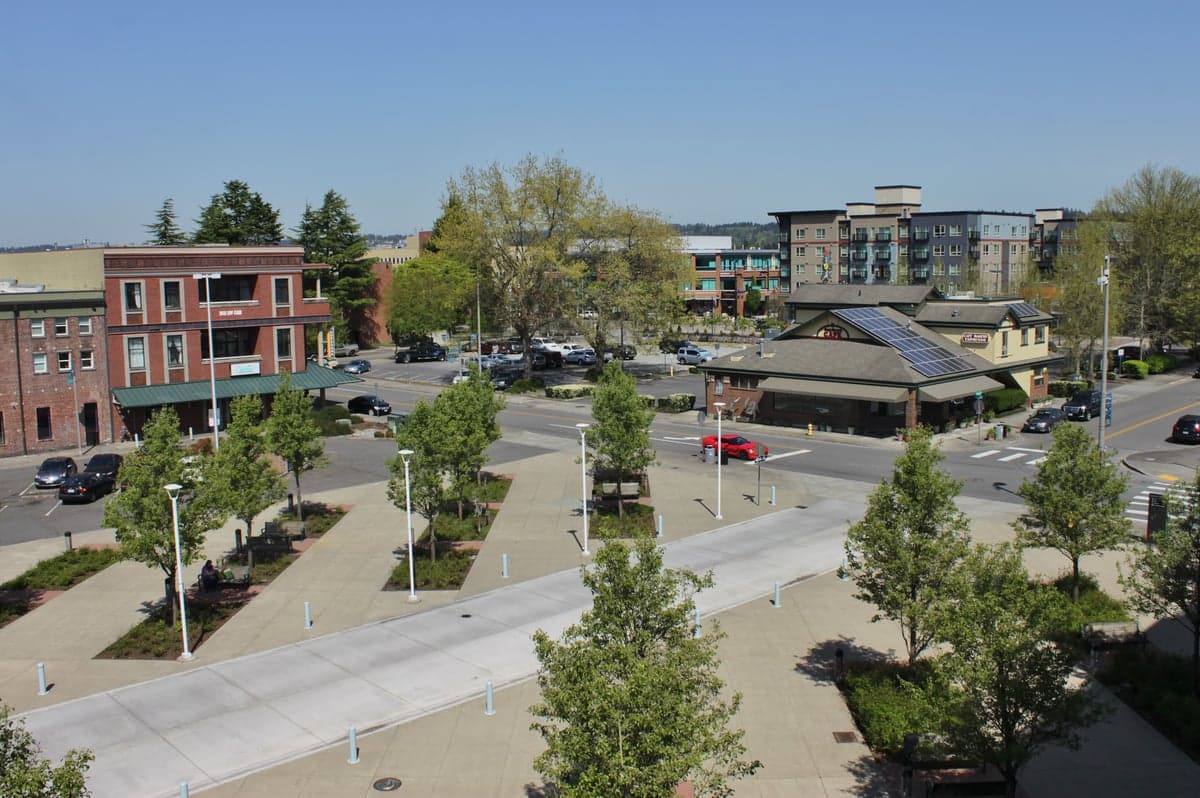
Auburn, Washington, sits in that sweet spot where you’re close enough to Seattle and Tacoma to commute but far enough to feel like you’ve got your own town. It’s a blue-collar city with a growing suburban edge, where the White River runs through and the sound of freight trains is part of the daily soundtrack. People here tend to be practical, family-focused, and unpretentious—the kind who’d rather spend a Saturday at a high school football game or a local brewery than fighting I-5 traffic for a night out in the city.
Daily Rhythm: What People Actually Do
Most mornings in Auburn start with a commute. The average drive time clocks in at just over 31 minutes, which is about par for the Seattle metro but feels longer when you’re sitting on Highway 167 or 18. Locals grumble about the bottleneck at the 167/410 interchange, but they’ve learned the back roads—like going through Sumner or using the Valley Freeway. Once home, evenings often revolve around kids’ sports or a quick dinner at one of the strip-mall teriyaki joints that dot the city. The median age is 35.7, and with a median household income of $95,367, Auburn leans solidly middle-class. You’ll see a lot of Toyota Tundras and Subaru Outbacks in the parking lots of WinCo or Fred Meyer.
Weekends are for the outdoors. The White River Valley offers easy access to hiking at Flaming Geyser State Park or fishing along the Green River. The Auburn Farmers Market, held Saturdays from May through October at Les Gove Park, is a genuine community hub—think local honey, fresh produce, and a guy selling smoked salmon. For a night out, locals hit The Melody Bar for live music or Railroad Bar & Grill for a burger and a beer. The city’s industrial roots show in places like the Auburn International Farmers Market (yes, there are two), where you can buy handmade crafts and watch the trains roll by.
Sports, Community, and the Local Identity
High school sports are a big deal here. Auburn High School’s Trojans and Auburn Riverside’s Ravens pack bleachers on Friday nights, especially during football season. The rivalry is genuine but friendly—you’ll see parents from both sides grabbing coffee at Boon Boona Coffee before the game. There’s no pro team in town, but the Seattle Seahawks and Mariners have a strong following; you’ll see 12th Man flags on porches and in truck windows. The city’s biggest annual event is Auburn Days, a summer festival with a parade, carnival rides, and a car show that draws folks from all over the valley. It’s not flashy, but it’s the kind of thing that makes Auburn feel like a real community rather than a bedroom suburb.
Culturally, Auburn is more diverse than you’d expect for a city its size—about 27% of adults have a college degree, but the workforce includes a mix of Boeing engineers, Amazon warehouse workers, and tradespeople. The city’s Japanese and Filipino communities are visible in local restaurants and at the White River Valley Museum, which tells the story of the area’s railroad and agricultural past. One quirk: the Auburn Symphony Orchestra is a legit cultural asset, performing at the Auburn Performing Arts Center, and it’s the kind of thing that surprises newcomers who expected only dive bars and fast food.
What’s There to Do (and What Frustrates)
For entertainment, you’ve got Emerald Downs horse racing track, which runs from April to September—it’s a fun, low-stakes date night or family outing. The Muckleshoot Casino is just north of town, drawing crowds for concerts and gaming, but it’s not exactly a family destination. Outdoor lovers hit the Green River Trail for biking or the Soos Creek Trail for a quiet walk. The White River Amphitheatre in nearby Enumclaw hosts big-name concerts in the summer, but you’ll need to plan for traffic leaving the parking lot.
Now for the honest downsides. Crime is a real concern: the violent crime rate is 299.5 per 100,000, which is higher than the national average and noticeably above neighboring cities like Sumner or Bonney Lake. Property crime—especially car break-ins and package theft—is a common complaint on local Facebook groups. The cost of living index sits at 161, meaning it’s 61% more expensive than the average U.S. city, and the median home value of $510,400 puts homeownership out of reach for many renters. Traffic is the other big frustration: the 167 corridor backs up daily, and there’s no light rail or commuter train stop in Auburn (the nearest Sounder station is in Kent or Sumner).
Weather-wise, you get the classic Pacific Northwest gray from October through April, with about 40 inches of rain annually. Summers are dry and gorgeous—July through September, everyone’s outside. Schools are a mixed bag; the Auburn School District has some strong elementary schools but struggles with overcrowding and funding. Families often choose neighborhoods based on which school their kids will attend, and the Auburn Mountainview High School area is generally seen as the most desirable.

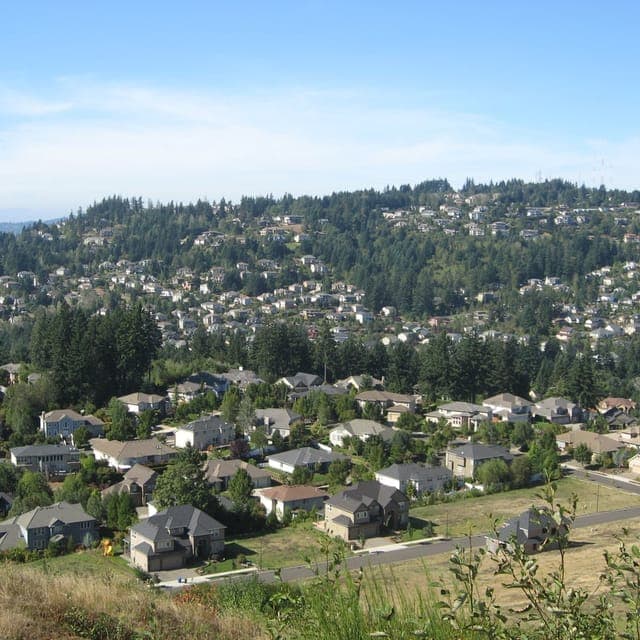
Similar small cities to Auburn
* Values derived from national, state, county, city and local statistics and may differ in a specific area. Last updated: 2026-04-21T11:11:02.000Z
Narrative content on this page is AI-generated and may contain mistakes. Verify any details that matter before acting on them.
ReloMaps may earn a commission from affiliate links at no extra cost to you.

