 Popular
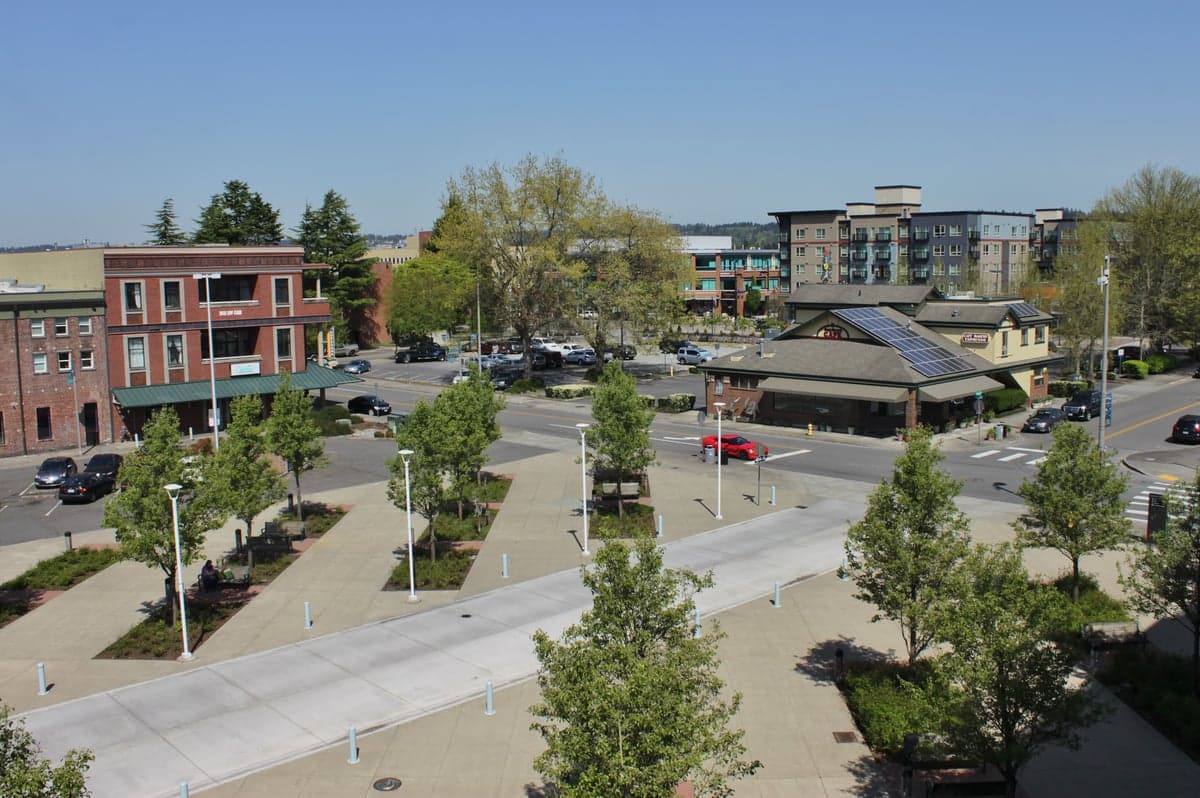
Photo: Wikipedia
Quality of Life in Auburn, WA
A high quality of life with strong walkability, manageable living costs, healthy neighborhood signals, and solid amenity access.
What does Quality of Life tell us?
Quality of Life blends cost of living, nearby amenities, socioeconomic signals, and neighborhood character. City-level scores represent the whole municipality; individual neighborhoods can differ.
What does this tell us?
Quality of Life blends cost of living, nearby amenities, socioeconomic signals, and neighborhood character. City-level scores represent the whole municipality; individual neighborhoods can differ.
Cost of Living
61% above national average
The Real Cost of Living in Auburn, WA for 2026
| Tier | Individual | Family (4) |
|---|---|---|
| Survival | $27k | $51k |
| Comfortable | $95k | $139k |
| Luxury | $139k+ | $215k+ |
| Elite (Top 5%) | $163k+ | $253k+ |
69%
The Area Signal
A metric tracking the socioeconomic signals of the area.
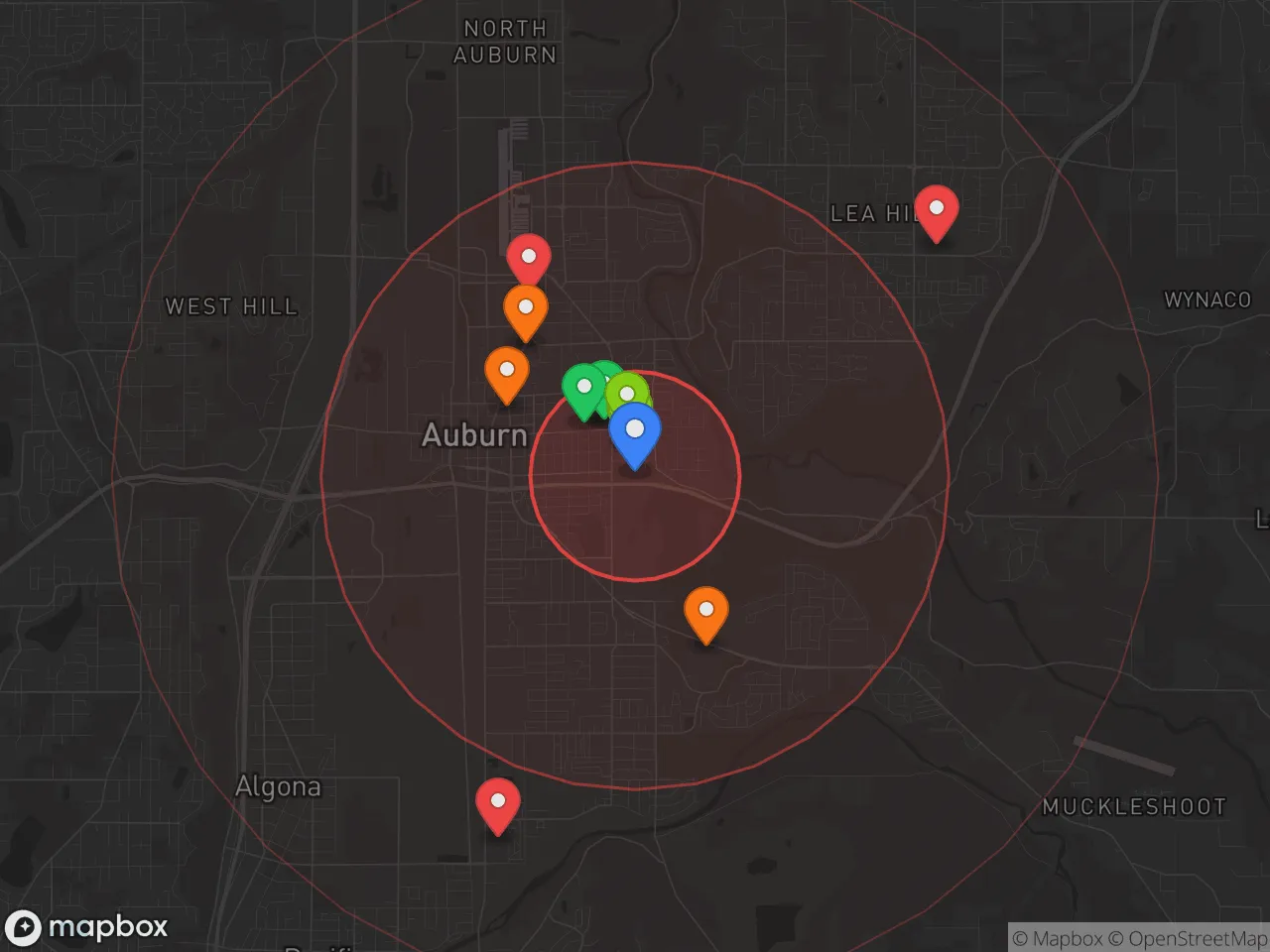
Hobbies
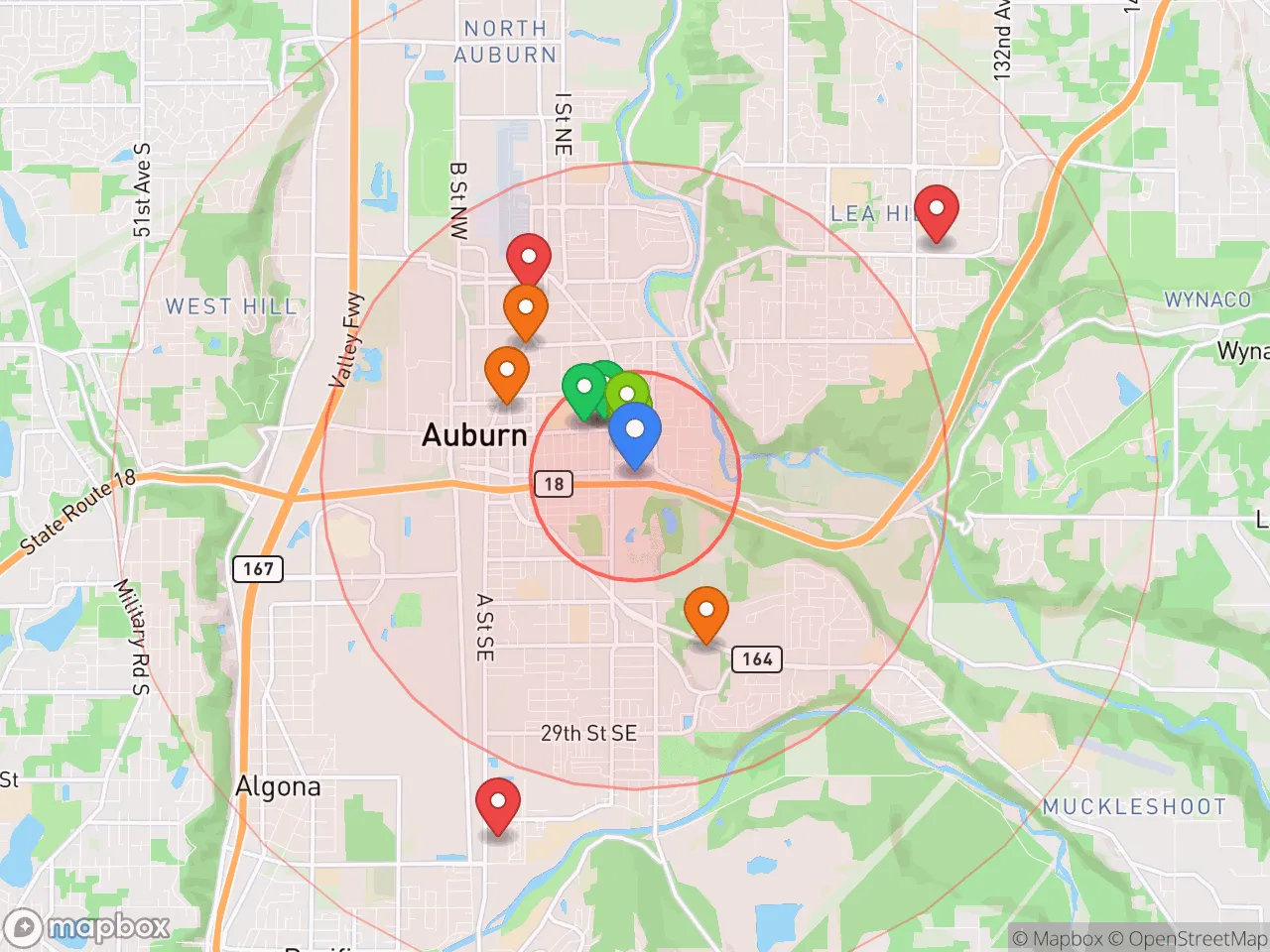
Explore the areaGroceries
7 within 10 miles
Gas
20 within 10 miles
Hospital
20 within 20 miles
Airport
SEA — Seattle–Tacoma International
Post Office
USPS — Auburn, WA
Critical Amenities
Quality-of-Life Analysis
Auburn, Washington, presents a quality-of-life profile shaped by its position as a mid-sized city within the high-cost Puget Sound region. With a cost of living index of 161—61 percent above the national average—the city attracts a mix of established families, aerospace and logistics workers, and long-term residents who value its relative affordability compared to Seattle or Bellevue. The population skews toward middle-income households and blue-collar professionals, with a notable presence of military-connected families due to nearby Joint Base Lewis-McChord.
Cost of living, housing, and how Auburn compares to nearby cities
Auburn’s cost of living is significantly higher than the national baseline but remains a bargain within King County. The median home value of $510,400 is roughly $150,000 less than the King County median and about $300,000 below Seattle’s typical home price. Median rent sits at $1,713, which undercuts rents in Tacoma ($1,850) and is dramatically lower than Seattle’s $2,200+ average. However, these figures still strain budgets: a household earning the local median income of roughly $82,000 would spend about 31 percent of gross income on a mortgage at current rates, pushing the edge of affordability. Renters face a tighter squeeze, as the $1,713 median rent requires an annual income near $68,000 to stay within the recommended 30 percent threshold. Compared to neighboring cities like Kent or Federal Way, Auburn offers slightly lower home prices but similar rent levels, making it a pragmatic choice for buyers willing to accept a longer commute for more square footage.
Amenities, schools, and the daily rhythm of life in Auburn
Daily life in Auburn revolves around a mix of suburban convenience and industrial-adjacent activity. The Auburn School District serves roughly 16,000 students, with several elementary schools rated above state averages on standardized tests, though high school graduation rates hover near 85 percent—slightly below the state average. The city’s amenities include the White River Valley Museum, the Auburn Performing Arts Center, and the sprawling 400-acre Game Farm Park with sports fields and walking trails. The average commute of 31.6 minutes reflects Auburn’s role as a bedroom community: many residents drive north to Boeing’s Renton facility, south to Joint Base Lewis-McChord, or east to Amazon’s Bellevue offices. Traffic on State Route 167 and Interstate 5 can add 10–15 minutes during peak hours, making the actual door-to-door commute closer to 45 minutes for Seattle-bound workers. Retail is anchored by the Outlet Collection Seattle mall, and grocery access is adequate, though fresh-food options are more limited in the city’s southern neighborhoods. The daily rhythm is quieter than Seattle’s but busier than rural Enumclaw, with a noticeable weekend uptick in traffic as families head to nearby Mount Rainier National Park or the Green River for recreation.
Auburn is best suited for households that prioritize space and affordability over urban energy. Families with school-age children, aerospace or logistics workers, and military personnel stationed at Joint Base Lewis-McChord will find the most alignment with the city’s housing stock, commute patterns, and community resources. Singles or couples seeking nightlife, walkable neighborhoods, or rapid transit access will likely feel underserved, as Auburn’s social scene is modest and car dependency is high. For those who value a stable, middle-class suburban base with reasonable access to Seattle’s job market and the Cascade foothills, Auburn offers a grounded, if unglamorous, quality of life.

Crime in Auburn, WA
Crime rates similar to the national median for U.S. locations.
Violent CrimeViolent Crime Analysis
Property CrimeProperty Crime Analysis
Crime Analysis
Auburn, Washington, presents a mixed safety profile for potential residents. The city's violent crime rate of 299.5 incidents per 100,000 residents is notably higher than the national average, while its property crime rate of 2,557.1 per 100,000 significantly exceeds both state and national benchmarks. These figures place Auburn in a concerning position among Seattle-area suburbs, a dynamic influenced by the broader progressive justice policies common throughout King and Pierce counties.
Crime in context
When compared to national data, Auburn's violent crime rate is roughly 15% higher than the U.S. average, but its property crime rate is nearly 50% higher. The city's proximity to Seattle and Tacoma, both of which have adopted progressive prosecutorial approaches emphasizing diversion and reduced incarceration, contributes to a regional environment where property crime—particularly vehicle theft and burglary—is a persistent issue. Auburn's location along major transportation corridors like State Route 167 and Interstate 5 also facilitates criminal mobility, with offenders moving easily between jurisdictions. The property crime rate of 2,557.1 per 100,000 places Auburn among the higher-risk suburbs in the Puget Sound region for theft-related offenses.
What residents experience
Daily life for Auburn residents involves heightened vigilance regarding property security. Car break-ins, package theft, and residential burglaries are the most commonly reported crimes, with many incidents occurring in commercial areas and apartment complexes near the downtown core and the Outlet Collection mall. Violent crime, while less frequent, includes aggravated assault and robbery, often concentrated in specific neighborhoods rather than spread evenly across the city. Residents frequently report that progressive justice policies in King County result in repeat offenders cycling through the system quickly, undermining deterrence and public confidence. Many homeowners invest in security cameras, motion-sensor lighting, and neighborhood watch participation as standard precautions.
Neighborhood-level variation is significant. Areas east of the Green River, such as the Lea Hill and Lakeland Hills neighborhoods, generally experience lower crime rates and are considered safer, with more single-family homes and active community patrols. In contrast, the downtown core and areas near the Auburn Station transit center see higher concentrations of property crime and occasional violent incidents. The West Hill neighborhood, bordering Federal Way, also reports elevated crime statistics. Prospective residents should research specific block-level data and consider that the city's overall safety is heavily influenced by its role as a transit hub and the regional justice system's leniency toward property offenders.
* Values derived from national, state, county, city and local statistics and may differ in a specific area. Last updated: 2026-04-21T11:11:02.000Z
Narrative content on this page is AI-generated and may contain mistakes. Verify any details that matter before acting on them.
ReloMaps may earn a commission from affiliate links at no extra cost to you.

