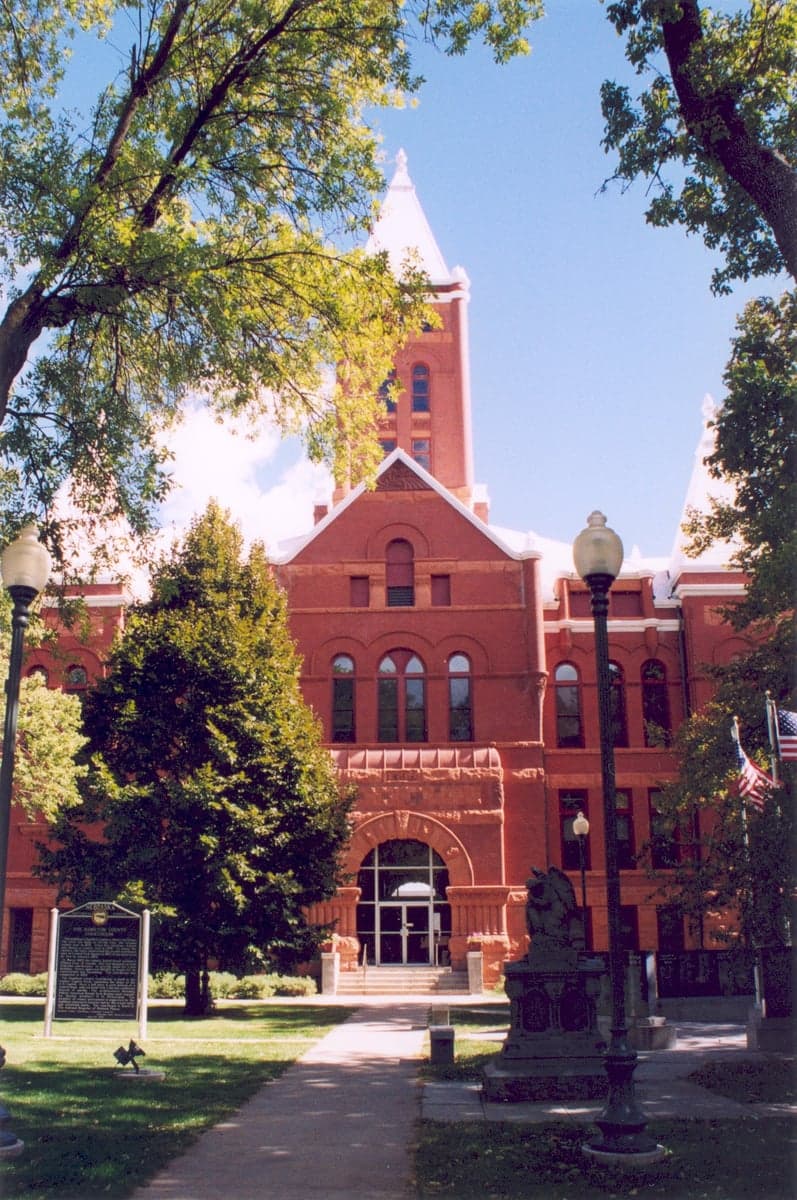
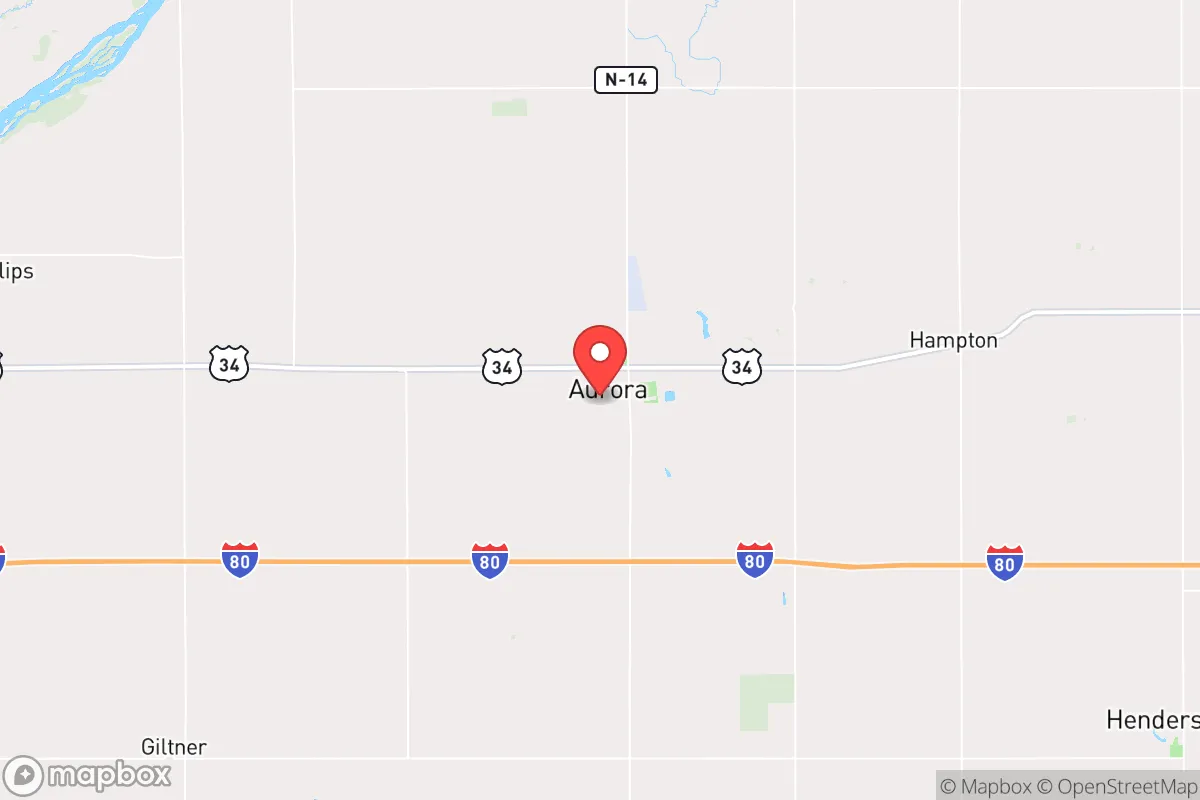
Photo: Wikipedia
Quality of Life in Aurora, NE
A high quality of life with strong walkability, manageable living costs, healthy neighborhood signals, and solid amenity access.
What does Quality of Life tell us?
Quality of Life blends cost of living, nearby amenities, socioeconomic signals, and neighborhood character. City-level scores represent the whole municipality; individual neighborhoods can differ.
What does this tell us?
Quality of Life blends cost of living, nearby amenities, socioeconomic signals, and neighborhood character. City-level scores represent the whole municipality; individual neighborhoods can differ.
Cost of Living
30% below national average
The Real Cost of Living in Aurora, NE for 2026
| Tier | Individual | Family (4) |
|---|---|---|
| Survival | $12k | $22k |
| Comfortable | $43k | $63k |
| Luxury | $97k+ | $151k+ |
| Elite (Top 5%) | $115k+ | $178k+ |
112%
The Area Signal
A metric tracking the socioeconomic signals of the area.
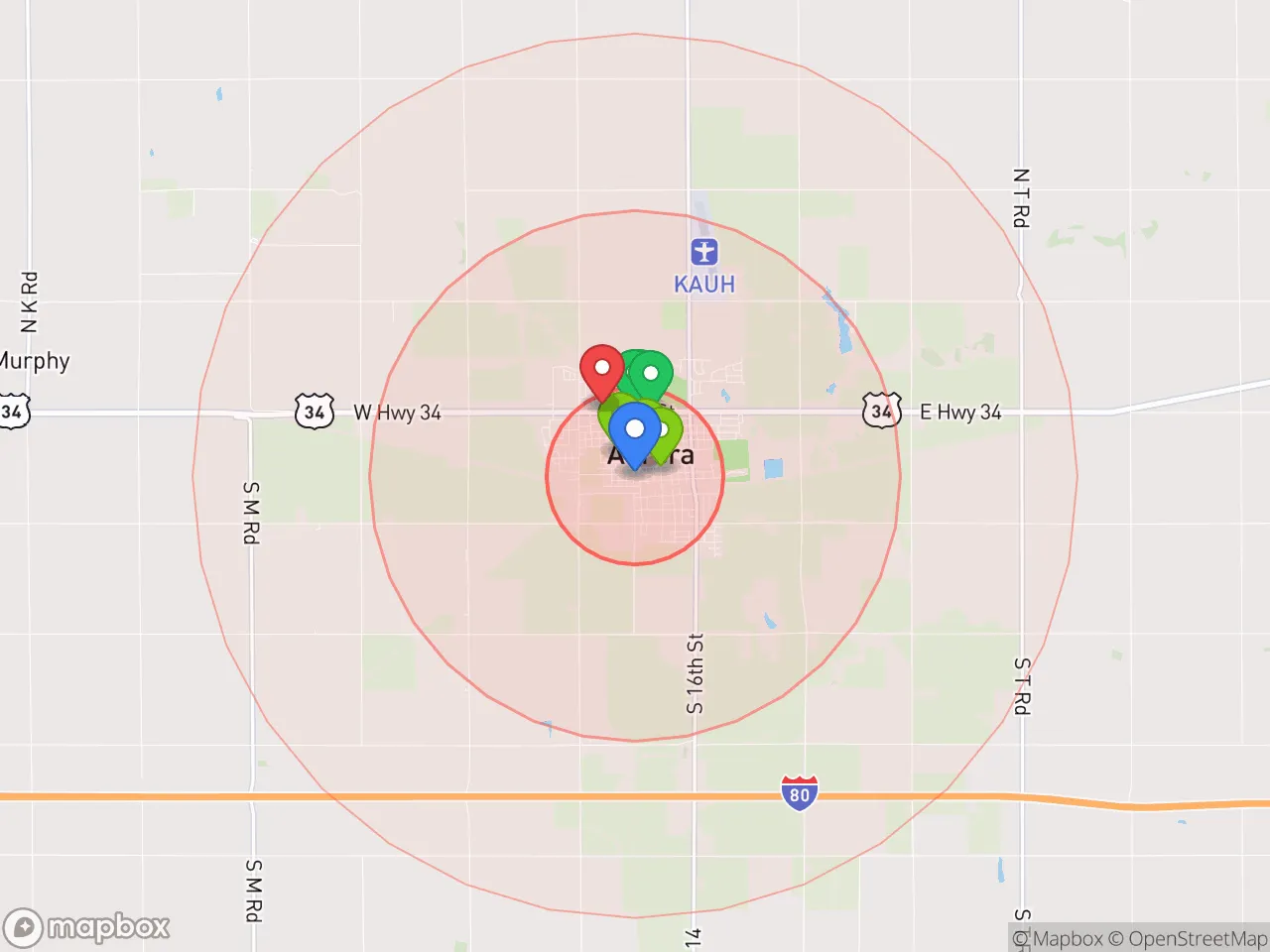
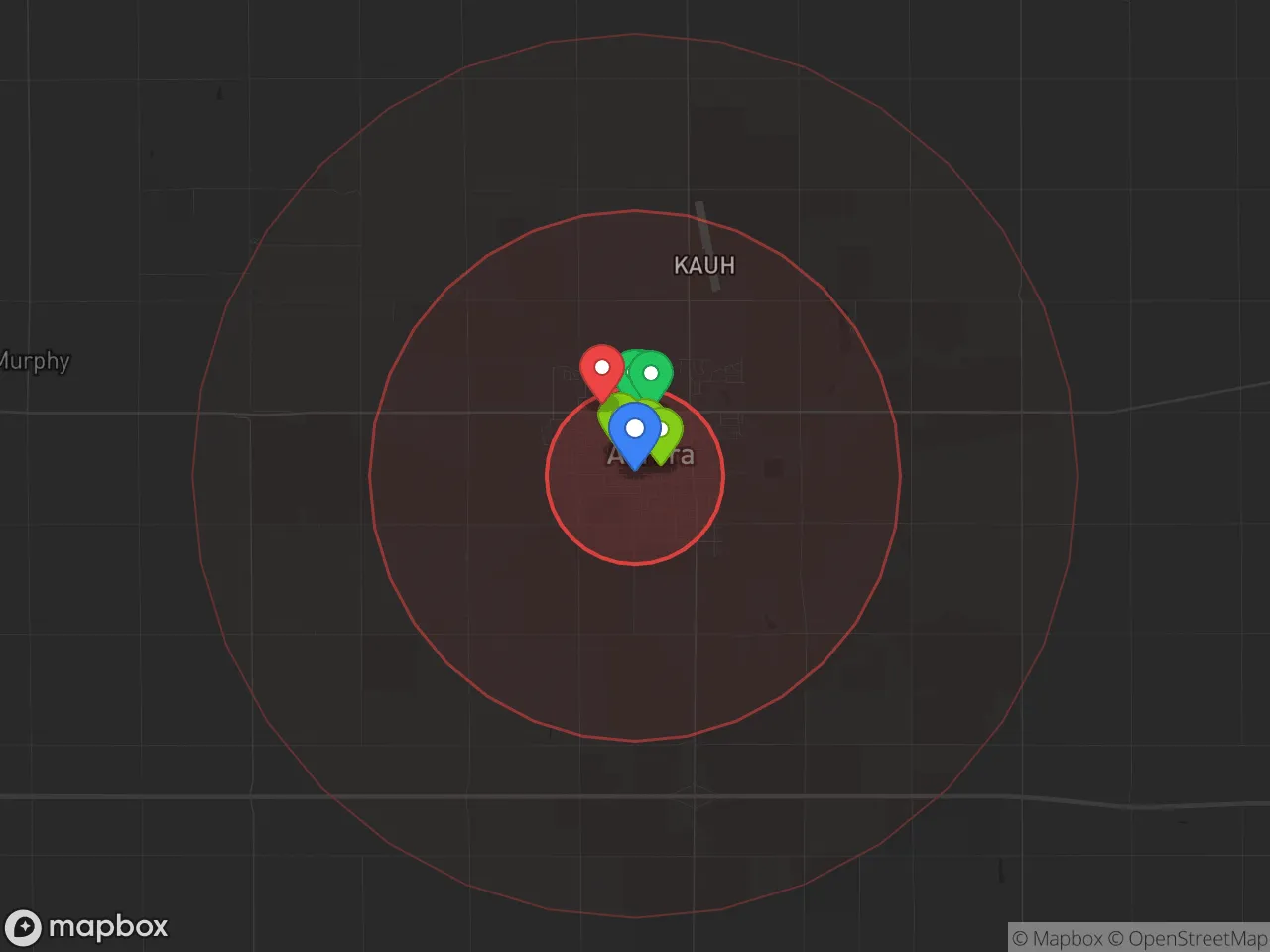
Hobbies
Explore the areaGroceries
0 within 10 miles
Gas
4 within 10 miles
Hospital
6 within 20 miles
Airport
MCI — Kansas City International
Post Office
USPS — Aurora, NE
Critical Amenities
Quality-of-Life Analysis
Aurora, Nebraska, presents a quality of life defined by quiet affluence and strong community bonds, where the cost of living sits at a remarkably low 70 on the national index (100 = US average). The population skews toward established families, agricultural professionals, and retirees who value space, safety, and a slower pace over urban convenience. With a median home value of $221,700 and a median rent of just $747, the area offers financial breathing room that is increasingly rare in larger Nebraska cities like Lincoln or Omaha.
Cost of living, housing, and affordability compared to Grand Island and Hastings
Aurora’s cost of living is roughly 30% below the national average, making it one of the more affordable communities in Hamilton County. The median home value of $221,700 is significantly lower than the Nebraska state median of roughly $260,000, and the median rent of $747 is about $200 less than what renters pay in Grand Island (20 miles west) or Hastings (30 miles south). For context, a household earning the area’s median income can typically afford a mortgage on a median-priced home with a standard 20% down payment, a scenario that is increasingly difficult in Lincoln or Omaha. The average commute of just over 19 minutes is notably short, reflecting the town’s compact layout and the fact that many residents work locally in agriculture, manufacturing (e.g., at the region’s irrigation equipment plants), or at the Hamilton County government offices. This low commute time also means lower transportation costs, further stretching household budgets.
Schools, daily life, and local amenities in Aurora
Daily life in Aurora revolves around the Aurora Public Schools system, which consistently ranks among the top in the state for academic performance and graduation rates. The district’s small class sizes (typically under 20 students per class) and strong extracurricular programs—particularly in FFA, music, and sports—are a major draw for families. The town’s amenities are modest but well-maintained: the Aurora Community Center offers a pool, fitness facilities, and senior programs; the Plainsman Museum provides a cultural anchor; and the downtown square hosts a weekly farmers market from June through October. For groceries and daily errands, residents rely on local options like the Aurora Co-op and a Super Saver, while major retail and healthcare are a 20-minute drive to Grand Island (home to CHI Health St. Francis and the Conestoga Mall). The pace of life is unhurried, with community events like the Hamilton County Fair and the annual “Aurora Days” celebration drawing nearly the entire town together. Crime rates are well below state and national averages, with property crime incidents roughly half the Nebraska average.
Who thrives in Aurora, Nebraska? This community is best suited for families seeking top-rated schools in a safe, affordable setting, as well as retirees looking to stretch retirement savings without sacrificing access to basic services. Remote workers will appreciate the low commute and high-speed internet availability (fiber optic is present in newer developments), though the lack of a major airport (Lincoln’s is 90 minutes east) may be a drawback for frequent travelers. Professionals in agriculture, manufacturing, or education will find the strongest local job market. Those who thrive here are people who value neighborly connection, outdoor recreation (the nearby Platte River offers fishing and kayaking), and a predictable, low-stress daily rhythm over the cultural diversity and nightlife of a larger city.

Crime in Aurora, NE
Lower crime rates than 94% of comparable U.S. locations.
Violent CrimeViolent Crime Analysis
Property CrimeProperty Crime Analysis
Crime Analysis
Aurora, Nebraska, presents a notably safe environment compared to both state and national benchmarks, with violent and property crime rates that are a fraction of the U.S. averages. The city's violent crime rate of 148.1 per 100,000 residents is roughly one-third the national figure, while its property crime rate of 338.4 per 100,000 is less than half the U.S. rate. This low-crime profile is a key factor for families and individuals considering relocation to this central Nebraska community.
Crime in context
Aurora's crime statistics place it well below the Nebraska state averages for both violent and property offenses. The state's violent crime rate hovers around 270 per 100,000, making Aurora's rate nearly 45% lower. Similarly, Nebraska's property crime rate of approximately 1,700 per 100,000 is more than five times higher than what Aurora reports. Nationally, the U.S. violent crime rate sits near 380 per 100,000, and property crime around 1,950 per 100,000, underscoring Aurora's standing as a low-crime outlier. These figures reflect a community where serious offenses like assault, robbery, and burglary are uncommon events.
What residents experience
Daily life in Aurora is characterized by a strong sense of security and community vigilance. The low property crime rate means incidents like vehicle break-ins or home burglaries are rare, though residents still practice standard precautions such as locking doors and securing valuables. Violent crime is infrequent enough that it rarely dominates local news or conversation. The city's police department maintains a visible presence, and community-oriented policing is the norm. For context, a resident is far more likely to encounter a minor traffic violation or a noise complaint than a serious crime.
Aurora benefits from its location in Hamilton County, which is not part of a large, liberal-leaning metropolitan area with progressive prosecutorial policies. Unlike jurisdictions where soft-on-crime approaches can lead to higher recidivism and reduced public safety, Aurora's justice system operates within a conservative, rural Nebraska framework that prioritizes accountability and victim rights. This local legal environment, combined with the city's demographic stability and strong social cohesion, contributes directly to the low crime rates residents enjoy. Neighborhood-level variation is minimal, with the entire city maintaining a consistently safe profile; no specific wards or subdivisions are known for elevated crime risk.
* Values derived from national, state, county, city and local statistics and may differ in a specific area. Last updated: 2026-04-21T13:45:23.000Z
Narrative content on this page is AI-generated and may contain mistakes. Verify any details that matter before acting on them.
ReloMaps may earn a commission from affiliate links at no extra cost to you.

