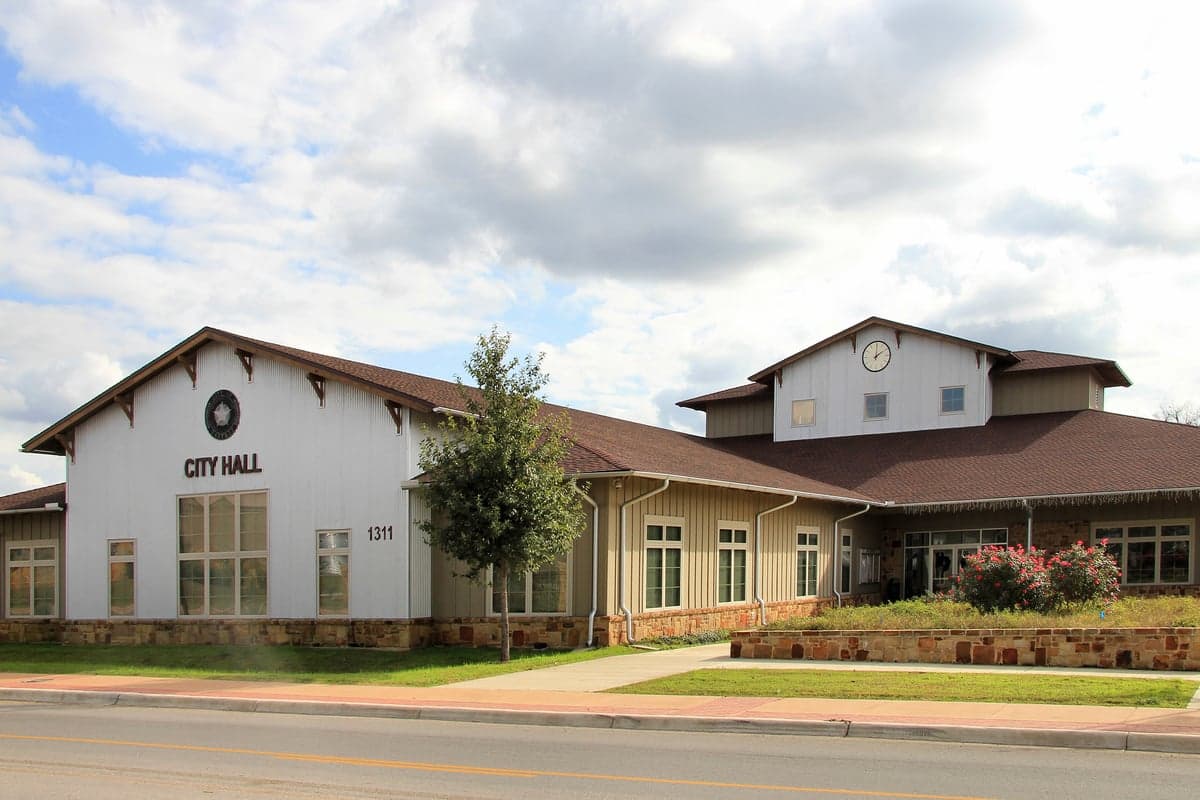
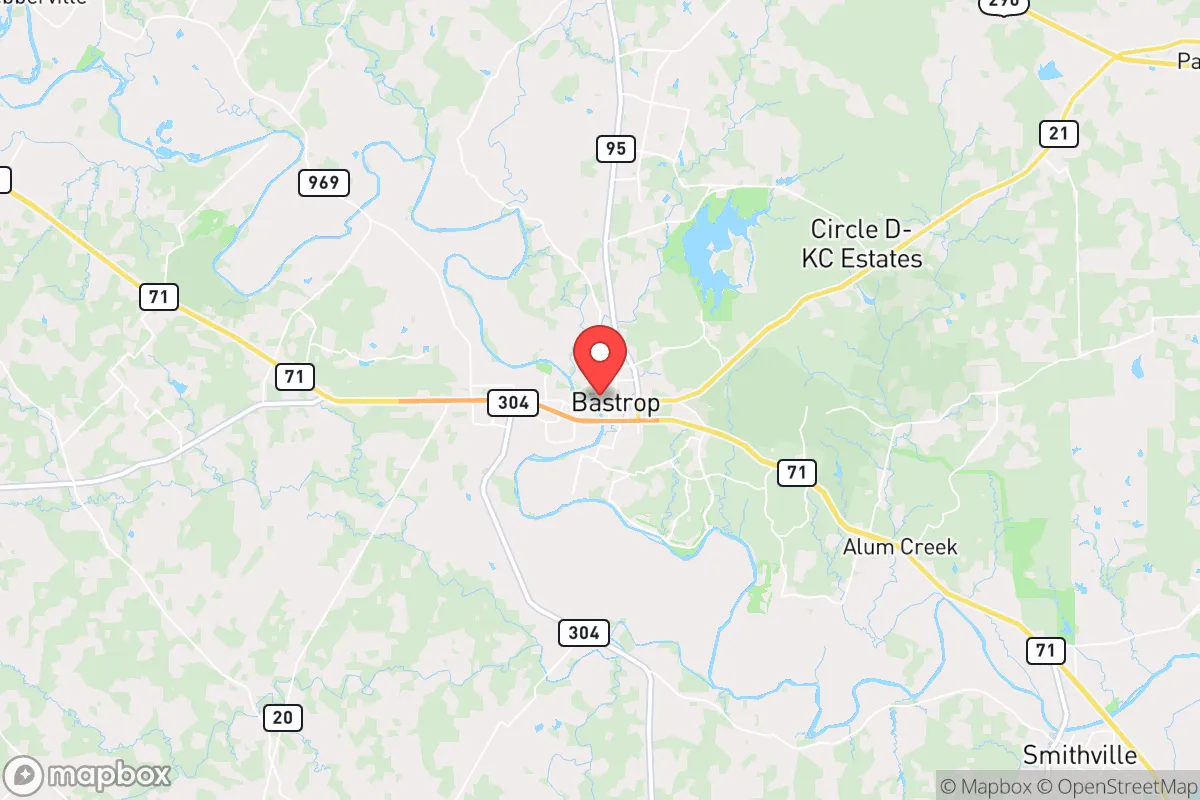

Photo: Wikipedia
Quality of Life in Bastrop, TX
Above-average quality of iife. The area offers a reasonable cost of living, decent mobility, and a mix of neighborhood amenities.
What does Quality of Life tell us?
Quality of Life blends cost of living, nearby amenities, socioeconomic signals, and neighborhood character. City-level scores represent the whole municipality; individual neighborhoods can differ.
What does this tell us?
Quality of Life blends cost of living, nearby amenities, socioeconomic signals, and neighborhood character. City-level scores represent the whole municipality; individual neighborhoods can differ.
Cost of Living
15% above national average
The Real Cost of Living in Bastrop, TX for 2026
| Tier | Individual | Family (4) |
|---|---|---|
| Survival | $22k | $42k |
| Comfortable | $60k | $88k |
| Luxury | $121k+ | $188k+ |
| Elite (Top 5%) | $142k+ | $221k+ |
80%
The Area Signal
A metric tracking the socioeconomic signals of the area.
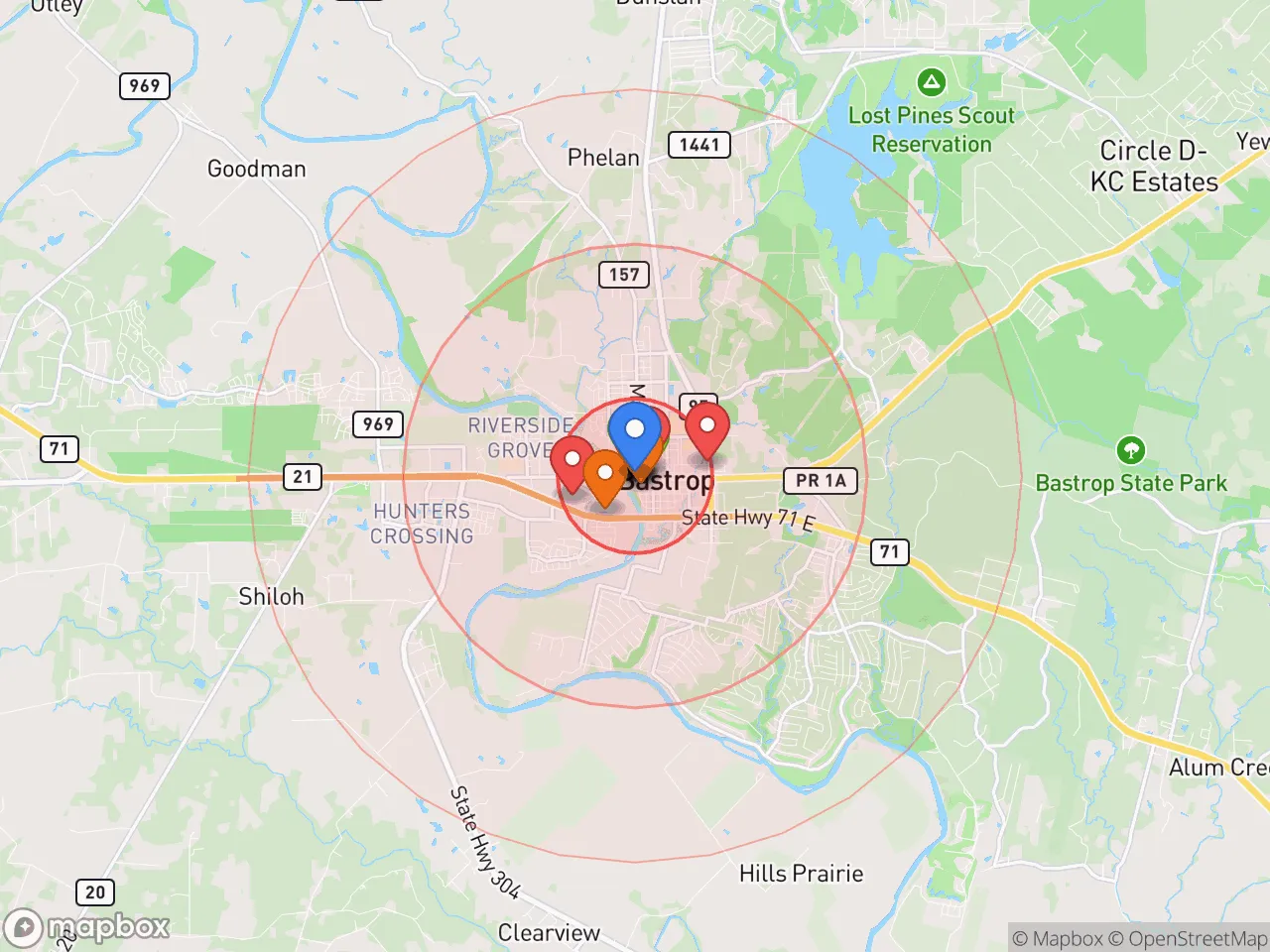
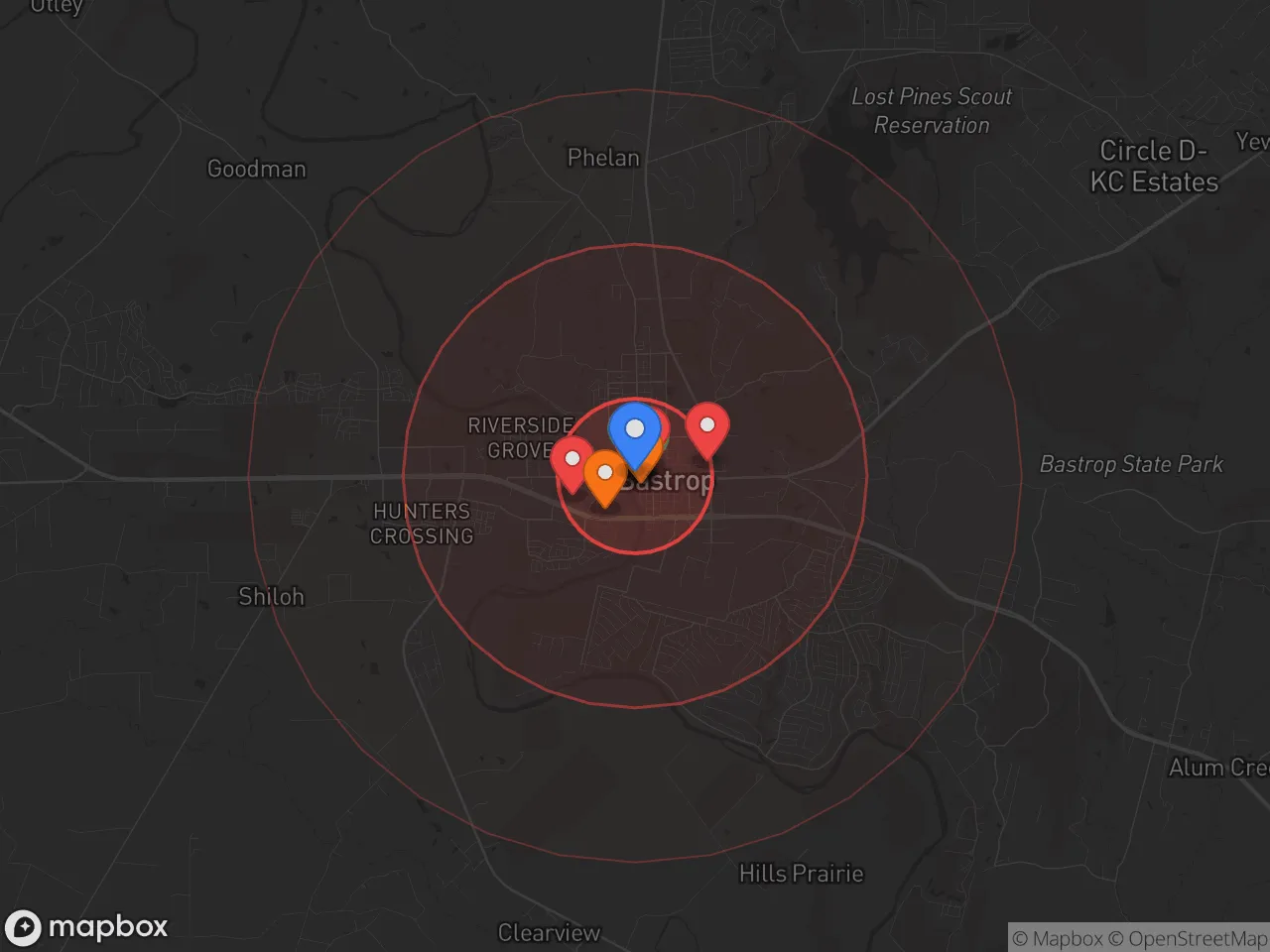
Hobbies
Explore the areaGroceries
2 within 10 miles
Gas
20 within 10 miles
Hospital
3 within 20 miles
Airport
AUS — Austin-Bergstrom International
Post Office
USPS — Bastrop, TX
Critical Amenities
Quality-of-Life Analysis
Bastrop, Texas, presents a quality of life shaped by its role as a more affordable, slower-paced alternative to the booming Austin metro, attracting a mix of families, remote workers, and retirees who value space and nature over urban intensity. With a cost of living index of 115 (15% above the U.S. average), Bastrop is notably cheaper than Austin (index ~130) but pricier than more rural outposts like Elgin or Lockhart. The population skews middle-to-upper-middle class, with a median household income around $68,000, and the demographic profile is predominantly white (65%) with a significant Hispanic/Latino community (30%), reflecting the area’s historic roots and recent suburban influx.
Cost of living, housing, and affordability compared to Austin and surrounding areas
Housing is the primary driver of Bastrop’s cost advantage relative to Austin. The median home value sits at $308,300, roughly half the Austin metro median of $550,000, while the median rent of $1,387 undercuts Austin’s $1,800 average by about 23%. This gap makes Bastrop one of the few remaining affordable bedroom communities within a reasonable commute of Austin’s job centers. However, prices have risen sharply since 2020—home values jumped nearly 40%—narrowing the gap with nearby towns like Kyle ($340,000 median) and Buda ($375,000). Property taxes in Bastrop County average 2.1% of assessed value, slightly above the state median, which adds roughly $6,500 annually on a median-priced home. Renters face a tighter market, with vacancy rates below 5%, pushing rents up 8% year-over-year. For buyers, the trade-off is clear: lower purchase prices but higher tax burdens than in Travis County, where rates hover around 1.8%.
Local amenities, schools, and what daily life is like for families
Daily life in Bastrop revolves around its historic downtown, the Colorado River corridor, and a network of parks that anchor a slower, outdoor-oriented rhythm. The Bastrop Independent School District serves most families, with Bastrop High School rated a 6/10 on GreatSchools—solid but not elite, with a 92% graduation rate and limited Advanced Placement offerings compared to Austin’s top-tier schools. Private options include St. Mary’s Catholic School and the nearby Veritas Academy. For errands and dining, downtown offers local staples like Neighbor’s Kitchen & Yard and the Bastrop Brewing Company, while big-box retail clusters along State Highway 71 near the Lowe’s and H-E-B. The average commute of 28 minutes is manageable, though it can stretch to 45 minutes during peak hours for those driving to Austin’s tech hubs. The Lower Colorado River Authority’s McKinney Roughs Nature Park and Bastrop State Park provide immediate access to hiking, kayaking, and camping, making the area a draw for families who prioritize outdoor recreation over nightlife. Healthcare is served by the 25-bed Bastrop Hospital (part of St. David’s HealthCare), but specialists often require a 30-minute drive to Round Rock or Austin.
Who would thrive here? Bastrop suits those who want a quieter, nature-adjacent lifestyle within striking distance of a major city—particularly families seeking affordable single-family homes, remote workers who can tolerate a 28-minute commute to Austin’s core, and retirees drawn to the historic charm and lower crime rates (violent crime is 30% below the Texas average). It is less ideal for young professionals seeking dense urban amenities, top-tier public schools, or a vibrant nightlife scene. The trade-off is clear: lower housing costs and open space in exchange for longer commutes, higher property taxes, and fewer immediate conveniences than Austin proper.

Crime in Bastrop, TX
Generally safer than 60% of comparable U.S. locations.
Violent CrimeViolent Crime Analysis
Property CrimeProperty Crime Analysis
Crime Analysis
Bastrop, Texas, reports a violent crime rate of 456.5 per 100,000 residents and a property crime rate of 2,841.8 per 100,000, placing it above both state and national averages for communities of its size. While the city retains a small-town feel, these figures indicate that property theft and assault are more common than in many neighboring suburbs. The overall safety picture is mixed: residents benefit from a visible police presence and low rates of gang-related homicide, but must contend with elevated risks of burglary and vehicle theft compared to the Texas average.
Crime in context
Bastrop’s violent crime rate is roughly 25% higher than the national average of roughly 380 per 100,000, driven primarily by aggravated assault incidents. Property crime, at nearly 2,842 per 100,000, exceeds the U.S. median by about 40%, with larceny-theft and motor vehicle theft being the most frequent offenses. These numbers place Bastrop in a higher-risk tier than nearby communities like Elgin or Smithville, though it remains safer than downtown Austin. A key concern for residents is the influence of progressive judicial policies in Travis County, which encompasses Bastrop’s legal jurisdiction. Liberal district attorneys and judges in the region have implemented diversion programs and reduced bail requirements, leading to quicker release of repeat property offenders. This approach, while intended to reduce incarceration, has been linked to higher recidivism for theft and burglary, directly impacting Bastrop homeowners and small businesses.
What residents experience
Daily life in Bastrop involves a heightened awareness of property security. Residents commonly report package theft, vehicle break-ins, and occasional porch piracy, especially near the downtown historic district and along Highway 21. Violent crime is less random: most aggravated assaults occur between acquaintances or in domestic settings, with stranger-on-stranger violence being relatively rare. The Bastrop Police Department has responded by increasing patrols in commercial corridors and launching a neighborhood watch program, but staffing shortages limit proactive enforcement. For families, the practical impact means investing in home security systems, avoiding leaving valuables in cars, and staying informed about local crime alerts. The progressive justice system’s emphasis on rehabilitation over punishment means that offenders convicted of property crimes often serve minimal jail time, a pattern that frustrates victims seeking restitution or a sense of safety.
Neighborhood-level variation is significant. The Pine Forest and Tahitian Village subdivisions report lower crime rates, benefiting from gated entries and active homeowners’ associations. In contrast, areas near the Colorado River crossing and the downtown core see higher incident volumes, particularly for theft and vandalism. Prospective residents should research specific block-level data through the Bastrop Police Department’s online crime map, as a single street can shift from low-risk to high-theft within a few blocks. Overall, Bastrop demands a cautious approach to personal and property safety, with the understanding that local judicial leniency may undermine traditional deterrents.
* Values derived from national, state, county, city and local statistics and may differ in a specific area. Last updated: 2026-05-12T00:00:19.000Z
Narrative content on this page is AI-generated and may contain mistakes. Verify any details that matter before acting on them.
ReloMaps may earn a commission from affiliate links at no extra cost to you.

