 Popular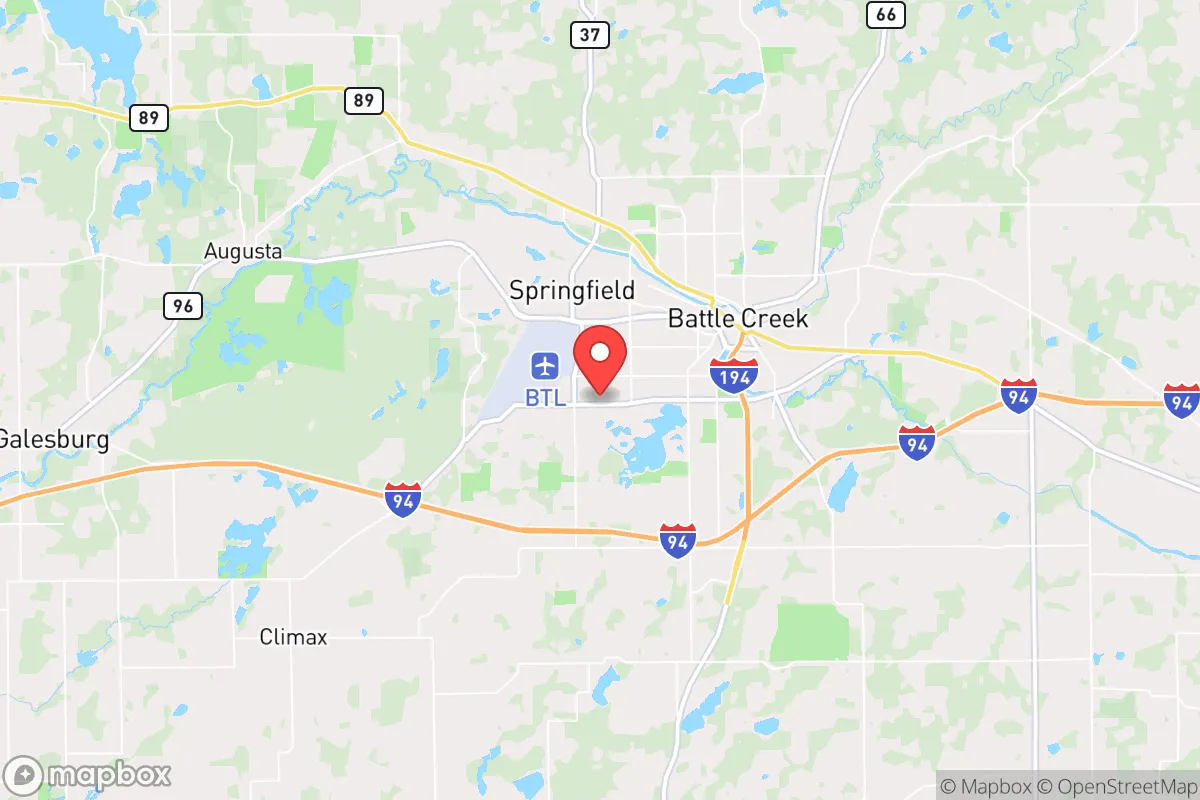
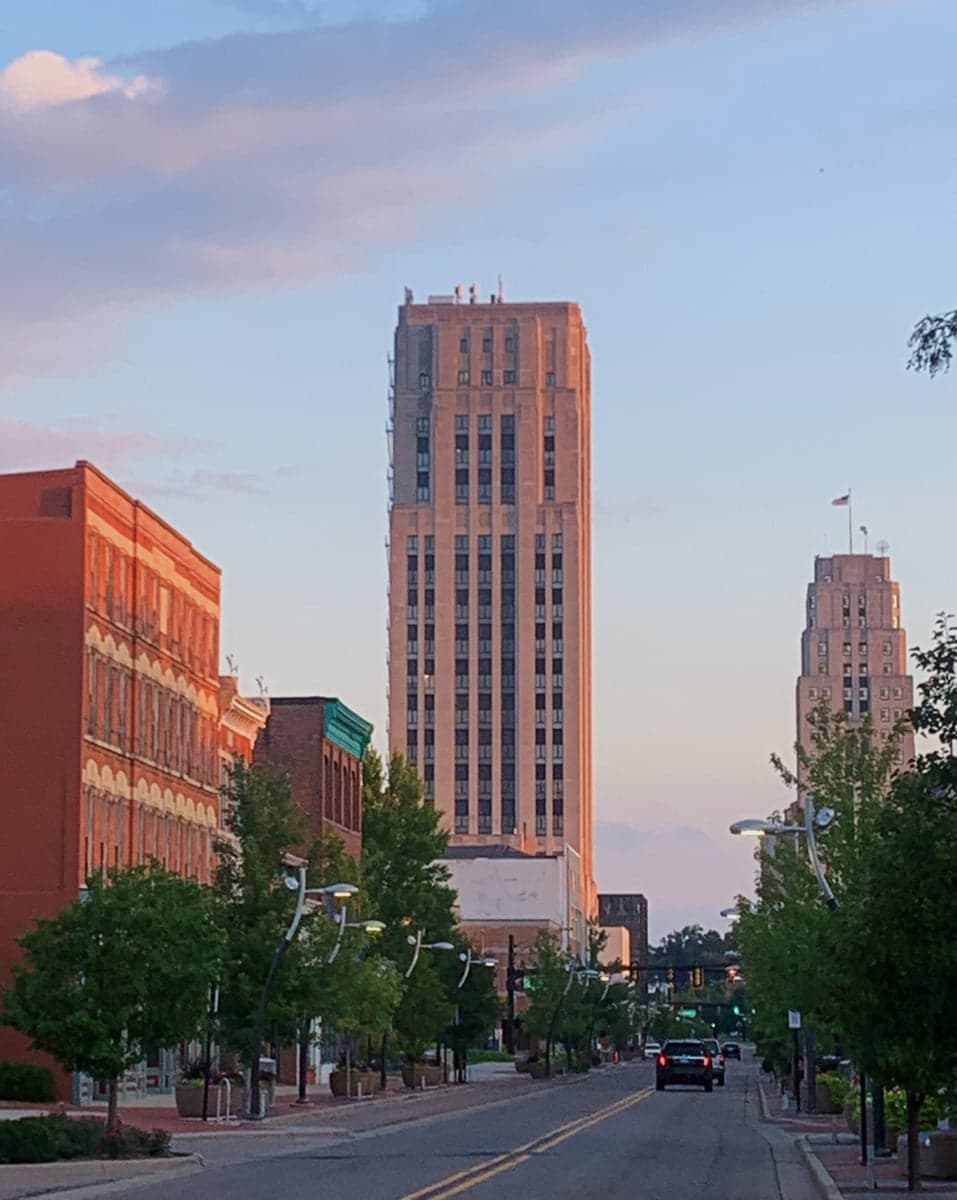
Photo: Wikipedia
Political ClimatePolitical Climate in Battle Creek, MI
District shown is the primary district for this city’s centroid. Cities may span multiple districts.
Local Political AnalysisPolitical Analysis of Battle Creek, MI
Battle Creek, Michigan, sits in a political landscape that’s shifted noticeably over the past decade. Historically, this was a union-heavy, blue-collar town that leaned Democratic, but the surrounding Calhoun County has trended right, earning a Cook PVI of R+3 — meaning it’s about three points more Republican than the nation as a whole. That’s a real change from twenty years ago, when the area was more of a toss-up. The city itself still votes reliably Democratic in local races, but the county’s rural and suburban precincts have pulled the overall tilt red. You can feel that tension when you talk to folks at the hardware store or the VFW hall: a lot of people here are tired of what they see as government overreach, whether it’s pandemic-era mandates or new zoning rules that feel like they’re coming from Lansing without local input.
How it compares
Michigan as a whole is rated EVEN on the Cook PVI, meaning it’s a pure swing state. Battle Creek’s R+3 puts it slightly to the right of the state average, which is a big shift from the 2000s when Calhoun County was often a bellwether that mirrored the state’s purple status. Compare that to nearby Kalamazoo, which leans heavily Democratic (D+7 or so), or Ann Arbor, which is deep blue. Drive east to Jackson, and you’ll find a more conservative vibe, but Battle Creek sits in a kind of middle ground — not as red as rural towns like Marshall or Albion, but definitely not as blue as the college towns. The real contrast is with the state’s progressive strongholds: while Michigan’s overall EVEN rating reflects a balance, Battle Creek’s R+3 suggests a local resistance to the kind of progressive policies that have been pushed in Detroit or Grand Rapids. You see it in local elections, where school board and county commission races often hinge on issues like parental rights and property taxes.
What this means for residents
For someone living here, the political climate means you’ve got a bit more breathing room from the kind of top-down mandates that can feel suffocating in more liberal areas. The county commission has been skeptical of state-level environmental regulations that would hit local farms and small manufacturers, and there’s a general wariness about Lansing’s appetite for new gun laws or business restrictions. That said, the city council in Battle Creek proper has pushed some progressive initiatives — like a non-discrimination ordinance a few years back — that stirred up real debate. If you value personal freedoms, especially around property rights, school choice, or Second Amendment issues, you’ll find more allies in the county’s rural precincts than in the city limits. The trajectory is concerning if you watch the state legislature: Michigan’s recent shift to Democratic control in 2023 brought a wave of new laws on labor and energy that many locals see as overreach. Battle Creek’s R+3 lean might not be enough to stop that tide, but it does mean local officials are more likely to push back.
Culturally, Battle Creek still has that Midwestern, mind-your-own-business feel, but you can see the fault lines. The old Kellogg’s factory jobs that anchored the community are mostly gone, replaced by a more service-based economy, and that’s changed the political conversation. You’ll hear folks grumble about property taxes creeping up or new housing developments that feel like they’re designed for outsiders. The real distinction from the rest of Michigan is that Battle Creek hasn’t fully embraced either the urban progressivism of Detroit or the rural conservatism of the Thumb — it’s a place where you can still have a reasonable conversation about taxes or schools without it turning into a shouting match. But keep an eye on the next few election cycles: if the state keeps pushing mandates on energy or education, you might see that R+3 number creep higher as more residents push back.

State Political ClimatePolitical Climate in Michigan
State Political AnalysisPolitical Environment in the State
Michigan is a genuine battleground state, with a Cook PVI of EVEN that perfectly captures its split personality. Over the past 20 years, the state has lurched from reliably blue (voting for Democrats in every presidential election from 1992 to 2012) to a true toss-up after Donald Trump flipped it in 2016, then back to Biden by a slim 2.8 points in 2020. The dominant coalition is a fragile one: the heavily unionized, diverse population of Southeast Michigan (Detroit, Ann Arbor, Flint) pulls the state left, while the rest of the Lower Peninsula and the entire Upper Peninsula have swung hard right. For a conservative considering a move, the key takeaway is that Michigan is not a lost cause, but it is a state where your vote and your voice matter intensely—and where the political terrain can shift dramatically from one county to the next.
Urban vs. rural divide
The political map of Michigan is a study in stark contrasts. The entire engine of Democratic power is concentrated in a handful of counties: Wayne (Detroit), Washtenaw (Ann Arbor), Oakland (suburban Detroit), and Ingham (Lansing). These four counties alone delivered roughly 70% of Biden’s 2020 margin. Drive 30 minutes outside of any of these urban cores, and you enter a different world. The "Blue Wall" of the Upper Peninsula—historically Democratic due to mining unions—has crumbled; counties like Gogebic and Iron that once voted for Obama now go +20 to +30 for Trump. The western side of the state, from Grand Rapids down to the Indiana border, is solidly conservative, with Ottawa and Kent counties (Grand Rapids suburbs) being GOP strongholds. The Thumb region and the central Lower Peninsula (Gladwin, Clare, Osceola) are deep red. The most politically distinct suburbs are places like Rochester Hills and Macomb County (home to the famous "Macomb County Reagan Democrats"), which have trended rightward as union loyalty has faded. If you want a conservative-friendly environment, look to Midland, Traverse City, or the Grand Rapids metro area—but be aware that even these areas have liberal pockets, especially near college campuses.
Policy environment
Michigan’s policy environment has shifted sharply left since Democrats took full control of state government in 2023. The state income tax is a flat 4.25%, which is moderate, but the overall tax burden is high due to a 6% sales tax and some of the highest auto insurance rates in the country (though reforms in 2019 helped). The regulatory posture is increasingly burdensome: Governor Gretchen Whitmer signed a repeal of the state’s "right-to-work" law in 2023, a major blow to individual freedom in the workplace. Education policy is dominated by the powerful Michigan Education Association (MEA) teachers union, which has fought school choice and charter school expansion. The state has a universal background check law for firearm purchases (passed in 2023) and a "red flag" law that allows for temporary seizure of guns without due process. Election laws are relatively open: no voter ID requirement for absentee ballots (though ID is needed to vote in person), and same-day voter registration is allowed. For a conservative, the policy environment is trending in the wrong direction, with the state government actively expanding its reach into personal decisions.
Trajectory & freedom
Michigan is becoming less free by any objective measure, especially since the 2022 election gave Democrats a trifecta. The most concerning legislation for personal liberty is the 2023 gun control package: it mandates universal background checks on all firearm transfers (including private sales), requires safe storage of firearms, and creates a "red flag" Extreme Risk Protection Order (ERPO) law that allows a judge to disarm someone based on a complaint from a family member or law enforcement—with no criminal charge required. Parental rights have taken a hit with the expansion of the LGBTQ+ curriculum in public schools and the removal of parental opt-out provisions for certain sex education materials. Medical autonomy was curtailed when the state imposed strict COVID-19 vaccine mandates for healthcare workers, though those have since been lifted. On the positive side, Michigan has no state-level property tax on personal property (business equipment), and the state’s "Headlee Amendment" caps property tax increases. But the overall trajectory is clear: the state government is becoming more interventionist in your daily life, especially regarding your Second Amendment rights and your children’s education.
Civil unrest & political movements
Michigan has been a flashpoint for political activism on both sides. The most visible event was the 2020 "Operation Gridlock" protest in Lansing, where thousands of armed citizens surrounded the state capitol to protest Governor Whitmer’s COVID-19 lockdown orders—a moment that put Michigan on the national map for conservative resistance. On the left, the "Wolverine Watchmen" militia plot to kidnap the governor in 2020 was a dark echo of that tension. Immigration politics are less intense than in border states, but the city of Ann Arbor is a declared "sanctuary city," and Detroit has similar policies. Election integrity remains a hot-button issue: the 2020 election in Michigan was marred by the "Robocallgate" scandal (fake robocalls targeting Black voters) and the later revelation of unauthorized access to voting machines in several counties by outside contractors. The "Antrim County" voting machine error (a software glitch that initially showed Biden winning a heavily Trump county) became a national talking point. A new resident will notice that political signs and flags are ubiquitous, especially in rural areas, and that local politics can be intensely personal. The "Michigan Conservative Coalition" and "Moms for Liberty" chapters are active in many school districts.
Projection
Over the next 5-10 years, Michigan is likely to remain a competitive battleground, but the demographic trends favor the left. The urban cores of Detroit, Ann Arbor, and Grand Rapids are growing, while many rural counties are losing population. The in-migration from other states is modest, but the people moving in tend to be younger and more liberal, drawn to the Great Lakes lifestyle and lower cost of living compared to the coasts. The Republican Party in Michigan is fractured between the "Trump wing" and the more establishment "DeVos wing," which has hurt its ability to win statewide races. However, the state’s electoral map is still close enough that a strong GOP candidate can win—as Trump did in 2016. The most likely scenario is that Michigan remains a purple state, with control of the legislature and governor’s office flipping every few cycles. For a conservative moving in now, expect to live in a state where your values are constantly debated, where you’ll need to be politically engaged to protect your rights, and where your local community (especially in the western or northern parts of the state) can be a refuge from the progressive policies coming out of Lansing.
For a new resident, the bottom line is this: Michigan offers a high quality of life with beautiful natural resources and a reasonable cost of living, but it is not a "free" state in the conservative sense. You will need to be vigilant about your gun rights, your children’s education, and your tax burden. If you choose to live in a conservative stronghold like Grand Rapids, Traverse City, or Midland, you can find like-minded neighbors and local governments that push back against the state’s leftward drift. But if you move to Ann Arbor or Detroit, you will be living in a blue bubble where progressive policies are the norm. The state as a whole is a battleground, and your presence—and your vote—can make a real difference in keeping it from sliding further left.
* Values derived from national, state, county, city and local statistics and may differ in a specific area. Last updated: 2026-05-04T07:51:01.000Z
Narrative content on this page is AI-generated and may contain mistakes. Verify any details that matter before acting on them.
ReloMaps may earn a commission from affiliate links at no extra cost to you.

