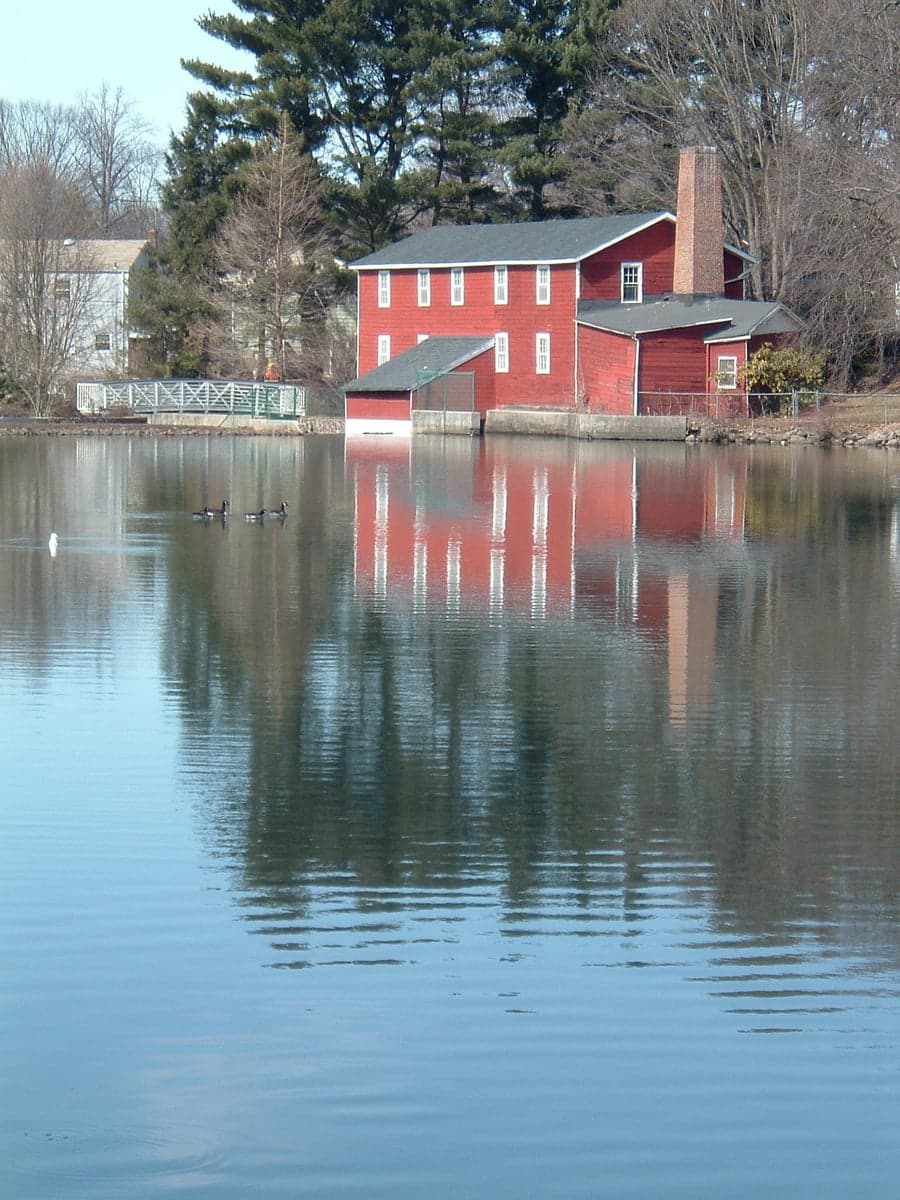
Photo: Wikipedia
Political ClimatePolitical Climate in Bergenfield, NJ
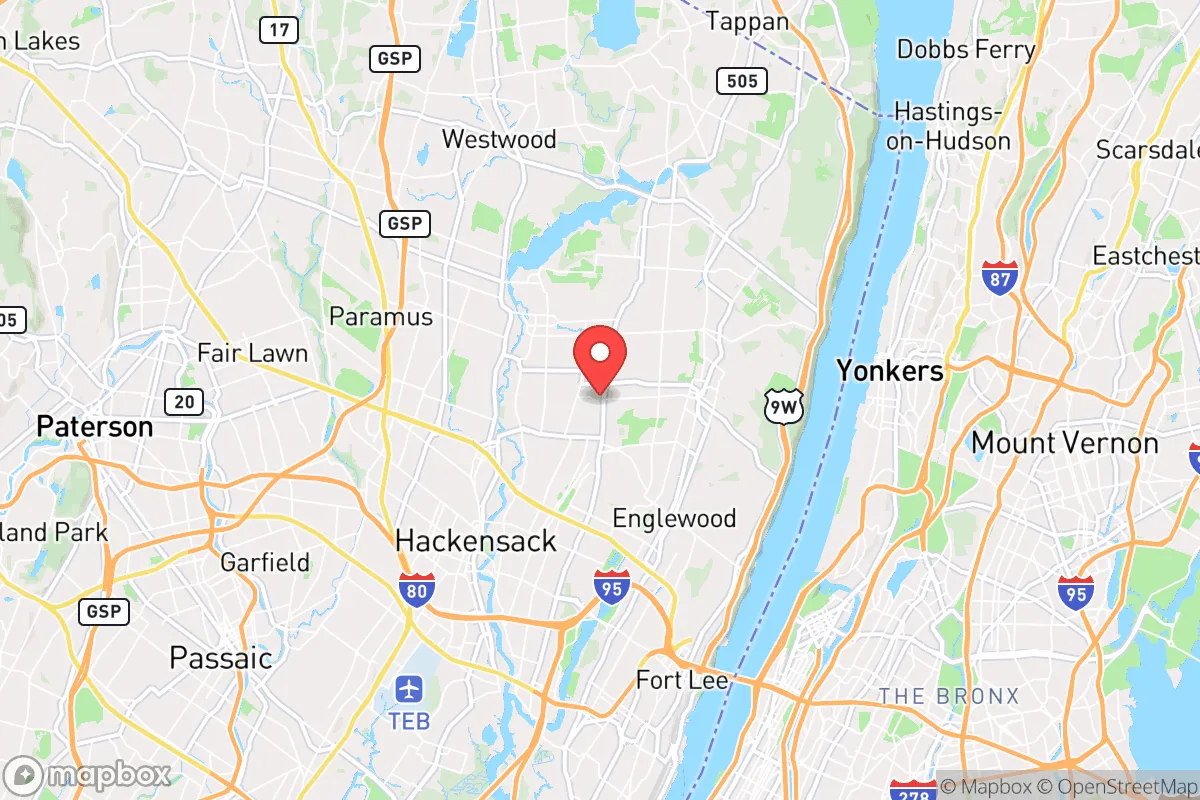
District shown is the primary district for this city’s centroid. Cities may span multiple districts.
Local Political AnalysisPolitical Analysis of Bergenfield, NJ
Bergenfield’s political climate has shifted noticeably over the past decade, and if you’ve lived here as long as I have, you’ve felt it. The town’s Cook Partisan Voting Index (PVI) sits at D+2, meaning it leans slightly Democratic compared to the national average, but that number doesn’t tell the full story. In local elections, the balance of power has tilted toward progressive-leaning candidates, especially on the borough council, where issues like zoning density, school funding, and police oversight have become flashpoints. The real concern isn’t just the party label—it’s the growing appetite for government solutions to problems that used to be handled by families, churches, and small businesses. That’s the shift that keeps longtime residents like me watching the voting returns a little more closely each cycle.
How it compares
Bergenfield sits in a political sandwich. Drive ten minutes east to Tenafly or Englewood, and you’re in deep-blue territory—those towns vote D+15 or higher, with city councils that have embraced rent control, sanctuary policies, and progressive school board agendas. Head west to Dumont or New Milford, and you’ll find communities that lean more purple, with a stronger independent streak and less appetite for top-down mandates. The contrast is starkest on school issues: Bergenfield’s board has pushed for expanded DEI training and gender-inclusive curriculum changes, while neighboring towns like River Edge have kept those debates more restrained. What worries me is that Bergenfield’s D+2 label masks a trend—the town’s moderate Democratic majority is aging out, and younger transplants from New York City are bringing big-government habits with them. The 2024 election saw a 12-point swing toward progressive candidates in local races compared to 2020, even as national sentiment shifted rightward. That’s not a blip; it’s a trajectory.
What this means for residents
For the average family here, the political drift has real consequences. Property taxes in Bergenfield already run about $9,500 annually on a median home, and the council’s recent push for a “sustainable energy” ordinance—mandating solar panels on new construction and electric-only municipal vehicles—will add costs that get passed straight to homeowners. Small business owners are feeling it too: the borough’s new paid-leave mandate for part-time workers, passed in 2025, hit local shops harder than the big-box stores that could absorb the expense. On the personal freedom side, the council’s 2024 resolution declaring Bergenfield a “Second Amendment Preservation Area” was vetoed by the mayor, a move that signaled where the real power lies. If you value keeping government out of your garage, your child’s classroom, and your paycheck, the trend here is worth watching—and voting against.
Culturally, Bergenfield still has a strong backbone of civic pride—the annual Bergenfield Street Fair and the volunteer fire department draw crowds that cross political lines. But the policy distinctions are growing sharper. The borough’s decision in 2025 to opt into the state’s “sanctuary” guidelines for undocumented residents, despite a vocal opposition campaign, was a turning point for many of us. It wasn’t just about immigration; it was about the principle of local control. In the long run, if the council keeps chasing progressive grants from Trenton and ignoring the quiet majority who just want lower taxes and fewer mandates, Bergenfield risks becoming another Englewood—a place where the government knows best, and your wallet and your rights pay the price. For now, it’s still a good town, but the political weather is changing, and you’d better bring a coat.

State Political ClimatePolitical Climate in New Jersey
State Political AnalysisPolitical Environment in the State
New Jersey has long been a reliably blue state in presidential elections, with Democrats winning the state by double digits in every cycle since 2008, but the picture is more complicated beneath the surface. The state's overall partisan lean is driven overwhelmingly by the densely populated northeastern corridor, while much of the rest of the state has shifted rightward over the past decade. For a conservative considering relocation, the key takeaway is that New Jersey is a state of stark political contrasts, where your experience will depend almost entirely on which county and town you choose to call home.
Urban vs. rural divide
The political map of New Jersey is a tale of two states. The urban core—Newark, Jersey City, Paterson, and Elizabeth—votes overwhelmingly Democratic, often delivering 75-85% of the vote to Democratic candidates. These cities are powered by dense populations, strong union presence, and large minority communities that reliably turn out for the party. The suburban ring around New York City, particularly Bergen, Essex, and Hudson counties, has become increasingly Democratic as well, driven by professional-class transplants and growing diversity. In contrast, the rural and exurban areas of South Jersey and the northwestern part of the state lean heavily Republican. Ocean County, for example, voted +22 points for Donald Trump in 2020, while neighboring Burlington County has flipped from reliably red to a competitive swing county. The state's most conservative strongholds are in the Pine Barrens region, including towns like Lumberton, Medford, and Tabernacle, where gun rights and low taxes are paramount. The divide isn't just geographic—it's cultural. A resident of Hunterdon County (Trump +15 in 2020) lives in a fundamentally different political universe from someone in Essex County (Biden +45).
Policy environment
New Jersey's policy environment is among the most progressive in the nation, and it shows in the tax code. The state has the highest property taxes in the country, with an average effective rate of 2.23%, and a progressive income tax that tops out at 10.75% for income over $1 million. Governor Phil Murphy signed a "millionaires' tax" increase in 2020, pushing the top rate even higher. The regulatory posture is aggressive: New Jersey has some of the strictest environmental regulations in the country, a statewide plastic bag ban, and a $15 minimum wage that was phased in by 2024. On education, the state spends more per pupil than almost any other, but the results are uneven—wealthy suburbs like Millburn and Princeton have world-class schools, while urban districts struggle. Healthcare is heavily regulated, with a state-based health insurance exchange and strict certificate-of-need laws that limit new hospital construction. Election laws are among the most liberal: no-excuse mail-in voting, automatic voter registration, and same-day registration are all in place. For a conservative, the policy environment feels like a constant headwind, especially on taxes and business regulation.
Trajectory & freedom
The trajectory in New Jersey is clearly toward less personal freedom, particularly in areas that matter most to conservatives. In 2022, the state passed a sweeping gun control package that banned .50 caliber rifles, required liability insurance for gun owners, and limited where firearms can be carried—one of the strictest such laws in the nation. On parental rights, the state has moved aggressively in the opposite direction: a 2024 law prohibits school districts from notifying parents if a child changes their gender identity or pronouns, overriding local control. Medical autonomy has been curtailed by strict vaccine mandates for schoolchildren and healthcare workers, and the state maintained some of the longest-lasting COVID-19 restrictions in the country. Property rights are under constant pressure from the state's powerful planning apparatus, which can override local zoning decisions for affordable housing projects. The state's "Mount Laurel" doctrine has been used to force towns to build high-density housing, often overriding local opposition. On the positive side for conservatives, New Jersey has no state-level rent control (though some cities do), and the state's right-to-work status remains absent—meaning union membership can be mandatory in many workplaces. The overall trend is unmistakable: more regulation, higher taxes, and less local control.
Civil unrest & political movements
New Jersey has seen its share of political flashpoints. The Black Lives Matter protests in 2020 were large and sometimes violent in Newark and Trenton, leading to property damage and a lasting sense of unease in those cities. On the right, the state has a small but vocal Second Amendment movement, with groups like the New Jersey Second Amendment Society organizing regular rallies at the statehouse. Immigration politics are a major fault line: New Jersey is a "sanctuary state" under a 2018 executive order from Governor Murphy, which limits cooperation between local law enforcement and federal immigration authorities. This has created tension in towns like Freehold and Perth Amboy, where large immigrant populations have changed the demographic landscape rapidly. Election integrity has been a persistent concern among conservatives, especially after the 2020 election saw widespread use of mail-in ballots without the strict signature verification requirements that exist in other states. The state's Democratic machine, particularly in Hudson and Essex counties, has a long history of patronage and corruption that remains a source of frustration for many residents. A new resident will notice that political signs and bumper stickers are far less common than in swing states—many conservatives keep their views private to avoid social friction.
Projection
Over the next 5-10 years, New Jersey is likely to become even more Democratic at the state level, driven by continued in-migration from New York City and the naturalization of immigrant populations. The state's population is aging and slowly declining in many rural areas, while the urban and suburban cores continue to grow. The 2024 election saw Trump improve his margins in Ocean, Monmouth, and Sussex counties, but not enough to offset the Democratic strongholds. The state's tax burden is unsustainable in the long term, and there are signs that high-earning individuals and businesses are leaving for Florida, Texas, and Tennessee. However, the state's proximity to New York and Philadelphia, its excellent schools in certain districts, and its natural beauty in the northwest and shore areas will continue to attract people who prioritize those factors over political alignment. A conservative moving in now should expect to live in a state where their political views are in the minority, where taxes will likely rise further, and where local control over schools and zoning will continue to erode. The best bet for a conservative is to target the redder counties—Ocean, Sussex, Warren, and Hunterdon—where local government is more aligned with their values, even if the state government is not.
For a conservative considering New Jersey, the bottom line is this: you can find a community that shares your values, but you will be swimming against a strong state-level current. The taxes are high, the regulations are thick, and the political culture in many towns is openly hostile to conservative viewpoints. If you value low taxes, gun rights, and local control above all else, New Jersey is likely not the right fit. But if you need to be near New York or Philadelphia for work or family, and you're willing to pay a premium for good schools and natural beauty, there are pockets of the state—particularly in the rural northwest and the Pine Barrens—where you can build a good life while keeping your head down politically. Just know that the state government will be a constant adversary, not an ally.
* Values derived from national, state, county, city and local statistics and may differ in a specific area. Last updated: 2026-05-02T02:22:37.000Z
Narrative content on this page is AI-generated and may contain mistakes. Verify any details that matter before acting on them.
ReloMaps may earn a commission from affiliate links at no extra cost to you.

