
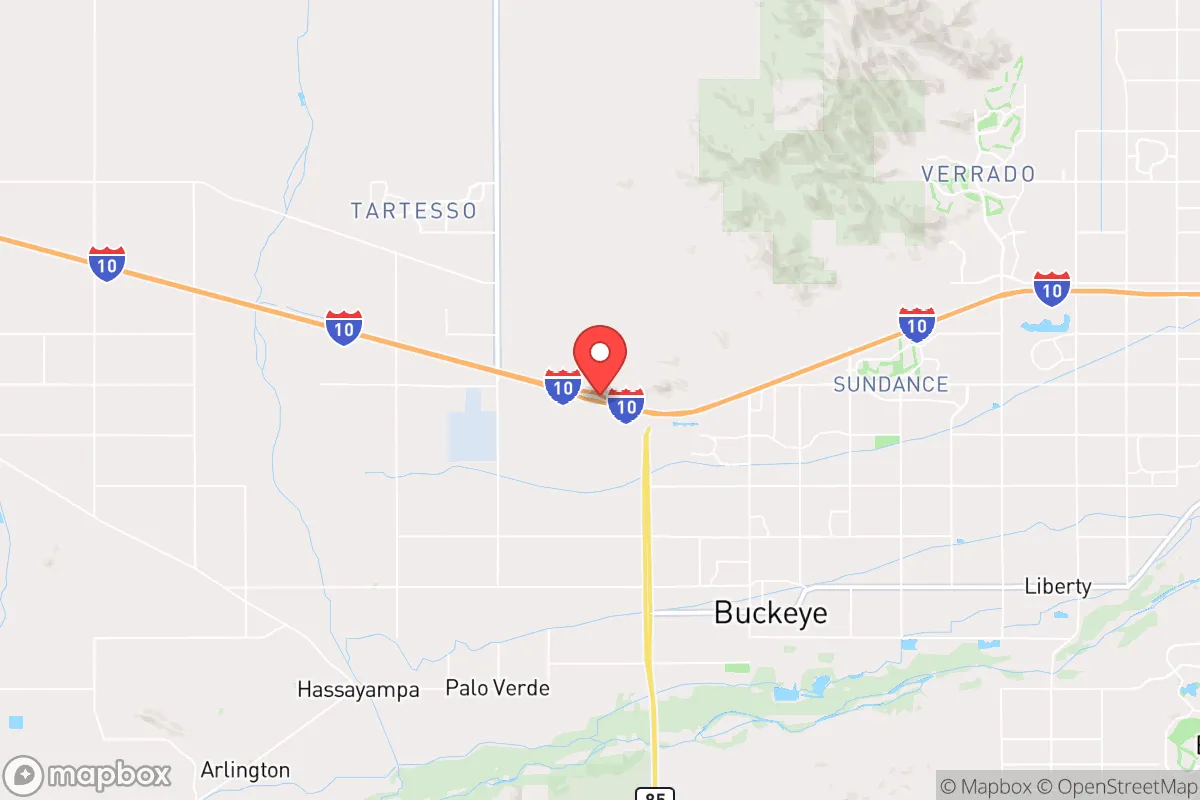
Photo by Emily Whitten on Unsplash
Quality of Life in Buckeye, AZ
A high quality of life with strong walkability, manageable living costs, healthy neighborhood signals, and solid amenity access.
What does Quality of Life tell us?
Quality of Life blends cost of living, nearby amenities, socioeconomic signals, and neighborhood character. City-level scores represent the whole municipality; individual neighborhoods can differ.
What does this tell us?
Quality of Life blends cost of living, nearby amenities, socioeconomic signals, and neighborhood character. City-level scores represent the whole municipality; individual neighborhoods can differ.
Cost of Living
44% above national average
The Real Cost of Living in Buckeye, AZ for 2026
| Tier | Individual | Family (4) |
|---|---|---|
| Survival | $28k | $52k |
| Comfortable | $75k | $110k |
| Luxury | $129k+ | $200k+ |
| Elite (Top 5%) | $152k+ | $236k+ |
90%
The Area Signal
A metric tracking the socioeconomic signals of the area.
Hobbies
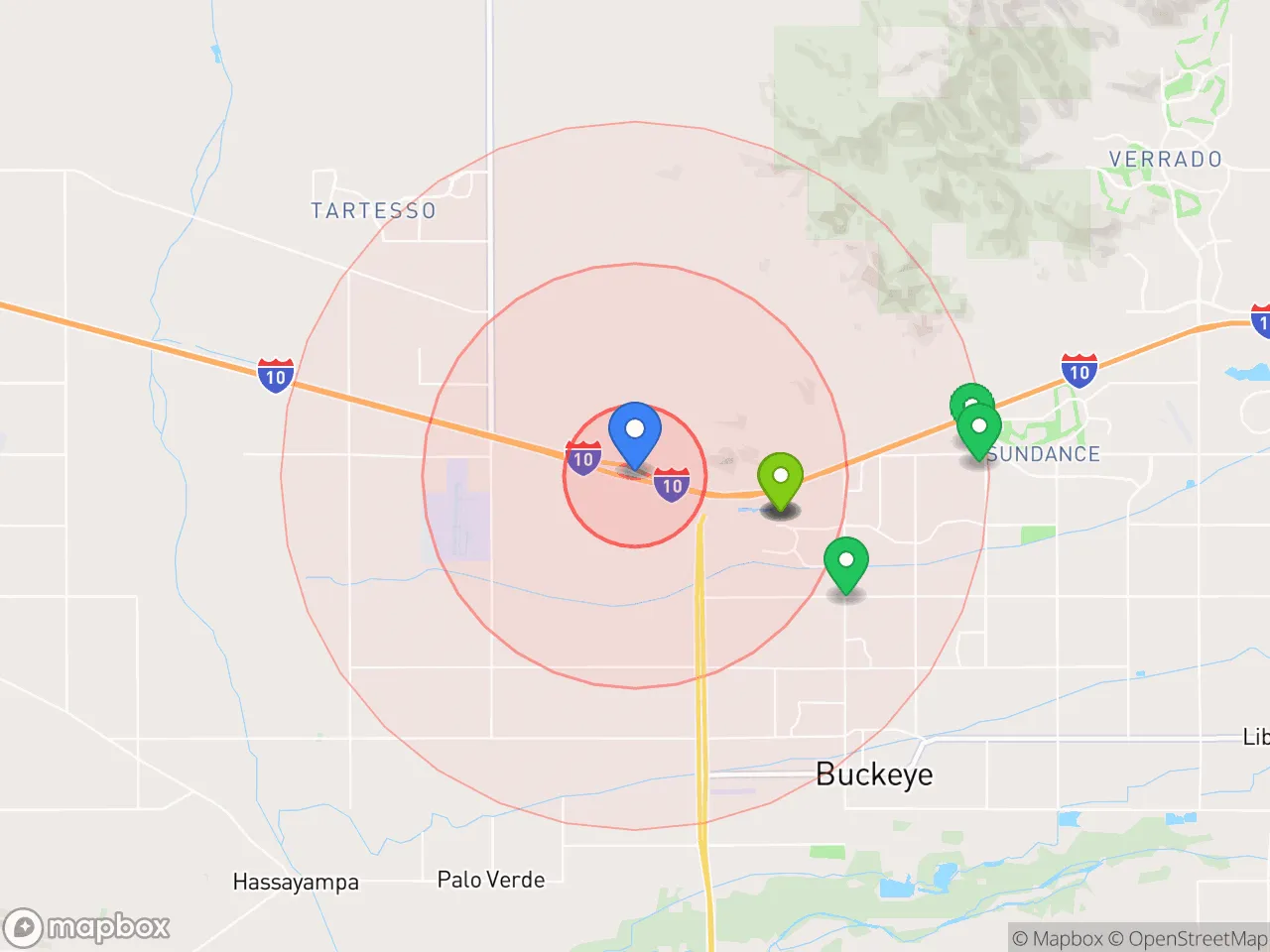
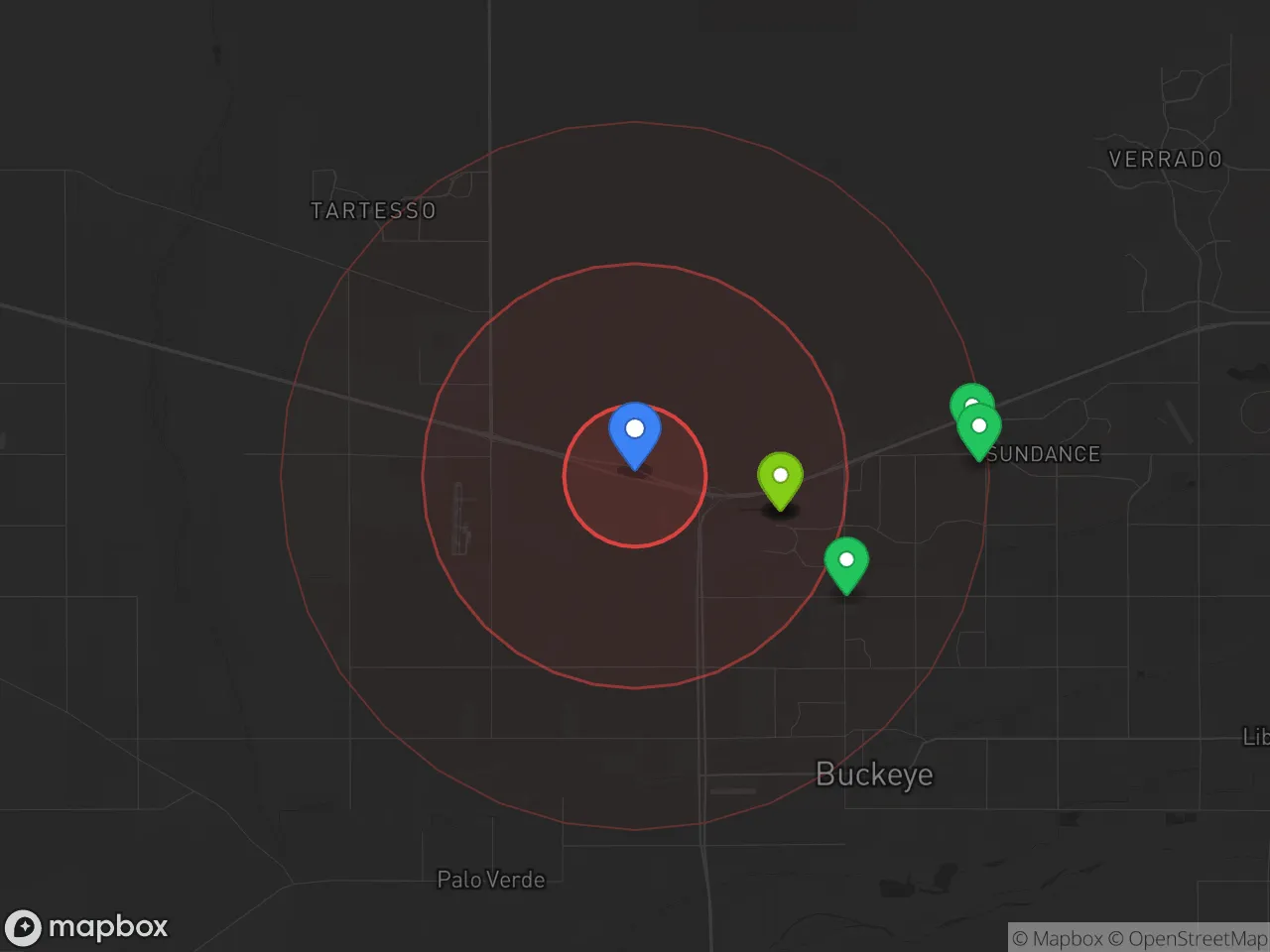
Explore the areaGroceries
4 within 10 miles
Gas
16 within 10 miles
Hospital
4 within 20 miles
Airport
PHX — Phoenix Sky Harbor International
Post Office
USPS — Buckeye, AZ
Critical Amenities
Quality-of-Life Analysis
Buckeye, Arizona, has evolved from a quiet agricultural town into one of the fastest-growing suburbs in the Phoenix metro area, attracting a demographic mix of young families, remote workers, and retirees seeking more space for their money. The city’s affluence is above the national average, with a cost of living index of 144 (where 100 equals the U.S. average), reflecting a premium for newer housing stock and proximity to the West Valley’s expanding employment hubs. Residents tend to be homeowners in master-planned communities, drawn by the promise of a suburban lifestyle with desert views, though the trade-off is a notably long average commute of 33.3 minutes to job centers in Phoenix, Goodyear, and Avondale.
Cost of living, housing affordability, and how Buckeye compares to nearby cities
Buckeye’s cost of living sits well above the national baseline, driven primarily by housing. The median home value is $384,100, which is roughly 10–15% lower than comparable newer suburbs like Surprise ($420,000) or Gilbert ($520,000), but significantly higher than older West Valley cities like Avondale ($350,000). Median rent in Buckeye is $1,742, which is competitive for a three-bedroom home in a master-planned community, though renters face limited inventory as most developments favor for-sale homes. Property taxes in Maricopa County average around 0.66% of assessed value, keeping monthly carrying costs lower than in states like Texas or Illinois. For buyers, the trade-off is clear: you get a newer, larger home for less than in Phoenix proper, but you pay for it in commute time and higher utility costs due to summer cooling demands. Compared to the national average, groceries and healthcare are also about 10% higher, reflecting the broader Phoenix metro’s inflation trends.
Amenities, schools, and what daily life is like for families in Buckeye
Daily life in Buckeye revolves around its master-planned communities—such as Verrado, Festival, and Sun City Festival—each offering HOA-managed parks, pools, and walking trails. The Buckeye Elementary School District and Buckeye Union High School District serve most families, with schools like Verrado High School earning a B+ rating from Niche, though many residents commute children to charter or private options in Goodyear or Litchfield Park. Retail and dining are concentrated along the I-10 corridor at the Buckeye Marketplace and Verrado’s town center, but for major shopping or entertainment, residents drive 20–30 minutes to Westgate Entertainment District in Glendale or the outlets in Surprise. The city’s recreation centers on outdoor activities: the Skyline Regional Park offers hiking and mountain biking, while the Buckeye Aquatic Center and multiple golf courses cater to families and retirees. The rhythm is car-dependent, with most errands requiring a drive, and the summer heat (averaging 106°F in July) limits outdoor time to early mornings or evenings.
Buckeye is best suited for buyers who prioritize a new, single-family home with a yard over urban convenience and who can tolerate a 30+ minute commute. Families with school-age children should research specific school boundaries carefully, as quality varies widely between the older downtown area and newer developments. Retirees in age-restricted communities like Sun City Festival will find a quieter, amenity-rich environment, while remote workers benefit from the space and lower home prices relative to Phoenix. Those seeking walkability, nightlife, or short commutes should look closer to the city center, but for anyone wanting a foothold in the growing West Valley with room to spread out, Buckeye delivers a practical, if sprawling, suburban lifestyle.

Crime in Buckeye, AZ
Lower crime rates than 85% of comparable U.S. locations.
Violent CrimeViolent Crime Analysis
Property CrimeProperty Crime Analysis
Crime Analysis
Buckeye, Arizona, reports a violent crime rate of 158.9 incidents per 100,000 residents and a property crime rate of 750.6 per 100,000, figures that position it as a relatively safe suburb within the sprawling Phoenix metropolitan area. However, the city’s proximity to Maricopa County’s larger urban centers means it is not immune to the regional crime trends shaped by the county’s justice system. Readers should be aware that Maricopa County has seen a shift toward progressive prosecution policies in recent years, which critics argue prioritize offender rehabilitation over public safety, potentially increasing the risk of repeat offenses in outlying communities like Buckeye.
Crime in context
Buckeye’s violent crime rate of 158.9 per 100,000 is roughly half the national average of 380 per 100,000 and significantly below the Arizona state rate of approximately 430 per 100,000. Property crime in Buckeye, at 750.6 per 100,000, also undercuts the national average of 1,954 per 100,000 and the state average of 2,100 per 100,000. These numbers suggest Buckeye is a lower-crime outlier in a state where overall crime rates have been elevated. However, the city’s rapid population growth—from 50,000 in 2010 to over 110,000 by 2025—has strained local law enforcement resources, and the broader metro area’s liberal-leaning district attorneys in Phoenix and surrounding jurisdictions have been criticized for plea deals that release property crime offenders quickly, a factor that may affect Buckeye as it becomes more connected to the regional economy.
What residents experience
Residents of Buckeye most commonly encounter property crimes such as vehicle break-ins, package theft, and burglary, particularly in newer subdivisions near the I-10 corridor. Violent crime is rare and tends to be concentrated in specific areas, such as the older downtown district and a few apartment complexes near the Sun Valley Parkway intersection. Neighborhood watch programs are active in master-planned communities like Tartesso and Verrado, which report even lower incident rates than the citywide figures. The Maricopa County Sheriff’s Office, which patrols unincorporated areas around Buckeye, has maintained a conservative approach to enforcement, but the influence of progressive policies from the county attorney’s office—such as diversion programs for theft and drug offenses—means that repeat property offenders often cycle through the system quickly, a concern for homeowners in outlying subdivisions.
Neighborhood-level variation
Safety in Buckeye varies notably by location. The newer, gated communities west of the downtown core—such as Festival Foothills and Sun City Festival—report crime rates 30-40% below the city average, with violent crime nearly nonexistent. In contrast, the older residential areas near the original town center and the industrial zones along the railroad tracks see higher rates of theft and occasional assaults. Prospective residents should prioritize homes in HOA-managed subdivisions with active security patrols and verify whether their specific neighborhood falls under Buckeye Police Department jurisdiction or the less-resourced Maricopa County Sheriff’s Office. As Buckeye continues to grow, the city’s ability to maintain its low crime profile will depend on resisting the regional trend toward lenient prosecution that has frustrated residents in neighboring Phoenix suburbs.
* Values derived from national, state, county, city and local statistics and may differ in a specific area. Last updated: 2026-05-04T00:16:11.000Z
Narrative content on this page is AI-generated and may contain mistakes. Verify any details that matter before acting on them.
ReloMaps may earn a commission from affiliate links at no extra cost to you.

