Photo: Wikipedia
Find The Best Places To Live
in Glendale
PRO TIP! You can paste a Zillow or Redfin link to get info on that property.
What It's Like Living in Glendale, AZ
Glendale, Arizona, has a split personality in the best way. On one side, you’ve got the quiet, family-oriented suburbs with sprawling HOA neighborhoods and high school football games that actually draw crowds. On the other, you’ve got the neon-lit energy of Westgate, where the Arizona Cardinals play and the parking lots turn into block parties. It’s a place where a 34-year-old median age means most of your neighbors are either starting a family or deep into their careers, not retiring. The vibe is comfortably middle-class, rooted in work, sports, and the desert sun.
The Daily Rhythm: Strip Malls, Commutes, and the Heat
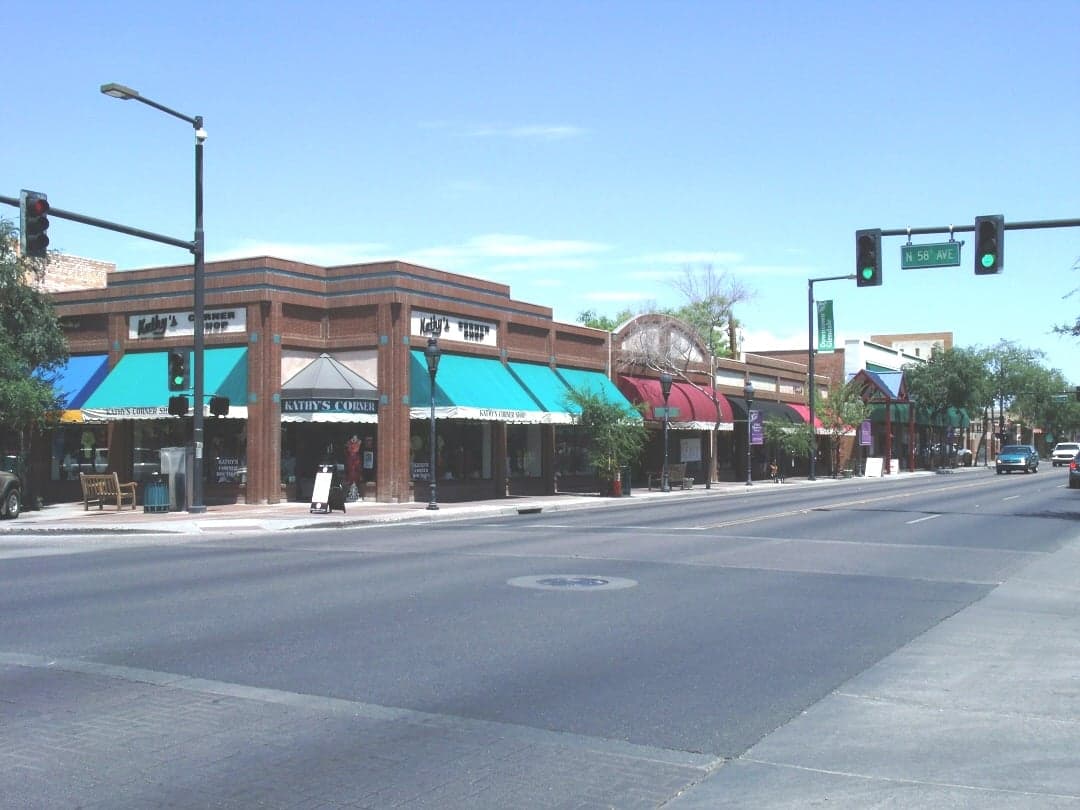
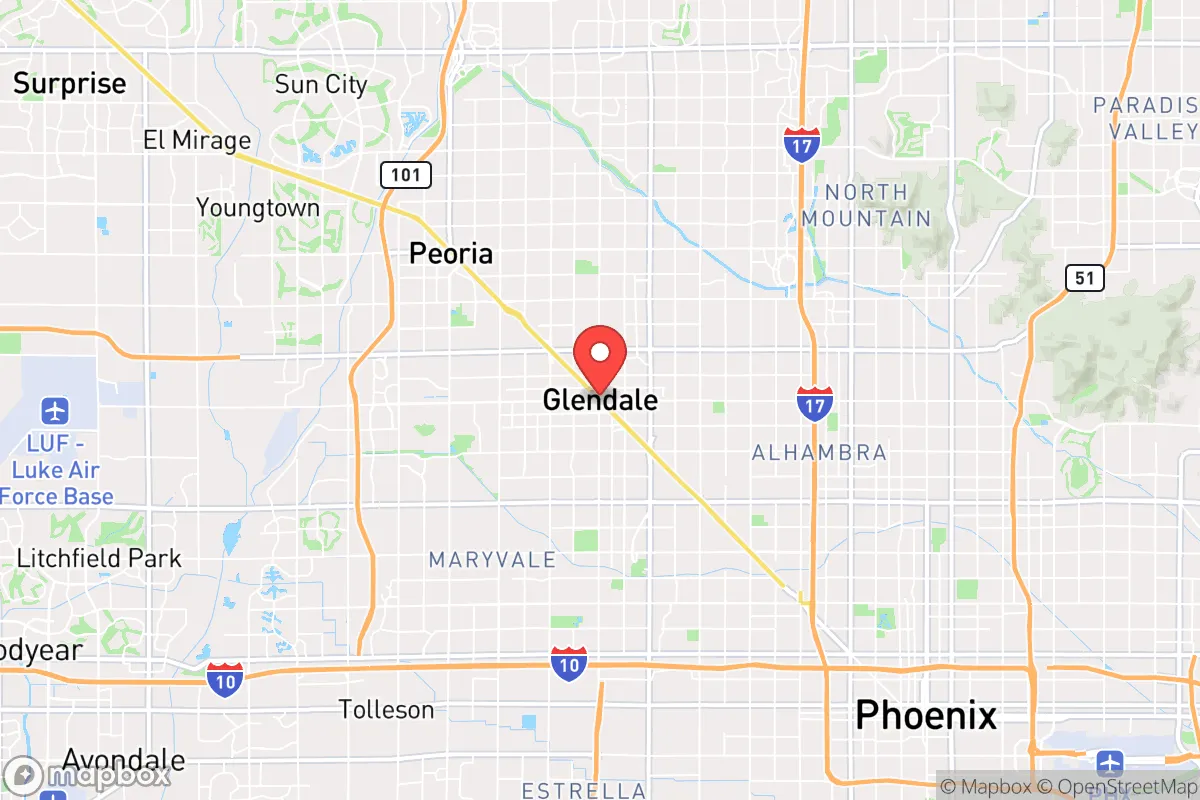
Most days in Glendale revolve around a few predictable anchors. The morning commute is a real factor—the average drive time clocks in at about 28 minutes, which feels longer when you’re sitting on the 101 or the 10 heading into Phoenix for work. Locals learn to plan their errands around the heat, especially from June through September, when 110°F afternoons make outdoor plans a non-starter. The city’s layout is car-dependent, with most shopping and dining clustered along Bell Road and 59th Avenue. You’ll find familiar chains like In-N-Out and Whataburger, but also local standbys like Haus Murphy’s, a German restaurant that’s been a Glendale fixture for decades, serving schnitzel and beer in the historic downtown area. That historic district, called "Old Town" or "Catlin Court," is a rare pocket of walkable, early-20th-century bungalows and antique shops—a quiet contrast to the rest of the city’s sprawling, sun-baked grid.
Sports, Community, and the Weekend Playbook
If there’s one thing that unites Glendale, it’s sports. The city is the home of the Arizona Cardinals (NFL) at State Farm Stadium and the Arizona Coyotes (NHL) at Desert Diamond Arena. Game days at Westgate are a genuine spectacle—the plaza fills with fans hours before kickoff, and the bars like The Yard House and Dave & Buster’s turn into standing-room-only scenes. High school football is also a big deal here, especially at schools like Apollo High School and Ironwood High School, where Friday night games draw hundreds of parents and alumni. For a city of 250,000 people, the pro sports presence gives Glendale a larger-than-life identity. Beyond the stadiums, weekends often mean hiking at Thunderbird Conservation Park (a 1,185-acre preserve with trails that stay busy even in winter) or catching a concert at the Gila River Arena. The annual Glendale Chocolate Affaire in February is a quirky local tradition that brings out families for chocolate samples and live music in the historic district.
Who Fits In—and Who Might Struggle
Glendale works best for people who want a suburban base with big-city entertainment within a 15-minute drive. The median household income of $70,139 and median home value of $347,000 put it in the affordable range for Phoenix metro, though the cost of living index of 121 (21% above the national average) means housing and utilities eat a bigger chunk of paychecks than in, say, Texas or the Midwest. The city leans conservative politically, and the culture reflects that—you’ll see more American flags than pride flags, and the local schools (part of the Glendale Union High School District and Peoria Unified School District) are heavily involved in community events like parades and fundraisers. Only about 23.5% of adults hold a bachelor’s degree or higher, which is lower than the national average; this is a blue-collar and service-economy town at heart, with major employers including the Luke Air Force Base (just west of the city) and the Midwestern University medical campus. The violent crime rate of 436.9 per 100,000 residents is notably higher than the national average, and while much of it is concentrated in specific neighborhoods (particularly around the 43rd Avenue corridor), it’s a real concern for families choosing where to buy a home.
Pros and Cons of Living Here
- Pro: Pro sports access is unmatched for a city this size. You can watch the Cardinals on Sunday and the Coyotes on Tuesday without leaving city limits.
- Con: The summer heat is relentless. From May through October, outdoor life is limited to early mornings or late evenings, and air conditioning bills spike.
- Pro: Housing is still relatively affordable compared to Phoenix proper or Scottsdale. A $347,000 median home value gets you a 3-bedroom house with a yard in a decent HOA neighborhood.
- Con: The commute. If you work in downtown Phoenix or Tempe, you’re looking at 35-45 minutes each way, and traffic on the 101 is a daily grind.
- Pro: Strong sense of community in the older neighborhoods. Old Town Glendale has a small-town feel with local coffee shops and a farmer’s market.
- Con: Limited nightlife for singles. Most bars are sports-oriented or part of chain restaurants; if you want a craft cocktail scene, you’re driving to Scottsdale or Phoenix.
Longtime residents will tell you the best part of Glendale is the Westgate Entertainment District on a game day—the energy is electric, and you can feel the city come alive. The frustration they’ll mention is the sprawl: everything is a 20-minute drive, and the summer heat makes walking anywhere impractical. The schools are a mixed bag—some, like Deer Valley High School, have strong reputations, while others struggle with funding and overcrowding. But for a family that values sports, space, and a conservative, community-oriented lifestyle, Glendale offers a solid, no-frills base in the Valley of the Sun.

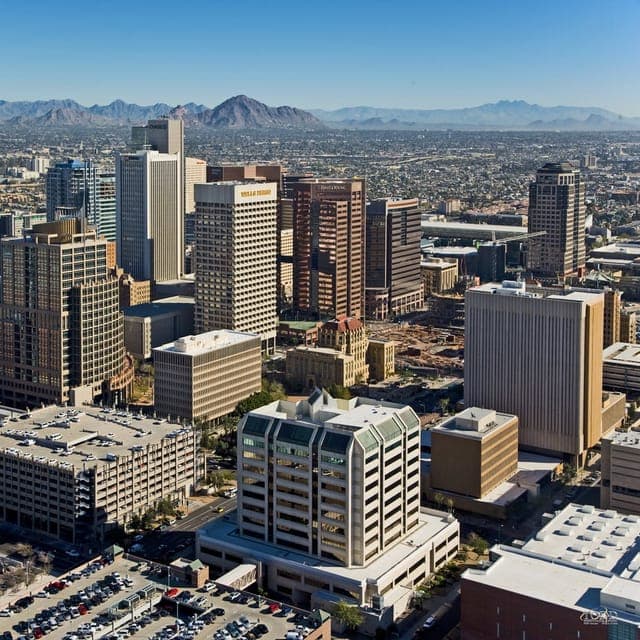
Similar mid-size cities to Glendale

* Values derived from national, state, county, city and local statistics and may differ in a specific area. Last updated: 2026-04-19T09:12:17.000Z
Narrative content on this page is AI-generated and may contain mistakes. Verify any details that matter before acting on them.
ReloMaps may earn a commission from affiliate links at no extra cost to you.

