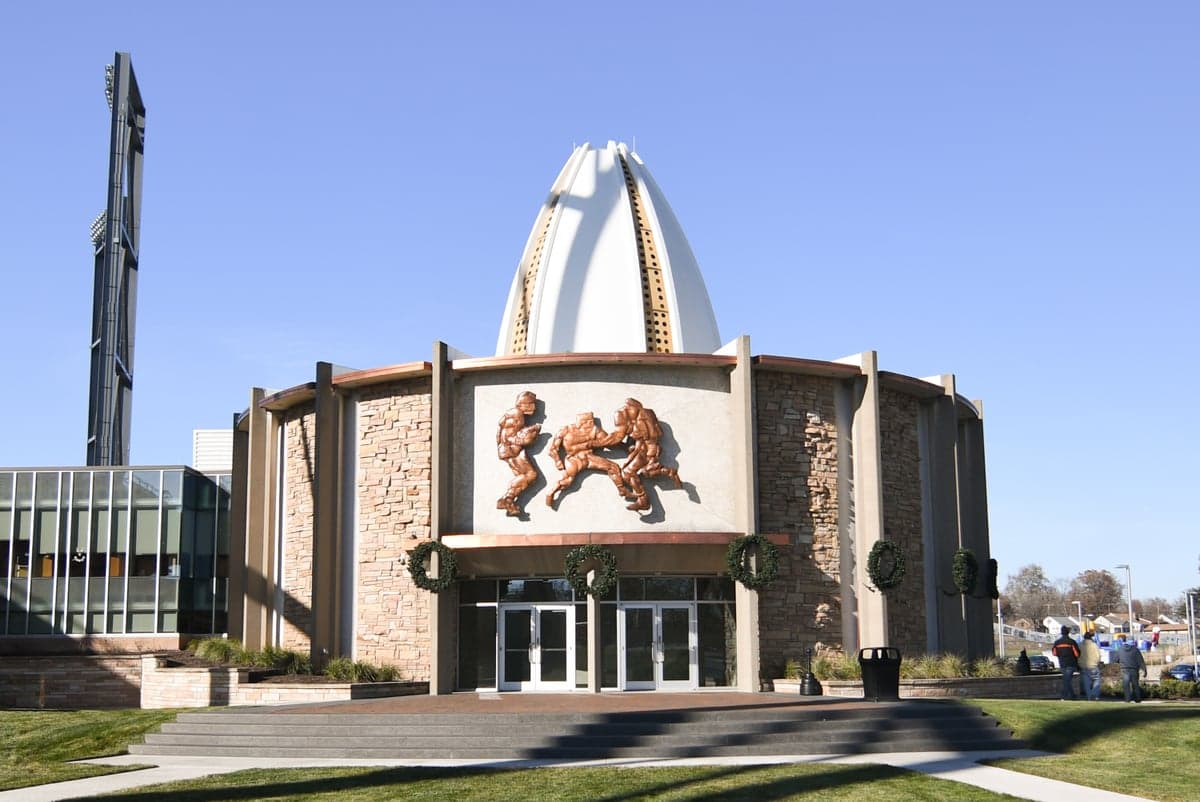
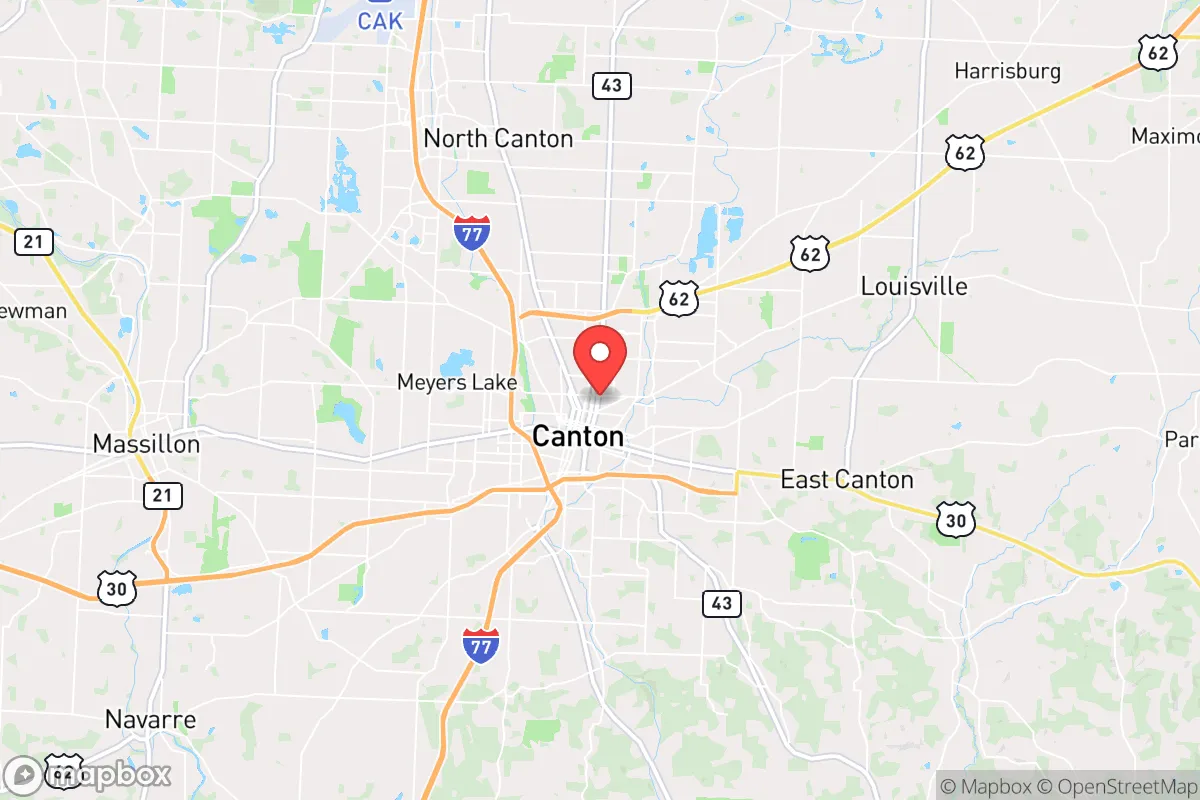
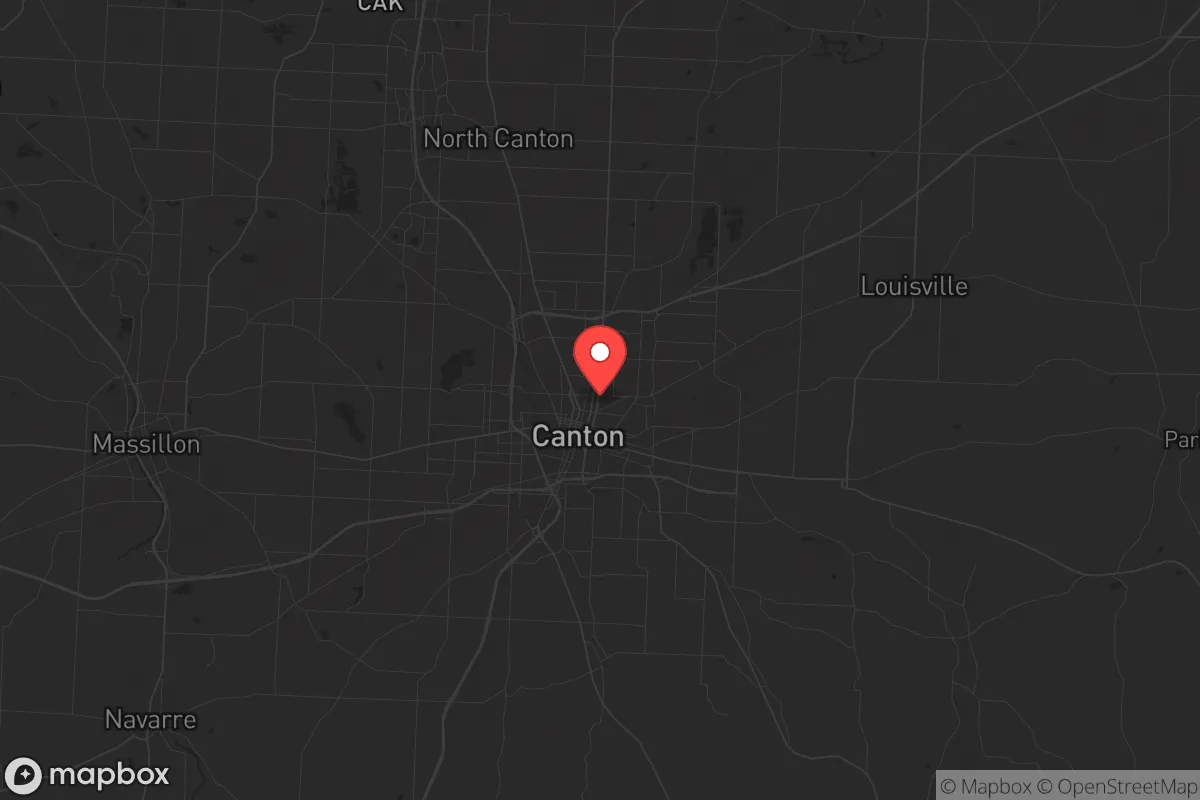
Photo: Wikipedia
Strategic Assessment of Canton, OH
Meaningful friction. Expect exposure to either population pressure, blast zones, or natural disaster risk. Consider buying a retreat property.
What does the Strategic Assessment tell us?
Our Strategic Assessment grades tactical survivability of an area. Major population centers, military targets, fallout zones, natural disasters, and border exposure all drive risk — lower exposure means a more defensible position in a crisis.
This is heavily inspired by Joel Skousen's Strategic Relocation book. Highly recommended you checkout the book ($)What does this tell us?
Our Strategic Assessment grades tactical survivability of an area. Major population centers, military targets, fallout zones, natural disasters, and border exposure all drive risk — lower exposure means a more defensible position in a crisis.
This is heavily inspired by Joel Skousen's Strategic Relocation book. Highly recommended you checkout the book ($)Strategic Pillars

Key Distances
Regional Safe Places
Below is our recommended "safe zones" in Ohio and the surrounding area based on our strategic heuristics. For most people, it's unrealistic to live in a “safe zone” full-time due to work, family or other personal reasons. They tend to be more rural. However, many of these areas are perfect for second homes and retreat properties that double as a vacation home or even a short-term rental.

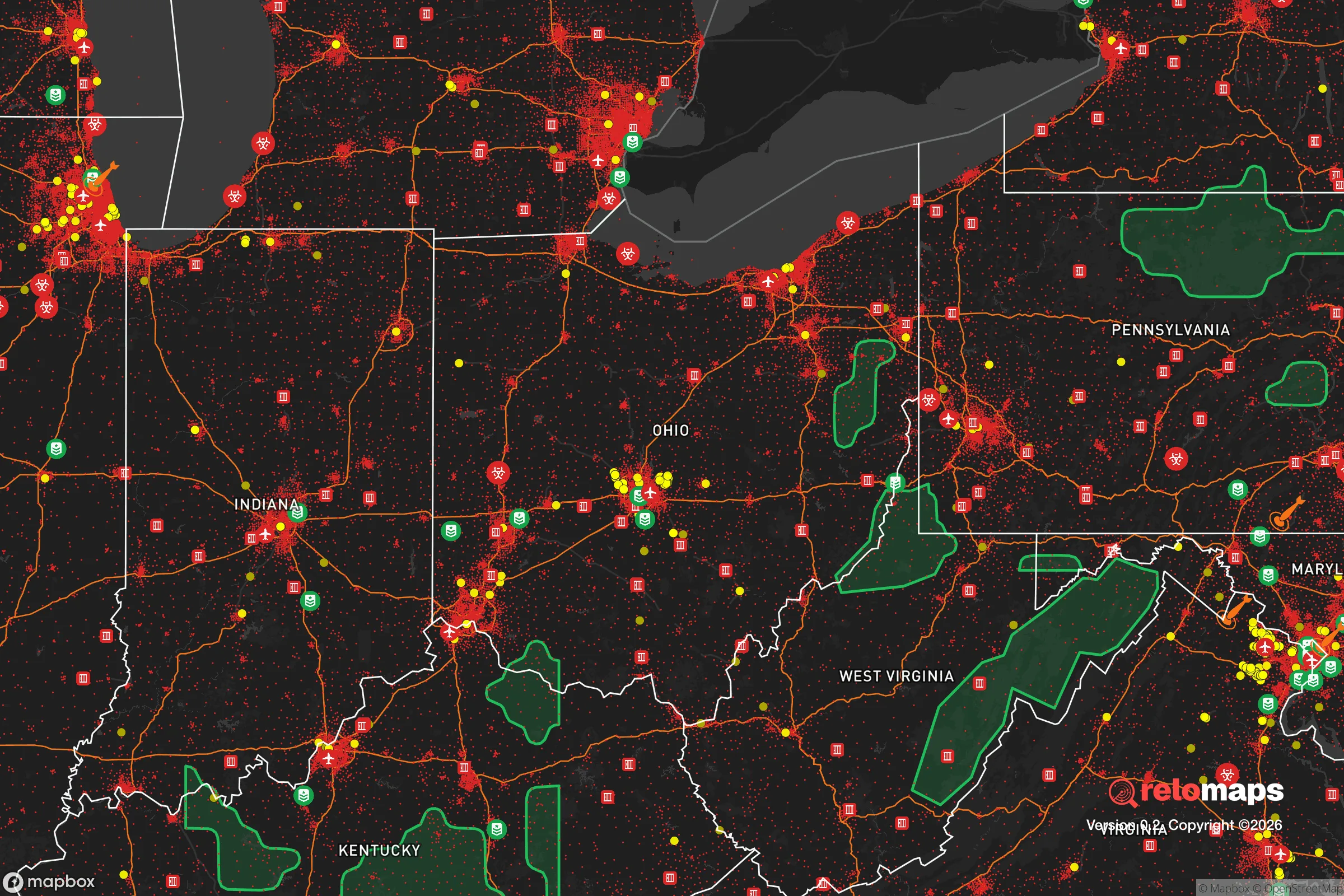


Important Note: For informational purposes only. This does not mean nothing bad ever happens in the green zones. Please use common sense. This is based on public data and modeled with AI. We tried to take a conservative approach but mistakes happen. We update this regularly as new information becomes available.
Solar Generator Recommendations
Backup power matters more here than in safer locations. We've picked three solar generators across budgets and capacity tiers — start with the budget unit if you only need a few essentials, or step up if you want to run a fridge and HVAC for days at a time.

Jackery Portable Power Station Explorer 300
Budget OptionPower on the Go: Weighing only 11 lbs, it's convenient to set up and store with book-sized foldable solar panels

BLUETTI Portable Power Station AC180
Designed for both indoor and outdoor scenarios, AC180 is highly capable as it has a robost capacity and continuous output power.

EF ECOFLOW DELTA Pro Ultra Power Station
Upgraded PickEcoFlow DELTA Pro Ultra is a whole-home energy system designed to grow with your family. Integrated with the Smart Home Panel 2, it scales to meet your evolving energy needs — keeping your home powered, intelligent, and secure through every stage of life.
We earn a commission, at no additional cost to you.
Strategic Assessment Analysis
Canton, Ohio, often gets overlooked in the strategic relocation conversation, but for a prepper or survivalist with a conservative mindset, it presents a surprisingly resilient option. Its position in the industrial heartland, away from the immediate blast zones of the East Coast megacities, offers a blend of manufacturing capability, water access, and a population that still remembers what hard work looks like. The city itself has seen better days, but the surrounding Stark County area provides a buffer of rural and suburban terrain that can be leveraged for a long-term strategy. This isn’t a glamorous retreat, but it’s a place where you can build a defensible position without the inflated prices of the Rockies or the deep South.
Geographic position and natural advantages for long-term security
Canton sits at the intersection of several key transportation corridors—Interstates 77 and 76—which is a double-edged sword. On one hand, it provides easy resupply and movement; on the other, it’s a potential chokepoint during a crisis. The real advantage is its proximity to Lake Erie, roughly 60 miles north, and the massive freshwater reserves of the Great Lakes. In a scenario where the Southwest water crisis worsens or the Mississippi River becomes contested, Canton’s access to the Lake Erie watershed is a strategic asset that few inland cities can match. The surrounding landscape is a mix of rolling hills, farmland, and hardwood forests, offering ample opportunities for off-grid homesteading, hunting, and timber management. The Cuyahoga Valley National Park and the Wayne National Forest are within a few hours’ drive, providing public land options for foraging and emergency shelter. The region’s four-season climate means you’ll need to prepare for harsh winters, but that also acts as a natural deterrent to unprepared transient populations during a collapse.
Risks, exposures, and proximity to fallout-relevant landmarks
The biggest downside for Canton is its proximity to Cleveland (50 miles north) and Akron (20 miles north). In a major civil unrest or mass casualty event, these urban centers could become sources of refugee flows, looting parties, and disease vectors. Canton itself has a population of around 70,000, but the greater metro area pushes 400,000. That’s a lot of mouths to feed if supply chains break down. More concerning is the Davis-Besse Nuclear Power Station, located about 70 miles northwest on Lake Erie. While not a direct blast risk, a containment failure or a targeted attack could send a plume across the region, depending on wind patterns. Similarly, the Perry Nuclear Power Plant is roughly 80 miles northeast. Canton is also within a 200-mile radius of several major military installations—Wright-Patterson Air Force Base near Dayton and the Ravenna Army Ammunition Plant—which could become targets or staging areas during a conflict. The industrial infrastructure along the Cuyahoga River and the Ohio River corridor means chemical spills and industrial accidents are a real, ongoing risk. For a prepper, this means you need a solid filtration system, a good radiation detector, and a plan to bug out east or south if the wind turns bad.
Practical resilience for a relocator: food, water, energy, and defensibility
For a single individual or a family looking to set up a sustainable operation, Canton offers a few concrete advantages. Water is abundant—the Tuscarawas River runs through the city, and the aquifer in Stark County is reliable. You can drill a well on rural property without hitting the legal and geological nightmares of the West. The soil in the surrounding farmland is decent, with a growing season long enough for corn, beans, and root vegetables. Local farmers’ markets and Amish communities in Holmes County (30 minutes south) provide a network for barter and bulk food purchases. Energy-wise, the region has a mix of natural gas, coal, and some wind. Solar is viable but not optimal due to cloud cover; a backup generator with a propane tank is a smarter bet. Defensibility is moderate. The terrain is not mountainous, but the rolling hills and creek beds offer natural cover. The city’s older neighborhoods have brick homes and basements that can be reinforced. The real play is to buy a property on the outskirts—south or east of Canton, toward the Carroll County line—where you have acreage, a well, and a septic system, while still being close enough to the city for work or supply runs. The local gun culture is strong, with several ranges and gun shops, and Ohio’s constitutional carry law is a plus. The biggest practical challenge is the aging infrastructure—Canton’s water and sewer systems are old, and the local government has a history of budget issues. You’ll want to be self-sufficient on waste and water treatment from day one.
Overall, Canton is a pragmatic choice for a conservative prepper who wants to stay within the manufacturing belt without being in the direct line of fire. It’s not a bug-out paradise, but it’s a place where you can build a life that’s resilient to the shocks of the next decade—economic collapse, supply chain failures, or localized unrest. The key is to avoid the city core, secure your water and energy, and build relationships with the rural communities to the south. If you’re looking for a low-profile, high-resilience location with access to freshwater and industrial resources, Canton deserves a serious look. Just keep an eye on the wind direction from those nuclear plants and have a plan to move east if the SHTF.

* Values derived from national, state, county, city and local statistics and may differ in a specific area. Last updated: 2026-04-21T19:35:24.000Z
Narrative content on this page is AI-generated and may contain mistakes. Verify any details that matter before acting on them.
ReloMaps may earn a commission from affiliate links at no extra cost to you.

