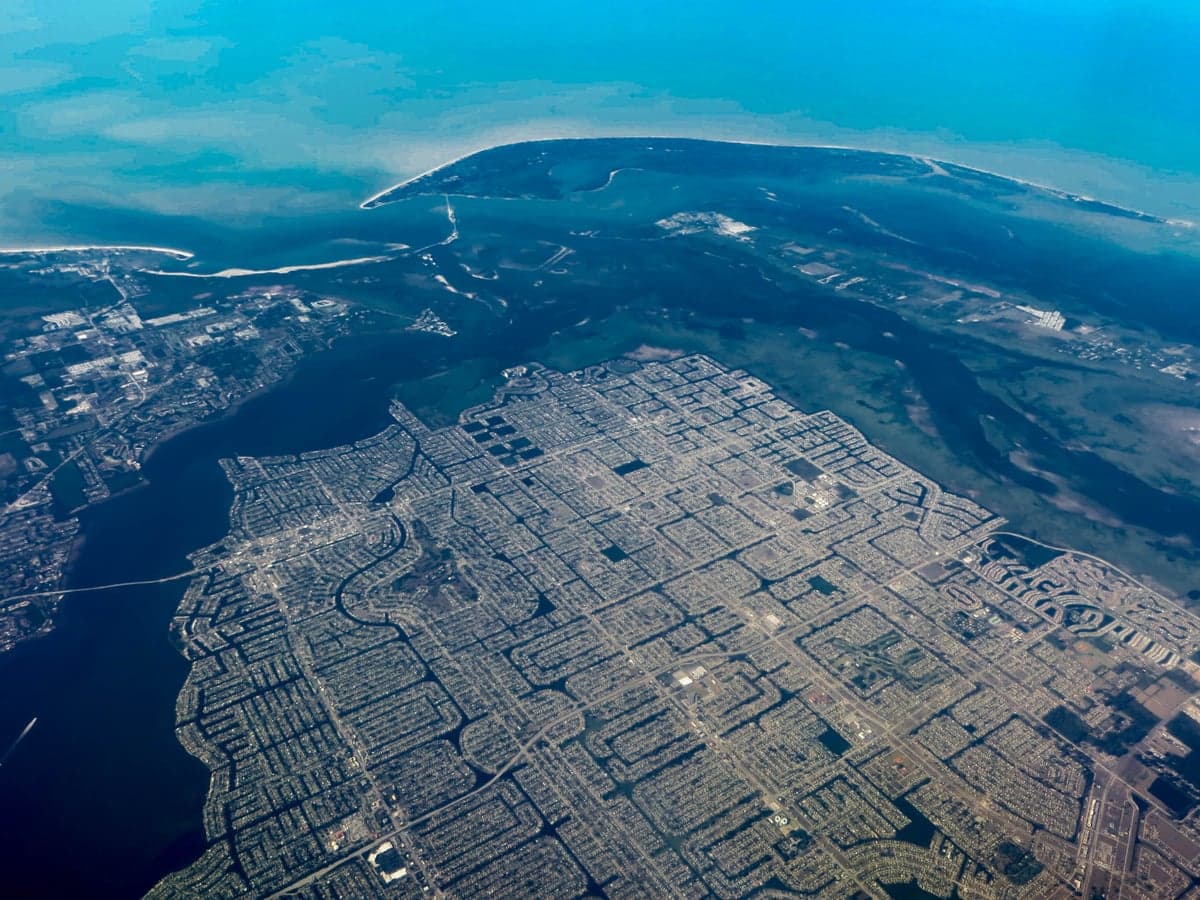
Photo: Wikipedia
Quality of Life in Cape Coral, FL
A high quality of life with strong walkability, manageable living costs, healthy neighborhood signals, and solid amenity access.
What does Quality of Life tell us?
Quality of Life blends cost of living, nearby amenities, socioeconomic signals, and neighborhood character. City-level scores represent the whole municipality; individual neighborhoods can differ.
What does this tell us?
Quality of Life blends cost of living, nearby amenities, socioeconomic signals, and neighborhood character. City-level scores represent the whole municipality; individual neighborhoods can differ.
Cost of Living
38% above national average
The Real Cost of Living in Cape Coral, FL for 2026
| Tier | Individual | Family (4) |
|---|---|---|
| Survival | $28k | $53k |
| Comfortable | $66k | $97k |
| Luxury | $124k+ | $193k+ |
| Elite (Top 5%) | $146k+ | $227k+ |
79%
The Area Signal
A metric tracking the socioeconomic signals of the area.


Hobbies
Explore the areaGroceries
4 within 10 miles
Gas
0 within 10 miles
Hospital
3 within 20 miles
Airport
TPA — Tampa International
Post Office
USPS — Fort Myers, FL
Critical Amenities
Quality-of-Life Analysis
Cape Coral, Florida, presents a quality of life defined by its extensive canal system and relative affordability compared to coastal neighbors, attracting a demographic mix of mid-career professionals, remote workers, and retirees seeking a slower pace. With a cost of living index of 138—significantly above the national average of 100—the city is not inexpensive, but it offers a tangible value proposition when stacked against pricier Southwest Florida hubs like Naples or Sanibel. The typical resident is often a homeowner drawn by the promise of waterfront living without the premium price tag of direct Gulf-front property, creating a community that balances working-class roots with growing affluence.
Cost of living, housing affordability, and how Cape Coral compares to nearby cities
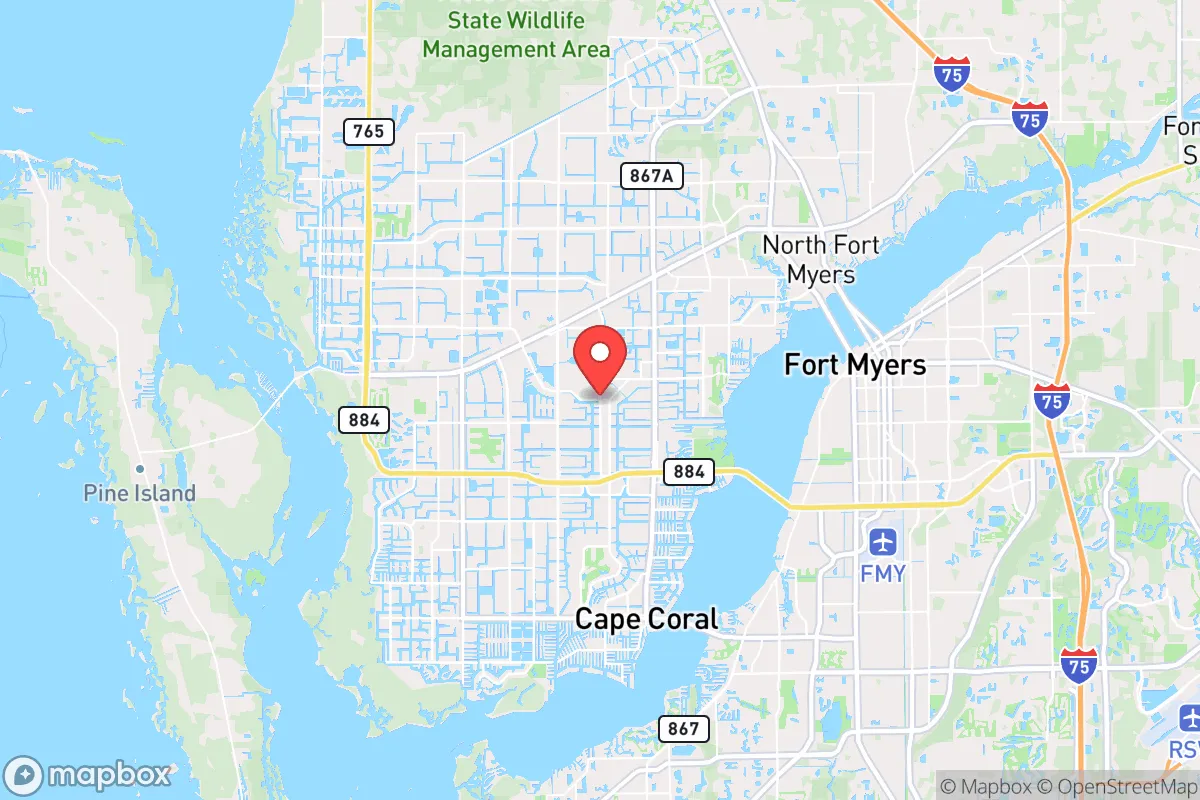
Cape Coral’s housing market remains the primary driver of its cost profile. The median home value sits at $339,200, which is notably lower than Naples (where the median often exceeds $600,000) and Fort Myers (around $375,000). For renters, the median monthly rent of $1,751 is competitive for the region, though it still represents a significant household expense. The overall cost of living index of 138 means everyday expenses—groceries, utilities, and transportation—are roughly 38% higher than the U.S. average, largely due to Florida’s lack of state income tax being offset by higher insurance and energy costs. The average commute time of 29.1 minutes is slightly above the national average, reflecting the city’s sprawling layout and the need to drive to employment centers in Fort Myers or along the I-75 corridor. While not a bargain, Cape Coral offers more square footage and newer construction for the dollar than its immediate neighbors, making it a practical choice for families and investors priced out of coastal enclaves.
What daily life is like: amenities, schools, and the local rhythm
Daily life in Cape Coral revolves around water and outdoor recreation, with over 400 miles of navigable canals providing direct Gulf access for boaters and kayakers. The city’s park system is extensive, including the 760-acre Four Mile Cove Ecological Preserve and numerous community pools and sports complexes. The Lee County School District serves the area, with schools like Cape Coral High School and Mariner High School offering standard public education; however, families seeking top-tier academics often look to private options or charter schools in nearby Fort Myers. The local rhythm is unhurried, with a strong emphasis on weekend farmers’ markets, waterfront dining at places like the Cape Harbour Marina, and seasonal events such as the Cape Coral Arts & Music Festival. Retail and dining are concentrated along Del Prado Boulevard and Pine Island Road, but the city lacks a dense urban core—most errands require a car. Healthcare access is adequate, with Cape Coral Hospital providing emergency and specialty services, though complex cases may require travel to Fort Myers or Tampa.
The type of person who will thrive in Cape Coral is someone who values space, water access, and a quieter lifestyle over urban energy and walkability. Remote workers and retirees who can tolerate the humid summers and hurricane season will find a community that prioritizes boating, fishing, and outdoor living. Families should weigh the trade-off of longer commutes and average public schools against the benefit of a larger, more affordable home. For those who want Florida’s sunshine and canal-front living without the premium of Naples or Sarasota, Cape Coral offers a grounded, if sprawling, quality of life.

Crime in Cape Coral, FL
Generally safer than 73% of comparable U.S. locations.
Violent CrimeViolent Crime Analysis
Property CrimeProperty Crime Analysis
Crime Analysis
Cape Coral, Florida, reports a violent crime rate of 166.8 incidents per 100,000 residents and a property crime rate of 735.6 per 100,000, figures that place it below national averages for both categories. However, the city's location within the broader Southwest Florida metro area means it is subject to the policies of a large, multi-county judicial system where progressive prosecutorial approaches have raised concerns about public safety outcomes. While the raw numbers suggest a relatively safe environment compared to many U.S. cities, the ideological lean of local courts and district attorneys is a critical factor for residents to weigh.
Crime in context
Cape Coral’s violent crime rate is roughly 55% lower than the national average of approximately 380 per 100,000, and its property crime rate sits about 30% below the U.S. median of roughly 1,950 per 100,000. These statistics place Cape Coral among the safer mid-sized cities in Florida, comparable to nearby Fort Myers (which has a higher violent crime rate near 500 per 100,000) and significantly safer than larger metros like Tampa or Miami. However, context matters: the Lee County judicial district, which includes Cape Coral, has seen a trend toward progressive policies, including diversion programs and reduced sentencing for non-violent offenders. Critics argue this approach, while intended to reduce incarceration, can lead to repeat offenses and a perception that consequences are minimal, potentially emboldening property criminals.
What residents experience
Daily life in Cape Coral is marked by low rates of violent confrontation—homicides are rare, and aggravated assaults are infrequent. Property crime, particularly vehicle burglaries and package thefts, is the most common concern, especially in neighborhoods near major corridors like Pine Island Road or Del Prado Boulevard. Residents often report that unlocked cars and visible valuables are the primary targets, a pattern consistent with opportunistic crime. The city’s police department maintains a visible presence, but the broader judicial environment means that many property crimes result in plea deals or probation rather than jail time. For families and retirees, this creates a tension: the risk of being a victim of a serious crime is low, but the likelihood of a perpetrator facing meaningful consequences is also low, which can erode trust in the system.
Neighborhood-level variation is significant. Gated communities and newer developments in the southwest quadrant, such as those near Cape Harbour, report near-zero crime. Older areas closer to the Caloosahatchee River, including parts of the Yacht Club district, see slightly higher rates of petty theft and vandalism. The city’s vast canal system, while a draw for boaters, also provides easy escape routes for criminals, a factor that local law enforcement acknowledges. Prospective residents should research specific zip codes—particularly 33990 and 33993—where property crime rates are elevated, and consider that the progressive judicial philosophy in Lee County may reduce the deterrent effect of arrest. For those prioritizing safety, the data supports Cape Coral as a generally secure choice, but the ideological climate of the justice system warrants careful consideration.
* Values derived from national, state, county, city and local statistics and may differ in a specific area. Last updated: 2026-04-19T06:54:43.000Z
Narrative content on this page is AI-generated and may contain mistakes. Verify any details that matter before acting on them.
ReloMaps may earn a commission from affiliate links at no extra cost to you.

