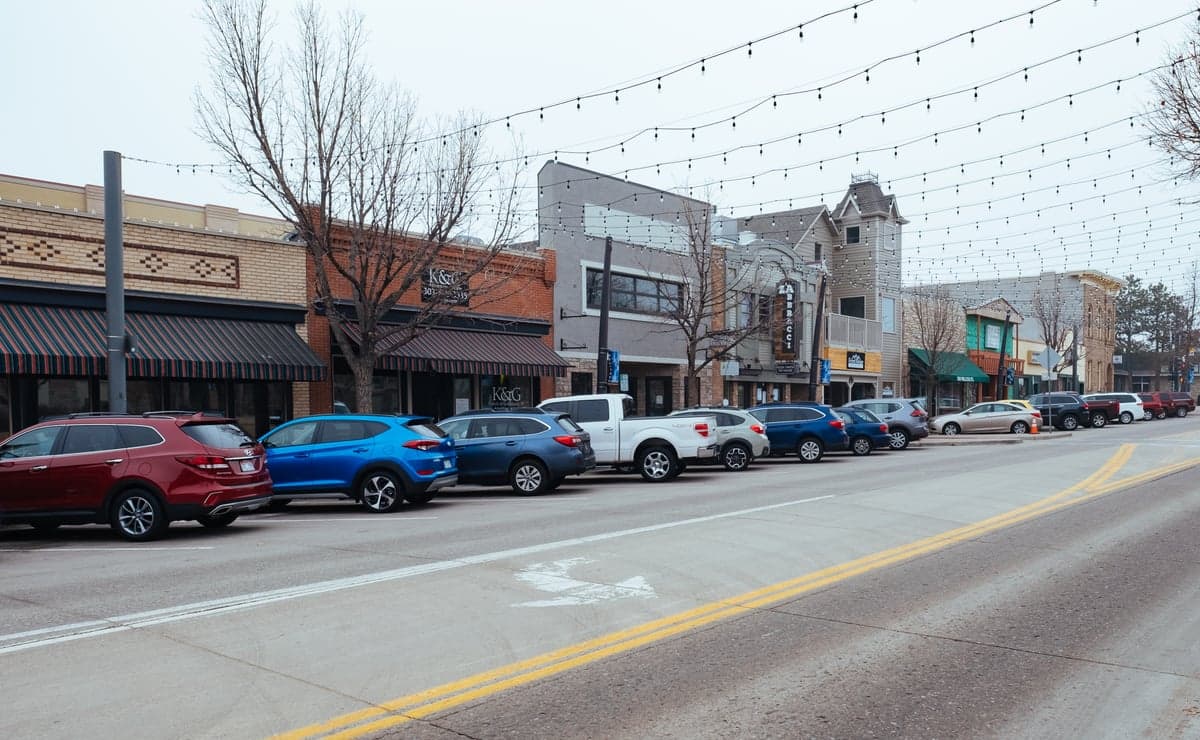
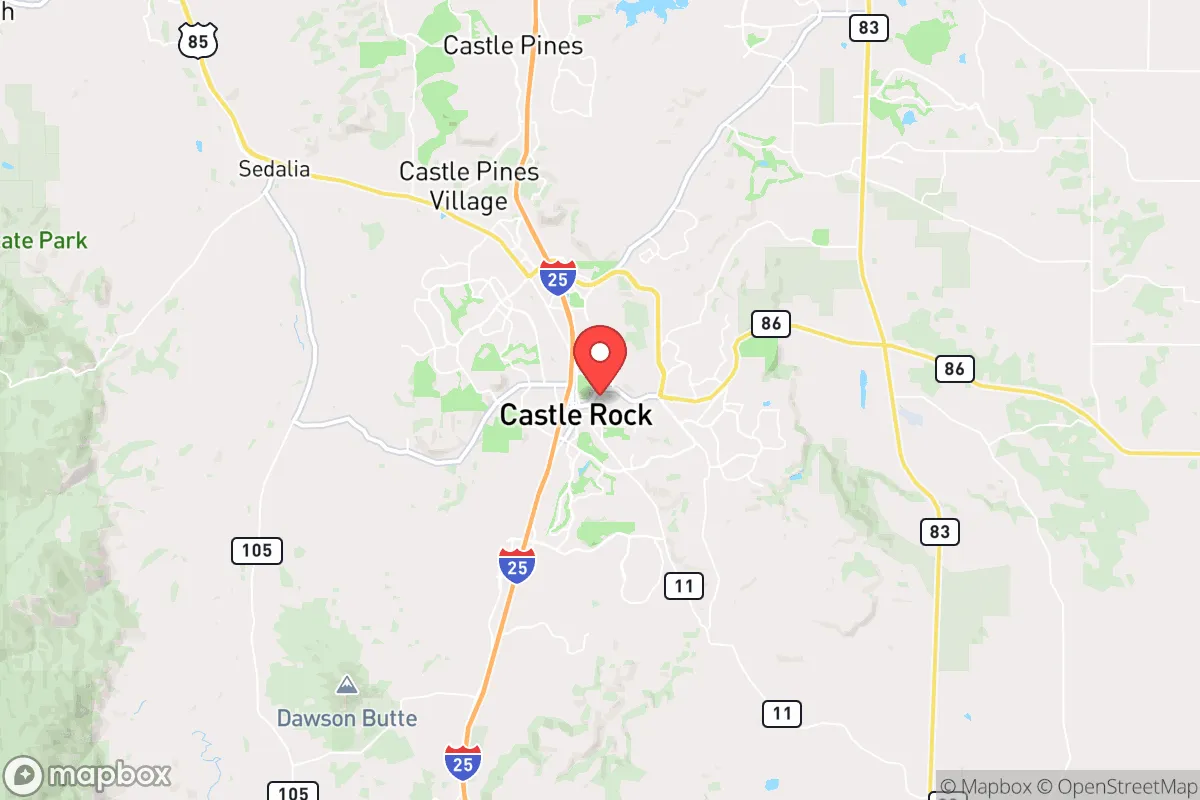
Photo: Wikipedia
Quality of Life in Castle Rock, CO
A high quality of life with strong walkability, manageable living costs, healthy neighborhood signals, and solid amenity access.
What does Quality of Life tell us?
Quality of Life blends cost of living, nearby amenities, socioeconomic signals, and neighborhood character. City-level scores represent the whole municipality; individual neighborhoods can differ.
What does this tell us?
Quality of Life blends cost of living, nearby amenities, socioeconomic signals, and neighborhood character. City-level scores represent the whole municipality; individual neighborhoods can differ.
Cost of Living
89% above national average
The Real Cost of Living in Castle Rock, CO for 2026
| Tier | Individual | Family (4) |
|---|---|---|
| Survival | $31k | $58k |
| Comfortable | $121k | $178k |
| Luxury | $200k+ | $310k+ |
| Elite (Top 5%) | $235k+ | $364k+ |
81%
The Area Signal
A metric tracking the socioeconomic signals of the area.
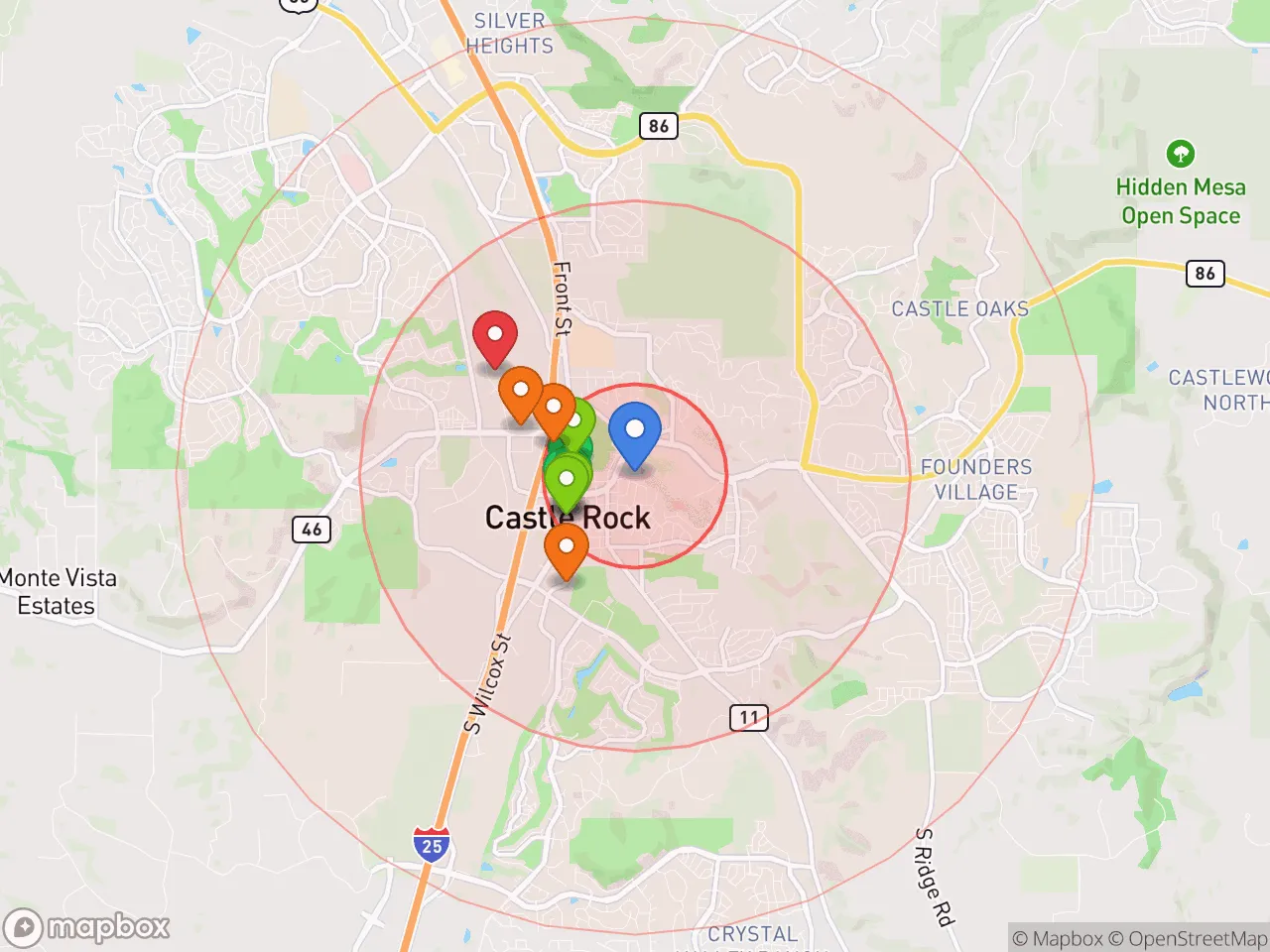
Hobbies
Explore the areaGroceries
8 within 10 miles
Gas
20 within 10 miles
Hospital
19 within 20 miles
Airport
DEN — Denver International
Post Office
USPS — Castle Rock, CO
Critical Amenities
Quality-of-Life Analysis
Castle Rock, Colorado, is an affluent suburban town of roughly 80,000 residents that sits squarely between Denver and Colorado Springs along the I-25 corridor. The area attracts a mix of upwardly mobile families, remote tech workers, and professionals seeking a quieter, more spacious alternative to Denver’s urban core while still maintaining access to Front Range employment hubs. With a median household income well above the national average and a demographic profile that skews younger and more educated than the state as a whole, Castle Rock has become a magnet for those who prioritize good schools, newer housing stock, and a predictable suburban lifestyle over the grit and density of a big city.
Cost of living and housing affordability compared to Denver and Colorado Springs
Castle Rock’s cost of living index sits at 189, meaning it is nearly 89 percent more expensive than the average U.S. city. The primary driver is housing: the median home value is $621,700, roughly $100,000 above the Denver metro median and more than double the Colorado Springs median. Renters face a median monthly rent of $1,946, which is comparable to Denver’s average but significantly higher than Colorado Springs’ typical $1,400 range. While incomes in Castle Rock are high enough to support these prices for many buyers, the market has cooled slightly from its 2022 peak, with homes now sitting an average of 10–15 days longer on the market. Property taxes in Douglas County are relatively low — around 0.55 percent of assessed value — which offsets some of the purchase-price sting. For those commuting to Denver or Colorado Springs, the average one-way commute is 29.2 minutes, a figure that aligns closely with the national average but can stretch to 45 minutes during peak I-25 congestion near the RidgeGate Parkway interchange.
Schools, amenities, and what daily life actually feels like
Daily life in Castle Rock revolves around its highly rated Douglas County School District, where schools like Castle Rock High School and Mesa Middle School consistently earn GreatSchools ratings of 8 or 9 out of 10. The town’s amenity base is robust for a suburb its size: the 4,000-acre Philip S. Miller Park offers hiking trails, a splash pad, and an outdoor amphitheater, while the downtown “Founders District” features locally owned restaurants, breweries, and seasonal farmers’ markets. Retail is concentrated at the Outlets at Castle Rock and along the Meadows Parkway corridor, providing everything from big-box stores to boutique shopping. The town’s recreation centers, including the Castle Rock Recreation Center and the Miller Activity Complex, host youth sports leagues and fitness classes that anchor the family-oriented social scene. One notable trade-off is the relative lack of late-night entertainment or cultural venues — residents typically drive 30 minutes to Denver for concerts, museums, or nightlife. The town also enforces strict water-use restrictions during summer months, a practical reality of living in a semi-arid climate that newcomers from wetter regions should anticipate.
Castle Rock is best suited for families and professionals who value top-tier schools, low crime rates, and a predictable suburban environment over urban energy or walkability. Remote workers and those with jobs in Denver Tech Center or Colorado Springs will find the commute manageable, though the area offers limited public transit options beyond the Park-n-Ride express buses. Empty-nesters and retirees may prefer the slower pace of nearby Parker or the more established amenities of Colorado Springs, but for households with school-age children who can afford the housing premium, Castle Rock delivers a consistently high quality of life with few surprises.

Crime in Castle Rock, CO
Lower crime rates than 92% of comparable U.S. locations.
Violent CrimeViolent Crime Analysis
Property CrimeProperty Crime Analysis
Crime Analysis
Castle Rock, Colorado, is a notably safe community, with a violent crime rate of just 30.3 incidents per 100,000 residents—roughly one-tenth the national average. Property crime, at 937.8 per 100,000, is also below the U.S. rate of 1,954 per 100,000, though it remains a more common concern for residents. The town’s low crime profile is a key draw for families and professionals relocating from the Denver metro area, but local policing and judicial policies warrant close attention.
Crime in context
Castle Rock’s violent crime rate is 90% lower than the national average, making it one of the safest municipalities in Douglas County. Property crime, while higher than the state average of roughly 800 per 100,000, is still well below the national benchmark. However, as part of the Denver-Aurora-Lakewood metropolitan area, Castle Rock is subject to the broader judicial environment of Colorado’s 18th Judicial District. Voters and policymakers in this district have increasingly embraced progressive prosecution policies, including reduced cash bail and deferred sentencing for nonviolent offenders. While these measures aim to reduce incarceration, they can result in more repeat offenders on the street, undermining public safety and victim restitution. Residents should monitor local district attorney elections and sentencing trends, as lenient approaches in nearby Denver and Aurora have been linked to rising recidivism in those jurisdictions.
What residents experience
Most Castle Rock residents report feeling safe walking downtown or using parks after dark, and neighborhood watch programs are active in subdivisions like The Meadows and Crystal Valley. Property crime—primarily theft from vehicles and package theft—is the most frequent issue, particularly near retail corridors along I-25 and in newer developments. The Castle Rock Police Department maintains a strong community presence, with response times averaging under 6 minutes for priority calls. Still, the county’s rapid growth has strained resources, and some residents express concern about increasing property crime rates since 2020, which have risen by roughly 15% in Douglas County overall.
Neighborhood-level variation
Crime is not uniform across Castle Rock. Older, established neighborhoods like Founders Village and the downtown core see very low incident rates, while areas near the Outlets at Castle Rock and the Promenade shopping center experience higher property crime due to foot traffic and vehicle density. The Castle Pines Village area, a gated community, reports virtually no crime. Prospective renters and buyers should check Douglas County Sheriff’s Office crime maps for block-level data, as some subdivisions near major transit corridors have reported double the property crime rate of quieter enclaves. Overall, Castle Rock remains a safe choice, but vigilance about judicial policies and neighborhood-specific trends is essential for informed relocation decisions.
* Values derived from national, state, county, city and local statistics and may differ in a specific area. Last updated: 2026-04-21T18:57:08.000Z
Narrative content on this page is AI-generated and may contain mistakes. Verify any details that matter before acting on them.
ReloMaps may earn a commission from affiliate links at no extra cost to you.

