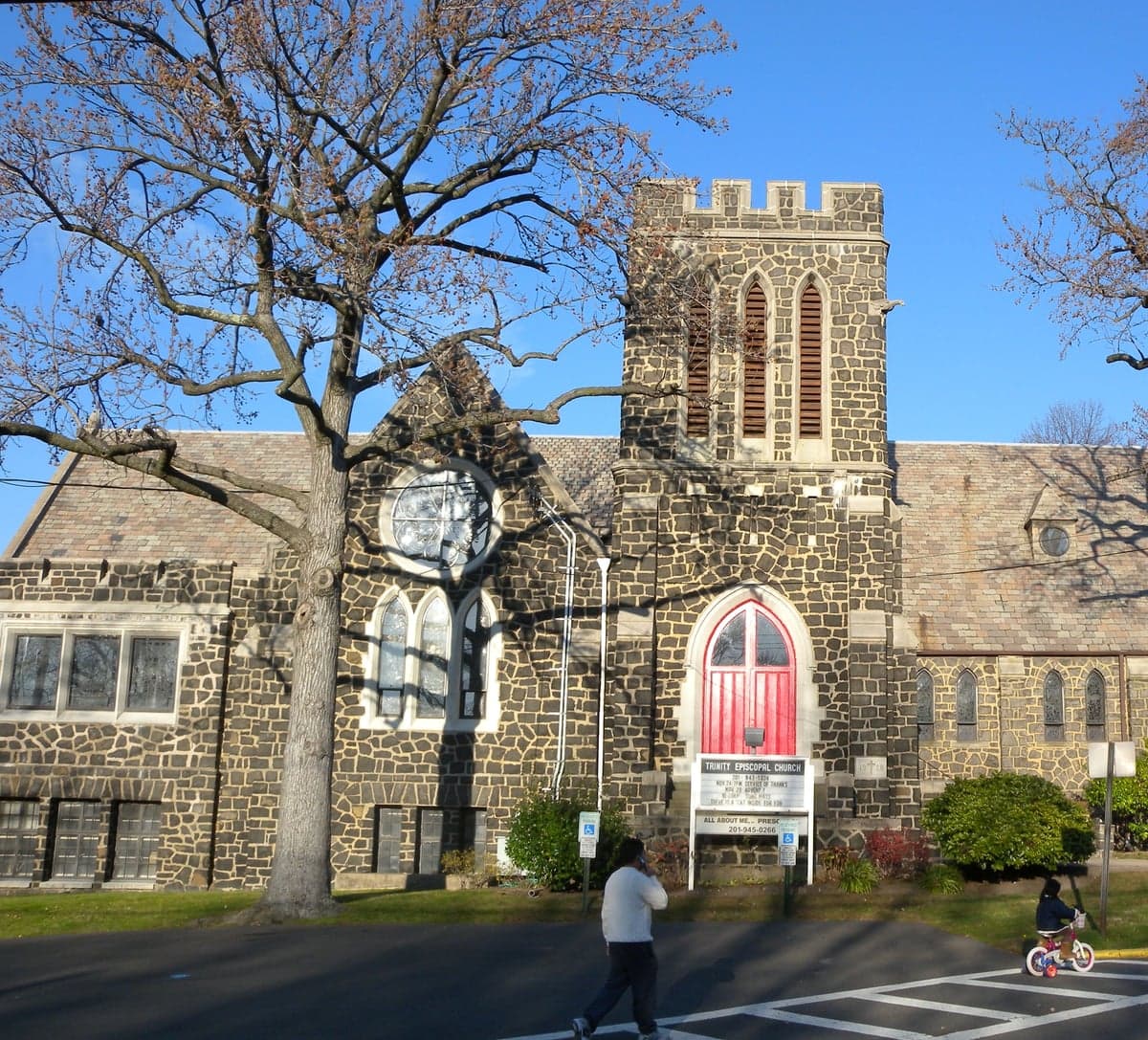
Photo: Wikipedia
Political ClimatePolitical Climate in Cliffside Park, NJ
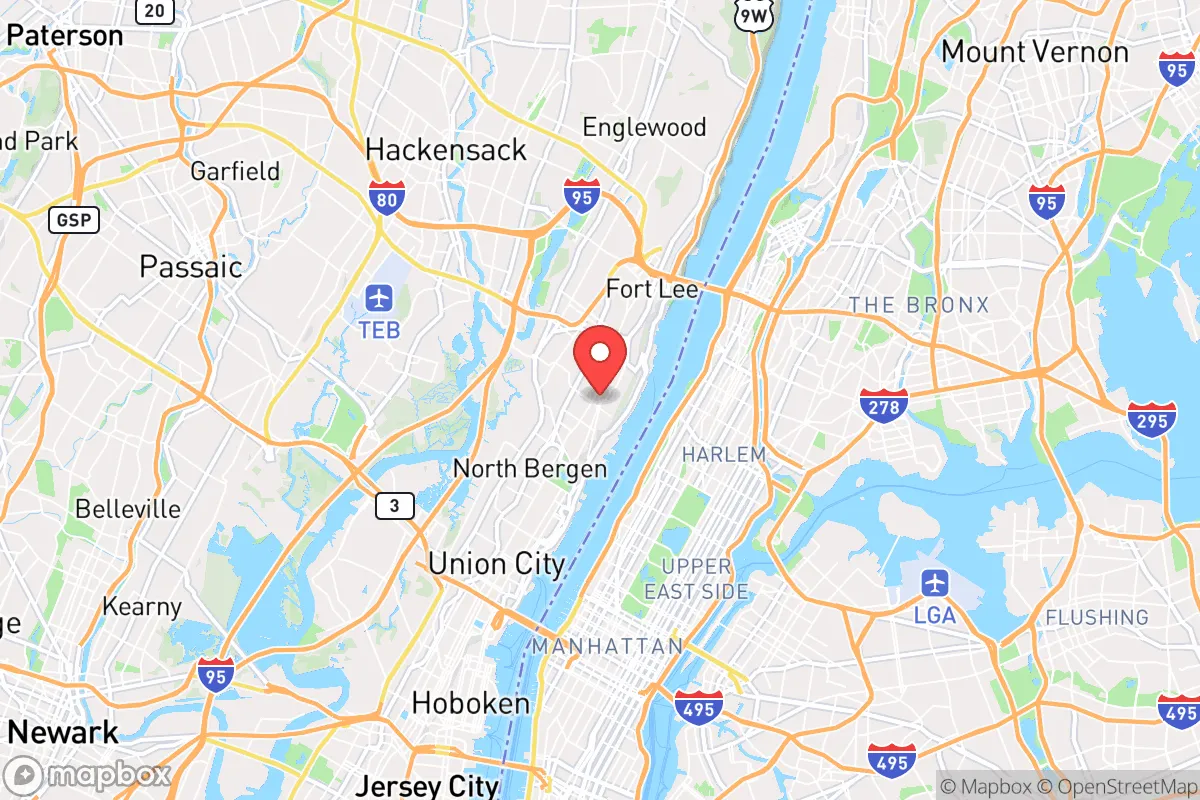
District shown is the primary district for this city’s centroid. Cities may span multiple districts.
Local Political AnalysisPolitical Analysis of Cliffside Park, NJ
Cliffside Park leans reliably Democratic, with a Cook PVI of D+2, but if you've lived here as long as I have, you know that label doesn't tell the whole story. This town used to be a quiet, middle-class enclave where folks kept their heads down, paid their taxes, and expected the local government to stay out of their business. Over the last decade, though, the political winds have shifted noticeably toward progressive activism, and it's not just about who you vote for—it's about how much say you still have in your own life.
How it compares
Drive ten minutes north into Bergenfield or Tenafly, and you'll find towns that still feel like the old Cliffside Park—more moderate, more skeptical of expensive social programs, and less eager to embrace every new state mandate from Trenton. Head south into Union City or West New York, and you're in deep-blue territory where progressive policies are the norm. Cliffside Park sits right in that uncomfortable middle: not as conservative as some of its neighbors, but not as ideologically rigid as the Hudson County machine towns. The D+2 rating actually undersells the shift—local school board and council races have become battlegrounds over things like curriculum transparency and zoning density, with the progressive slate often winning by slim margins. That's a red flag for anyone who values keeping government small and local.
What this means for residents
For the average homeowner or small business owner, the practical effect is a slow creep of government overreach. Property taxes have climbed steadily, partly because the town keeps signing onto regional affordable housing mandates that force higher-density development in single-family neighborhoods. There's been talk of a local "rent control" ordinance that would cap increases, which sounds good on paper but usually means landlords sell off or stop maintaining properties—and that hits your property values. The school district has also adopted more progressive curriculum frameworks, including social-emotional learning programs that some parents feel push a particular worldview. If you're the kind of person who believes your family's values should stay your family's business, not the school board's, that's a real concern. The town council has also floated a "complete streets" plan that would narrow car lanes for bike lanes and bus-only lanes—a policy that sounds green but often means longer commute times and less parking for residents who just want to get to work.
What really gets under my skin is how fast things changed. Ten years ago, Cliffside Park was the kind of place where you could disagree with your neighbor about politics over the fence and still have a beer together. Now, local Facebook groups are full of people shouting about mask mandates, zoning variances, and which council member is "woke" enough. The progressive majority on the council has been pushing for a "Welcoming City" resolution that would limit cooperation with federal immigration enforcement—a symbolic move that does nothing to fix potholes but sure gets headlines. It's the kind of policy that makes you wonder: are they focused on governing, or on signaling?
If you're considering moving here, know that the political climate is trending left, but it's not a monolith. There are still plenty of longtime residents who vote with their wallets and their common sense. The key is to get involved early—show up at council meetings, join the local Republican or independent club, and make your voice heard before the next progressive ordinance gets fast-tracked. Cliffside Park can still be a great place to live, but only if people like us keep pushing back against the idea that government knows better than you do.

State Political ClimatePolitical Climate in New Jersey
State Political AnalysisPolitical Environment in the State
New Jersey has long been one of the most reliably Democratic states in the nation, but don’t let the overall numbers fool you—it’s a tale of two states. The Garden State hasn’t voted Republican in a presidential election since 1988, and Democrats control both legislative chambers and the governor’s mansion. But that blue veneer hides a deep, growing urban-rural split, and a lot of folks in the western and southern parts of the state feel like they’re living under a different government than the folks in Newark or Jersey City. Over the last 20 years, the state has lurched left on taxes, social policy, and regulation, but the 2021 gubernatorial race—where Jack Ciattarelli came within 3 points of unseating Phil Murphy—showed that the conservative-leaning suburbs and exurbs are fed up and organizing.
Urban vs. rural divide
The political map of New Jersey is a textbook case of the urban-rural chasm. The northeastern corridor—Newark, Jersey City, Paterson, and Elizabeth—is deep blue, driven by dense minority populations, union households, and a massive public-sector workforce. These cities reliably deliver 70-80% Democratic margins. Meanwhile, the northwestern and southern parts of the state—places like Sussex County, Hunterdon County, and Cape May County—are reliably red, often voting 60-65% Republican. The real battleground is the suburban ring: Morris County, Monmouth County, and Ocean County. Ocean County is the GOP’s strongest bastion, with a 2020 Trump margin of +25 points. But even in traditionally purple Morris, the 2024 presidential race saw a shift toward the GOP, driven by parental rights backlash and tax fatigue. The divide isn’t just geographic—it’s cultural. Drive 20 minutes west of Newark and you’re in horse country, where the local paper runs letters about school board transparency and property taxes.
Policy environment
New Jersey’s policy environment is a cautionary tale for anyone who values fiscal restraint. The state has the highest property taxes in the nation—averaging over $9,500 annually—and a progressive income tax that tops out at 10.75% for income over $1 million. The regulatory posture is aggressive: the state has its own strict environmental rules, a paid family leave program, and a $15 minimum wage that’s already law. On education, New Jersey spends more per pupil than almost any other state, but the results are uneven—wealthy suburbs like Millburn and Princeton have top-tier schools, while urban districts in Camden and Newark struggle. Healthcare is heavily regulated, with a state-based exchange and Medicaid expansion. Election laws are among the most liberal: no-excuse mail-in voting, automatic voter registration, and same-day registration. For a conservative, the message is clear: the state’s policy apparatus is designed to expand government reach into your wallet and your life.
Trajectory & freedom
Over the last decade, New Jersey has become less free by almost any measure. The 2018 “Red Flag” law (Extreme Risk Protective Order Act) allows courts to temporarily seize firearms from individuals deemed a threat, with no criminal conviction required. In 2022, the state banned carrying guns in “sensitive places” like parks, libraries, and private businesses unless the owner explicitly allows it—a law that’s been challenged in court. On parental rights, the 2020 “LGBTQ+ Inclusive Curriculum” law mandates that schools teach contributions of LGBTQ+ people, and the state’s Department of Education has pushed gender identity policies that allow students to use preferred names and pronouns without parental consent. Medical autonomy took a hit with strict COVID-19 mandates, including a vaccine-or-test requirement for healthcare workers that remains in place. Property rights are constrained by the state’s aggressive affordable housing mandates, which force towns to zone for high-density development. The trend is unmistakable: Trenton is expanding its reach into family decisions, schoolrooms, and personal safety choices.
Civil unrest & political movements
New Jersey has seen its share of political flashpoints. The 2020 Black Lives Matter protests in Newark and Trenton were large but mostly peaceful, though they exposed deep tensions over policing. On the right, the “Parents’ Bill of Rights” movement has been strongest in Morris and Monmouth counties, where school board meetings have turned into shouting matches over critical race theory and gender ideology. The state’s sanctuary policies—New Jersey is a “sanctuary state” under Executive Order 200, which limits cooperation with ICE—have become a rallying cry for conservatives, especially in Ocean County, where immigration enforcement is a top issue. Election integrity remains a sore spot: the 2020 shift to universal mail-in voting was controversial, and the 2021 gubernatorial race saw a razor-thin margin that many Republicans still question. There’s no serious secession talk, but the “Jersey Shore” vs. “North Jersey” cultural divide often mirrors the political one. A new resident will notice that political signs are common in rural areas but rare in cities—people are passionate, but they’re also tired of feeling ignored by Trenton.
Projection
Looking ahead 5-10 years, New Jersey is likely to continue its leftward drift on social and economic policy, but the pace may slow. The state’s population is aging and slowly declining—it lost a congressional seat after the 2020 census—and out-migration is concentrated among younger families and middle-income earners fleeing high taxes. The in-migration is mostly from New York City and international immigrants, which tends to reinforce the Democratic coalition. However, the 2023 legislative elections showed that Republicans can win in competitive districts when they focus on affordability and parental rights. The wild card is the state’s fiscal health: pension obligations are massive, and property taxes are unsustainable. If a fiscal crisis hits, it could force a reckoning. For a conservative moving in now, expect a decade of continued blue governance, but with growing pushback in the suburbs and exurbs. The state won’t flip red, but it could become a more competitive purple in local races.
Bottom line for a new resident: If you’re a conservative, New Jersey is a tough place to live unless you’re in a red pocket like Ocean County or Sussex County. You’ll pay high taxes, deal with heavy regulation, and watch your kids’ schools adopt policies you may not agree with. But the trade-off is proximity to world-class jobs, beaches, and cultural amenities. If you can afford the financial and cultural cost, the state offers a high quality of life—but you’ll need to be politically engaged to protect your freedoms. The smart move is to target a red-leaning suburb like Jackson Township or Randolph, where local government is more aligned with your values, and get involved in school board and municipal races. That’s where the real fight is happening.
* Values derived from national, state, county, city and local statistics and may differ in a specific area. Last updated: 2026-04-29T21:16:11.000Z
Narrative content on this page is AI-generated and may contain mistakes. Verify any details that matter before acting on them.
ReloMaps may earn a commission from affiliate links at no extra cost to you.

