
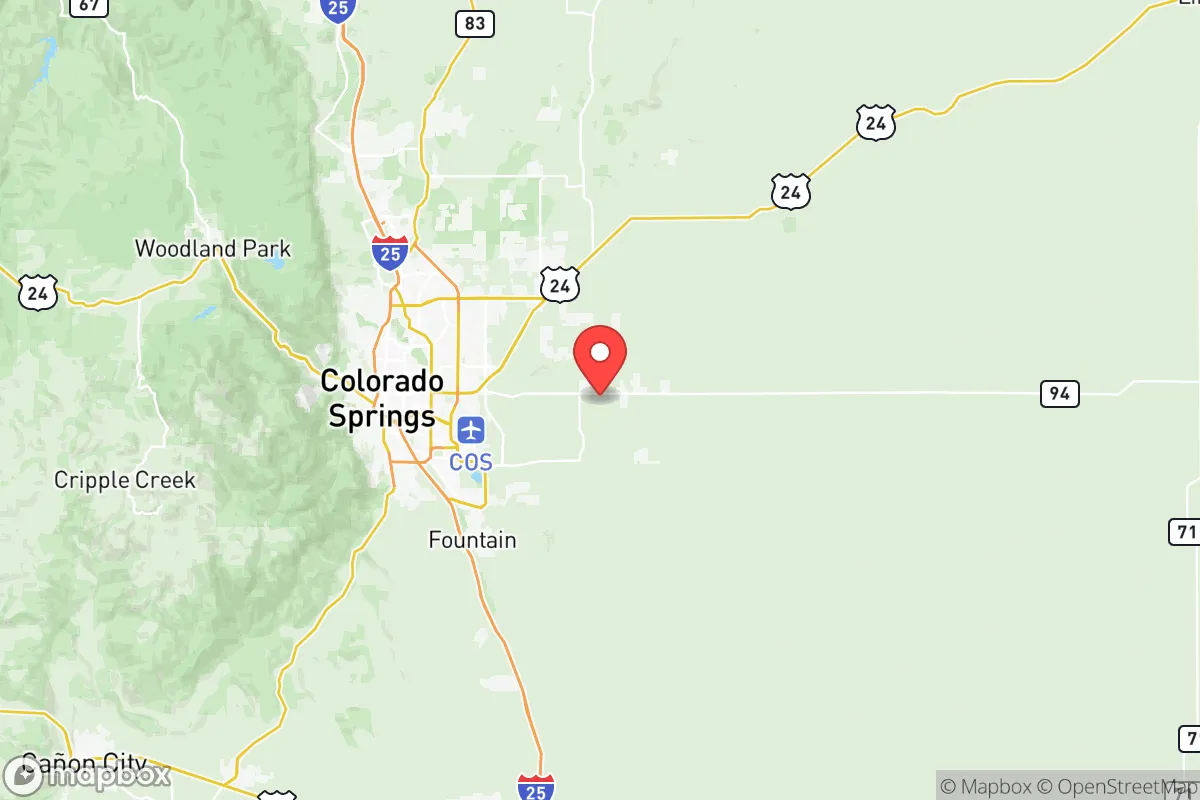
Photo: Wikipedia
Quality of Life in El Paso County
A livable area that tracks near national norms for affordability, walkability, and neighborhood health.
What does Quality of Life tell us?
Quality of Life measures an area by evaluating factors like cost of living, nearby amenities, country club access, airport proximity, socioeconomic signals and neighborhood character. For large states, this is a general average — quality of life can vary dramatically between metro areas, suburbs, and rural communities within the same state.
What does this tell us?
Quality of Life measures an area by evaluating factors like cost of living, nearby amenities, country club access, airport proximity, socioeconomic signals and neighborhood character. For large states, this is a general average — quality of life can vary dramatically between metro areas, suburbs, and rural communities within the same state.
Cost of Living
44% above national average
71%
The Real Cost of Living in El Paso County for 2026
| Tier | Individual | Family (4) |
|---|---|---|
| Survival | $26k | $48k |
| Comfortable | $84k | $123k |
| Luxury | $146k+ | $226k+ |
| Elite (Top 5%) | $171k+ | $266k+ |
Quality-of-Life Analysis
El Paso County, Colorado, offers a broad quality-of-life spectrum that ranges from the dense urban core of Colorado Springs to remote mountain hamlets and high-plains farming communities, attracting everyone from military families and tech workers to retirees and homesteaders. The county’s character shifts dramatically within a 30-minute drive, with the eastern plains feeling like a different world from the foothills west of I-25. This diversity means that a single cost-of-living index of 144 (44% above the U.S. average) masks significant internal variation, with some rural pockets remaining surprisingly affordable while the city itself commands premium prices.
Largest town(s) & population centers
Colorado Springs is the county’s undisputed hub, home to over 480,000 residents and serving as the economic and cultural engine. Daily life here is defined by a strong military presence (Fort Carson, Peterson Space Force Base, Schriever Air Force Base), a growing tech sector anchored by companies like Microchip Technology and Verizon, and a robust outdoor recreation culture centered on Garden of the Gods and Pikes Peak. The city’s average commute of 23.5 minutes is notably short for a metro of its size, a fact that appeals to professionals seeking work-life balance. Fountain, just south of Colorado Springs, functions as a bedroom community for Fort Carson and offers a quieter, more suburban rhythm with newer housing developments and a median home value closer to $380,000. Monument, in the northern part of the county, is a fast-growing exurb popular with families who work in Denver or Colorado Springs, known for its highly rated Lewis-Palmer School District and a small-town feel that still offers quick interstate access.
Smaller towns & rural pockets
East of Colorado Springs, the landscape opens into working agricultural land dotted with unincorporated communities. Calhan, with a population under 1,000, is a classic high-plains town where residents live on acreage and commute 30-40 minutes to the city for work; its median home value hovers around $320,000, well below the county average. Peyton is an unincorporated area known for horse properties and large lots, attracting those who want space without total isolation. To the west, Green Mountain Falls is a tiny mountain village at 7,800 feet elevation, offering a completely different lifestyle: seasonal tourism, cabin-style homes, and a tight-knit community of retirees and remote workers. Palmer Lake, just north of Monument, sits at the base of the Rampart Range and has a distinct mountain-town character with a historic downtown and a strong sense of local identity, though its housing stock is limited and prices rival those in Colorado Springs proper.
Cost & lifestyle range
The cost-of-living spread across El Paso County is substantial. At the high end, Broadmoor Bluffs and Skyway neighborhoods in Colorado Springs feature median home values above $700,000, with the county’s overall median of $431,000 pulled upward by these enclaves. Median rent countywide is $1,609, but in desirable central neighborhoods like Old Colorado City or near the Air Force Academy, rents often exceed $2,000 for a two-bedroom. At the low end, Security-Widefield (an unincorporated area southeast of the city) offers median home values around $350,000 and rents near $1,200, though residents trade off longer commutes and fewer local amenities. Rural areas like Ramah or Yoder in the eastern part of the county have even lower housing costs—some homes under $250,000—but require a 45-minute drive to the nearest grocery store or hospital. Lifestyle choices follow these cost gradients: urban dwellers in Colorado Springs walk to breweries and bike trails, while rural residents in places like Ellicott prioritize land, privacy, and a slower pace, often relying on well water and septic systems.
Who thrives in El Paso County? The county suits people who want a major city’s job market and amenities without the congestion of Denver, as well as those who value direct access to outdoor recreation—hiking, climbing, and mountain biking are minutes from most homes. Military-affiliated families find a supportive infrastructure, while remote workers and entrepreneurs are drawn to the lower cost of living compared to Colorado’s mountain resorts. The rural eastern plains appeal to self-sufficient individuals and agricultural families who accept longer drives for a more independent lifestyle. Ultimately, El Paso County rewards those who know which part of the spectrum they want, offering a genuine choice between urban energy, suburban comfort, and rural solitude within a single county boundary.

Crime in El Paso County
Crime rates similar to the national median for U.S. locations.
Violent CrimeViolent Crime Analysis
Property CrimeProperty Crime Analysis
Crime Analysis
El Paso County, Colorado, presents a mixed safety picture: its violent crime rate of 405.4 per 100,000 residents sits slightly above the national average, while its property crime rate of 2,092.1 per 100,000 is notably higher than both state and national benchmarks. The county’s sprawling geography—from the urban core of Colorado Springs to smaller communities like Monument and Fountain—creates significant variation in risk, with certain areas driving the overall numbers upward. Understanding where crime concentrates and how local justice policies shape outcomes is essential for anyone evaluating relocation to this Front Range region.
Crime in context
El Paso County’s violent crime rate of 405.4 per 100,000 exceeds the national average of roughly 380 per 100,000 and is substantially above Colorado’s state rate of about 370 per 100,000. Property crime in the county—2,092.1 per 100,000—is significantly higher than the national average of approximately 1,950 per 100,000 and far above the Colorado average of around 1,800 per 100,000. These figures place El Paso County among the higher-crime jurisdictions in the state, driven largely by incidents in Colorado Springs, which accounts for the majority of the county’s population and crime reports. Colorado Springs alone reported over 4,000 property crimes in 2023, with auto theft and burglary being the most common offenses. By contrast, smaller towns like Monument and Palmer Lake report violent crime rates roughly 60% lower than the county average, offering a safer alternative for families.
What residents experience
Residents in El Paso County’s urban areas, particularly in central and southeastern Colorado Springs, face the highest likelihood of encountering both violent and property crime. Neighborhoods near the downtown corridor and along the Powers Boulevard corridor see elevated rates of aggravated assault and theft. In contrast, suburban communities like Fountain and Security-Widefield experience moderate property crime but lower violent crime, while Woodland Park in the western part of the county reports some of the lowest crime rates overall. The Fourth Judicial District, which covers El Paso County, has seen criticism for progressive sentencing policies under District Attorney Michael Allen, who has emphasized diversion programs and reduced incarceration for non-violent offenders. Critics argue this approach has contributed to repeat property crime offenses and a perception that consequences are insufficient, particularly in Colorado Springs where organized retail theft rings operate with relative impunity. Auto theft rates in the county rose 18% between 2021 and 2023, a trend some attribute to lenient bond conditions and reduced prosecution of property crimes.
Neighborhood-level variation
Safety in El Paso County varies dramatically by neighborhood and municipality. The safest areas are generally found in the northern and western parts of the county: Monument, Palmer Lake, and Black Forest consistently report violent crime rates below 200 per 100,000, with property crime also well under the county average. These communities benefit from lower population density, active neighborhood watch programs, and conservative local governance that prioritizes law enforcement funding. Conversely, central Colorado Springs neighborhoods like Knob Hill and the area around Platte Avenue see violent crime rates exceeding 600 per 100,000, driven by gang activity and drug-related offenses. Fountain, while generally safer than the city core, has experienced a 12% increase in property crime since 2022, partly due to its proximity to major highways that facilitate quick getaways. For prospective residents, choosing a home in the northern suburbs or western foothills offers the best safety profile, while urban neighborhoods require careful vetting of block-level crime data and awareness of local law enforcement responsiveness.
* Values derived from national, state, county, city and local statistics and may differ in a specific area. Last updated: 2026-05-12T01:29:57.000Z
Narrative content on this page is AI-generated and may contain mistakes. Verify any details that matter before acting on them.
ReloMaps may earn a commission from affiliate links at no extra cost to you.

