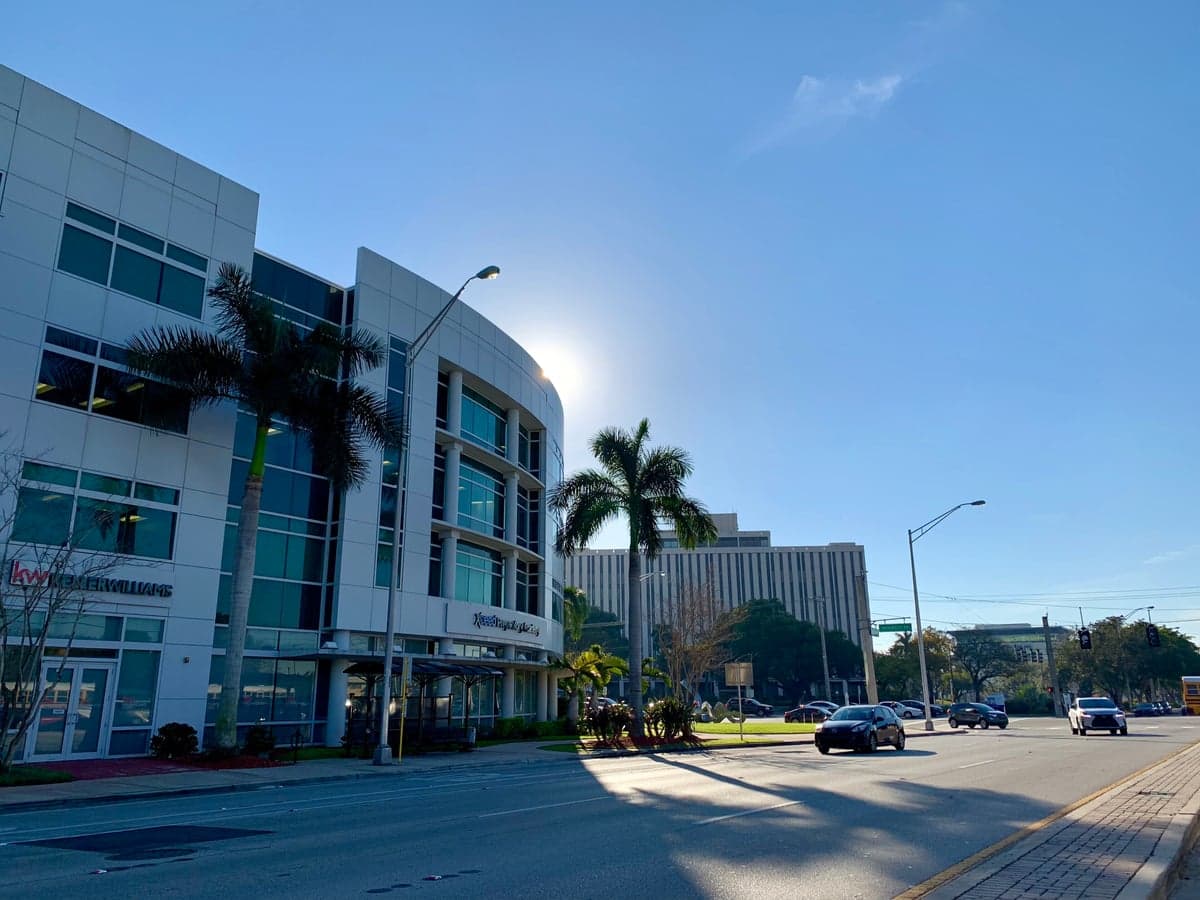
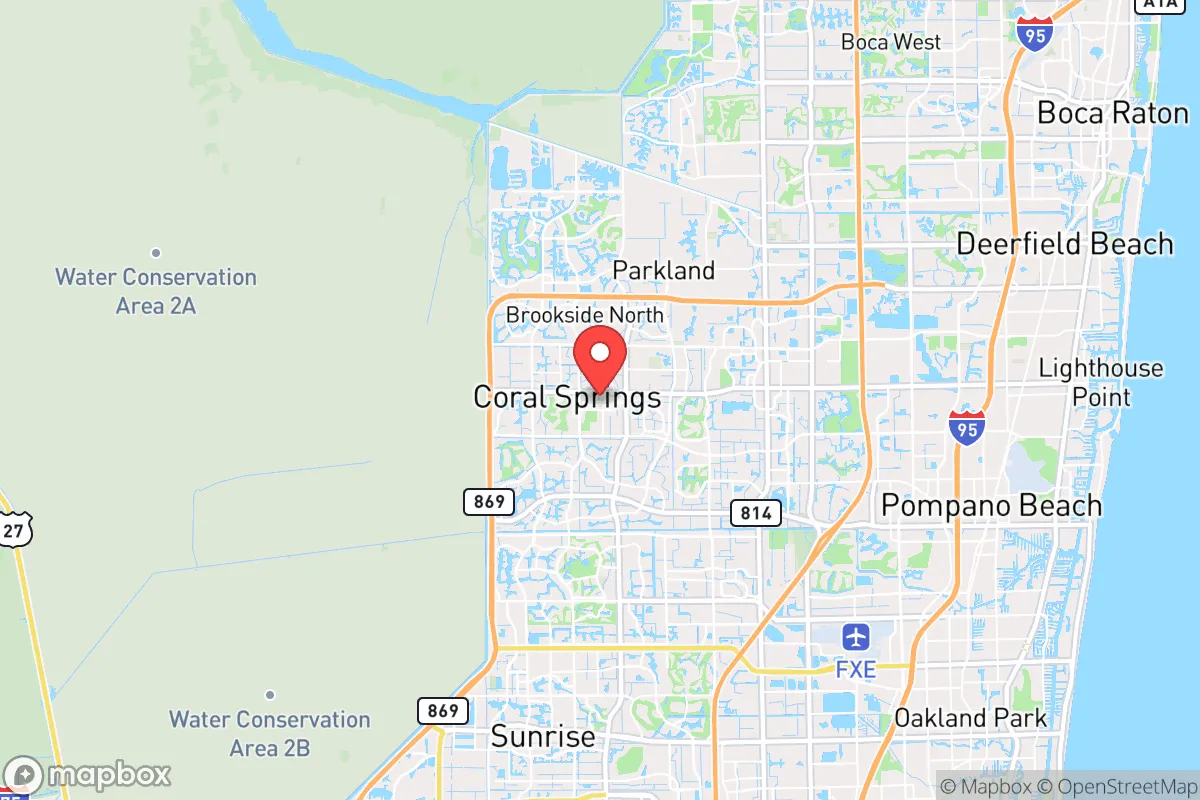
Photo: Wikipedia
Quality of Life in Coral Springs, FL
A high quality of life with strong walkability, manageable living costs, healthy neighborhood signals, and solid amenity access.
What does Quality of Life tell us?
Quality of Life blends cost of living, nearby amenities, socioeconomic signals, and neighborhood character. City-level scores represent the whole municipality; individual neighborhoods can differ.
What does this tell us?
Quality of Life blends cost of living, nearby amenities, socioeconomic signals, and neighborhood character. City-level scores represent the whole municipality; individual neighborhoods can differ.
Cost of Living
72% above national average
The Real Cost of Living in Coral Springs, FL for 2026
| Tier | Individual | Family (4) |
|---|---|---|
| Survival | $31k | $59k |
| Comfortable | $98k | $144k |
| Luxury | $145k+ | $225k+ |
| Elite (Top 5%) | $171k+ | $265k+ |
63%
The Area Signal
A metric tracking the socioeconomic signals of the area.
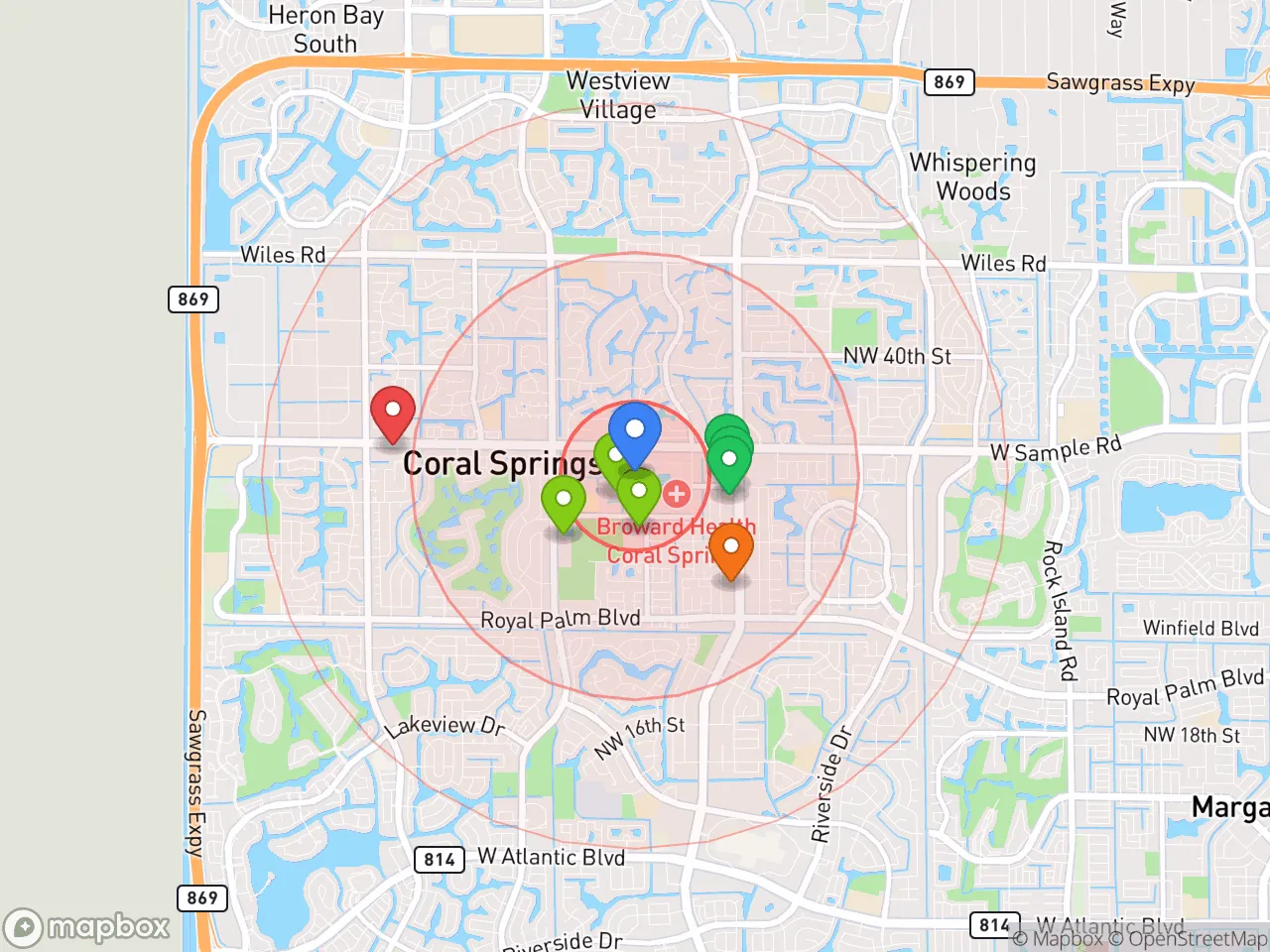
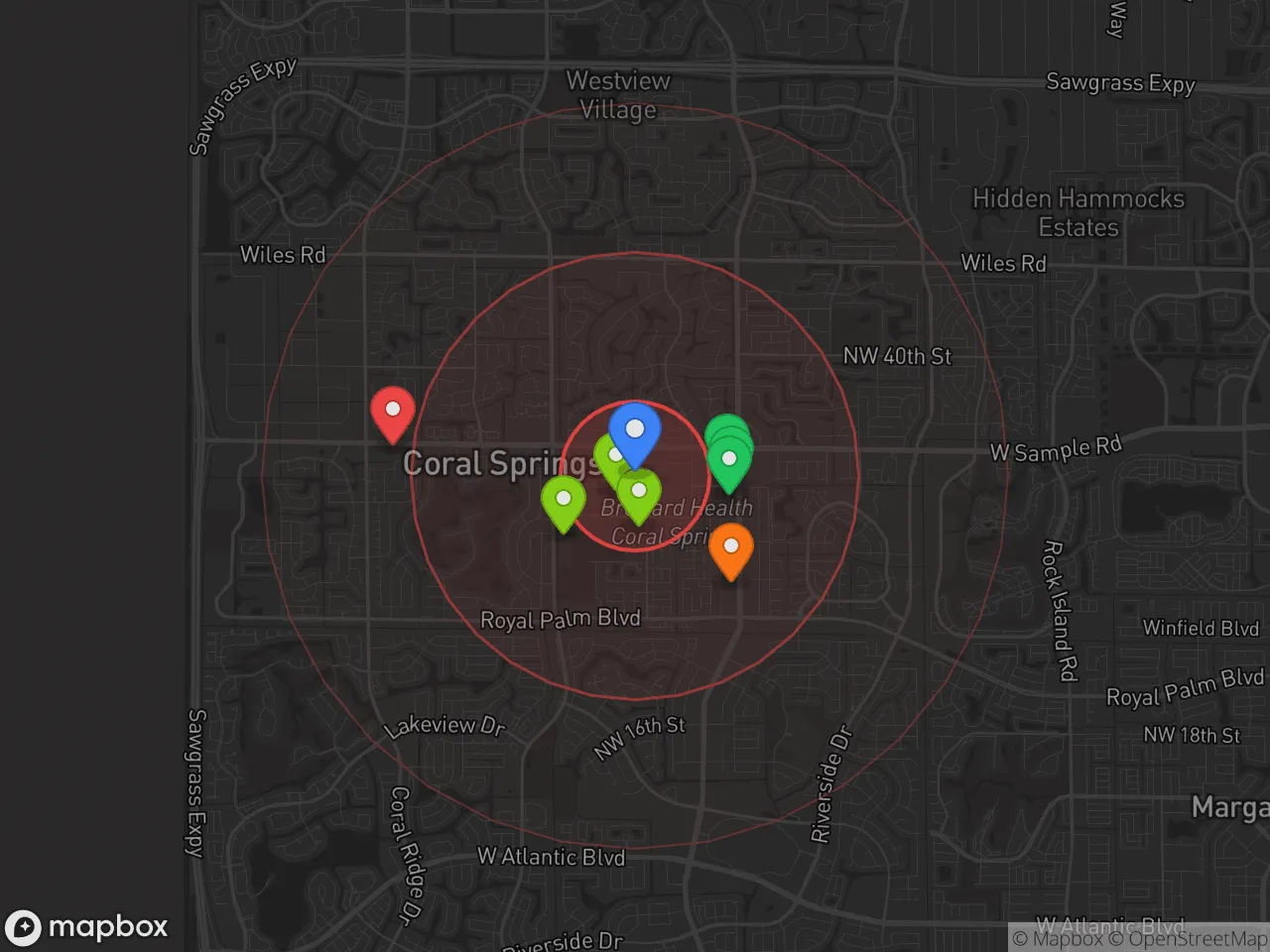
Hobbies
Explore the areaGroceries
6 within 10 miles
Gas
20 within 10 miles
Hospital
20 within 20 miles
Airport
FLL — Fort Lauderdale–Hollywood
Post Office
USPS — Coral Springs, FL
Critical Amenities
Quality-of-Life Analysis
Coral Springs, Florida, is an affluent, family-oriented suburb in Broward County, known for its master-planned layout, high median home values, and a population that skews toward professionals and families seeking a quieter alternative to Fort Lauderdale or Miami. With a cost of living index of 172—well above the national average of 100—the city attracts residents who prioritize safety, strong schools, and well-maintained parks over urban nightlife or low housing costs. The typical resident is a homeowner in a single-family house, commuting to professional jobs in healthcare, education, or corporate offices within the greater Fort Lauderdale-Pompano Beach metro area.
Cost of living, housing prices, and affordability compared to nearby cities
Coral Springs is one of the pricier suburbs in Broward County, driven largely by housing. The median home value sits at $502,700, which is roughly 25% higher than the national median and significantly above the Florida state median of about $392,000. Renters face a median monthly rent of $1,951, which is comparable to rents in nearby Parkland but lower than in coastal cities like Fort Lauderdale (where median rent exceeds $2,200). The overall cost of living index of 172 means everyday expenses—groceries, utilities, transportation—are roughly 72% higher than the U.S. average. For context, a household earning the Broward County median income of roughly $67,000 would find housing costs in Coral Springs to be a stretch, as the typical mortgage payment on a $502,700 home (with 20% down at current 2026 rates) would consume over 40% of gross income. Many residents therefore are dual-income professional couples or established families with higher-than-average household incomes, often exceeding $100,000 annually. Compared to nearby Parkland (median home value ~$750,000) or Boca Raton (~$600,000), Coral Springs offers a relatively more attainable entry point into an upscale suburban lifestyle, though it remains out of reach for many first-time buyers or renters on a single income.
Parks, schools, and the daily rhythm of life in Coral Springs
Daily life in Coral Springs revolves around its extensive network of parks, highly rated public schools, and community-oriented amenities. The city operates over 30 parks, including the 55-acre Sportsplex and the Coral Springs Center for the Arts, which hosts concerts and theater productions. The Broward County Public Schools system serves the area, with several Coral Springs schools earning A or B grades from the Florida Department of Education—notably Coral Springs High School and Forest Glen Middle School. The average commute time of 28.9 minutes is slightly shorter than the national average of 26.4 minutes, reflecting the city’s location along the Sawgrass Expressway (SR 869) and proximity to major employment hubs like Sunrise (home to the BB&T Center and corporate offices) and Fort Lauderdale. Most residents drive to work, as public transit options are limited to Broward County Transit bus routes. The city’s layout—with wide, tree-lined streets, strict zoning, and a low crime rate (violent crime is roughly 60% lower than the Florida average)—creates a safe, predictable environment where families can walk to neighborhood parks and children can bike to school. Retail and dining are concentrated along University Drive and Coral Ridge Drive, with chains like Whole Foods and local eateries serving the suburban crowd.
Families and professionals who value safety, strong public schools, and a well-planned suburban environment will thrive in Coral Springs. The city is less suited for young singles seeking walkable nightlife or for budget-conscious renters, given the high cost of living and car-dependent layout. Retirees may also find it appealing if they prioritize quiet neighborhoods and access to healthcare (Broward Health Coral Springs is a major hospital), though the lack of a downtown core may feel isolating. For those who can afford the premium, Coral Springs delivers a consistently high quality of life with low crime, good schools, and ample green space—a classic Florida suburb that has aged well since its founding in the 1960s.

Crime in Coral Springs, FL
Lower crime rates than 80% of comparable U.S. locations.
Violent CrimeViolent Crime Analysis
Property CrimeProperty Crime Analysis
Crime Analysis
Coral Springs, Florida, maintains a safety profile that is significantly better than both state and national averages, with a violent crime rate of 116 per 100,000 residents and a property crime rate of 869.7 per 100,000. These figures place the city in a favorable position compared to many other communities in Broward County, though residents should remain aware of broader regional crime trends and the potential impact of local justice system policies.
Crime in context
Coral Springs' violent crime rate of 116 per 100,000 is roughly 70% lower than the national average of approximately 380 per 100,000 and well below the Florida state average of about 380 per 100,000. The property crime rate of 869.7 per 100,000 is also substantially lower than the national average of roughly 1,950 per 100,000. However, as part of the larger South Florida metropolitan area, Coral Springs is not immune to the effects of regional crime patterns. Broward County, like many large metro areas, has seen debates over progressive prosecutorial policies in recent years. The election of reform-minded state attorneys and judges in some parts of the county has raised concerns among residents about lenient sentencing and reduced consequences for repeat offenders, which can undermine the safety gains achieved by local law enforcement.
What residents experience
For daily life in Coral Springs, the low violent crime rate means that incidents like homicide, robbery, and aggravated assault are rare. The most common property crimes are theft from vehicles and residential burglary, often concentrated in areas near major thoroughfares like University Drive and Sample Road. Residents typically report feeling safe walking in their neighborhoods during the day, though vehicle break-ins remain a persistent nuisance, particularly in shopping center parking lots and apartment complexes. The Coral Springs Police Department maintains a strong community presence through neighborhood watch programs and regular patrols, which helps keep crime in check. However, the broader context of a large metro area with progressive justice policies means that criminals arrested in Coral Springs may face inconsistent consequences if their cases are processed through county courts with a reputation for prioritizing offender rehabilitation over public safety.
Neighborhood-level variation
Safety in Coral Springs is not uniform across all areas. The western sections of the city, particularly neighborhoods west of Coral Springs Drive and north of Royal Palm Boulevard, tend to have the lowest crime rates, with many gated communities and active homeowners' associations. The eastern side, closer to the city's border with Tamarac and along the Sawgrass Expressway corridor, sees slightly higher property crime rates. The area around the Coral Springs Mall and the downtown district experiences more frequent theft and occasional disturbances, though violent incidents remain uncommon. Prospective residents should research specific block-level data through the Coral Springs Police Department's online crime map, as even within a generally safe city, proximity to major roads and commercial zones can significantly affect personal risk.
* Values derived from national, state, county, city and local statistics and may differ in a specific area. Last updated: 2026-05-03T14:15:03.000Z
Narrative content on this page is AI-generated and may contain mistakes. Verify any details that matter before acting on them.
ReloMaps may earn a commission from affiliate links at no extra cost to you.

