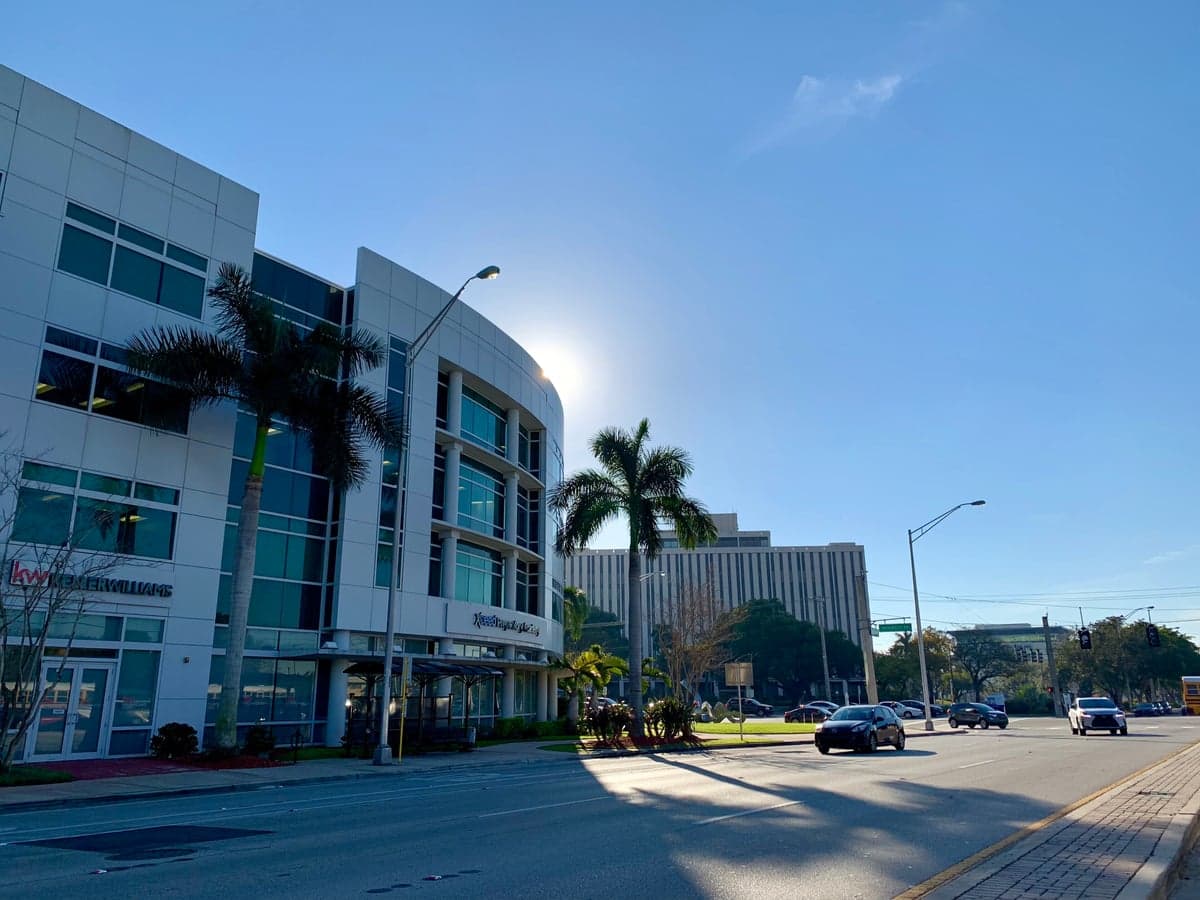
Photo: Wikipedia
Strategic Assessment of Coral Springs, FL
Multiple tactical vulnerabilities. Population density, target proximity, or disaster risk are likely compounding. A retreat property and exit planning is required.
What does the Strategic Assessment tell us?
Our Strategic Assessment grades tactical survivability of an area. Major population centers, military targets, fallout zones, natural disasters, and border exposure all drive risk — lower exposure means a more defensible position in a crisis.
This is heavily inspired by Joel Skousen's Strategic Relocation book. Highly recommended you checkout the book ($)What does this tell us?
Our Strategic Assessment grades tactical survivability of an area. Major population centers, military targets, fallout zones, natural disasters, and border exposure all drive risk — lower exposure means a more defensible position in a crisis.
This is heavily inspired by Joel Skousen's Strategic Relocation book. Highly recommended you checkout the book ($)Strategic Pillars

Key Distances
Regional Safe Places
Below is our recommended "safe zones" in Florida and the surrounding area based on our strategic heuristics. For most people, it's unrealistic to live in a “safe zone” full-time due to work, family or other personal reasons. They tend to be more rural. However, many of these areas are perfect for second homes and retreat properties that double as a vacation home or even a short-term rental.

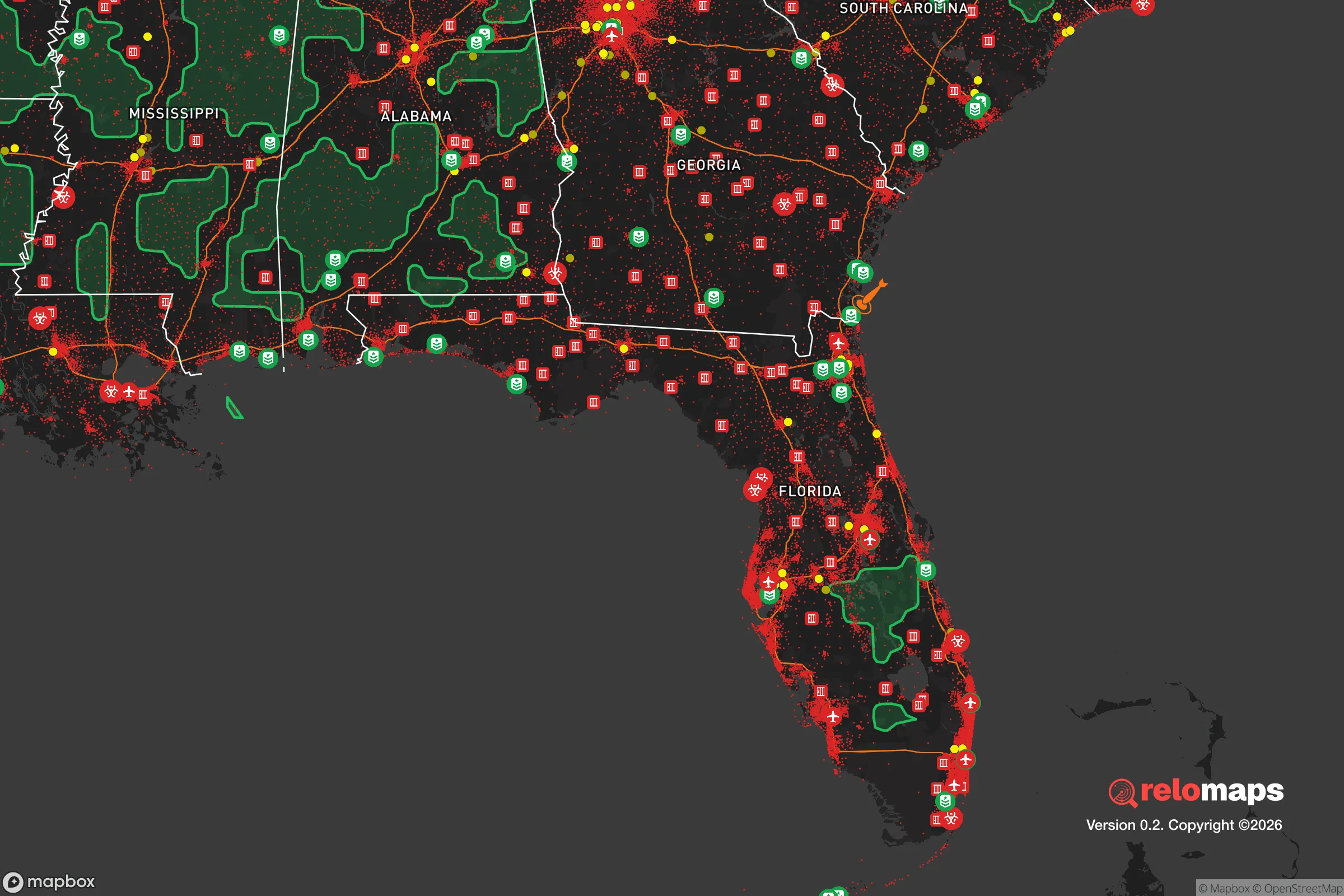


Important Note: For informational purposes only. This does not mean nothing bad ever happens in the green zones. Please use common sense. This is based on public data and modeled with AI. We tried to take a conservative approach but mistakes happen. We update this regularly as new information becomes available.
Solar Generator Recommendations
Backup power matters more here than in safer locations. We've picked three solar generators across budgets and capacity tiers — start with the budget unit if you only need a few essentials, or step up if you want to run a fridge and HVAC for days at a time.

Jackery Portable Power Station Explorer 300
Budget OptionPower on the Go: Weighing only 11 lbs, it's convenient to set up and store with book-sized foldable solar panels

BLUETTI Portable Power Station AC180
Designed for both indoor and outdoor scenarios, AC180 is highly capable as it has a robost capacity and continuous output power.

EF ECOFLOW DELTA Pro Ultra Power Station
Upgraded PickEcoFlow DELTA Pro Ultra is a whole-home energy system designed to grow with your family. Integrated with the Smart Home Panel 2, it scales to meet your evolving energy needs — keeping your home powered, intelligent, and secure through every stage of life.
We earn a commission, at no additional cost to you.
Strategic Assessment Analysis
Coral Springs, Florida, presents a complex picture for the strategic relocator. While its manicured lawns and family-friendly reputation suggest stability, its position within the greater South Florida metroplex introduces significant vulnerabilities that a prepper or survivalist must weigh carefully. The city’s resilience is tied less to natural fortifications and more to its role as a suburban buffer zone—close enough to major economic hubs for supply access, yet far enough to avoid the immediate crush of a catastrophic event, provided you have a plan to move quickly.
Geographic position and natural advantages for long-term stability
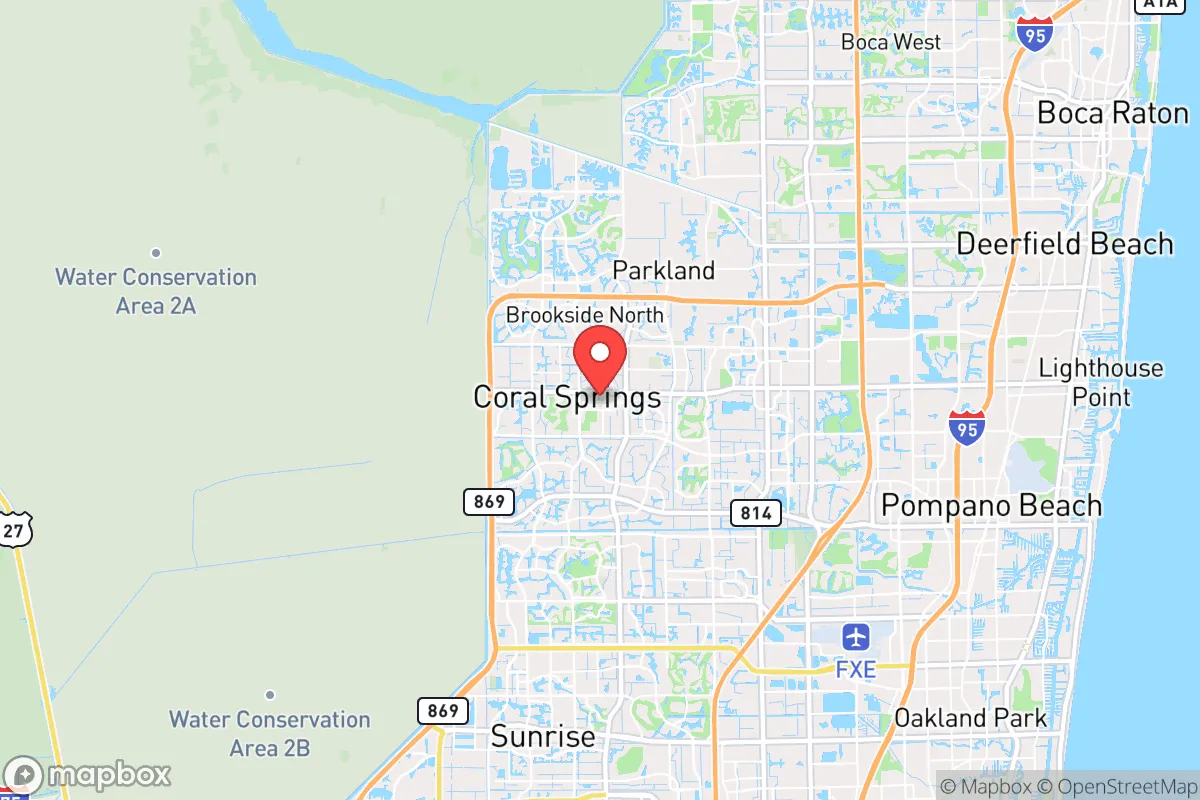
Coral Springs sits in northwest Broward County, roughly 20 miles inland from the Atlantic coast. This inland location offers a measurable advantage over coastal cities like Fort Lauderdale or Miami when considering hurricane storm surge—the primary killer in tropical events. The city’s elevation averages around 13 feet above sea level, which is high by South Florida standards, reducing but not eliminating flood risk. The Sawgrass Expressway (SR 869) and the Florida Turnpike provide arterial routes north and west, theoretically allowing egress toward the interior of the state. However, these roads are notorious for gridlock during evacuations; a 2024 study by the Florida Department of Transportation noted that a full evacuation of Broward County could take over 24 hours under current infrastructure. For the prepper, this means Coral Springs is defensible only if you have a secondary vehicle route—think surface streets like University Drive or Sample Road—and a willingness to leave before the official order. The city’s network of canals and the nearby Everglades offer limited natural water sources, but they also create chokepoints for movement and attract wildlife that could become a nuisance or threat in a prolonged grid-down scenario.
Risks, exposures, and proximity to fallout-relevant landmarks
The most glaring vulnerability for Coral Springs is its proximity to high-value, high-risk targets. The city lies roughly 30 miles from Port Everglades, one of the busiest cargo and cruise ports in the United States, and about 35 miles from Miami International Airport and the Port of Miami. In a major conflict or terrorist event, these are prime targets for disruption or attack. Additionally, the Turkey Point Nuclear Generating Station is located about 50 miles south in Homestead. While 50 miles provides some buffer, prevailing winds during a radiological release could carry fallout northward, potentially affecting Coral Springs within hours. The city itself is home to no major military installations, but the Broward County Sheriff’s Office headquarters and several federal facilities in nearby Fort Lauderdale could become focal points for civil unrest. The dense suburban population—over 130,000 residents in Coral Springs alone, with over 1.9 million in Broward County—means that any localized disaster (chemical spill, power grid failure, civil disturbance) will cascade rapidly. Food and fuel supplies in the area are dependent on just-in-time delivery, with most grocery stores holding only 3–5 days of inventory. A port closure or highway blockade would empty shelves within 48 hours, based on FEMA’s 2023 logistics assessments for the region.
Practical resilience for a relocator: food, water, energy, and defensibility
For the individual or family looking to hunker down, Coral Springs presents serious challenges. The water supply comes from the Biscayne Aquifer, which is shallow and vulnerable to saltwater intrusion during storm surges or sea-level rise. Municipal water treatment plants rely on electrical pumps; a prolonged power outage means no running water. A well is not a viable option for most residential lots due to the high water table and strict county permitting. Rainwater collection is legal in Florida but requires a permit for systems over 500 gallons, and the summer rainy season (June–September) is the only reliable window for capture. Energy-wise, the grid is above-ground and prone to failure during hurricanes. Solar with battery backup is feasible—Florida has net metering laws—but HOA restrictions in many Coral Springs neighborhoods can limit panel placement. Natural gas is available in parts of the city, which is a plus for cooking and heating during outages. Defensibility is poor: the city is a grid of cul-de-sacs and arterial roads with no natural high ground or chokepoints. Your best bet for security is a tight-knit street-level mutual assistance group, as police response times in a widespread event would stretch to hours or longer. The Coral Springs Police Department is well-funded and professional, but they cannot protect every home during a citywide crisis. For the prepper, this location demands a “gray man” approach—blending in, maintaining low stockpiles visible to neighbors, and having a pre-planned bug-out route north toward the less densely populated areas of Lake Okeechobee or the Panhandle.
The overall strategic picture for a conservative relocator
Coral Springs is not a survivalist’s paradise, nor is it a death trap. It offers a decent quality of life under normal conditions, with good schools, low violent crime rates relative to the county average, and a strong sense of community among its predominantly conservative-leaning residents. But the strategic calculus changes when you factor in the fragility of the South Florida infrastructure. The city’s dependence on a single major highway for evacuation, its proximity to multiple high-value targets, and its vulnerability to both natural and man-made disasters make it a location that requires constant vigilance and a robust contingency plan. For the relocator who values proximity to employment and family but wants to maintain a prepper mindset, Coral Springs can work—if you treat it as a temporary base, not a final redoubt. Stockpile at least 30 days of food and water, invest in a reliable vehicle with off-road capability, and establish a relationship with a rural property owner 100+ miles north for a true retreat. The city’s greatest strength is its ordinariness; in a crisis, that ordinariness can become a liability if you’re not prepared to move decisively.

* Values derived from national, state, county, city and local statistics and may differ in a specific area. Last updated: 2026-05-03T14:15:03.000Z
Narrative content on this page is AI-generated and may contain mistakes. Verify any details that matter before acting on them.
ReloMaps may earn a commission from affiliate links at no extra cost to you.

