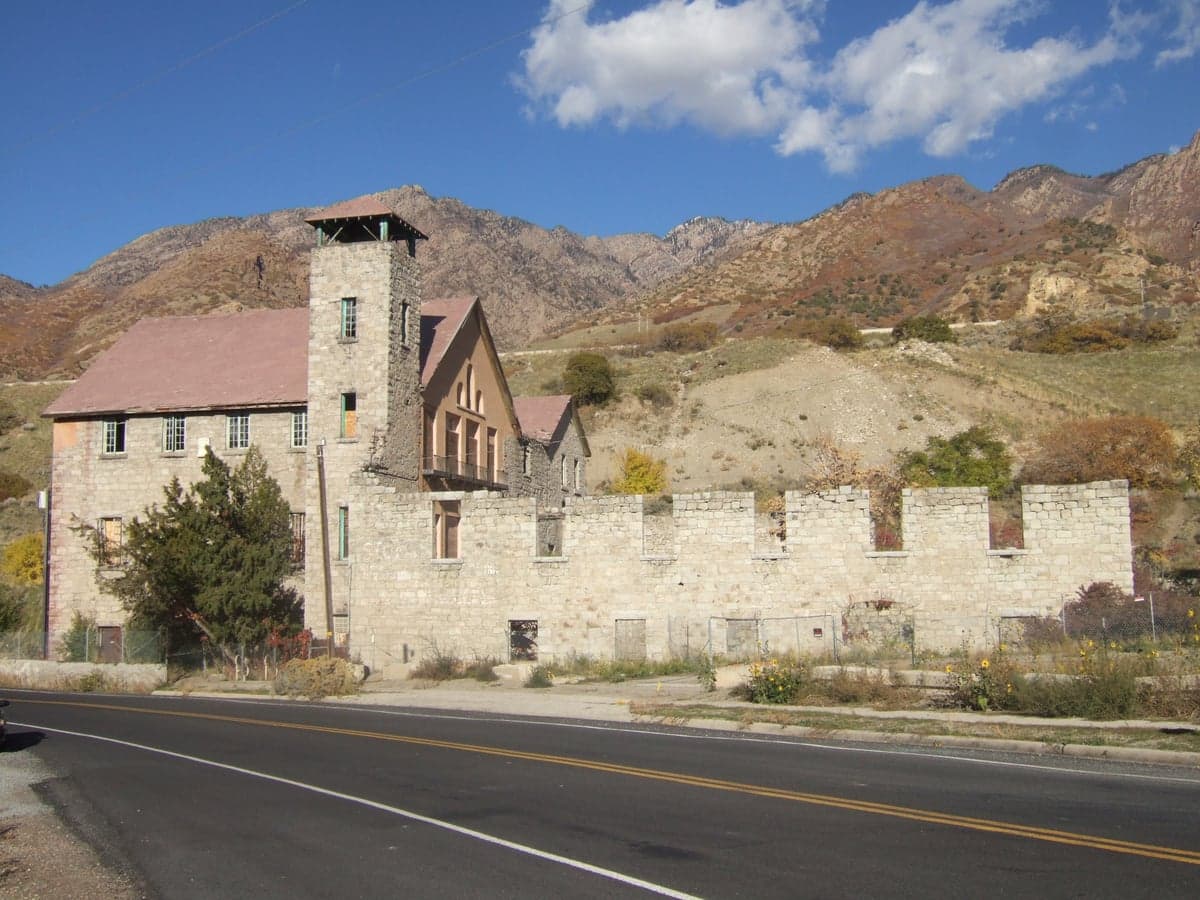
Photo: Wikipedia
Political ClimatePolitical Climate in Cottonwood Heights, UT
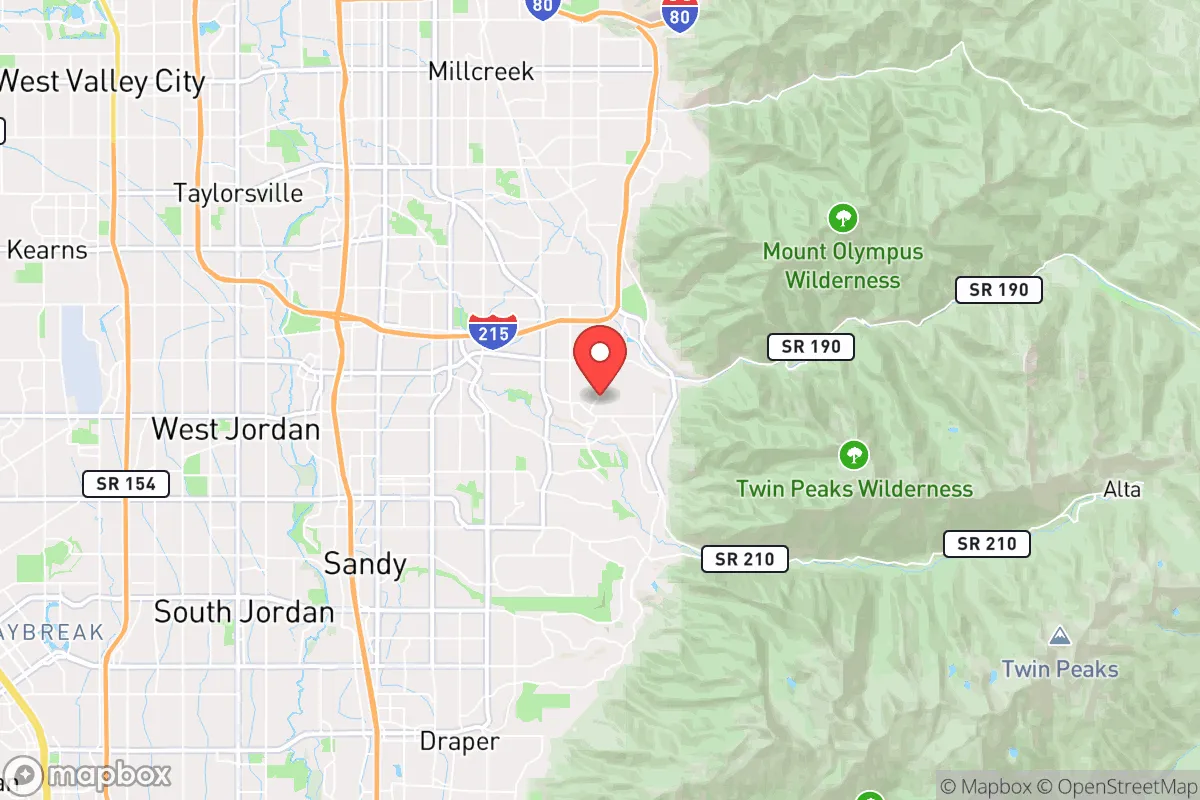
District shown is the primary district for this city’s centroid. Cities may span multiple districts.
Local Political AnalysisPolitical Analysis of Cottonwood Heights, UT
Cottonwood Heights leans solidly conservative, with a Cook PVI of R+10, meaning the area votes about ten points more Republican than the national average. That’s not just a number on a map—it reflects a deep-rooted preference for limited government, low taxes, and personal responsibility that’s been the norm here for decades. But if you’ve lived here as long as I have, you’ve noticed the political winds shifting, and not always in a direction that sits well with folks who value their freedoms.
How it compares
Compared to nearby cities, Cottonwood Heights is a bit of a conservative island in an increasingly mixed region. Head west to Salt Lake City proper, and you’re looking at a solidly blue stronghold where progressive policies on zoning, taxes, and social issues are the norm. Drive south to Sandy or Draper, and you’ll find a similar conservative vibe, though Sandy has seen some creeping leftward trends in recent city council races. The real contrast is with Park City to the east, which is practically a liberal enclave—think high property taxes, strict environmental regulations, and a general acceptance of government meddling in daily life. Here in Cottonwood Heights, we’ve held the line better than most, but the pressure is mounting as new residents from out of state bring their big-government ideas with them.
What this means for residents
For those of us who value personal freedoms, the political climate here is a double-edged sword. On one hand, the local government has historically kept its hands off—no overreaching mask mandates during the pandemic, no heavy-handed business closures, and property taxes that stay reasonable compared to the Wasatch Front average. But the last few years have seen subtle shifts: a push for more affordable housing mandates that could infringe on property rights, and a growing chorus for “equity” initiatives in local schools that sound an awful lot like government overreach into how we raise our kids. The city council, while still majority conservative, has a few members who seem more interested in following national trends than listening to longtime residents. If you’re the type who believes your home and your family are your own business, you’ll want to keep a close eye on local elections—because the progressive playbook is being tested here, one small ordinance at a time.
Culturally, Cottonwood Heights still feels like a place where neighbors look out for each other without needing a government program to do it. The strong LDS influence reinforces that sense of community and self-reliance, but it also means there’s a quiet pressure to conform—which can be a double-edged sword for those who value individual expression. The biggest policy distinction is the city’s resistance to the kind of high-density, transit-oriented development that’s swallowing up other parts of the valley. That’s a good thing for keeping our neighborhoods intact, but it also means we’re fighting a constant battle against state-level planners who see our open space as an opportunity for more government-funded projects. If the trend continues, expect more battles over property rights, school curriculum, and local control in the next decade. For now, it’s still a great place to live if you value your freedom—but don’t take it for granted.

State Political ClimatePolitical Climate in Utah
State Political AnalysisPolitical Environment in the State
Utah has long been one of the most reliably conservative states in the Union, with a Republican trifecta controlling state government for decades and a political culture deeply rooted in the values of the Church of Jesus Christ of Latter-day Saints. The state’s partisan lean is overwhelming: Donald Trump won Utah by 20 points in 2024, and every statewide office is held by a Republican. However, the last 10-20 years have seen a subtle but real shift, with the Wasatch Front—especially Salt Lake County—becoming more competitive, while rural and suburban areas have only hardened their conservative stance. For a conservative considering relocation, Utah still offers a stronghold of traditional values, but the growing influence of tech transplants and a younger, more secular population in the urban core is something to watch.
Urban vs. rural divide
The political map of Utah is a study in contrasts. The Wasatch Front, stretching from Ogden through Salt Lake City to Provo, is where the vast majority of the state’s population lives, and it’s here that the political battle lines are drawn. Salt Lake County, home to over a million people, has trended purple in recent cycles—Joe Biden actually won the county in 2020, though Trump narrowly carried it back in 2024. The city of Salt Lake itself is a blue island, with progressive politics on issues like housing and transit, while the suburbs like Sandy and Draper remain reliably red. Head south to Utah County, anchored by Provo and Lehi, and you’re in the heart of conservative Mormon country—Trump won there by 40 points in 2024. Rural Utah, from St. George in the southwest to Vernal in the Uinta Basin, is deeply red, with many counties giving Trump 80% or more of the vote. The divide isn’t just about population density; it’s about culture. The urban core is increasingly secular and influenced by out-of-state transplants, while the suburbs and rural areas hold fast to traditional family values, gun rights, and limited government.
Policy environment
Utah’s policy environment is a conservative’s dream in many respects. The state has a flat income tax rate of 4.65% (down from 4.95% in 2024 after a legislative push), no state-level property tax on vehicles, and a sales tax that hovers around 6-7% depending on local add-ons. The regulatory posture is business-friendly, with right-to-work laws and minimal red tape for entrepreneurs. On education, Utah has a robust school choice program, including the Utah Fits All Scholarship, a universal education savings account (ESA) program passed in 2023 that gives parents up to $8,000 per child for private school, homeschooling, or tutoring. This is a major win for parental rights. Healthcare policy is more mixed—Utah did expand Medicaid under the Affordable Care Act via a 2018 ballot initiative, but the legislature has since added work requirements. Election laws are solid: voter ID is required, and the state has a strong system of mail-in voting that still requires signature verification. However, there’s a growing concern among conservatives about the influence of the Count My Vote movement, which pushed for open primaries and signature-gathering paths to the ballot, weakening the party caucus system that once gave grassroots activists real power.
Trajectory & freedom
On the freedom front, Utah is a mixed bag trending in the right direction on some issues but slipping on others. The state has some of the strongest Second Amendment protections in the country—constitutional carry was passed in 2021, meaning no permit is needed to carry a concealed firearm. Property rights are generally respected, though the state’s rapid growth has led to zoning battles, particularly along the Wasatch Front. On medical autonomy, Utah has been a leader in protecting parental rights: the Utah Parental Rights in Education Act (2023) requires schools to notify parents if a child requests a name or pronoun change, and the state banned gender-affirming surgeries for minors in 2023. However, there are warning signs. The legislature passed a statewide anti-discrimination law in 2015 that includes sexual orientation and gender identity in housing and employment, which some conservatives see as government overreach into private business decisions. More recently, the Utah Inland Port Authority and other economic development projects have raised concerns about eminent domain and crony capitalism. The biggest freedom concern is the growing tax burden—while rates are low, property taxes have risen sharply in fast-growing areas like Tooele and Eagle Mountain as local governments scramble to fund infrastructure.
Civil unrest & political movements
Utah is not a hotbed of civil unrest, but it has seen its share of political flashpoints. The John Birch Society and other conservative activist groups have a strong presence in rural counties, often pushing for nullification of federal gun laws and land-use restrictions. In 2020, Black Lives Matter protests in Salt Lake City turned violent, with property damage and clashes with police, but they were smaller and shorter-lived than in many other cities. Immigration politics are relatively calm—Utah has no sanctuary cities, and the legislature passed a strict E-Verify requirement for employers in 2022. However, the Utah Compact, a 2010 declaration supporting a humane approach to immigration, still influences some Republican leaders, creating tension with more hardline factions. Election integrity has been a minor issue—the state’s universal mail-in voting system has drawn criticism from some conservatives, but audits have consistently shown no significant fraud. The most visible political movement in recent years has been the “Parents for Educational Choice” coalition, which successfully pushed for the ESA program and has become a powerful force in local school board elections, especially in suburbs like Farmington and Kaysville.
Projection
Looking ahead 5-10 years, Utah’s political trajectory is a tale of two trends. On one hand, the state is growing fast—over 15% population increase since 2020—driven by in-migration from California and other blue states. Many of these newcomers are conservative-leaning families and tech workers who value low taxes and safety, but they also bring more secular and libertarian attitudes that could dilute the traditional Mormon influence. The Wasatch Front will likely continue to purple, with Salt Lake County potentially becoming a swing county in statewide races. However, the state’s rural and suburban areas are only getting redder, and the legislature’s supermajority is unlikely to be threatened. The biggest wildcard is the Utah Democratic Party, which has struggled to gain traction outside of Salt Lake City. For a conservative moving in now, expect to find a state that remains a stronghold for traditional values, but with a growing urban-rural divide that could lead to more intra-party fights between establishment Republicans and grassroots conservatives. The ESA program and parental rights laws are likely to be protected, but watch for battles over zoning, property taxes, and the influence of big tech money in local politics.
For a new resident, the bottom line is this: Utah offers a high degree of personal freedom, low taxes, and a culture that still respects family and faith. But it’s not a static paradise—the urban core is shifting, and the state’s rapid growth is creating pressures on housing, infrastructure, and the political consensus. If you’re looking for a place where your values are the norm and your voice matters in local government, Utah is still one of the best bets in the country. Just keep an eye on the Wasatch Front, because that’s where the future of the state will be decided.
* Values derived from national, state, county, city and local statistics and may differ in a specific area. Last updated: 2026-04-21T10:11:39.000Z
Narrative content on this page is AI-generated and may contain mistakes. Verify any details that matter before acting on them.
ReloMaps may earn a commission from affiliate links at no extra cost to you.

