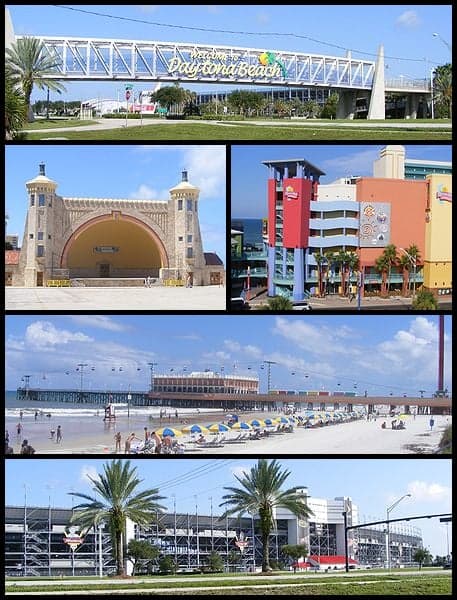
Photo: Wikipedia
Quality of Life in Daytona Beach, FL
A high quality of life with strong walkability, manageable living costs, healthy neighborhood signals, and solid amenity access.
What does Quality of Life tell us?
Quality of Life blends cost of living, nearby amenities, socioeconomic signals, and neighborhood character. City-level scores represent the whole municipality; individual neighborhoods can differ.
What does this tell us?
Quality of Life blends cost of living, nearby amenities, socioeconomic signals, and neighborhood character. City-level scores represent the whole municipality; individual neighborhoods can differ.
Cost of Living
1% below national average
The Real Cost of Living in Daytona Beach, FL for 2026
| Tier | Individual | Family (4) |
|---|---|---|
| Survival | $20k | $37k |
| Comfortable | $47k | $70k |
| Luxury | $91k+ | $140k+ |
| Elite (Top 5%) | $120k+ | $186k+ |
72%
The Area Signal
A metric tracking the socioeconomic signals of the area.
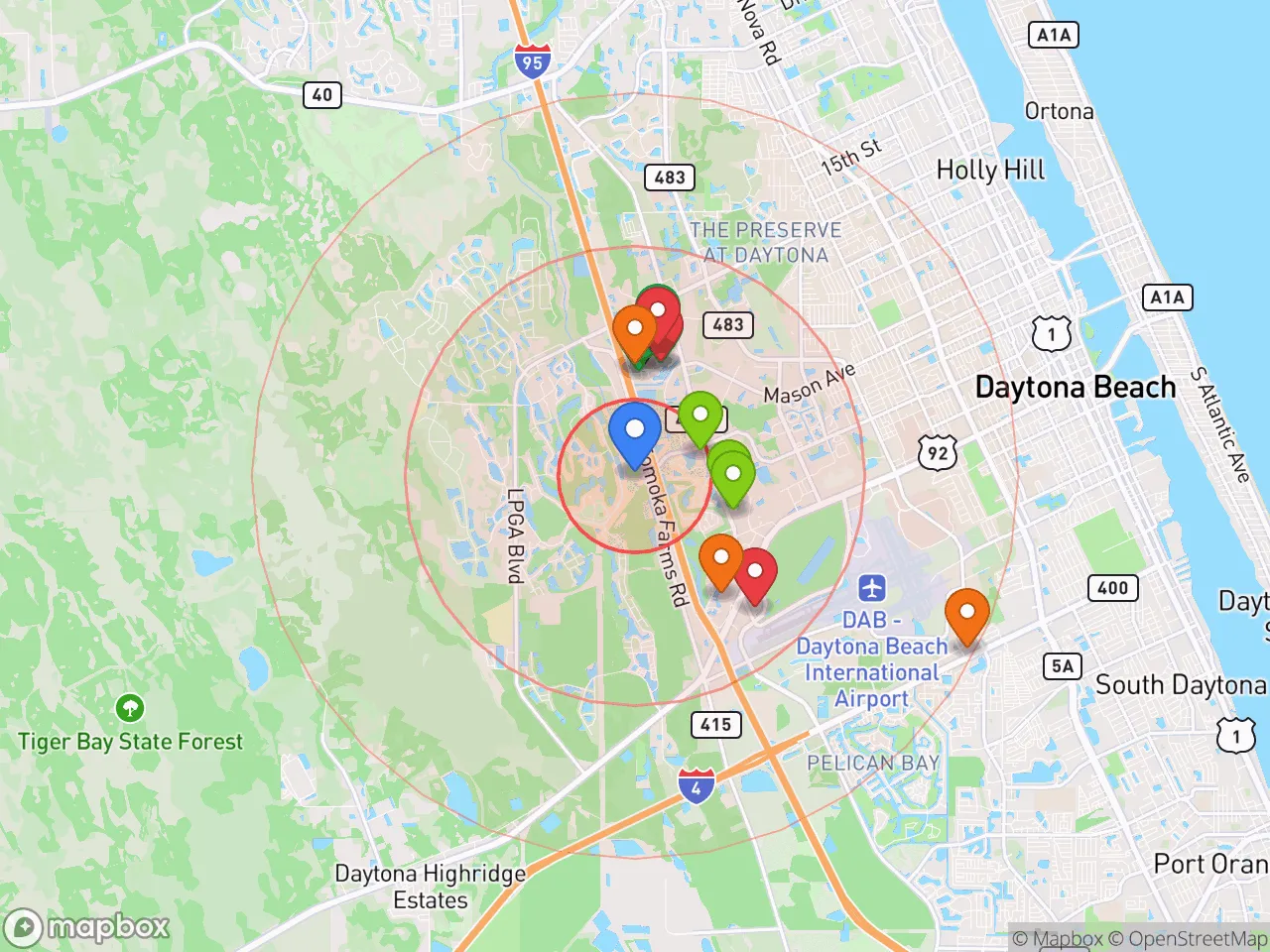
Hobbies
Explore the areaGroceries
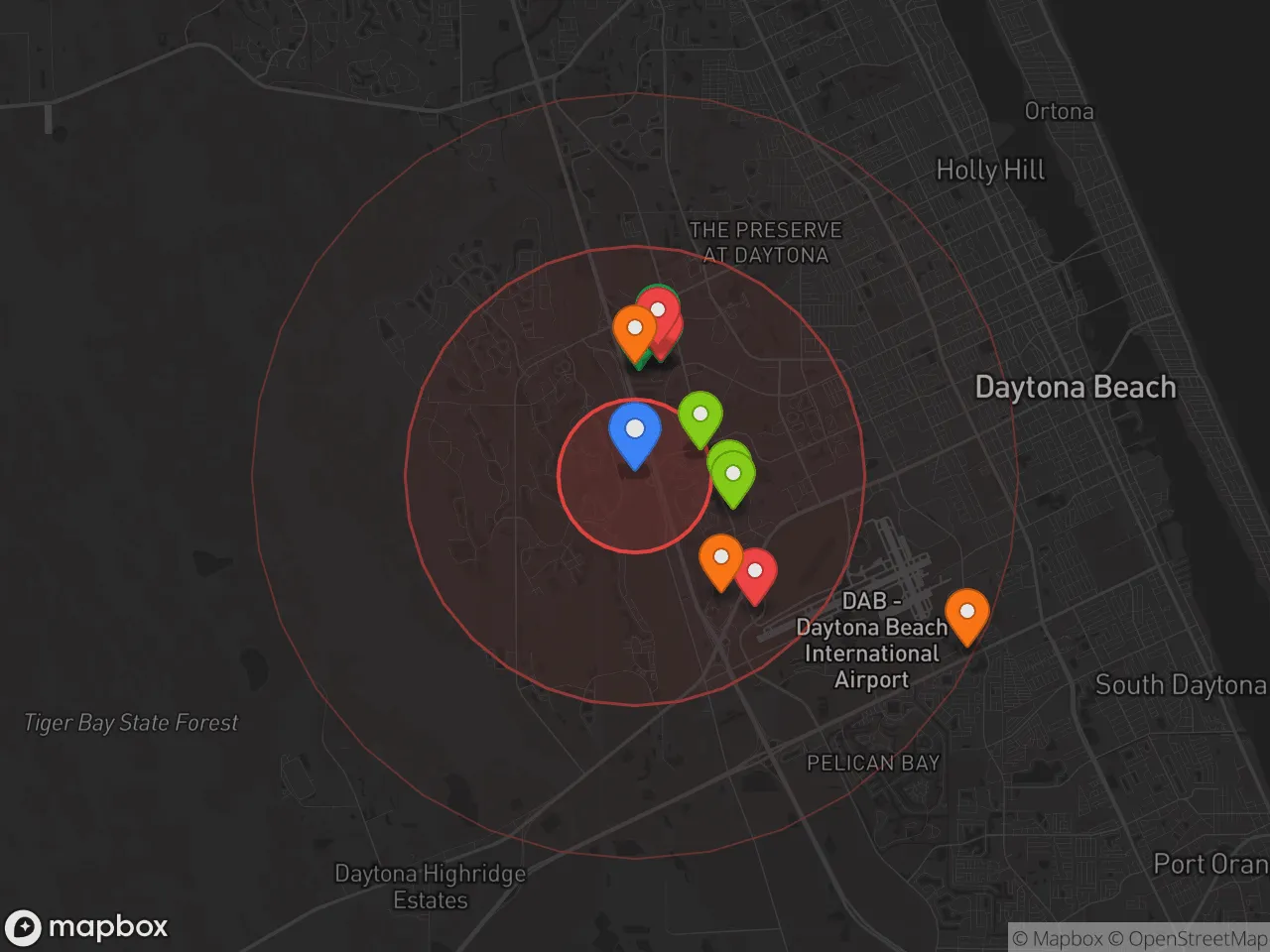
8 within 10 miles
Gas
20 within 10 miles
Hospital
13 within 20 miles
Airport
MCO — Orlando International
Post Office
USPS — Ormond Beach, FL
Critical Amenities
Quality-of-Life Analysis
Daytona Beach presents a middle-income profile with a cost-of-living index of 99 (on par with the U.S. average of 100), attracting a mix of retirees, remote workers, and service-industry employees drawn to its Atlantic coastline and relatively affordable housing. The median household income hovers near $45,000, below the national median, reflecting a local economy heavily tied to tourism, healthcare, and education. While not an affluent enclave, the area offers a pragmatic trade-off: lower housing costs than much of coastal Florida, balanced by a slower wage growth and a seasonal tourism-driven job market.
Cost of living, housing affordability, and how it compares to nearby cities
Daytona Beach’s cost-of-living index of 99 makes it cheaper than the national average and significantly more affordable than nearby coastal hubs like Orlando (index 103) or Jacksonville (index 96). The median home value of $244,300 is roughly $100,000 below the Florida statewide median, while the median rent of $1,239 undercuts the state average by about $200. For context, a comparable home in Ormond Beach (just north) might cost 10–15% more, and in New Smyrna Beach (south) prices can run 20% higher. The average commute of 21 minutes is notably shorter than the national average of 26 minutes, a practical advantage for workers at major employers like Daytona State College, Halifax Health Medical Center, or the Embry-Riddle Aeronautical University campus. However, property insurance costs in Volusia County are among the highest in Florida due to hurricane risk, adding $3,000–$5,000 annually to homeownership expenses—a factor that can erode the apparent affordability.
What daily life is like for families, amenities, and school quality
Daily life in Daytona Beach revolves around its 23 miles of beaches, the Daytona International Speedway, and a growing downtown riverfront district with breweries and the Brown & Brown building. The Volusia County School District serves the area with a graduation rate near 87%, slightly below the state average; notable high schools include Seabreeze High and Mainland High, both offering International Baccalaureate programs. For families, the Museum of Arts & Sciences, the Marine Science Center in nearby Ponce Inlet, and the Daytona Lagoon water park provide year-round recreation. The city’s rhythm is heavily seasonal: winter months (January–March) bring Bike Week, Speedweeks, and spring break crowds, while summer sees quieter weekdays and higher humidity. Healthcare access is solid, with Halifax Health Medical Center and AdventHealth Daytona Beach providing Level II trauma care. One trade-off is the limited public transit—Votran bus routes cover the core but are infrequent, making a car nearly essential for most errands and school commutes.
Who thrives here? Budget-conscious beach lovers, remote workers with stable out-of-area income, and retirees seeking a lower-cost coastal lifestyle will find Daytona Beach a practical fit. The 21-minute commute and below-average housing costs make it viable for middle-income households, but those seeking high-paying professional jobs, top-tier public schools, or a vibrant nightlife beyond tourist strips may find the trade-offs limiting. The area works best for people who prioritize beach access and affordability over prestige or rapid career growth.

Crime in Daytona Beach, FL
Generally safer than 73% of comparable U.S. locations.
Violent CrimeViolent Crime Analysis
Property CrimeProperty Crime Analysis
Crime Analysis
Daytona Beach, Florida, presents a mixed safety picture shaped by its dual identity as a tourist destination and a mid-sized city. The city’s overall crime rates are elevated compared to the national average, but the nature of crime is heavily skewed toward property offenses rather than violent acts. Travelers and residents alike should be aware that the city’s justice system operates under a progressive framework, which has been linked to higher recidivism and a greater number of offenders remaining on the street, directly impacting public safety and victim justice.
Crime in context
Daytona Beach’s violent crime rate stands at 166.8 incidents per 100,000 residents, which is below the Florida state average of roughly 380 per 100,000 and significantly lower than the national average of about 380 per 100,000. Property crime, however, is a more pressing concern at 735.6 per 100,000, exceeding both the state average (approximately 1,900 per 100,000) and the national average (around 1,950 per 100,000). While the violent crime figure is relatively low, the property crime rate is elevated, driven largely by thefts and vehicle break-ins tied to the city’s high tourist traffic. The presence of progressive district attorneys in the broader Volusia County judicial system has been cited by local law enforcement as a factor in reduced prosecution rates for property crimes, emboldening repeat offenders.
What residents experience
For those living in Daytona Beach, the most common safety concerns are property-related: car break-ins, package theft, and burglaries, particularly in areas near the beachfront and tourist corridors like International Speedway Boulevard. Violent crime is less frequent but does occur, with aggravated assault making up the majority of incidents. Residents often report feeling safe in their own neighborhoods during the day but express unease after dark, especially in areas with high foot traffic from bars and events like Bike Week or Speedweeks. The local justice system’s progressive lean—emphasizing diversion programs and reduced sentencing for non-violent offenders—has led to criticism from community groups who argue it undermines deterrence and leaves victims without adequate recourse.
Neighborhood-level variation is significant. Areas west of the Halifax River, such as the Daytona Beach Shores and the LPGA International corridor, tend to have lower crime rates and a stronger police presence. In contrast, the historic core near the Boardwalk and the Midtown district experience higher rates of both property and violent crime. Gated communities and newer developments in the city’s outskirts report fewer incidents, while older rental-heavy zones near the university see spikes in theft and disorder. Prospective residents are advised to research specific block-level data and consider that the city’s overall progressive judicial philosophy may result in less accountability for offenders, making neighborhood choice a critical factor in personal safety.
* Values derived from national, state, county, city and local statistics and may differ in a specific area. Last updated: 2026-04-24T12:29:37.000Z
Narrative content on this page is AI-generated and may contain mistakes. Verify any details that matter before acting on them.
ReloMaps may earn a commission from affiliate links at no extra cost to you.

