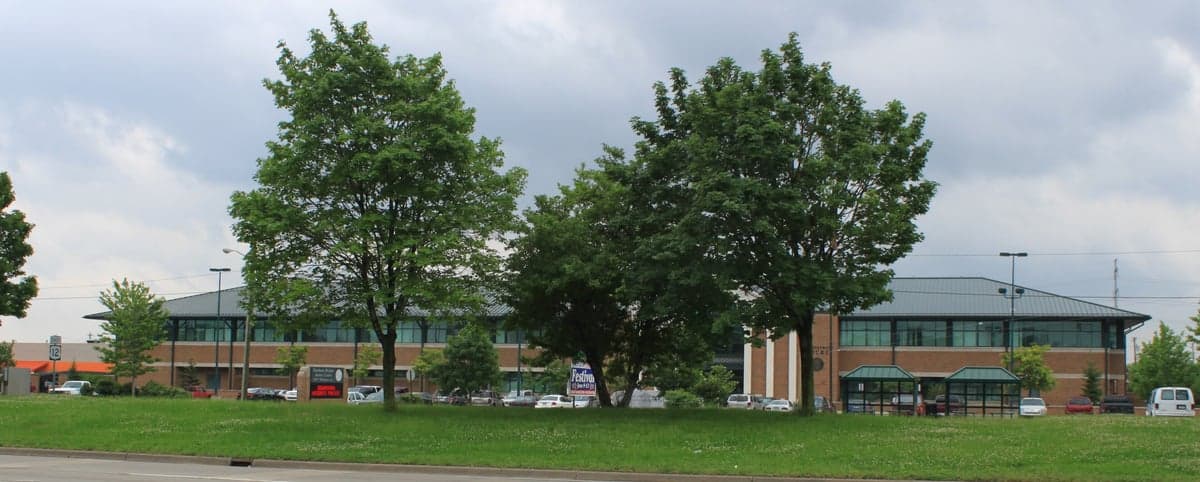
Photo: Wikipedia
Personal Sovereignty in Dearborn Heights, MI
Strong independent fundamentals that actively favor personal liberty and low regulation.
What does Personal Sovereignty tell us?
Personal Sovereignty measures your capacity for self-reliance and independence with minimal government friction. Higher scores mean fewer barriers between you and the way you want to live... but it assumes you have the space you need and good neighbors.
What does this tell us?
Personal Sovereignty measures your capacity for self-reliance and independence with minimal government friction. Higher scores mean fewer barriers between you and the way you want to live... but it assumes you have the space you need and good neighbors.
State Policy
Energy independence: Importer (20% of energy produced in-state)
Personal Liberty
Homesteading

Personal Liberty Analysis
Dearborn Heights offers a mixed bag for those prioritizing personal sovereignty, with Michigan’s state-level constraints tempering what is otherwise a relatively hands-off local environment. While the city itself does not aggressively enforce overreaching ordinances, residents must contend with a state government that has steadily expanded its reach into taxation, self-defense, and medical autonomy. For the survivalist or prepper, the key question is whether Dearborn Heights provides enough breathing room to live on your own terms, or if the regulatory creep from Lansing makes it a less-than-ideal outpost. The answer depends heavily on how much you’re willing to navigate state-level red tape while leveraging the city’s permissive zoning and low-key enforcement culture.
Tax burden and regulatory posture in Dearborn Heights
Michigan’s tax structure is a double-edged sword for those seeking fiscal autonomy. The state imposes a flat 4.25% income tax on all residents, which directly reduces the money you can reinvest into self-reliance projects like land improvements or emergency supplies. Property taxes in Dearborn Heights hover around 2.5% of assessed value—higher than the national average—though the city’s relatively modest home prices (median around $120,000) keep the annual bill manageable for a single-family home. On the regulatory front, Dearborn Heights maintains a business-friendly zoning code that does not require special permits for home-based enterprises like small-scale food production or repair services, as long as they don’t generate excessive traffic or noise. However, the state’s Michigan Occupational Safety and Health Administration (MIOSHA) imposes strict workplace rules that can complicate even small-scale operations, and the Michigan Department of Environment, Great Lakes, and Energy (EGLE) enforces water and waste regulations that limit off-grid septic or well installations on standard residential lots. For a prepper, the regulatory posture is tolerable but not ideal—you can run a modest homesteading operation, but you’ll need to stay under the radar of state inspectors.
Self-defense and gun law specifics in Michigan
Michigan’s gun laws have become a flashpoint for those prioritizing the right to keep and bear arms. The state requires a purchase license for handguns (obtained from local law enforcement) and a background check for all firearm sales, including private transactions—a significant departure from the free-market approach many conservatives prefer. Open carry is legal without a permit, but concealed carry requires a Concealed Pistol License (CPL), which involves an 8-hour training course and a $100 fee. In 2023, Michigan enacted a universal background check law and a red flag order statute, allowing courts to temporarily seize firearms from individuals deemed a risk—a provision that raises red flags for those concerned about government overreach. Dearborn Heights itself has not passed any local gun ordinances beyond state mandates, so enforcement is generally consistent with state law. For a survivalist, the takeaway is that Michigan is a shall-issue state for CPLs, meaning permits are granted if you meet the criteria, but the red flag law creates a vulnerability for anyone who might be reported by a neighbor or family member. The city’s police department is professional but not particularly proactive in enforcing gun laws beyond state requirements, which offers some breathing room for responsible gun owners.
Self-reliance and homesteading viability in Dearborn Heights
Dearborn Heights is a dense, older suburb with standard lot sizes averaging 0.15 to 0.25 acres, which limits large-scale homesteading. Most properties are post-war ranches or colonials with small backyards, making it difficult to raise livestock or maintain substantial gardens. The city’s zoning code permits chickens (hens only, no roosters) on lots of at least 7,500 square feet, but larger animals like goats or pigs are prohibited. Off-grid living is effectively impossible within city limits: Dearborn Heights requires connection to municipal water and sewer systems, and the state’s building codes mandate grid-tied electrical systems for new construction. Rainwater collection is allowed for non-potable uses like irrigation, but Michigan’s water rights laws restrict large-scale capture. For a prepper focused on self-reliance, the best strategy is to use the small lot for intensive gardening (raised beds, vertical growing) and food preservation, while relying on the city’s proximity to rural areas like Washtenaw County (30 minutes west) for larger-scale projects. The city does not enforce strict noise ordinances, so generators and power tools are generally fine, but neighbors may complain if you run them late at night. Overall, Dearborn Heights is a starter homesteading location—good for learning skills, but not for achieving full food or energy independence.
Personal liberties in Dearborn Heights: parental rights, medical autonomy, speech, and property
Michigan’s state-level policies have eroded several personal liberties that conservatives value. Parental rights have been weakened by the state’s opt-out system for sex education (parents must actively remove their children from classes) and a 2023 law that prohibits school districts from notifying parents about a student’s gender identity changes without the student’s consent—a direct challenge to family authority. Medical autonomy is constrained by Michigan’s mandatory vaccine requirements for school attendance (though religious exemptions are allowed) and the state’s Medicaid expansion, which ties public health funding to federal mandates. On speech, Dearborn Heights has not passed any local hate speech or mask ordinances, but the state’s Michigan Campaign Finance Act imposes strict disclosure requirements on political speech, including social media posts about candidates. Property rights are relatively strong: Michigan is a right-to-farm state, but that protection only applies to agricultural zones, not residential suburbs like Dearborn Heights. The city’s zoning board of appeals is generally reasonable about variances for fences, sheds, or home additions, but you’ll need to file paperwork for any structural changes. For a survivalist, the biggest concern is the state’s eminent domain authority, which has been used for infrastructure projects like the I-94 expansion—though Dearborn Heights has not seen recent aggressive takings. The city’s police department is responsive but not overbearing, and there are no local surveillance programs like ShotSpotter or automated license plate readers, which preserves a degree of anonymity.
In the broader context of Michigan, Dearborn Heights sits in the middle tier of personal sovereignty. It is far more permissive than cities like Ann Arbor or Detroit, which have stricter gun laws and higher taxes, but it cannot match the freedom of rural counties like Alcona or Montmorency, where zoning is minimal and property taxes are lower. For a conservative-leaning individual or family, the city offers a practical compromise: you can own firearms, keep chickens, and run a home business without constant government interference, but you must accept state-level constraints on medical choice, parental authority, and off-grid living. The real test of sovereignty in Dearborn Heights is whether you can build a resilient household within the existing legal framework—stockpiling supplies, training in self-defense, and cultivating a network of like-minded neighbors—while avoiding the attention of state regulators. For those willing to navigate the bureaucracy, it is a viable base of operations; for those seeking total autonomy, the rural Upper Peninsula or northern Lower Peninsula remain better bets. The city’s low crime rate (violent crime is about 30% below the national average) and stable property values provide a foundation for long-term planning, but the sovereignty ceiling is real and defined by Lansing, not Dearborn Heights.

* Values derived from national, state, county, city and local statistics and may differ in a specific area. Last updated: 2026-04-29T20:59:35.000Z
Narrative content on this page is AI-generated and may contain mistakes. Verify any details that matter before acting on them.
ReloMaps may earn a commission from affiliate links at no extra cost to you.

