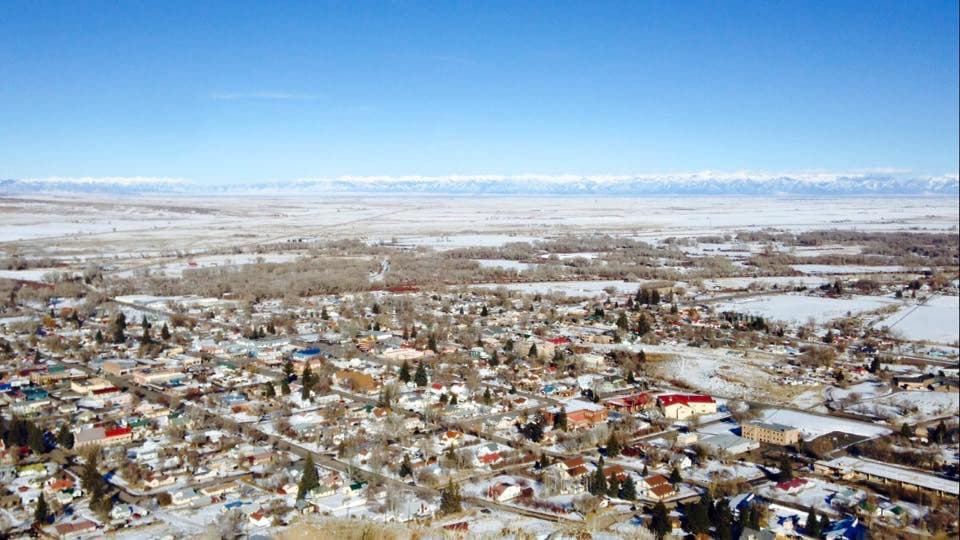
Photo: Wikipedia
Quality of Life in Del Norte, CO
Above-average quality of iife. The area offers a reasonable cost of living, decent mobility, and a mix of neighborhood amenities.
What does Quality of Life tell us?
Quality of Life blends cost of living, nearby amenities, socioeconomic signals, and neighborhood character. City-level scores represent the whole municipality; individual neighborhoods can differ.
What does this tell us?
Quality of Life blends cost of living, nearby amenities, socioeconomic signals, and neighborhood character. City-level scores represent the whole municipality; individual neighborhoods can differ.
Cost of Living
33% below national average
The Real Cost of Living in Del Norte, CO for 2026
| Tier | Individual | Family (4) |
|---|---|---|
| Survival | $13k | $24k |
| Comfortable | $34k | $50k |
| Luxury | $72k+ | $112k+ |
| Elite (Top 5%) | $96k+ | $149k+ |
79%
The Area Signal
A metric tracking the socioeconomic signals of the area.
Limited data for this area
Limited data for this area
Hobbies
Explore the areaGroceries
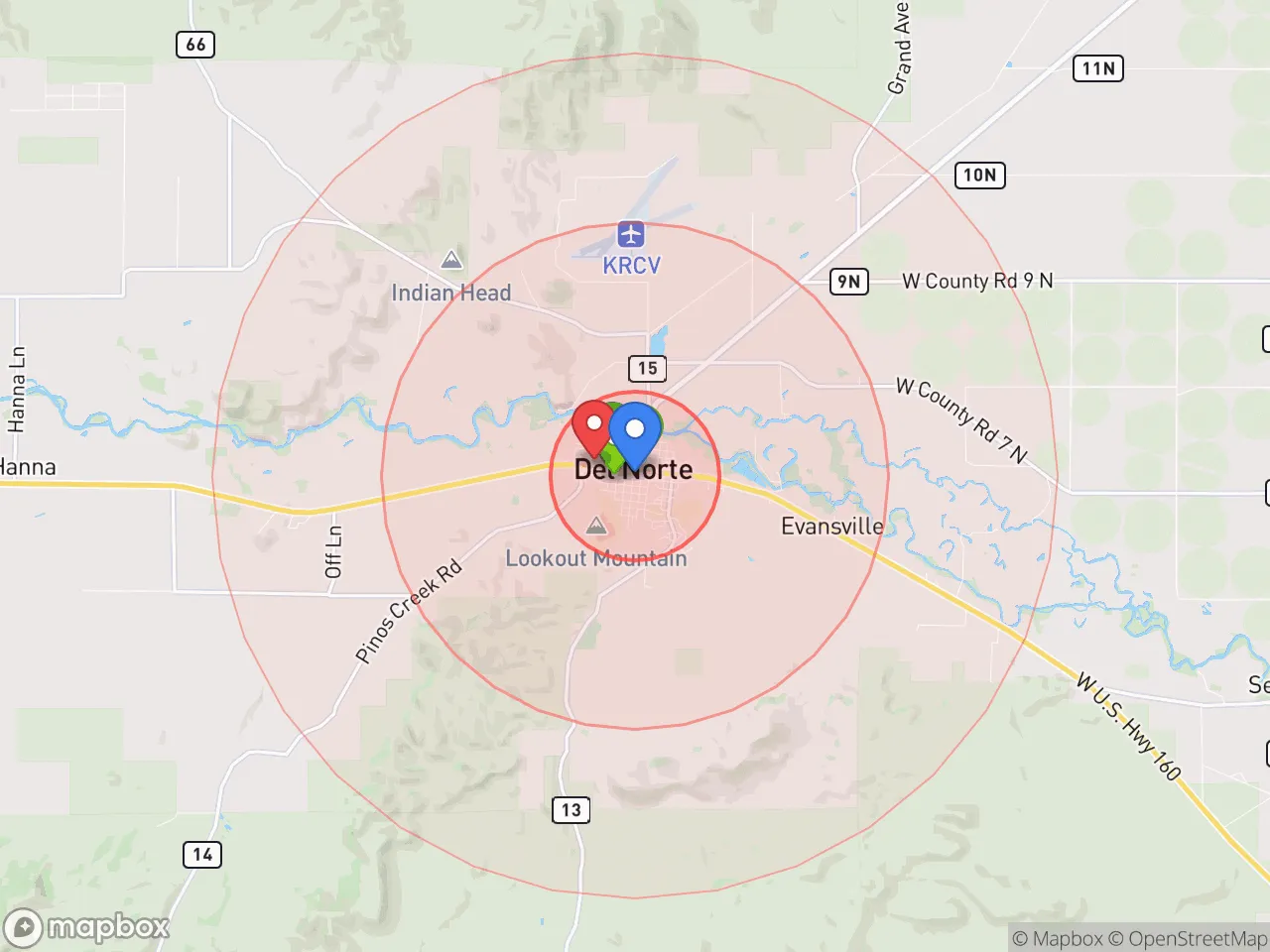
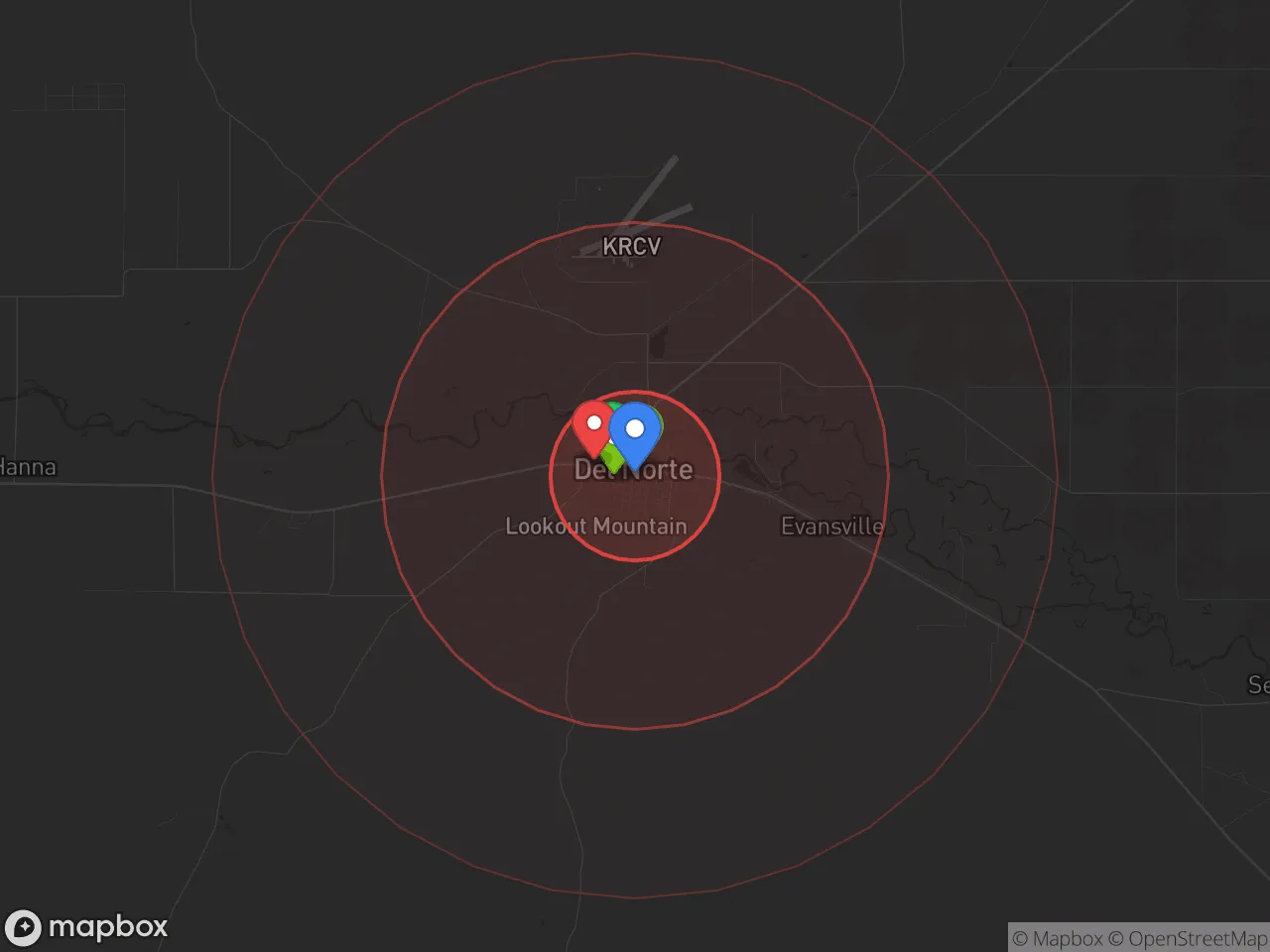
0 within 10 miles
Gas
1 within 10 miles
Hospital
2 within 20 miles
Airport
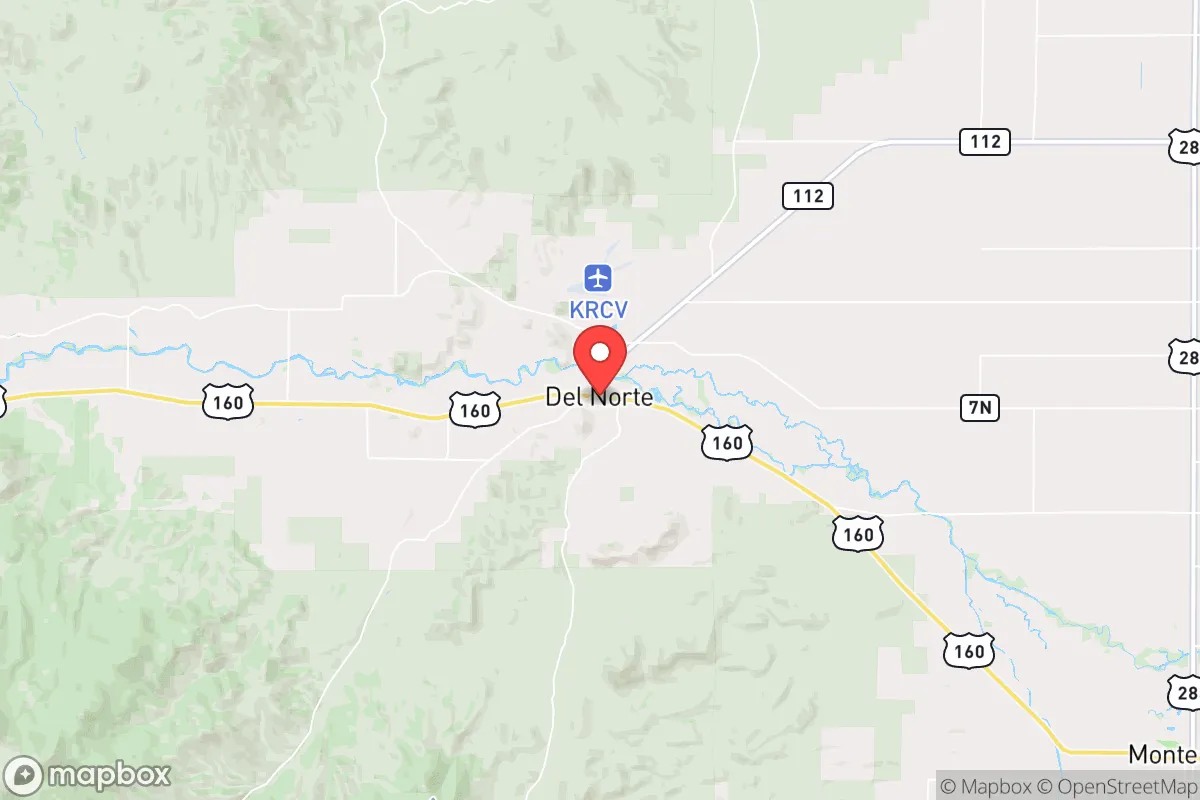
SAN — San Luis Valley Regional
Post Office
USPS — Del Norte, CO
Critical Amenities
Quality-of-Life Analysis
Del Norte, Colorado, offers a markedly affordable quality of life in a high-desert setting, with a cost of living index of 67—33% below the national average—and a median home value of $175,600. The town’s population of roughly 1,700 is a mix of multigenerational Hispanic families, outdoor-recreation-focused newcomers, and a small cohort of remote workers drawn by the low housing costs and proximity to the Rio Grande National Forest. While not affluent by national standards, Del Norte’s real estate market and steady rental demand reflect a working-class community where homeownership remains attainable for households earning near the county median income of $38,000.
Cost of living, housing, and affordability compared to Alamosa and Monte Vista
Del Norte’s housing costs are among the lowest in the San Luis Valley. The median home value of $175,600 is roughly 15% lower than in Alamosa (the valley’s commercial hub, 20 miles south) and about 10% below Monte Vista. Median rent sits at $812, which is $150–$200 less per month than comparable units in Alamosa. The average commute of just over 20 minutes is typical for the region, with most workers driving to jobs in Alamosa, Monte Vista, or the nearby Rio Grande County government offices. Property taxes remain low—around 0.5% of assessed value—and no local sales tax on groceries further stretches household budgets. However, the trade-off is limited rental inventory: vacancy rates hover near 3%, and finding a unit under $800 can require patience. For buyers, the market favors cash offers, as local lenders are scarce and appraisals often lag behind rising construction costs.
Local amenities, schools, and what daily life feels like
Daily life in Del Norte revolves around the historic downtown along Grand Avenue, where the Rio Grande County Museum, a small grocery co-op, and a handful of family-owned restaurants anchor the social scene. The town’s K–12 school, Del Norte High School, serves about 400 students and maintains a 14:1 student-teacher ratio, though advanced coursework options are limited compared to larger districts. Outdoor access is the primary amenity: the Rio Grande River runs through town, offering year-round fishing and summer rafting, while the Continental Divide Trail and Wheeler Geologic Area are within a 30-minute drive. Healthcare requires a trip to Alamosa’s San Luis Valley Health Regional Medical Center, a 49-bed facility 20 minutes south. The rhythm is slow and seasonal—summer brings tourists and farmers-market crowds, winter sees the town quiet except for snowmobilers and ice fishers. Internet speeds average 25 Mbps via CenturyLink, which is sufficient for remote work but not for heavy streaming or large file transfers.
Del Norte is best suited for budget-conscious families, outdoor enthusiasts, and retirees who value low housing costs and a tight-knit community over urban amenities. Remote workers with flexible schedules and a tolerance for limited dining and shopping options will find the affordability compelling, especially compared to Colorado’s Front Range. Those seeking robust schools, frequent cultural events, or immediate access to specialized healthcare should look to Alamosa or even Durango. For anyone willing to trade convenience for space and quiet, Del Norte delivers a stable, low-stress quality of life at a price point that is vanishingly rare in modern Colorado.

Crime in Del Norte, CO
Lower crime rates than 91% of comparable U.S. locations.
Violent CrimeViolent Crime Analysis
Property CrimeProperty Crime Analysis
Crime Analysis
Del Norte, Colorado, reports a violent crime rate of 0 per 100,000 residents, making it one of the safest small towns in the San Luis Valley by that measure. Property crime, however, occurs at a rate of 858.4 per 100,000, a figure that demands closer scrutiny for anyone considering a move to this rural community. The overall safety picture is mixed: residents enjoy an exceptionally low risk of violent victimization, but property-related offenses are a tangible concern that shapes daily life.
Crime in context
Del Norte’s violent crime rate of zero is far below both the Colorado state average (roughly 370 per 100,000) and the national rate (approximately 380 per 100,000). This places the town in a distinct category of rural communities where serious interpersonal violence is virtually absent. Property crime, at 858.4 per 100,000, is notably lower than the Colorado state average of about 2,300 per 100,000 and the national average near 1,950 per 100,000. The data suggests that Del Norte is not experiencing the elevated property crime rates seen in larger Colorado metros like Denver or Colorado Springs. However, it is important to note that Rio Grande County, where Del Norte is the county seat, does not operate under the progressive prosecutorial policies found in many urban jurisdictions. The local district attorney’s office in the 12th Judicial District is known for a more traditional, victim-centered approach to justice, which likely contributes to the low crime figures by ensuring accountability and deterrence.
What residents experience
For those living in Del Norte, the absence of violent crime means that fears of assault, robbery, or homicide are not part of everyday life. The primary safety concern revolves around theft, burglary, and vandalism—crimes that often target unoccupied homes, vehicles, and outbuildings. Residents typically feel safe walking downtown or letting children play outside, but they also take standard precautions: locking doors, securing sheds, and keeping valuables out of sight. The town’s small size—fewer than 1,700 people—means that neighbors tend to know one another, creating a natural surveillance network that discourages opportunistic crime. Local law enforcement, the Del Norte Police Department, maintains a visible presence and responds quickly to calls, reinforcing a sense of security that is often absent in larger, more anonymous communities.
Neighborhood-level variation in Del Norte is minimal due to the town’s compact geography and homogeneous housing stock. The most significant safety difference is between the core residential blocks near the historic downtown and the more rural outskirts along Highway 112. Properties on the edge of town, especially those with limited street lighting or visibility from neighboring homes, may experience slightly higher rates of theft from vehicles or outbuildings. Overall, Del Norte offers a safety profile that is highly attractive to families, retirees, and remote workers seeking a low-crime environment in a conservative, rural setting where the justice system prioritizes public safety over offender rehabilitation.
* Values derived from national, state, county, city and local statistics and may differ in a specific area. Last updated: 2026-05-16T21:14:41.000Z
Narrative content on this page is AI-generated and may contain mistakes. Verify any details that matter before acting on them.
ReloMaps may earn a commission from affiliate links at no extra cost to you.

