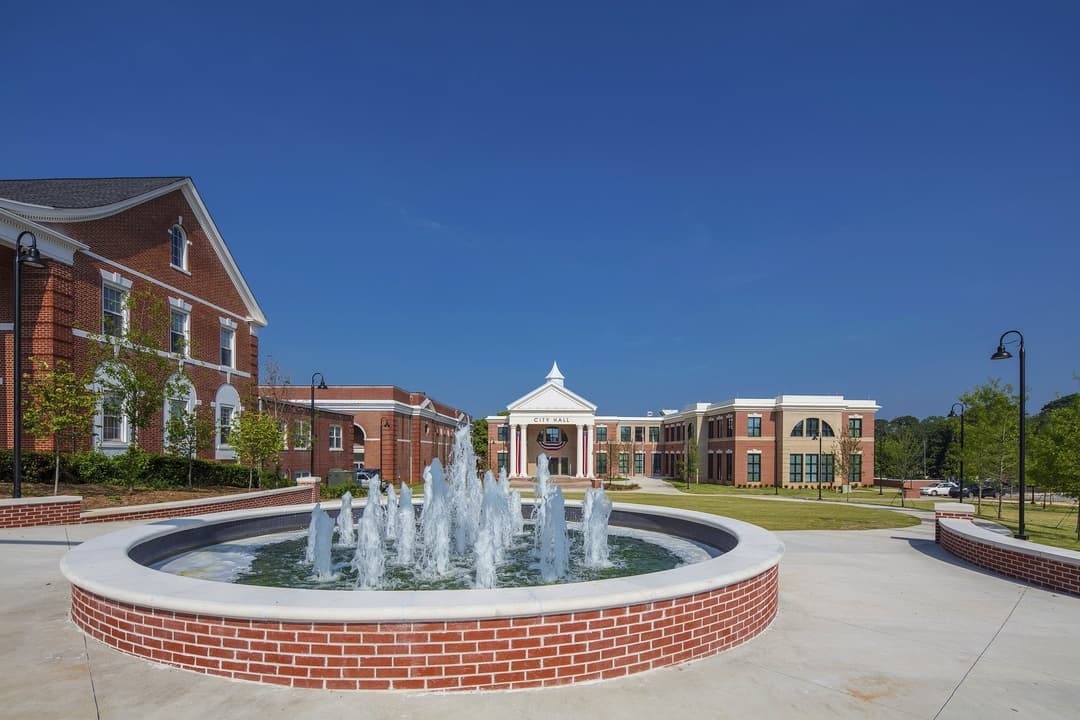
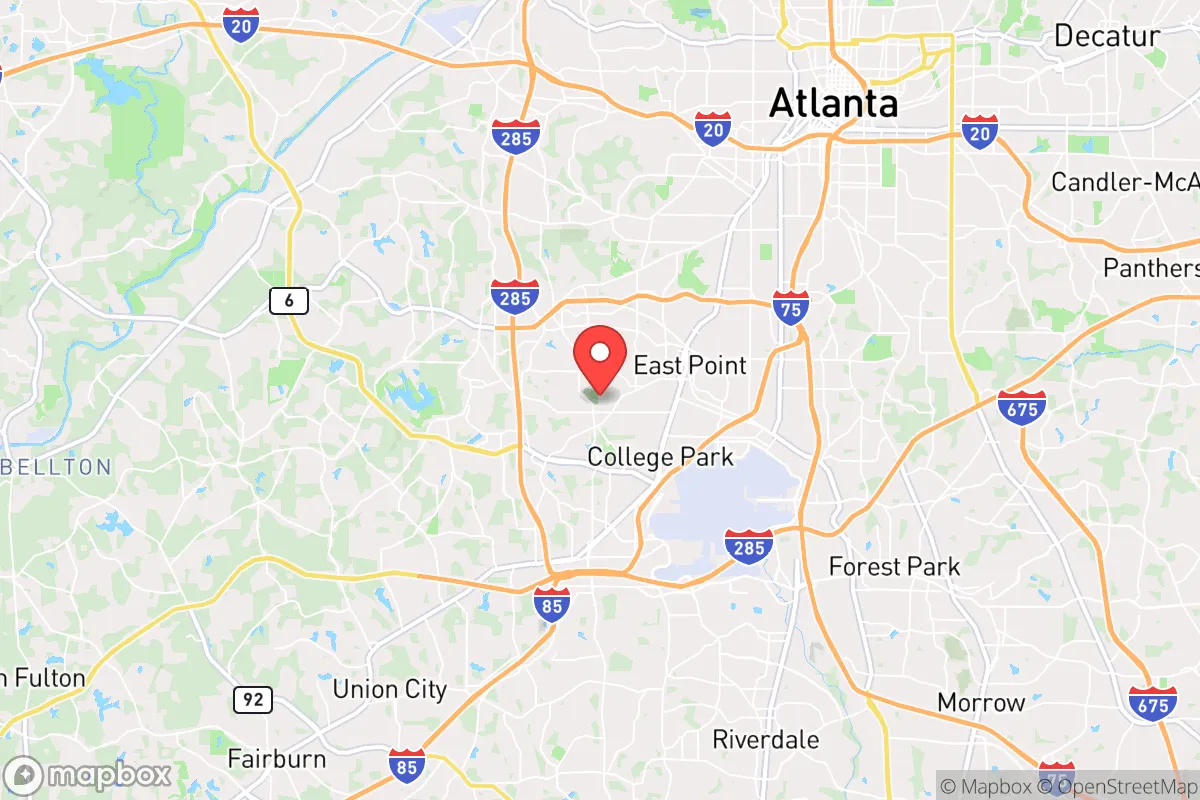
Photo: Wikipedia
Find The Best Places To Live
in East Point
PRO TIP! You can paste a Zillow or Redfin link to get info on that property.
What It's Like Living in East Point, GA
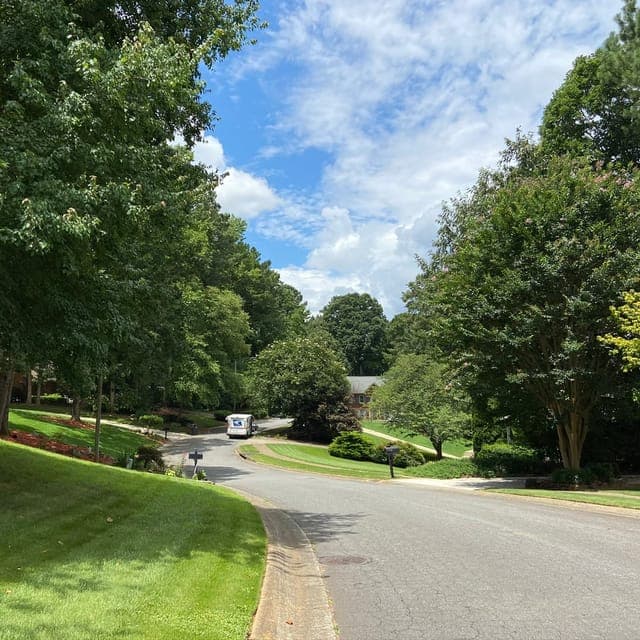
East Point, Georgia, feels like Atlanta’s quieter, more grounded cousin—a place where the city’s energy is close enough to tap into but the pace slows down enough to know your neighbors by name. It’s a community of about 38,000 people, with a median age just over 35, that balances historic charm with a working- and middle-class reality. You won’t find glossy high-rises or a flashy nightlife scene here; instead, you get tree-lined streets, a revitalized downtown, and a sense that people are here because they want to be, not just because they’re passing through.
Daily Rhythm: What Life Actually Looks Like
For most residents, a typical weekday starts with a commute that averages about 30 minutes—long enough to finish a podcast, short enough not to dread it. Many people work in Atlanta proper or at Hartsfield-Jackson, which is just a 10-minute drive east. By evening, you’ll see folks grabbing dinner at Corner Tavern on Cleveland Avenue or picking up takeout from Baldino’s Giant Subs, a local institution that’s been around for decades. Weekends often mean a trip to East Point Farmers Market (April through October) or a lazy afternoon at Sykes Park, where you’ll find families on the playground and pickup basketball games. The median household income sits around $59,000, and with a cost of living index just a hair above the national average at 103, housing is still within reach—median home values hover around $247,500, which is notably cheaper than much of metro Atlanta.
The kind of person who fits in here tends to be pragmatic. You’re likely a single professional or a parent who values proximity to the city without paying intown prices. There’s a noticeable DIY spirit—people fix up old Craftsman bungalows, start small businesses, and actually show up for neighborhood association meetings. It’s not a place for those chasing status symbols; it’s a place for those who want a solid, affordable base with character.
Sports, Community, and the Local Identity
Sports fandom here is less about pro teams and more about local pride. Tri-Cities High School football games on Friday nights are a genuine community event—the stands fill up with parents, alumni, and neighbors who don’t even have kids at the school. The Bulldogs’ rivalry games against nearby Banneker or Langston Hughes draw real crowds. For pro sports, most residents are Atlanta fans—Braves, Falcons, Hawks—but the allegiance feels secondary to the high school scene. There’s also a growing interest in Atlanta United soccer, with watch parties popping up at bars like Corner Tavern or Barking Hound Village.
East Point’s cultural identity is rooted in its history as a railroad town and its role as a hub for African American families during the mid-20th century. You’ll see that legacy in the East Point Historical Society and in the annual East Point Possums event (yes, that’s the real name—a quirky tradition involving a possum-themed parade and festival that locals either love or laugh about). The city also hosts Summer Concert Series at the Jefferson Avenue Stage, where you’ll hear everything from blues to funk, and the crowd is a mix of young couples, retirees, and kids running around the grass.
What’s There to Do: Entertainment, Eats, and Outdoors
If you’re looking for a packed social calendar, East Point won’t deliver that on its own—but it gives you a solid foundation. The downtown area along Main Street has seen a revival: Brake Pad is a popular spot for craft beer and live music, Corner Tavern serves up solid pub food and trivia nights, and Barking Hound Village is a dog-friendly bar where you can actually bring your pup inside. For outdoor life, Hapeville’s Jess Lucas Park is a short drive, and Camp Creek Parkway offers a paved trail for biking and jogging. The Atlanta BeltLine is about 15 minutes north, but many locals prefer the quieter Reynolds Nature Preserve in nearby Morrow for hiking.
Festivals are a big deal here. The East Point Arts & Music Festival in September draws regional acts and local vendors, and the Fourth of July Celebration at Woodruff Park is the kind of small-town event where you’ll see fireworks from a blanket on the grass. For a bigger night out, you’re 10-15 minutes from Downtown Atlanta’s bars and venues, but most residents agree: the best evenings are the ones spent on a porch in East Point, not fighting traffic to get back home.
Pros and Cons of Living Here
Let’s be honest—East Point has real trade-offs. Here’s what longtime residents will tell you:
- Pro: Affordability. You get more house for your money than in Decatur, Kirkwood, or even College Park. A $250,000 home here might cost $400,000+ just 10 miles north.
- Con: Crime. The violent crime rate is 556.3 per 100,000—higher than the national average. It’s concentrated in certain pockets, but it’s a concern that comes up in every conversation about the city. Most residents feel safe in their own neighborhoods but avoid certain areas after dark.
- Pro: Location. You’re 10 minutes from the airport, 15 from downtown Atlanta, and 20 from the Mercedes-Benz Stadium. MARTA’s East Point station puts the rest of the city within reach without a car.
- Con: Schools. Fulton County Schools serve the area, and while Tri-Cities High has strong sports and some magnet programs, overall ratings are mixed. Many parents opt for private or charter options, which adds a layer of cost and logistics.
- Pro: Community feel. People actually know each other. Block parties, neighborhood watch groups, and local Facebook groups are active. It’s not anonymous.
- Con: Limited retail. You’ll drive to Camp Creek Marketplace or Greenbriar Mall for big-box shopping. East Point itself has few grocery options—a single Publix and a handful of smaller markets.
Weather-wise, summers are hot and humid (think 90°F with 80% humidity), but spring and fall are gorgeous—perfect for porch-sitting or the farmers market. Winters are mild, with maybe one or two freeze days. Traffic on I-285 and I-85 can be brutal during rush hour, but surface streets like Washington Road and Cleveland Avenue offer alternate routes that locals learn quickly. For the right person—someone who values space, community, and proximity over polish—East Point is a solid, unpretentious place to call home.

Similar towns to East Point

* Values derived from national, state, county, city and local statistics and may differ in a specific area. Last updated: 2026-04-29T21:03:35.000Z
Narrative content on this page is AI-generated and may contain mistakes. Verify any details that matter before acting on them.
ReloMaps may earn a commission from affiliate links at no extra cost to you.

