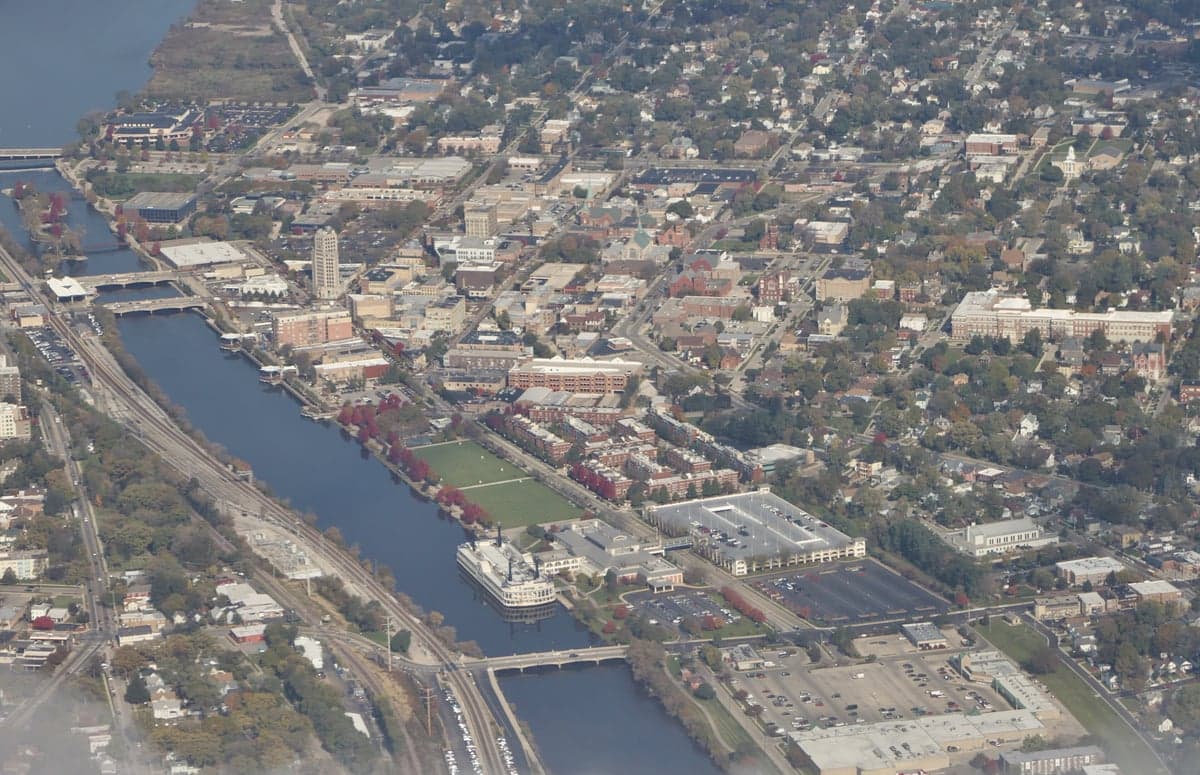
Photo: Wikipedia
Quality of Life in Elgin, IL
A high quality of life with strong walkability, manageable living costs, healthy neighborhood signals, and solid amenity access.
What does Quality of Life tell us?
Quality of Life blends cost of living, nearby amenities, socioeconomic signals, and neighborhood character. City-level scores represent the whole municipality; individual neighborhoods can differ.
What does this tell us?
Quality of Life blends cost of living, nearby amenities, socioeconomic signals, and neighborhood character. City-level scores represent the whole municipality; individual neighborhoods can differ.
Cost of Living
1% above national average
The Real Cost of Living in Elgin, IL for 2026
| Tier | Individual | Family (4) |
|---|---|---|
| Survival | $20k | $38k |
| Comfortable | $49k | $72k |
| Luxury | $126k+ | $195k+ |
| Elite (Top 5%) | $148k+ | $229k+ |
123%
The Area Signal
A metric tracking the socioeconomic signals of the area.
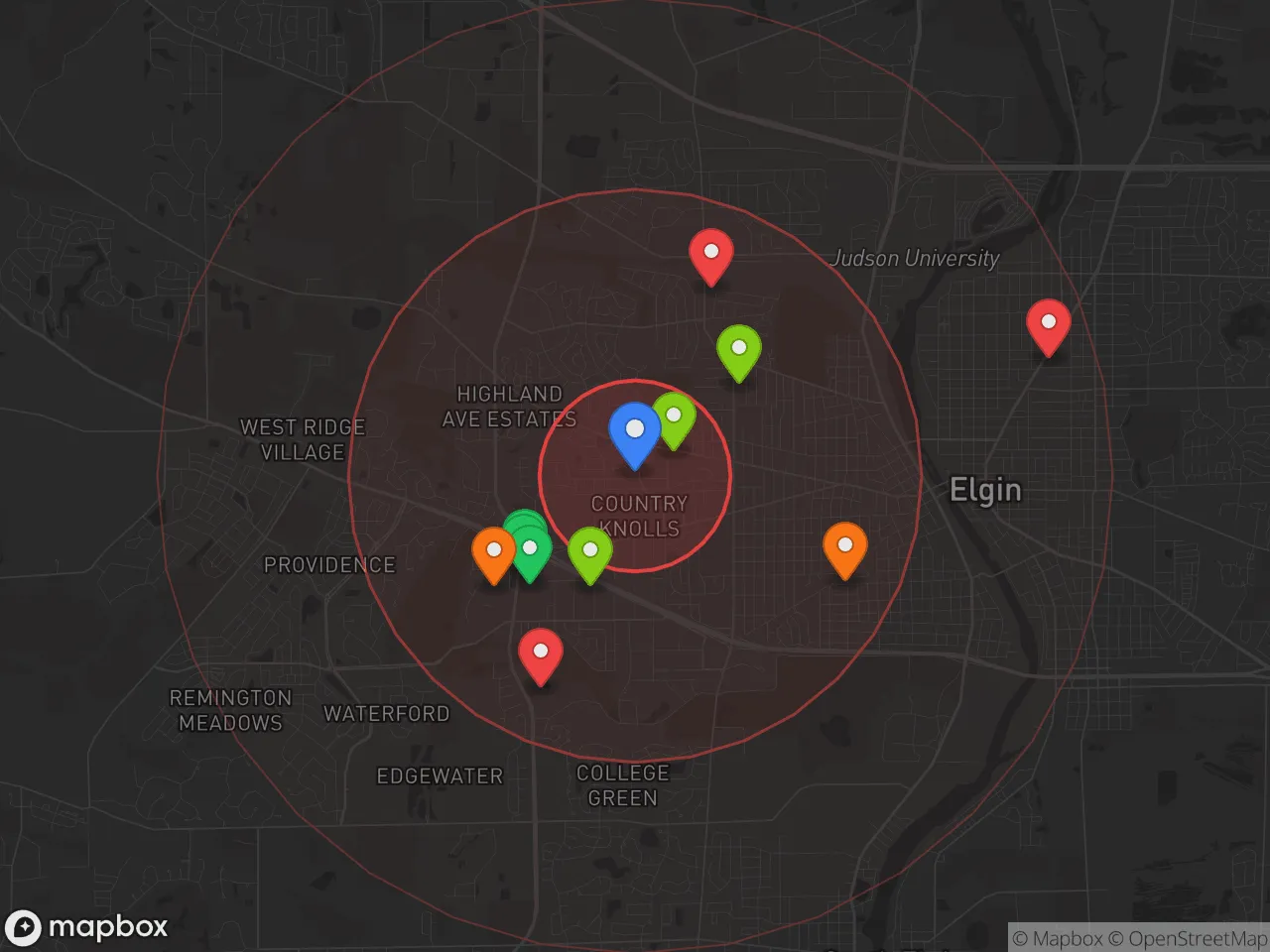
Hobbies
Explore the areaGroceries
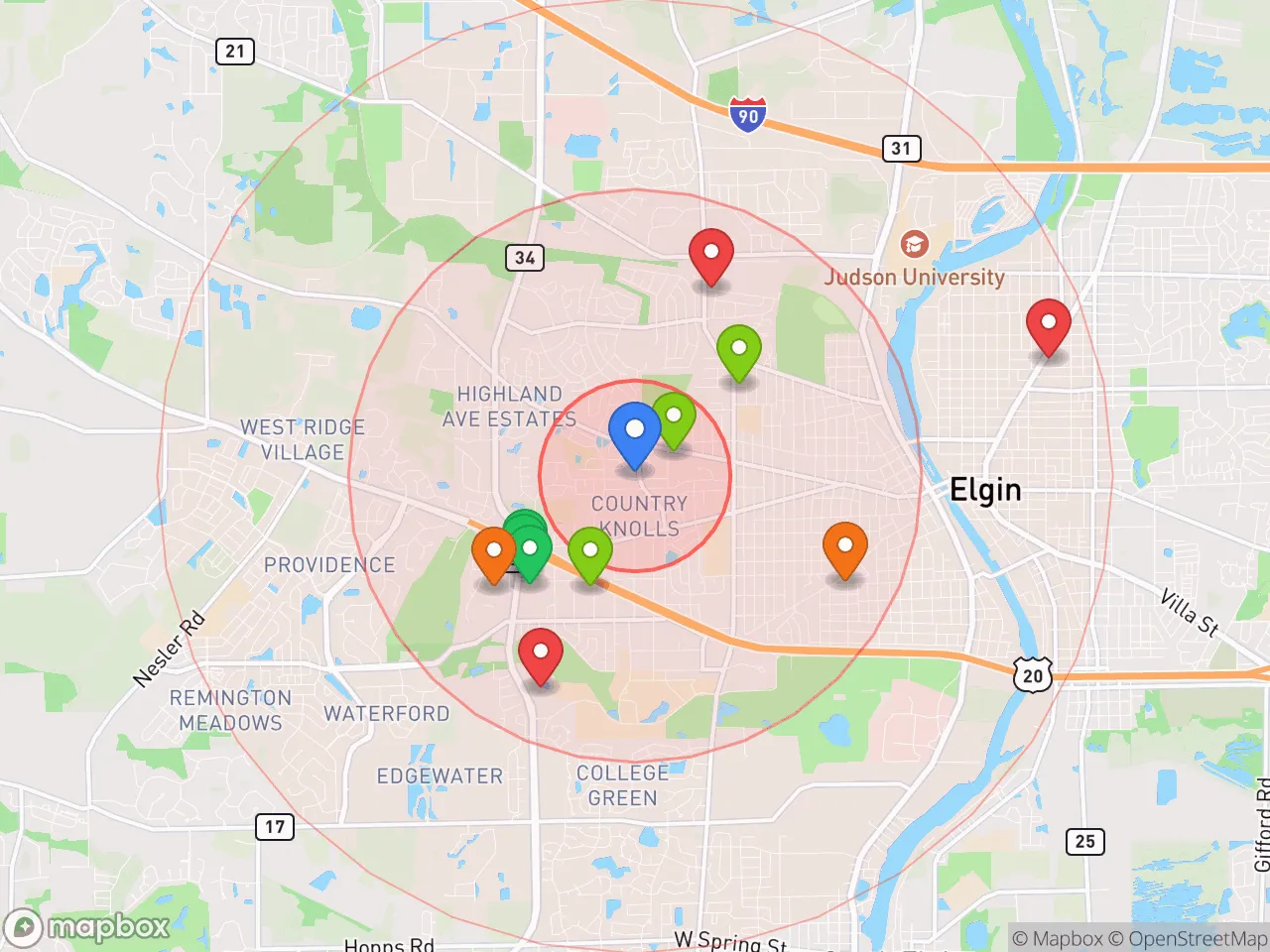
7 within 10 miles
Gas
20 within 10 miles
Hospital
20 within 20 miles
Airport
ORD — O'Hare International
Post Office
USPS — Elgin, IL
Critical Amenities
Quality-of-Life Analysis
Elgin, Illinois, offers a quality of life that balances suburban comfort with urban accessibility, attracting a diverse mix of families, young professionals, and long-term residents. With a cost of living index of 101—essentially on par with the national average—Elgin provides a more affordable alternative to Chicago’s western suburbs while maintaining strong community amenities and a steady economic base. The city’s population of roughly 110,000 reflects a blend of working- and middle-class households, with a notable Hispanic and Latino community that shapes local culture, cuisine, and festivals.
Cost of living, housing affordability, and how Elgin compares to nearby suburbs
Elgin’s cost of living index of 101 sits just above the U.S. average, but housing remains a key draw compared to pricier neighbors like Schaumburg, Naperville, or Arlington Heights. The median home value is $252,400, significantly lower than the Chicago metro median of roughly $310,000, making homeownership attainable for first-time buyers and growing families. Median rent is $1,260, which undercuts the metro average by about 15%, appealing to renters who want space without sky-high payments. Property taxes in Kane County are relatively high—typical for Illinois—but the lower purchase price offsets some of that burden. Commuters benefit from a 27.8-minute average commute, slightly below the national average of 27.6 minutes, aided by Metra Union Pacific West Line service to Chicago’s Ogilvie Transportation Center and direct access to I-90. For those working in the western suburbs or the Fox Valley, Elgin’s location reduces drive times compared to living farther east.
Amenities, schools, and what daily life is like for families and professionals
Daily life in Elgin centers on a revitalized downtown along the Fox River, with the Elgin Symphony Orchestra, the Hemmens Cultural Center, and the historic Grand Victoria Casino providing entertainment options. The city’s park district manages over 50 parks, including the 130-acre Lords Park with its zoo and museum, and the 3,000-acre Burnidge Forest Preserve for hiking and biking. Families rely on School District U-46, the state’s second-largest, which operates 57 schools and offers magnet programs like the Elgin High School Academy of Science and Technology. For private options, St. Edward Central Catholic High School and several parochial elementary schools serve the area. Retail and dining cluster along Randall Road and the Spring Hill Mall corridor, while the Elgin Farmers Market (May–October) anchors weekend routines. The city’s crime rate is moderate—property crime runs slightly above the national average, but violent crime has trended downward since 2020, and neighborhood-specific data shows safer pockets near the northwest side and along the river. Healthcare access is strong, with Advocate Sherman Hospital and Presence St. Joseph Hospital both within city limits.
Elgin suits a broad range of residents, particularly those who want a lower cost of entry to the Chicago region without sacrificing transit links or cultural amenities. First-time homebuyers, remote workers who need occasional Metra access, and families seeking diverse schools and recreation will find the city practical. Retirees on fixed incomes may appreciate the affordable rentals and riverfront walking paths, while professionals commuting to Schaumburg or Hoffman Estates benefit from short drives. However, those seeking top-tier public school rankings or ultra-low crime rates may prefer pricier suburbs like Barrington or Geneva. Overall, Elgin delivers a solid, middle-ground quality of life where affordability and convenience meet a genuine sense of community.

Crime in Elgin, IL
Lower crime rates than 76% of comparable U.S. locations.
Violent CrimeViolent Crime Analysis
Property CrimeProperty Crime Analysis
Crime Analysis
Elgin, Illinois, presents a mixed safety profile that warrants careful consideration for potential residents. While the city’s violent crime rate of 217.1 per 100,000 residents is notably lower than the national average, its property crime rate of 906.6 per 100,000 is significantly elevated, creating a situation where property-related risks are a primary concern. As a large suburb of Chicago, Elgin’s crime dynamics are also influenced by the broader Cook County justice system, which has been characterized by progressive prosecutorial policies that critics argue prioritize offender rehabilitation over public safety, potentially contributing to higher recidivism and a greater number of criminals on the street.
Crime in context
When compared to state and national benchmarks, Elgin’s violent crime rate of 217.1 per 100,000 is roughly 40% lower than the U.S. average of 380 per 100,000, placing it in a safer tier for violent offenses like homicide, robbery, and aggravated assault. However, the property crime rate of 906.6 per 100,000 is about 50% higher than the national average of 600 per 100,000, meaning residents face a substantially elevated risk of burglary, theft, and motor vehicle theft. This disparity is common in large metro-area suburbs, where property crime often clusters near transit corridors and commercial zones. The presence of progressive district attorneys in the region, who may pursue diversion programs or reduced sentences for property offenders, is a factor that some analysts link to these higher property crime numbers, as it can reduce the deterrent effect of prosecution.
What residents experience
For daily life in Elgin, the practical impact is that residents are far more likely to encounter property crime than violent crime. Common incidents include package theft from porches, vehicle break-ins, and bicycle theft, particularly in denser neighborhoods near the Metra train stations and downtown areas. Violent crime, while less frequent, is not absent—incidents tend to be concentrated in specific blocks rather than spread evenly across the city. The progressive judicial philosophy in Cook County, which includes cash bail reform and a focus on restorative justice, has been a subject of local debate. Supporters argue it reduces jail overcrowding and addresses root causes of crime, but critics contend it leads to repeat offenders cycling back onto the streets quickly, undermining public confidence in the justice system and potentially emboldening property criminals.
Neighborhood-level variation is significant in Elgin. Areas west of the Fox River, such as the historic West Side and neighborhoods near Elgin Community College, generally report lower crime rates. In contrast, some east-side neighborhoods and areas near the I-90 corridor experience higher property crime. The city’s own crime mapping tools show that blocks within a half-mile of the downtown Metra station see a disproportionate share of thefts and vehicle break-ins. For those considering a move, researching specific block-level data and visiting at different times of day is advisable, as the safety experience can shift dramatically within a few streets. The overarching influence of the county’s progressive criminal justice policies means that residents should factor in a higher tolerance for low-level property crime when evaluating long-term safety in Elgin.
* Values derived from national, state, county, city and local statistics and may differ in a specific area. Last updated: 2026-04-29T19:26:55.000Z
Narrative content on this page is AI-generated and may contain mistakes. Verify any details that matter before acting on them.
ReloMaps may earn a commission from affiliate links at no extra cost to you.

