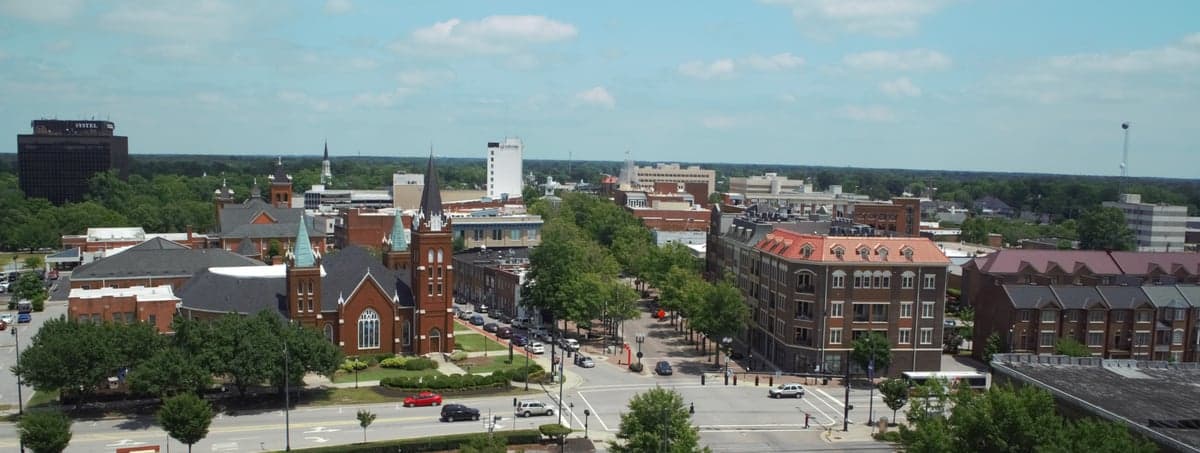
Photo: Wikipedia
Quality of Life in Fayetteville, NC
Above-average quality of iife. The area offers a reasonable cost of living, decent mobility, and a mix of neighborhood amenities.
What does Quality of Life tell us?
Quality of Life blends cost of living, nearby amenities, socioeconomic signals, and neighborhood character. City-level scores represent the whole municipality; individual neighborhoods can differ.
What does this tell us?
Quality of Life blends cost of living, nearby amenities, socioeconomic signals, and neighborhood character. City-level scores represent the whole municipality; individual neighborhoods can differ.
Cost of Living
15% below national average
The Real Cost of Living in Fayetteville, NC for 2026
| Tier | Individual | Family (4) |
|---|---|---|
| Survival | $19k | $35k |
| Comfortable | $33k | $49k |
| Luxury | $98k+ | $151k+ |
| Elite (Top 5%) | $115k+ | $178k+ |
115%
The Area Signal
A metric tracking the socioeconomic signals of the area.
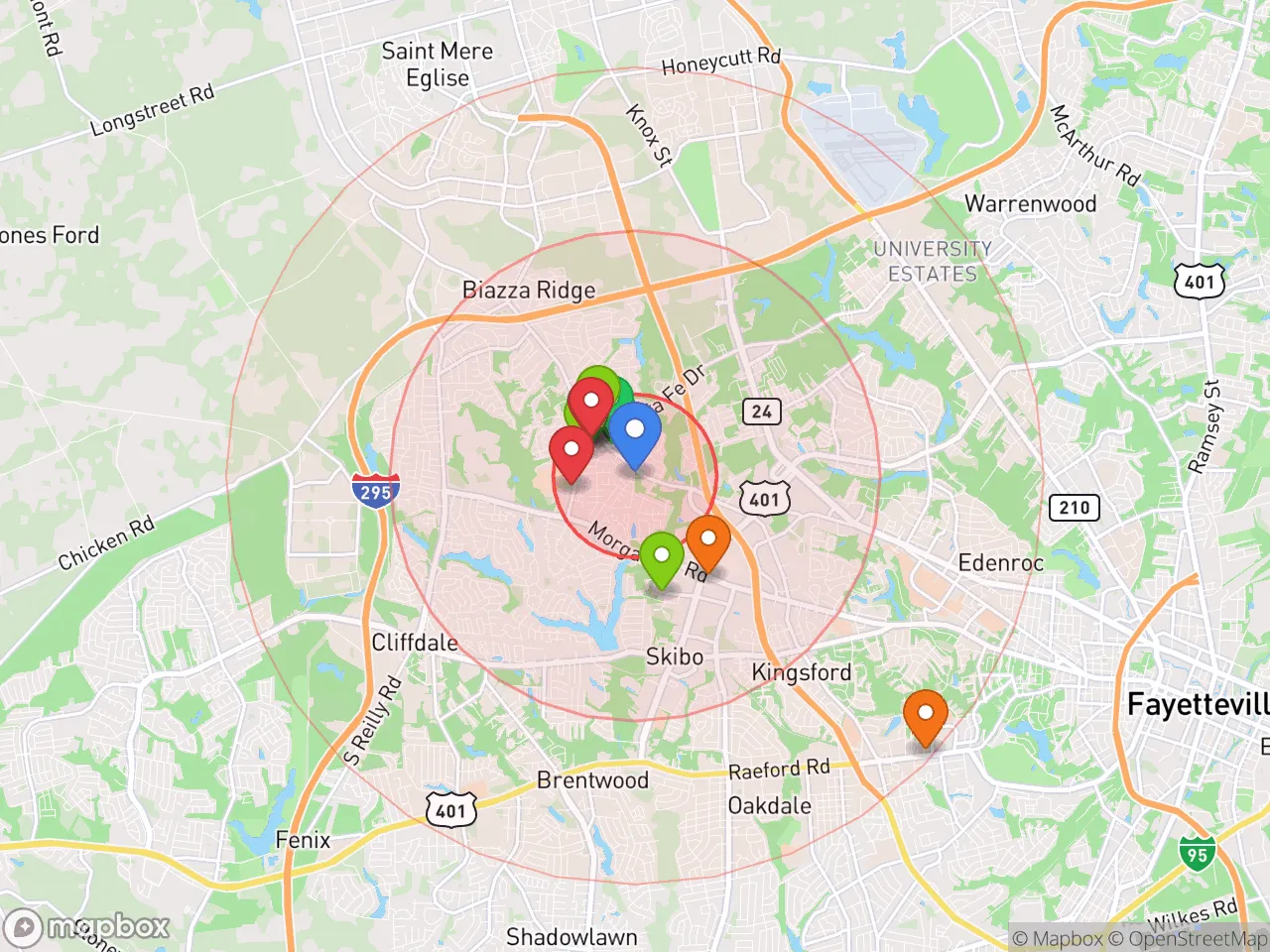
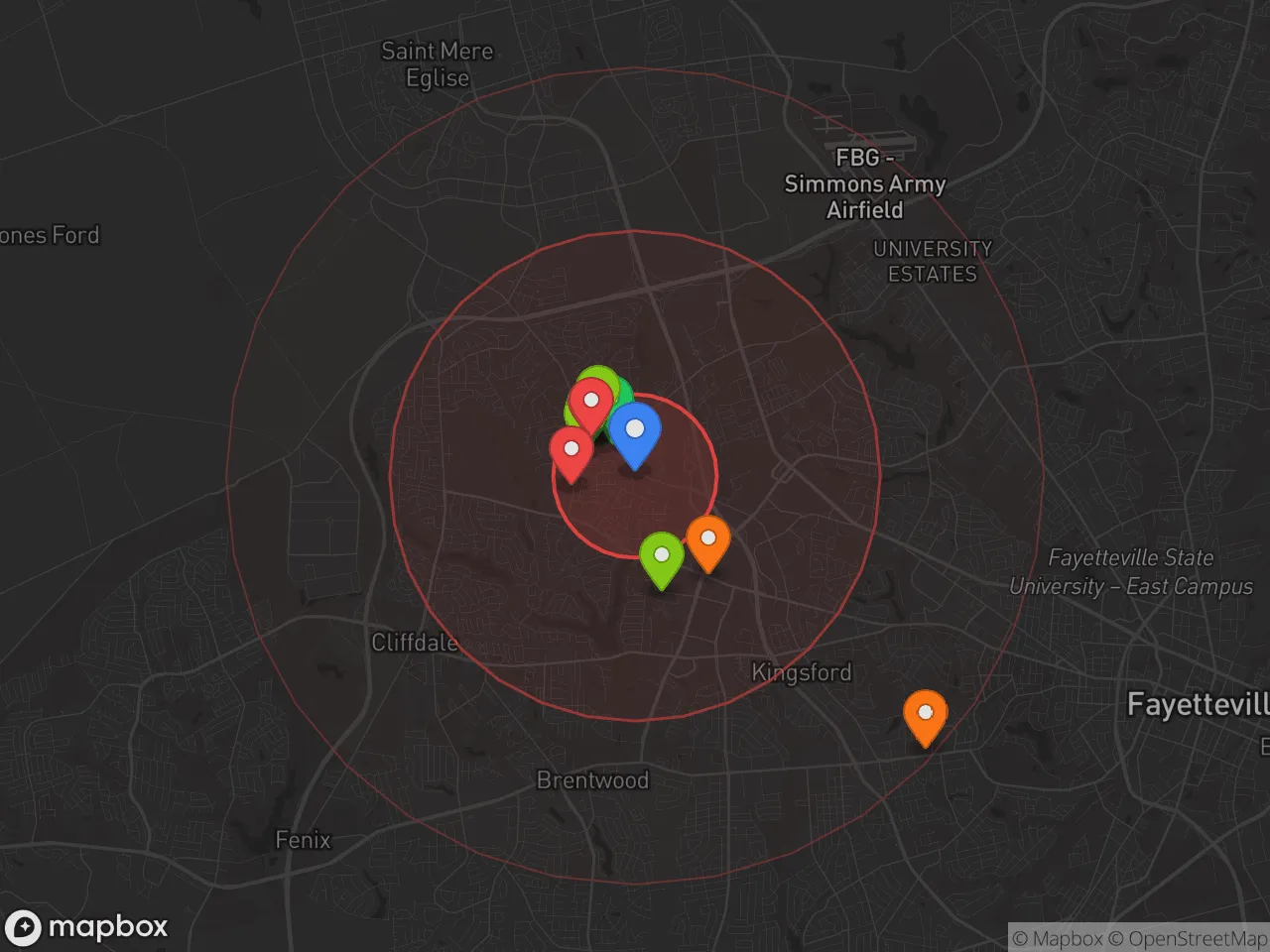
Hobbies
Explore the areaGroceries
8 within 10 miles
Gas
20 within 10 miles
Hospital
7 within 20 miles
Airport
RDU — Raleigh–Durham International
Post Office
USPS — Fayetteville, NC
Critical Amenities
Quality-of-Life Analysis
Fayetteville, North Carolina, offers a notably affordable quality of life that attracts a diverse mix of military families, young professionals, and retirees. With a cost of living index of 85 (15% below the national average), the city provides a lower financial barrier to entry compared to the state average and major metros like Raleigh or Charlotte. The population is heavily influenced by the presence of Fort Liberty (formerly Fort Bragg), giving the area a transient yet community-oriented feel, with a significant portion of residents connected to the armed forces.
How affordable is Fayetteville compared to Raleigh or Wilmington?
Fayetteville’s housing market is its strongest draw for affordability. The median home value sits at $171,900, which is roughly half the median price in Raleigh and significantly less than in coastal Wilmington. For renters, the median rent of $1,179 is attainable for many households, particularly those with dual incomes or military housing allowances. The average commute time of just under 19 minutes is a major advantage, keeping transportation costs low and freeing up time for daily life. While property taxes in Cumberland County are moderate, residents should note that North Carolina’s state income tax is a flat 4.75%, which is competitive nationally. Compared to nearby Fayetteville suburbs like Hope Mills or Spring Lake, the city core offers slightly lower home prices but a wider range of rental options, especially near the Fort Liberty gates.
What daily life is like for families and professionals in Fayetteville
Daily life in Fayetteville revolves around a mix of military base amenities, local parks, and a growing downtown scene. The city is home to the Cape Fear Botanical Garden and the Airborne & Special Operations Museum, which provide cultural and recreational anchors. For families, the Cumberland County Schools system includes several magnet and year-round schools, though many military families opt for private or charter options near the base. The downtown area along Hay Street has seen revitalization, with new breweries, restaurants, and the Segra Stadium (home to the Fayetteville Woodpeckers minor league baseball team) creating a more walkable social hub. Outdoor recreation is accessible via the Cape Fear River Trail and nearby Carvers Creek State Park. However, the city’s retail and dining scene is more utilitarian than cosmopolitan, with many national chains dominating the commercial corridors like Skibo Road and Ramsey Street.
Fayetteville is best suited for those who prioritize low housing costs and a short commute over a vibrant urban core or high-end cultural amenities. Military personnel and their families will find the most seamless integration, given the city’s deep ties to Fort Liberty. Budget-conscious professionals who work remotely or in local industries like healthcare (Cape Fear Valley Medical Center is a major employer) will also find the affordability compelling. Retirees on fixed incomes can stretch their savings further here than in most other North Carolina cities. However, those seeking a bustling nightlife, top-tier public schools, or a rapidly appreciating real estate market may find Fayetteville’s slower pace and economic stability less dynamic than faster-growing metros in the Research Triangle region.

Crime in Fayetteville, NC
Significantly higher crime rates than 75% of comparable U.S. locations.
Violent CrimeViolent Crime Analysis
Property CrimeProperty Crime Analysis
Crime Analysis
Fayetteville, North Carolina, reports a violent crime rate of 597.7 incidents per 100,000 residents and a property crime rate of 2,751.6 per 100,000, figures that place it among the higher-crime cities in the state. These rates reflect a community where safety is a significant concern, particularly given the influence of progressive judicial policies in Cumberland County that prioritize offender rehabilitation over strict sentencing. Residents and prospective movers should weigh these statistics carefully, as the local justice system’s approach may contribute to elevated crime levels and reduced public confidence in safety.
Crime in context
Fayetteville’s violent crime rate is roughly 1.6 times the national average (366.7 per 100K) and significantly exceeds the North Carolina state average of approximately 450 per 100K. Property crime in Fayetteville is also elevated, standing about 1.3 times the national rate (2,109.9 per 100K). These numbers place Fayetteville in the same tier as other mid-sized metros in the Southeast with similar demographic and economic challenges. The presence of Fort Liberty (formerly Fort Bragg) adds a transient military population, which can skew crime statistics, but the core issue remains a justice system that, under progressive leadership, has been criticized for lenient plea deals and reduced incarceration for repeat offenders. This environment can embolden criminal activity, as the consequences for offenses are perceived as less certain.
What residents experience
For those living in Fayetteville, property crime—particularly larceny, motor vehicle theft, and burglary—is the most common safety concern. The property crime rate of 2,751.6 per 100K translates to roughly 27 incidents per 1,000 residents annually, meaning a household has a measurable chance of being affected each year. Violent crime, while less frequent, includes aggravated assault as the most prevalent category, with robbery and homicide occurring at rates that alarm many residents. The city’s progressive district attorney’s office has implemented policies such as declining to prosecute certain low-level drug offenses and pushing for alternative sentencing, which critics argue reduces deterrence. This judicial philosophy directly impacts daily life: residents report feeling less secure in public spaces, especially after dark, and many avoid downtown areas near the bus station and along Murchison Road. Neighborhood watch programs are active but often frustrated by what they perceive as a revolving-door justice system.
Safety varies considerably by neighborhood. Areas like Haymount and VanStory Hills near the Cape Fear River have lower crime rates and are considered safer, with more community policing presence. In contrast, neighborhoods such as Murchison Road corridor, Massey Hill, and parts of downtown near the Greyhound station experience higher concentrations of both violent and property crime. The city’s east side, particularly around Eastern Boulevard, also sees elevated theft and drug-related offenses. Prospective residents should consult the Fayetteville Police Department’s crime mapping tool and visit neighborhoods at different times of day to gauge real conditions. The progressive judicial environment means that even in safer pockets, the broader county-level policies can affect response times and prosecution outcomes, making it essential to stay informed about local elections and district attorney decisions.
* Values derived from national, state, county, city and local statistics and may differ in a specific area. Last updated: 2026-04-21T19:18:20.000Z
Narrative content on this page is AI-generated and may contain mistakes. Verify any details that matter before acting on them.
ReloMaps may earn a commission from affiliate links at no extra cost to you.

