Photo: Wikipedia
Quality of Life in Florence, AZ
A high quality of life with strong walkability, manageable living costs, healthy neighborhood signals, and solid amenity access.
What does Quality of Life tell us?
Quality of Life blends cost of living, nearby amenities, socioeconomic signals, and neighborhood character. City-level scores represent the whole municipality; individual neighborhoods can differ.
What does this tell us?
Quality of Life blends cost of living, nearby amenities, socioeconomic signals, and neighborhood character. City-level scores represent the whole municipality; individual neighborhoods can differ.
Cost of Living
6% above national average
The Real Cost of Living in Florence, AZ for 2026
| Tier | Individual | Family (4) |
|---|---|---|
| Survival | $19k | $35k |
| Comfortable | $63k | $92k |
| Luxury | $120k+ | $187k+ |
| Elite (Top 5%) | $142k+ | $220k+ |
83%
The Area Signal
A metric tracking the socioeconomic signals of the area.
Hobbies
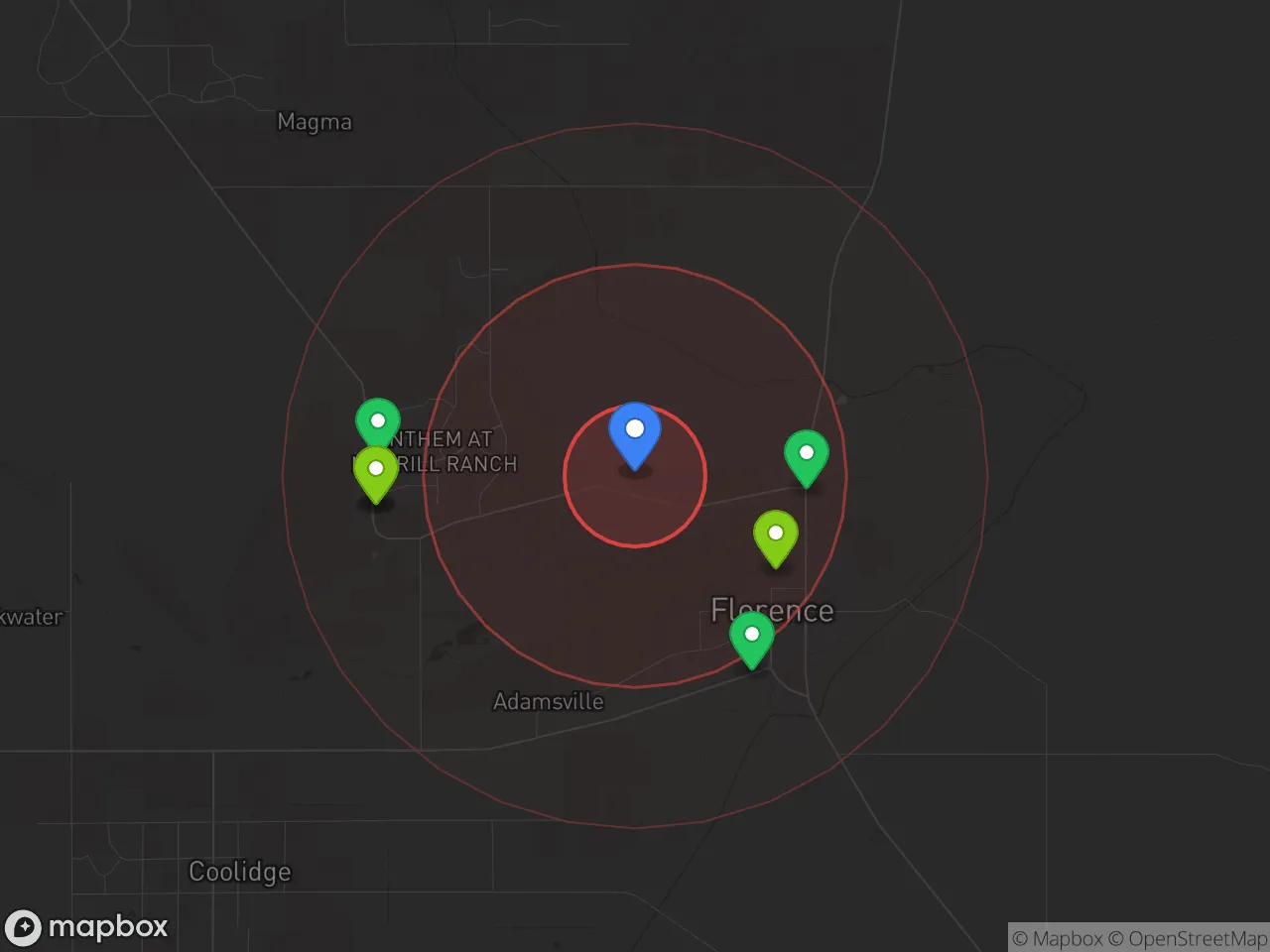
Explore the areaGroceries
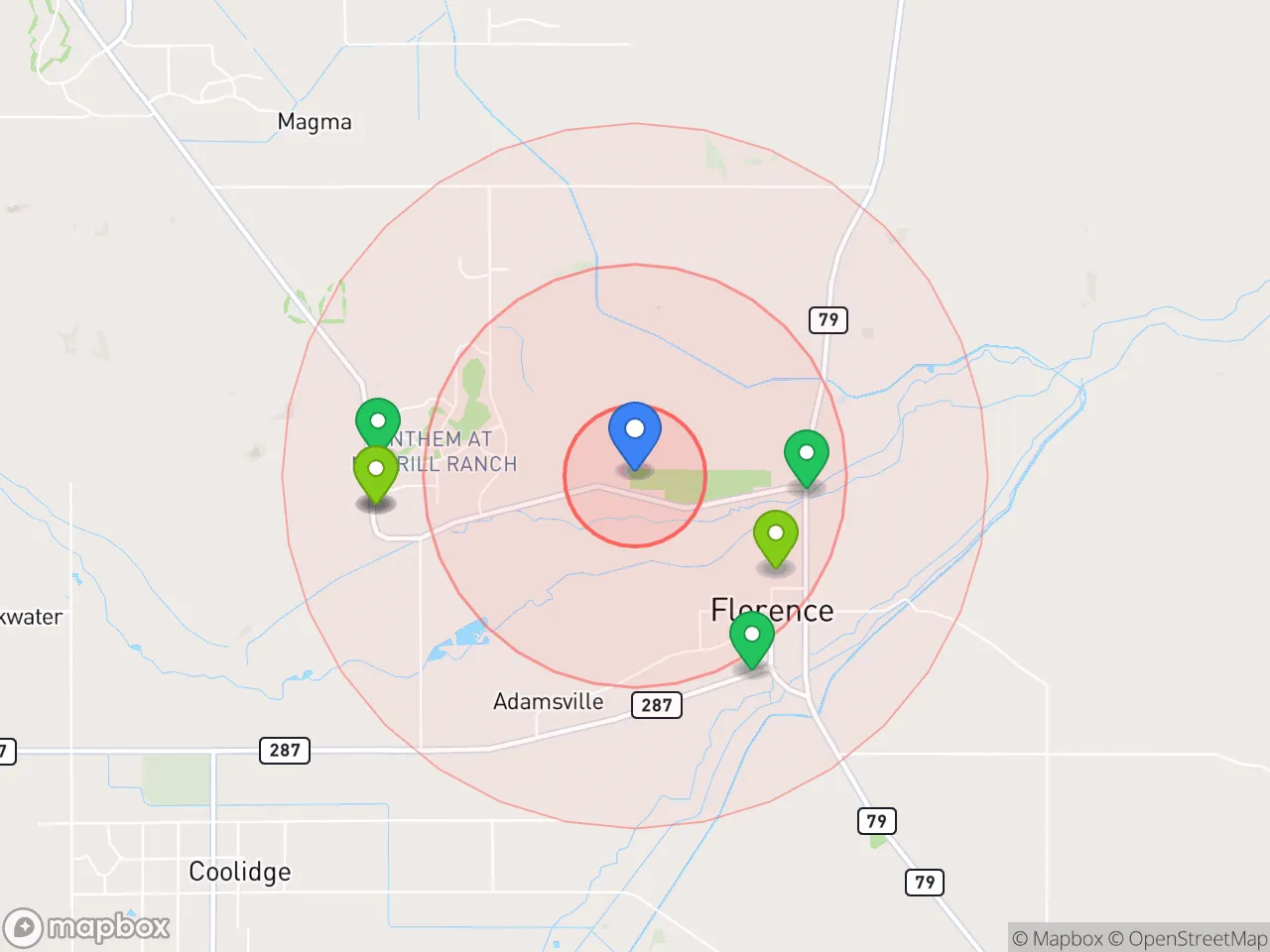
3 within 10 miles
Gas
9 within 10 miles
Hospital
3 within 20 miles
Airport
PHX — Phoenix Sky Harbor International
Post Office
USPS — Florence, AZ
Critical Amenities
Quality-of-Life Analysis
Florence, Arizona, presents a quality-of-life profile that blends small-town affordability with a cost of living slightly above the national average, attracting a mix of families, retirees, and correctional-industry workers. With a cost-of-living index of 106 (100 = US average), the town is more expensive than the national baseline but remains notably cheaper than nearby Phoenix metro suburbs like Chandler or Gilbert, where indices often exceed 115. The population skews toward middle-income households and long-term residents, supported by a stable employment base anchored by the Arizona State Prison Complex and local government services.
Cost of living, housing affordability, and how Florence compares to nearby areas
Housing in Florence is a relative bargain within Pinal County. The median home value sits at $322,600, well below the Phoenix metro median of roughly $450,000, while the median rent of $1,163 is about 15% lower than the state average. This affordability gap is a primary draw for buyers priced out of the East Valley, though it comes with trade-offs: the average commute of 27.7 minutes is longer than the national average of 26 minutes, reflecting the many residents who drive to jobs in Coolidge, Casa Grande, or even Phoenix. Property taxes remain low—around 0.6% of assessed value—which helps offset the slightly higher-than-average costs for groceries and utilities. Compared to nearby San Tan Valley, Florence offers lower rents and a quieter atmosphere, though San Tan Valley has more new-build inventory.
Amenities, schools, and what daily life feels like in Florence
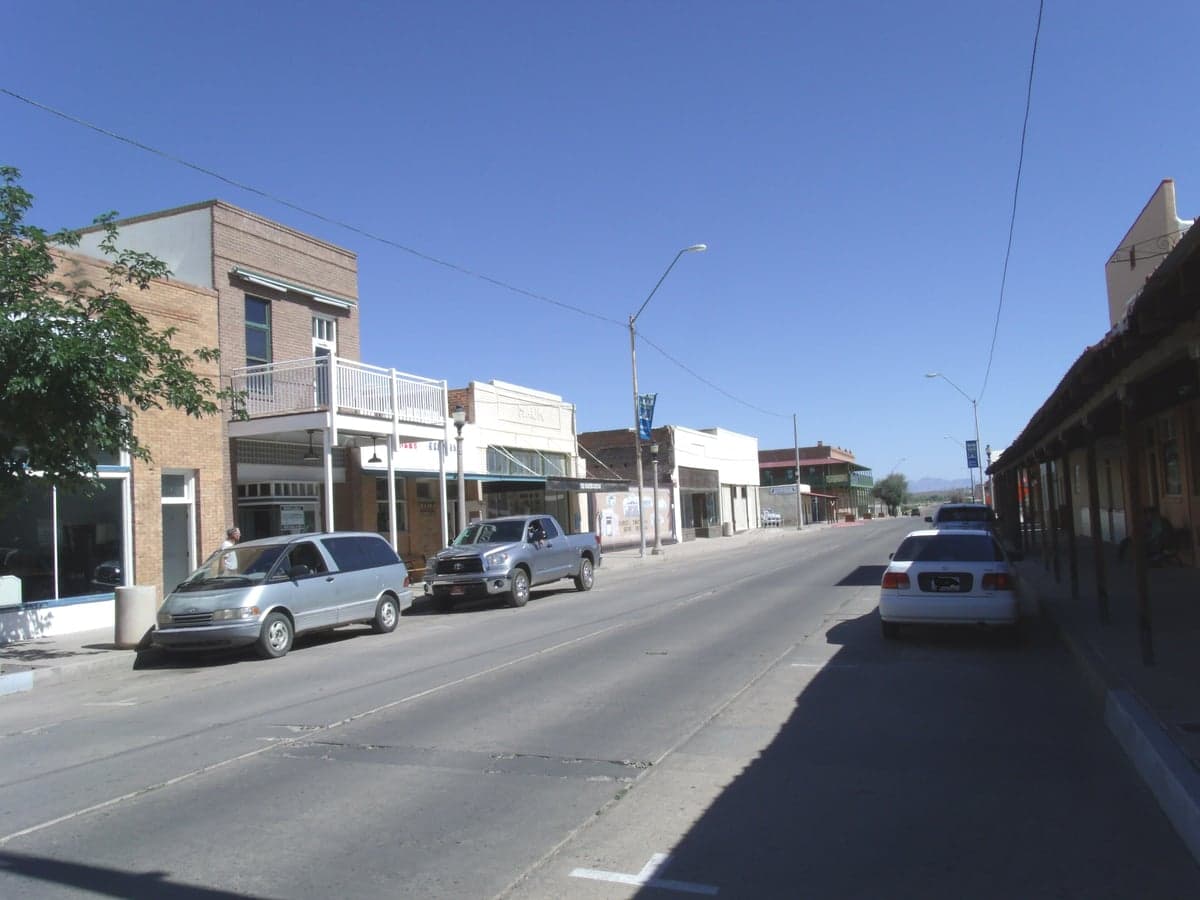
Daily life in Florence centers on a compact historic downtown with a courthouse square, antique shops, and local diners, but major retail and healthcare require a 15- to 20-minute drive to Casa Grande or Coolidge. The Florence Unified School District serves the area with four elementary schools, one middle school, and Florence High School, which has a graduation rate near 85%—slightly below the state average but improving. Parks like the 40-acre Jim Cullen Park and the nearby Tonto National Forest provide outdoor recreation, though nightlife and cultural venues are limited. The town’s rhythm is slow and family-oriented, with community events like the annual Florence Heritage Festival drawing residents together. For daily errands, a small Walmart and local grocery stores suffice, but most residents plan weekly trips to larger chains in Casa Grande.
Who thrives in Florence and who should look elsewhere
Florence is best suited for those who prioritize low housing costs and a quiet, safe environment over urban convenience. Families seeking a slower pace with good school options, retirees on fixed incomes, and correctional employees working at the state prison complex will find the most value here. Remote workers may appreciate the lower rent but should factor in the limited high-speed internet options in some older neighborhoods. Conversely, young professionals craving nightlife, diverse dining, or short commutes to Phoenix will likely feel isolated. The town’s affordability and low crime rate—violent crime is roughly 30% below the national average—make it a practical choice for budget-conscious households willing to trade amenities for space and savings.

Crime in Florence, AZ
Lower crime rates than 90% of comparable U.S. locations.
Violent CrimeViolent Crime Analysis
Property CrimeProperty Crime Analysis
Crime Analysis
Florence, Arizona, presents a notably low-crime environment compared to both state and national averages, with violent and property crime rates that are a fraction of typical figures for communities of its size. The town's overall safety profile is strong, but the proximity to the Phoenix metropolitan area introduces some nuanced risks, particularly concerning property crime and the potential for spillover from larger, higher-crime jurisdictions. Readers should weigh the town's excellent local statistics against the broader regional context, especially given the progressive prosecutorial policies in Maricopa County that can affect surrounding areas.
Crime in context
Florence's crime rates are dramatically lower than those of the United States as a whole. The town reports a violent crime rate of just 131.5 per 100,000 residents, compared to the national average of roughly 380 per 100,000. Property crime stands at 246.6 per 100,000, a fraction of the national rate of approximately 2,000 per 100,000. These figures place Florence among the safest municipalities in Arizona. However, the town is located in Pinal County, which borders Maricopa County (Phoenix). Maricopa County has seen a rise in progressive criminal justice policies, including reduced prosecutions for certain theft and drug offenses. While Florence itself is not directly governed by those policies, the regional trend of lenient sentencing and reduced accountability for repeat offenders in the larger metro area can lead to increased criminal mobility, with property criminals and drug traffickers operating across county lines. This regional dynamic is a legitimate concern for residents, as it can undermine local safety efforts.
What residents experience
For daily life, Florence residents enjoy a high degree of personal safety. Violent crime is rare, with the most serious incidents typically being isolated domestic disputes or assaults rather than random street violence. The most common public safety issue is property crime, particularly theft from vehicles and burglaries of unoccupied homes or storage units. The town's historic downtown core and newer residential subdivisions are generally very safe, with strong neighborhood watch programs and a visible police presence. However, the presence of the state prison complex in Florence creates a unique dynamic: while the prison itself is secure, the associated traffic and transient population can occasionally contribute to minor disturbances. The most significant risk factor for residents is the proximity to the Phoenix metro area's criminal justice system, where progressive district attorneys in Maricopa County have been known to decline prosecution for low-level property crimes, effectively encouraging offenders to operate with impunity. This can lead to a "spillover" effect where criminals target smaller, less policed towns like Florence.
Neighborhood-level variation is modest but worth noting. The older, established neighborhoods near the historic downtown core tend to have the lowest crime rates, benefiting from tight-knit community surveillance. Newer subdivisions on the town's outskirts, particularly those near major highways like State Route 79 and State Route 287, experience slightly higher rates of vehicle break-ins and package theft. The areas immediately adjacent to the prison complex are not necessarily more dangerous in terms of violent crime, but they do see more transient-related activity. Overall, Florence is a safe town where residents should still practice standard precautions—locking vehicles, securing outbuildings, and maintaining good lighting—but can generally feel secure walking their neighborhoods at night.
* Values derived from national, state, county, city and local statistics and may differ in a specific area. Last updated: 2026-05-01T18:54:47.000Z
Narrative content on this page is AI-generated and may contain mistakes. Verify any details that matter before acting on them.
ReloMaps may earn a commission from affiliate links at no extra cost to you.

