
Find The Best Places To Live
in Miramar
PRO TIP! You can paste a Zillow or Redfin link to get info on that property.
What It's Like Living in Miramar, FL
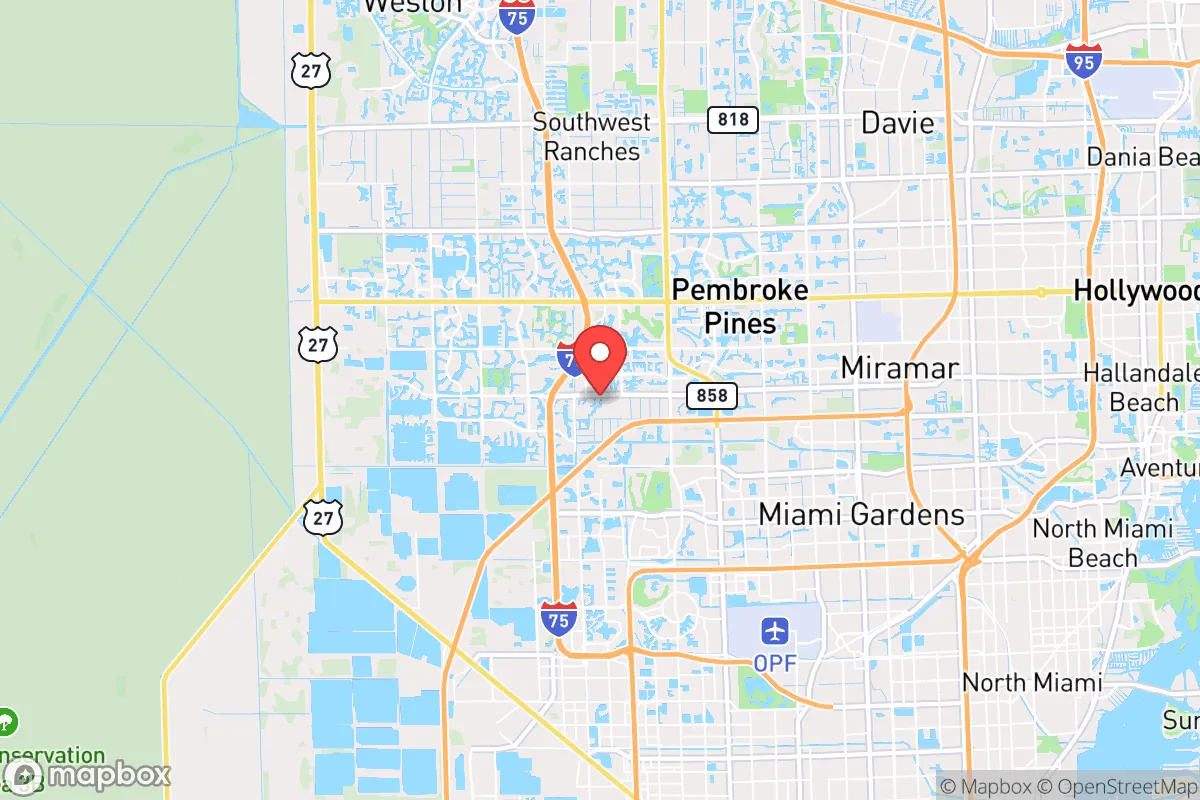
Miramar feels like a city that grew up fast and is still figuring out its identity. It’s not a beach town, not a sleepy suburb, and not a bustling urban core—it’s a solidly middle-to-upper-middle-class community where the daily rhythm is built around family, work, and the occasional weekend escape. You’ll see minivans and Teslas in the same Publix parking lot, and the vibe is less “vacation” and more “we chose this place because the schools are good and the commute to Fort Lauderdale or Miami is doable.”
The Daily Rhythm: Work, School, and the Car in Between
Most people in Miramar spend their weekdays in a predictable loop: drop kids at school, drive to a job in Broward or Miami-Dade, pick up groceries at a strip-mall Publix or Aldi, and head home to a house with a yard. The median age here is 39.5, which tracks with a population heavy on established families and mid-career professionals. The median household income of $86,109 supports a comfortable but not extravagant lifestyle—you’ll see plenty of new SUVs but not many luxury imports. Weekend mornings often mean soccer games at Miramar Regional Park or a walk around the lake at Shirley Branca Park. Evenings out tend to be low-key: a dinner at El Guanaco for Salvadoran pupusas, or a beer at Flanigan’s with the game on. The city’s cost of living index of 160 (well above the national average) means housing eats up a big chunk of that income—the median home value of $420,300 is steep for a place that’s not on the water, but it buys a newer, larger home than you’d find in closer-in suburbs.
Sports, Schools, and the Local Identity
High school football is the closest thing Miramar has to a civic religion. Miramar High School games on Friday nights draw real crowds, and the Patriots’ rivalry with nearby Everglades High is a genuine community event. You won’t find pro sports here—the Dolphins, Heat, and Marlins are all a 30- to 45-minute drive away—but local youth leagues for soccer, baseball, and flag football are packed. The Miramar Police Athletic League runs popular programs that keep kids busy after school. Schools themselves are a major reason people move here: Broward County Public Schools are a mixed bag, but Miramar’s elementary and middle schools generally rate above the district average, and the city has invested in newer facilities. That said, 34.8% of adults hold a college degree, which is respectable but not elite—this isn’t a town of academics or tech workers, but of managers, nurses, small-business owners, and government employees.
What’s There to Do: Parks, Festivals, and the Occasional Night Out
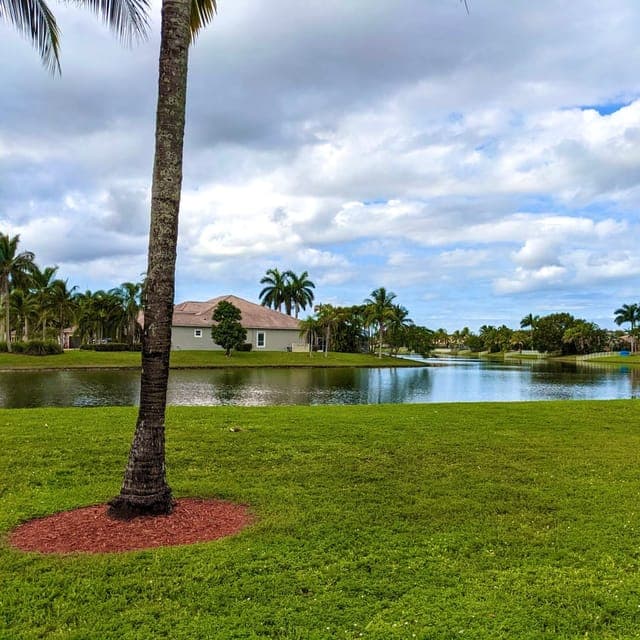
Outdoor life revolves around the parks. Miramar Regional Park has a massive aquatic center, baseball fields, and walking trails that are genuinely busy on weekends. The Miramar Cultural Center hosts community theater, art shows, and the occasional concert, but it’s not a destination that draws people from outside the city. For real nightlife or a music scene, you drive east to Hollywood or Fort Lauderdale. The city’s biggest annual event is the Miramar Founders Day Festival in March—a weekend of carnival rides, food trucks, and a fireworks show that feels like the whole town shows up. There’s also a weekly Green Market at the Miramar Civic Center from November through April, where locals buy fresh produce and baked goods. The notable cultural quirk here is the strong Caribbean and Latin American influence—you’ll hear Spanish, Haitian Creole, and Jamaican patois in the same conversation at a gas station, and the restaurant scene reflects that diversity far more than the chain-heavy strip malls suggest.
Pros and Cons of Living Here
- Pro: Strong schools and family-oriented amenities. The parks are well-maintained, the recreation programs are affordable, and the city’s violent crime rate of 121.2 per 100,000 is notably lower than both the national average and nearby Miami’s. Most families feel safe letting kids ride bikes around the neighborhood.
- Con: Traffic and sprawl. Miramar is car-dependent, and the main arteries—Miramar Parkway and Red Road—back up badly during rush hour. Getting to the beach takes 25-40 minutes, and the Florida Turnpike is a necessary evil for any commute north or south.
- Pro: Good value for the space. For $420,000, you get a 3- or 4-bedroom house built after 2000 with a yard and a garage—hard to find in Coral Springs or Weston for the same money.
- Con: Not much “city life.” If you want walkable streets, a vibrant downtown, or a bar scene that isn’t a chain sports bar, Miramar will disappoint. It’s a bedroom community first and foremost.
- Pro: Weather and seasonal rhythm. Winters are mild and dry—perfect for outdoor weekends. Summers are hot, humid, and rainy, but the afternoon thunderstorms are predictable and brief. Hurricane season (June through November) is a real concern, but most homes are built to modern codes.
- Con: The cost of living pinch. With a cost of living index of 160, everyday expenses—groceries, utilities, insurance—are noticeably higher than the national average. That $86K median income goes faster than you’d expect.
Miramar works best for people who prioritize space, safety, and schools over nightlife and walkability. It’s a place where you know your neighbors by their kids’ names, where the biggest weekly decision is which park to hit on Saturday, and where the trade-off for a quieter life is a longer drive to anything exciting. That’s the honest deal—and for a lot of families, it’s a good one.

Similar small cities to Miramar
* Values derived from national, state, county, city and local statistics and may differ in a specific area. Last updated: 2026-04-21T12:30:37.000Z
Narrative content on this page is AI-generated and may contain mistakes. Verify any details that matter before acting on them.
ReloMaps may earn a commission from affiliate links at no extra cost to you.

