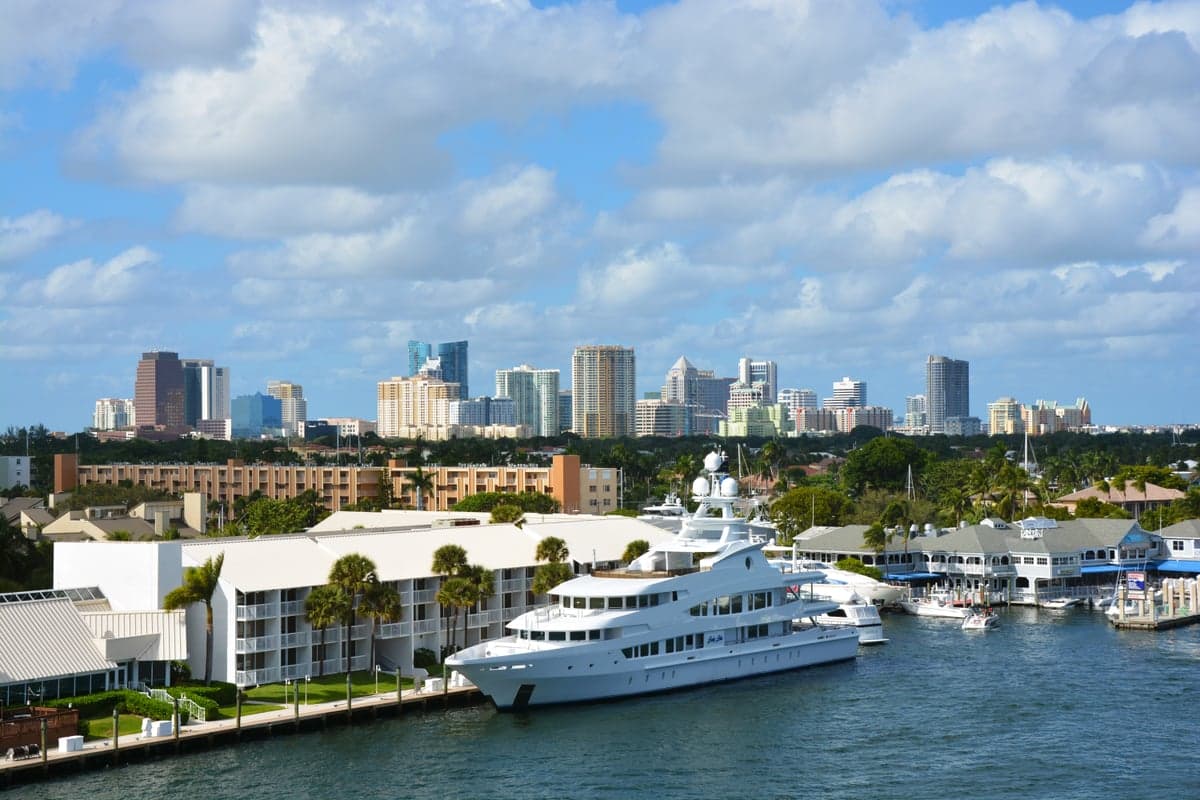
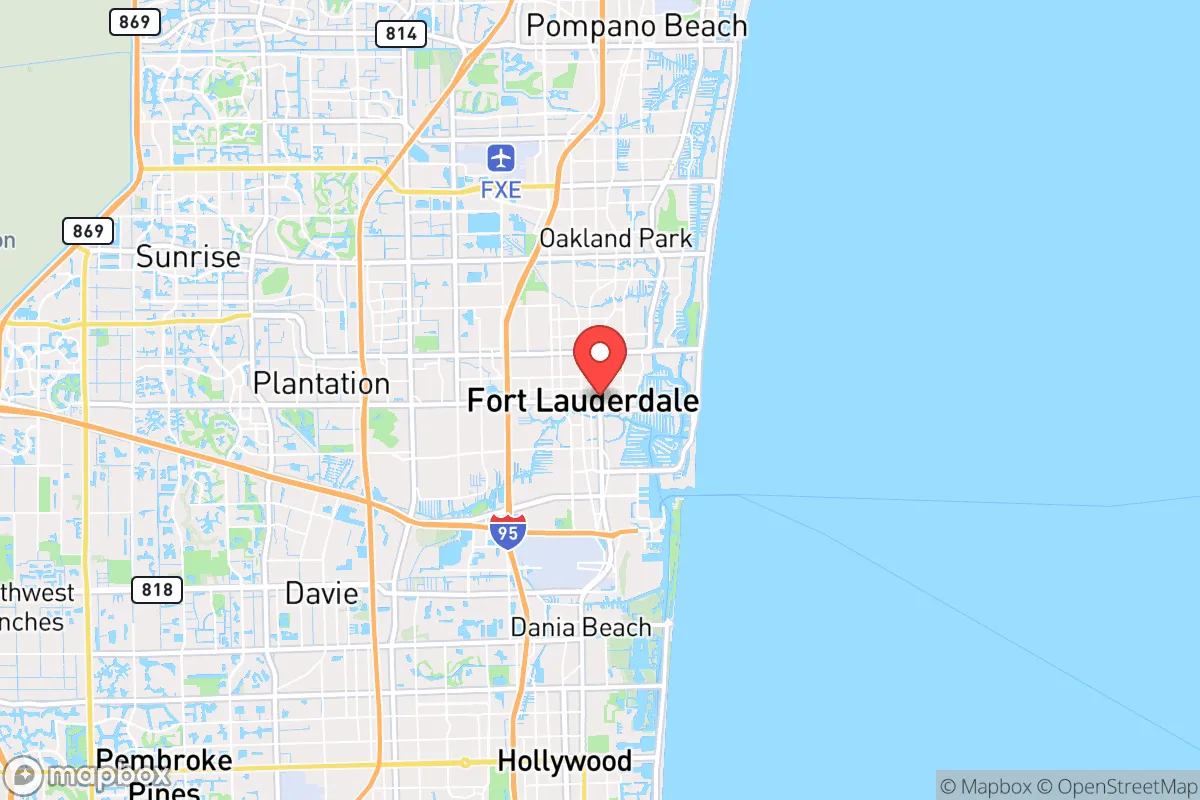
Photo: Wikipedia
Personal Sovereignty in Fort Lauderdale, FL
Viable for self-reliance. Generally workable, though some barriers may limit total independence.
What does Personal Sovereignty tell us?
Personal Sovereignty measures your capacity for self-reliance and independence with minimal government friction. Higher scores mean fewer barriers between you and the way you want to live... but it assumes you have the space you need and good neighbors.
What does this tell us?
Personal Sovereignty measures your capacity for self-reliance and independence with minimal government friction. Higher scores mean fewer barriers between you and the way you want to live... but it assumes you have the space you need and good neighbors.
State Policy
Energy independence: Importer (10% of energy produced in-state)
Personal Liberty
Homesteading

Personal Liberty Analysis
Fort Lauderdale offers a mixed bag for those prioritizing personal sovereignty, where Florida’s strong state-level protections for individual rights often clash with local municipal codes and a dense, coastal environment. While the state’s lack of income tax and preemption of local gun laws provide a solid foundation for autonomy, the city’s zoning restrictions, hurricane-driven building codes, and urban density limit the kind of self-reliant, off-grid lifestyle many preppers seek. For single individuals and parents who value freedom from government overreach, Fort Lauderdale is a viable option only if you’re willing to navigate its regulatory layers and accept that true homesteading is impractical within city limits.
Tax burden and regulatory posture: Florida’s shield vs. local red tape
Florida’s absence of a state income tax is a major win for personal sovereignty, letting residents keep more of their earnings free from government seizure. Fort Lauderdale’s combined state and local sales tax rate of 7% (6% state, 1% county) is moderate, and property taxes average around 1.1% of assessed value, which is competitive nationally. However, the city’s regulatory posture is less friendly to autonomy than rural Florida counties. Building permits are strictly enforced, with fees and inspections that can delay or derail DIY projects. The city’s Miami-Dade County-style wind-borne debris zone mandates impact-resistant windows or shutters on all new construction, adding thousands to any building or renovation cost—a clear example of government mandating how you must spend your money. For a prepper, this means any attempt to fortify a home or build a workshop will be met with bureaucratic hurdles, not freedom.
Self-defense and gun law specifics: Strong state preemption, urban friction
Florida is a “shall-issue” state for concealed carry, and Fort Lauderdale residents benefit from the state’s preemption law, which prohibits local governments from enacting their own gun restrictions. This means you can carry a concealed firearm without a permit as of 2023’s permitless carry law (for those 21 and older), and open carry is legal for hunting, fishing, and camping but not general daily carry. The city itself cannot ban firearms in parks or public spaces, though private businesses can post “no guns” signs. Stand Your Ground laws apply statewide, meaning no duty to retreat before using deadly force if you reasonably believe it’s necessary to prevent death or great bodily harm. However, the urban density of Fort Lauderdale creates practical friction: high foot traffic, crowded events, and a significant transient population mean you’re more likely to encounter situations where drawing a firearm could lead to legal scrutiny. For parents, the lack of a permit requirement simplifies training your children on responsible ownership, but the city’s proximity to high-crime areas (like parts of Sistrunk Boulevard) demands constant situational awareness.
Self-reliance and homesteading viability: Lot sizes, zoning, and off-grid feasibility
Fort Lauderdale is a dense, built-out city where the typical residential lot is a quarter-acre or less, and many homes sit on 50-foot-wide plots. Zoning codes are strict: backyard chickens are allowed only with a permit and limited to four hens (no roosters), and beekeeping requires registration with the state and neighbor notification. Rainwater collection is legal but must comply with Florida’s water rights laws, which limit storage to 500 gallons without a permit. Solar panels are allowed but subject to homeowners’ association (HOA) rules in many neighborhoods, and off-grid living is effectively illegal because the city requires connection to municipal water and sewer systems. For a prepper seeking true self-reliance—growing food, harvesting water, generating power—Fort Lauderdale is a poor fit. The city’s mandatory evacuation zones for hurricanes (most of the city is in Zone A or B) further undermine autonomy, as government can force you to leave your property during a storm. Homesteading viability is near zero; this is a place for those who prioritize coastal lifestyle over self-sufficiency.
Personal liberties: Parental rights, medical autonomy, speech, and property
Florida has become a national battleground for personal liberties, and Fort Lauderdale sits within a state that has recently strengthened parental rights in education (the Parental Rights in Education Act, often called “Don’t Say Gay,” restricts classroom instruction on sexual orientation and gender identity through third grade). Medical autonomy is a mixed bag: Florida banned COVID-19 vaccine mandates for most employers and schools, a win for bodily autonomy, but the state also restricts access to gender-affirming care for minors and has strict prescription drug monitoring programs. Free speech is broadly protected under Florida’s constitution, and the city has not enacted the kind of “hate speech” ordinances seen in some blue states. Property rights are strong, with Florida’s “right to farm” act protecting agricultural uses, but this is largely irrelevant in Fort Lauderdale’s urban core. The city does have a rent control prohibition (state preemption), which protects landlords but can squeeze renters. For parents, the ability to opt out of school curricula and medical mandates is a real advantage, but the city’s progressive local government (Broward County leans Democratic) means constant vigilance is needed to prevent local ordinances from eroding these state-level protections.
Overall, Fort Lauderdale’s personal sovereignty is a study in contrasts. The state provides a strong foundation—no income tax, permitless carry, Stand Your Ground, parental rights—that makes it far more free than cities like New York or Los Angeles. But the local reality of dense zoning, HOA restrictions, hurricane evacuation orders, and a high cost of living (median home price over $500,000) means true self-reliance is out of reach for most. For a single individual or parent who values legal autonomy and is willing to accept urban constraints, Fort Lauderdale can work if you’re strategic about location (avoiding HOAs, choosing a home with a larger lot in a less restrictive zone). But for those seeking a prepper-friendly environment where you can truly live off the land and tell the government to pound sand, you’re better off looking inland to places like Okeechobee or the Panhandle. Fort Lauderdale is a place to exercise your rights within a system, not to escape it.

* Values derived from national, state, county, city and local statistics and may differ in a specific area. Last updated: 2026-04-19T06:56:05.000Z
Narrative content on this page is AI-generated and may contain mistakes. Verify any details that matter before acting on them.
ReloMaps may earn a commission from affiliate links at no extra cost to you.

